Portuguese
  Spanish


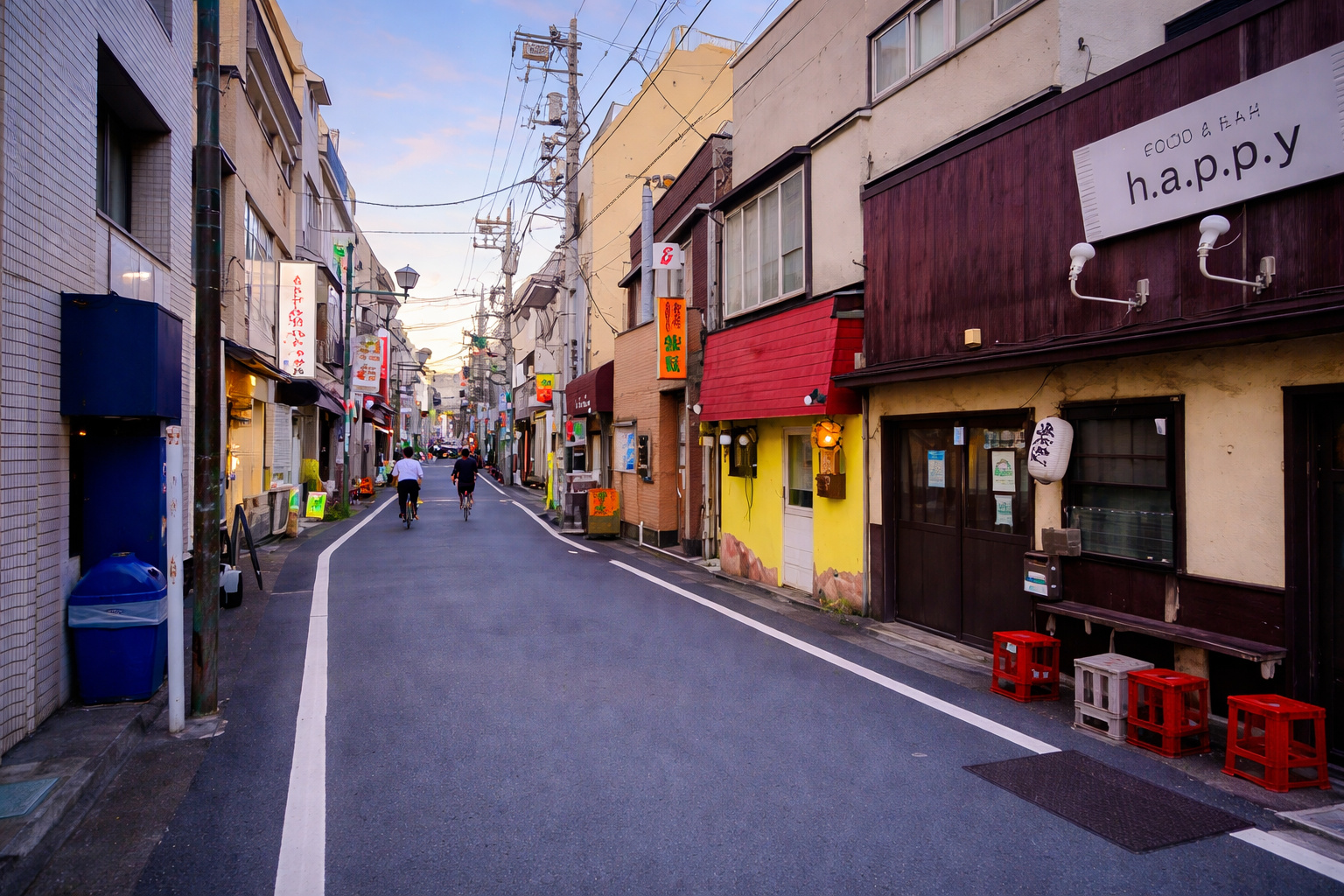

Passages that never opened blocked Shimokitazawa, a neighborhood in Tokyo, and an underground engineering solution changed urban flow, improved circulation, and transformed daily life
For decades, crossing the Tokyo neighborhood of Shimokitazawa was a daily challenge that required time and patience. The so-called passages that never open blocked important streets and caused residents and drivers to face long waits to continue their journey.
The problem occurred because of the Odakyu Line, which cut through the neighborhood and kept crossings closed for much of the time. Reports from The Japan Times, a national Japanese newspaper with urban coverage, highlight that this situation directly affected local mobility.
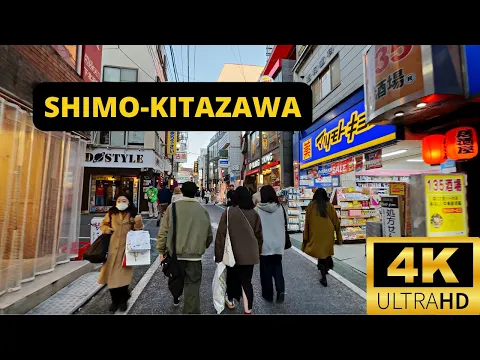

As the years went by, it became clear that simple solutions would not be enough. The solution found involved a complete structural transformation in how the tracks occupied urban space.
-
Former Atacadão Employee Turns Online Cake-Baking Lessons into a Confectionery Brand with Factory, Store, Delivery, and Nearly $400,000 in Revenue

-
Brazilian Startup Sells Nearly 9 Million Surprise Bags of Near-Expiry Food, Prevents Thousands of Tons of Waste, Aiming for $42 Million Revenue by 2026
-
How to Prevent Brown Recluse Spider Bites: Common Hiding Spots and Free Tips to Reduce Risks

-
Natto: The Unusual Japanese Superfood Gaining Popularity on Social Media and Driving Record Exports




Tokyo neighborhood was divided in half by tracks and constant blockages
Shimokitazawa has always been a bustling neighborhood, known for its cultural life and narrow streets. Even so, the tracks created a physical division that was hard to ignore, separating areas that should be connected.
Railroad crossings, known as Akazu no Fumikiri, remained closed for long periods. This happened because trains ran frequently, drastically reducing the available time for crossing.

In practice, this meant congested streets, pedestrians waiting, and a constant sense of interruption. The neighborhood functioned, but in a blocked and limited way.
Passages that never opened affected daily routines and commutes
Those who needed to cross the area faced frequent delays. Short trips became time-consuming, and simple activities required planning.
This type of continuous blockage impacts not only traffic but also the daily lives of people. Mobility ceases to be fluid and starts to depend on factors outside the control of residents.
This type of situation is common in areas with intense railway lines, but rarely resolved definitively.
Solution required moving tracks and the entire station underground
Faced with a persistent problem, the adopted solution was bold. The decision involved lowering the entire railway structure, including tracks and the station, underground.
This type of construction involves complex planning, changes in train operations, and deep interventions in the city. Still, it was the only way to completely eliminate the crossings at the surface.
With the new configuration, trains began to run below street level. This eliminated the blockages caused by closed passages.
Surface was freed and mobility began to flow without interruptions
After the completion of the work, the impact was immediate. Without the tracks on the surface, cars and pedestrians began to move freely, without having to wait for trains to pass.
The urban space also gained new possibilities. Areas previously occupied by the railway became available for circulation and other uses.
This change practically reorganized the neighborhood. What was once a blockage point became a continuous and integrated space.
Change reconnected the neighborhood and improved urban dynamics
With the end of the physical barrier, the previously separated areas began to function as a single unit. This facilitated movement and improved interaction between different parts of the Tokyo neighborhood.
More fluid mobility directly impacts quality of life. People can move more easily, and urban space becomes more functional.

This type of transformation shows how engineering can go beyond infrastructure and influence the way cities are experienced.
What came next further amplified the impact of the work
Even after solving the problem of the passages, the transformation continued. The freeing of the surface paved the way for new possibilities within the Tokyo neighborhood.
With more available space and facilitated circulation, the area began to have a different dynamic. The change was not limited to traffic but affected how the neighborhood is used in daily life.
The case shows that solving a structural problem can trigger improvements that go far beyond the initial objective.
For years, the tracks hindered free circulation in Shimokitazawa and created a difficult obstacle to overcome. The decision to move the entire structure underground thus eliminated this blockage and completely changed the functioning of the neighborhood.
The transformation reinforces how well-applied engineering solutions can improve mobility and reorganize entire cities, bringing real impacts to those who live in the area.
And you, do you believe that this type of solution would work in Brazil? Comment and share with those interested in cities and innovation.