





 Portuguese
  English
  Spanish
  5 min of reading
  0 comments


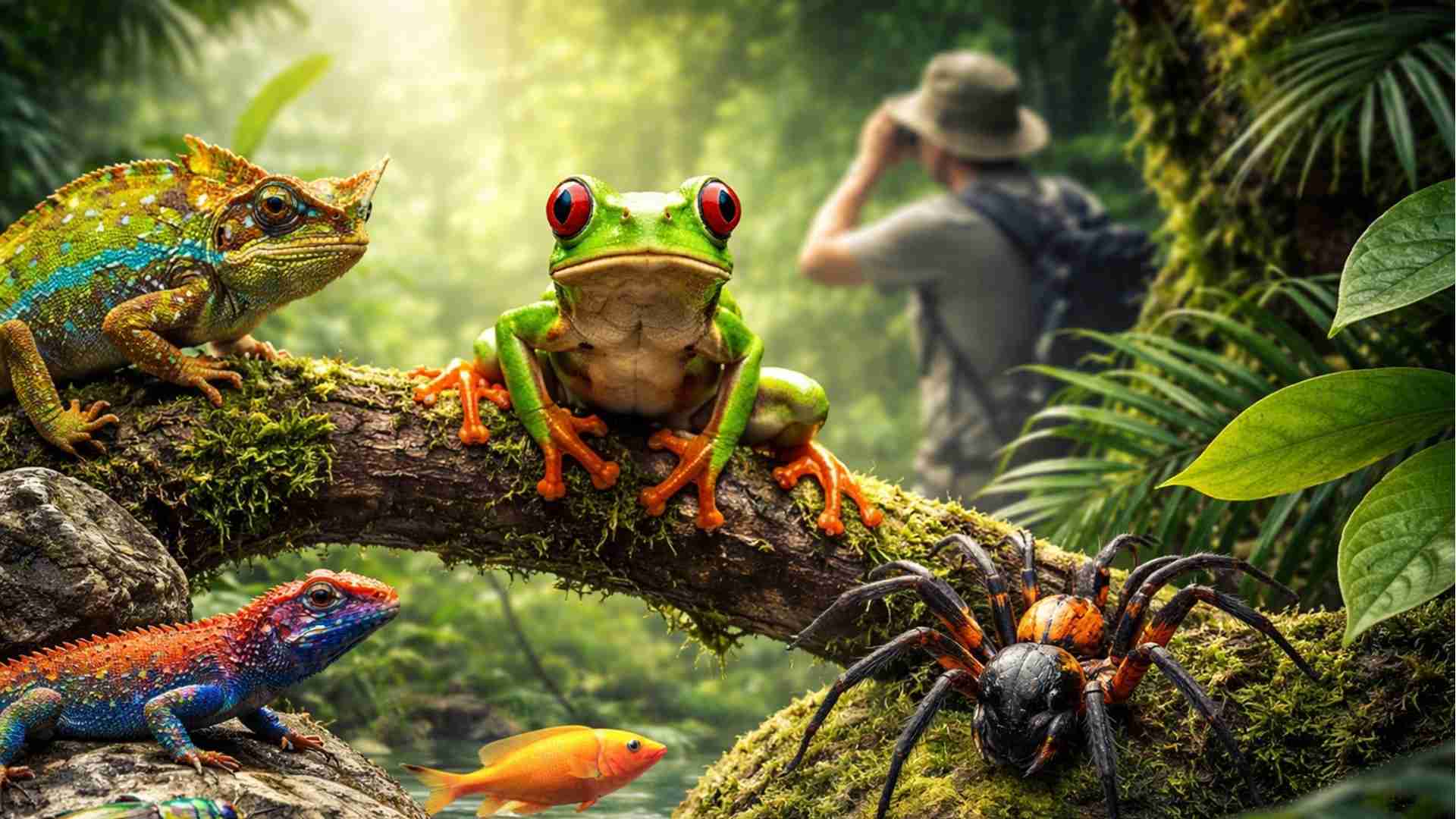
Recent Studies Show That Researchers Identify More Than 16,000 New Species Per Year, A Pace Considered The Highest Ever Registered, Indicating That Global Biodiversity Is Much Greater Than The Number Currently Cataloged By Science And Still Far From Being Fully Known
Scientists are discovering new species at an unprecedented rate, with more than 16,000 formal descriptions per year, according to a study led by the University of Arizona, indicating that global biodiversity is much greater than the number currently known and described by science.
About three centuries ago, Swedish naturalist Carl Linnaeus initiated an ambitious project to identify and name all the living organisms on Earth. He would later become the father of modern taxonomy by creating binomial nomenclature and formally describing over 10,000 species.
Since then, researchers worldwide have continued this effort, progressively expanding the catalog of life on the planet. Even after hundreds of years of study, science is still far from fully mapping the existing biological diversity.
-
With a cost per shot close to zero, the DragonFire laser could change naval warfare in 2027 and provide British ships with nearly unlimited defense against drones.

-
A British startup creates tires that generate electricity in electric vehicles when passing over potholes, speed bumps, and cracks.

-
Scientists have created robots made with living cells that have their own nervous system, swim on their own, explore the environment, and self-organize without any genetic engineering, and now they want to do the same with human cells.

-
Students create a solar-powered ambulance that operates without a plug, without fuel, and still keeps medical equipment running in remote areas.


Record Pace In The Description Of New Species
A recent study published in Science Advances and led by researchers at the University of Arizona indicates that this discovery process is advancing faster than at any other time in scientific history.
The team analyzed the taxonomic history of approximately 2 million species, covering all major groups of living organisms described by science over time.
In the most recent period with complete data, between 2015 and 2020, scientists described an average of over 16,000 new species per year, with no signs of slowing down this discovery pace.
According to the study, the acceleration suggests that biodiversity in groups such as plants, fungi, arachnids, fish, and amphibians is significantly greater than previously thought.
The authors state that the idea that discoveries might be declining is not supported by the data analyzed, which show a consistent increase in the annual number of formal descriptions.
What The Latest Data Reveal
Between 2015 and 2020, the newly described species included over 10,000 animals per year, predominantly arthropods and insects, as well as around 2,500 plants and approximately 2,000 fungi.
The study also points out that, on average, more than 100 new species of reptiles are described annually, demonstrating that even relatively well-studied groups still hide considerable diversity.
Researchers highlight that this discovery rate greatly exceeds the estimated rate of species extinction, calculated at around 10 per year based on previous analyses.
According to the authors, the newly described species are not limited to microscopic organisms but include insects, plants, fungi, and even hundreds of new vertebrates identified over the past few years.
These results reinforce the idea that the inventory of life on Earth remains highly incomplete, despite the technological and scientific advances accumulated in recent decades.
Estimates About Unknown Species
By examining how discovery rates have varied over time, researchers also produced estimates about the total number of species that may exist on the planet.
Projections suggest that there may be up to 115,000 species of fish, although only about 42,000 have been formally described so far.
In the case of amphibians, the study estimates approximately 41,000 species exist, in contrast to about 9,000 currently recognized by science.
For plants, the authors indicate that the total number of species may exceed half a million, significantly surpassing the available formal records.
Currently, scientists know about 2.5 million species, but the study emphasizes that the actual number could reach into the tens, hundreds of millions, or even billions.
Insects And Other Underestimated Groups
Insects represent one of the greatest challenges for the cataloging of global biodiversity. Approximately 1.1 million species have already been identified, but many experts believe the actual total is much higher.
Some estimates cited by researchers suggest that the number of insect species may be closer to 6 million, while previous projections indicated the possibility of reaching around 20 million.
The difference between the described and estimated numbers highlights significant gaps in scientific knowledge, especially in highly diverse and hard-to-sample groups.
These gaps are influenced by factors such as the historical concentration of research in certain regions and the difficulty of accessing environments with high biodiversity.
New Tools And Cryptic Diversity
According to the authors, most new species are still identified based on visible characteristics, such as morphology and distinguishable external patterns.
However, advancements in molecular tools are likely to reveal an even greater number of cryptic species, distinguishable only at the genetic level, greatly expanding global estimates.
This approach is considered especially promising for bacteria and fungi, groups in which genetic differences may indicate distinct species without evident morphological variations.
With the increased use of these techniques, researchers hope that the pace of discoveries will continue to accelerate in the coming years.
Importance Of Discovery For Conservation And Society
The authors emphasize that the scientific description of a species is the first step toward its formal protection, as unknown organisms cannot be included in conservation policies.
Without scientific documentation, it is not possible to assess extinction risks or implement legal measures to preserve habitats and threatened populations.
In addition to conservation, the discovery of new species also has direct implications for society, especially in the development of natural products of medical and technological interest.
Among the examples cited are medications inspired by compounds from living organisms, including substances derived from venoms and hormones found in animal species.
Technological Applications Inspired By Nature
Biodiversity also serves as a source of inspiration for technological solutions, based on physical characteristics observed in different organisms.
Materials inspired by the super-adhesive feet of geckos, capable of climbing vertical surfaces, are an example of how natural structures influence human design.
Researchers highlight that the exploration of this potential is still in its early stages, reinforcing the importance of expanding knowledge about yet-to-be-described species.
According to the authors, each new species discovered broadens the possibilities for future applications, both scientific and practical.
Next Steps In Research
The next step for the team is to map the regions where new species are found most frequently, seeking to identify areas of great biodiversity still unknown.
Researchers are also analyzing who is conducting these discoveries, observing changes in the geographic distribution of scientists involved in taxonomic work.
The study points out that, although the initiative to catalog species began about 300 years ago, approximately 15% of all known species have been described only in the last 20 years.
This data reinforces that a significant portion of global biodiversity remains unexplored, even after centuries of systematic scientific investigation.
Reference: “The Past And Future Of Known Biodiversity: Rates, Patterns, And Projections Of New Species Over Time,” By Xin Li, Ding Yang, Liang Wang, And John J. Wiens, Published On December 5, 2025 In Science Advances, DOI: 10.1126/sciadv.adz3071.








-

-

5 pessoas reagiram a isso.