





 Portuguese
  English
  Spanish
  4 min of reading
  0 comments


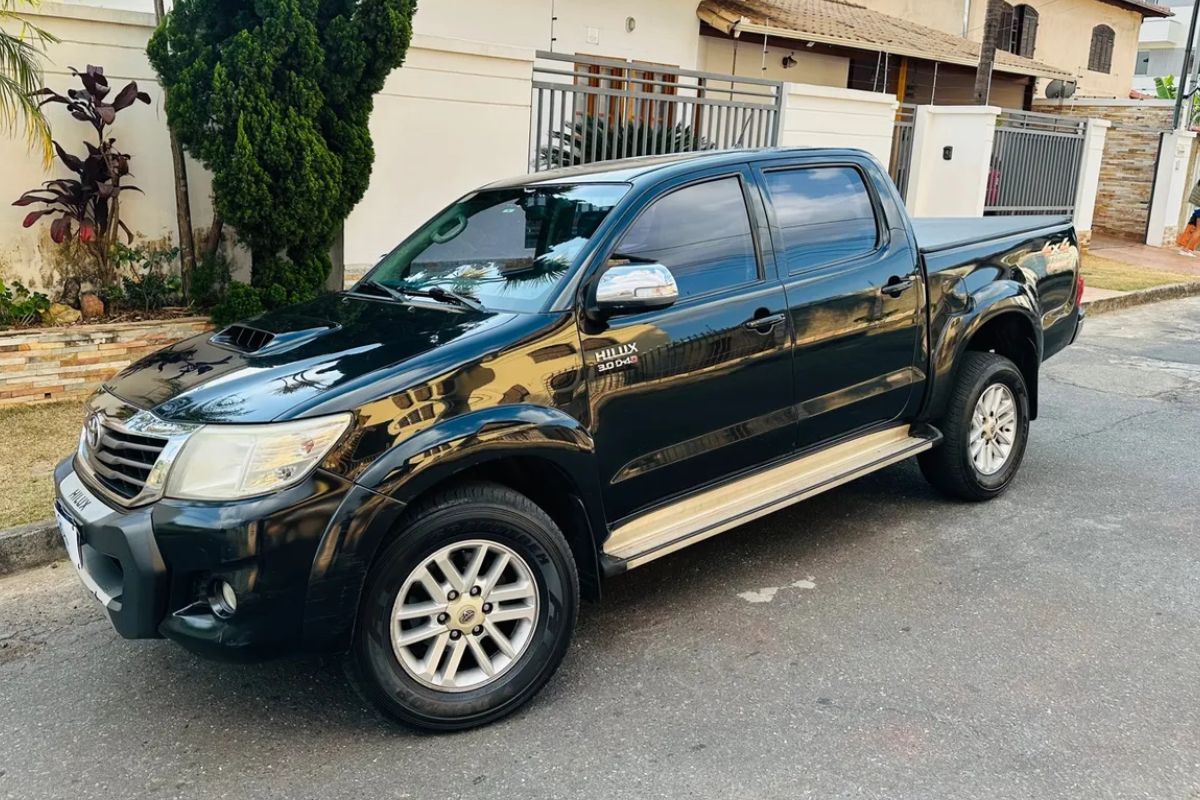
Practical Guide to Used Trucks with Strong Engines and Good Fuel Efficiency: Two Sure Choices for Heavy Duty Work Without Breaking the Budget
Finding used trucks with strong engines and good fuel efficiency for up to R$ 90 thousand is not an impossible mission — as long as you focus on proven diesel models, with up-to-date maintenance and a clear history. In this guide, we selected two options that deliver power, economy per ton, and robustness for those who rely on a pickup every day.
The selected vehicles are the Toyota Hilux 3.0 (2011–2014) and the Ford Ranger 2.2 (2013–2014). Both have a reputation for work, withstand loads and rough roads, and offer fuel consumption suitable for heavy-duty service. The key is to choose wisely, check the provenance, and accept realistic mileage to stay within the R$ 90 thousand limit.
Toyota Hilux 3.0 (2011–2014): The Classic for Heavy Duty Work
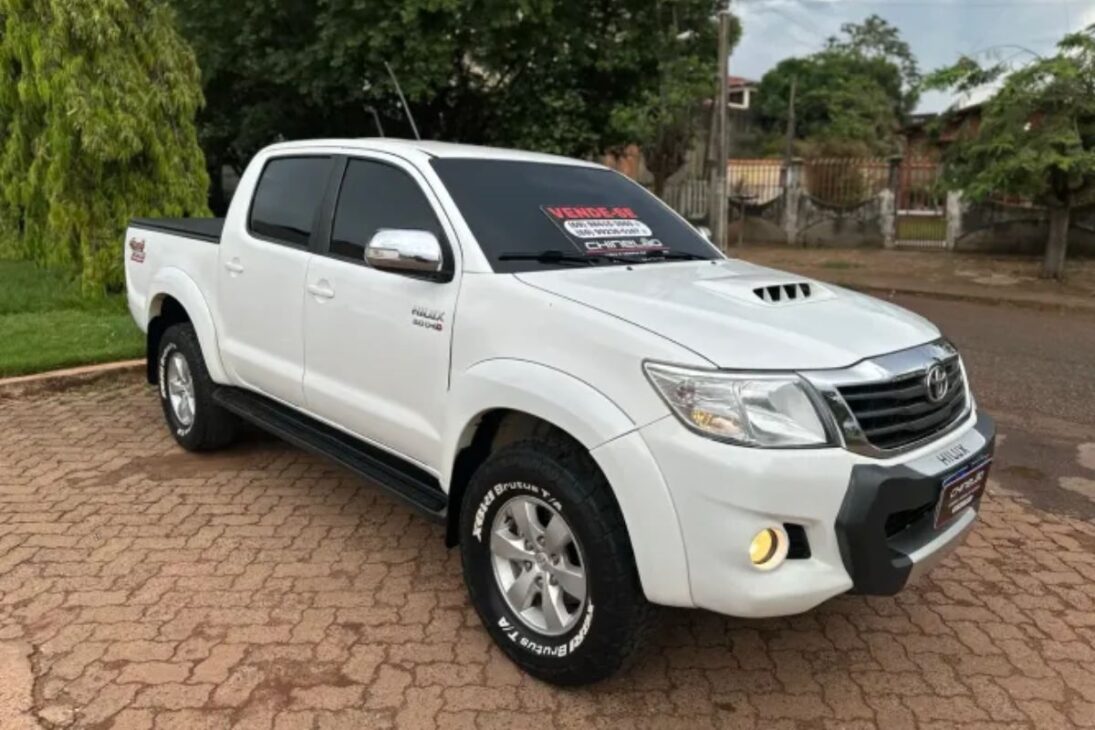
The Hilux 3.0 D4-D has become synonymous with “tank”: four-cylinder turbo diesel, common-rail injection, and full torque from early on.
-
5 cheapest used cars than a Honda CG 160 Titan 0 km, with options starting at R$ 13,000 for those who want to trade their motorcycle for a car and escape the rain, sun, and risks of riding.

-
Around R$ 24,000: 4 used Ford SUVs with up to 253 hp, V6 engine, all-wheel drive, 7 airbags, panoramic sunroof, and a complete package that surprises with its price and performance in Brazil.
-
A brand new car starts at around R$ 75,000 in Brazil, but what stands out the most is seeing streets filled with SUVs and expensive sedans in a country where millions remain in debt.

-
For R$ 32,000, a brand new Hyundai car is a rival to the Kwid with a 1.2 engine producing 82 hp, 6 airbags as standard, multimedia with wireless Android Auto, up to 391 liters in the trunk, and a refreshed look for 2026 in India.

In fleets and farms, it delivers years of service with little surprise when it receives preventive maintenance. It’s the choice for those who prioritize reliability over luxury.
In practice, fuel consumption is consistent with the size and plenty of power for towing and a full load. The price usually falls at the top of the budget: to hit R$ 90 thousand, focus on models from 2011–2012, with higher mileage and a proven history.
Points to watch for: injector nozzles, EGR (carbon buildup), and the cost of original parts. With everything in order, the robustness pays off.
Ford Ranger 2.2 (2013–2014): Smart Efficiency and Good Cost-Effectiveness
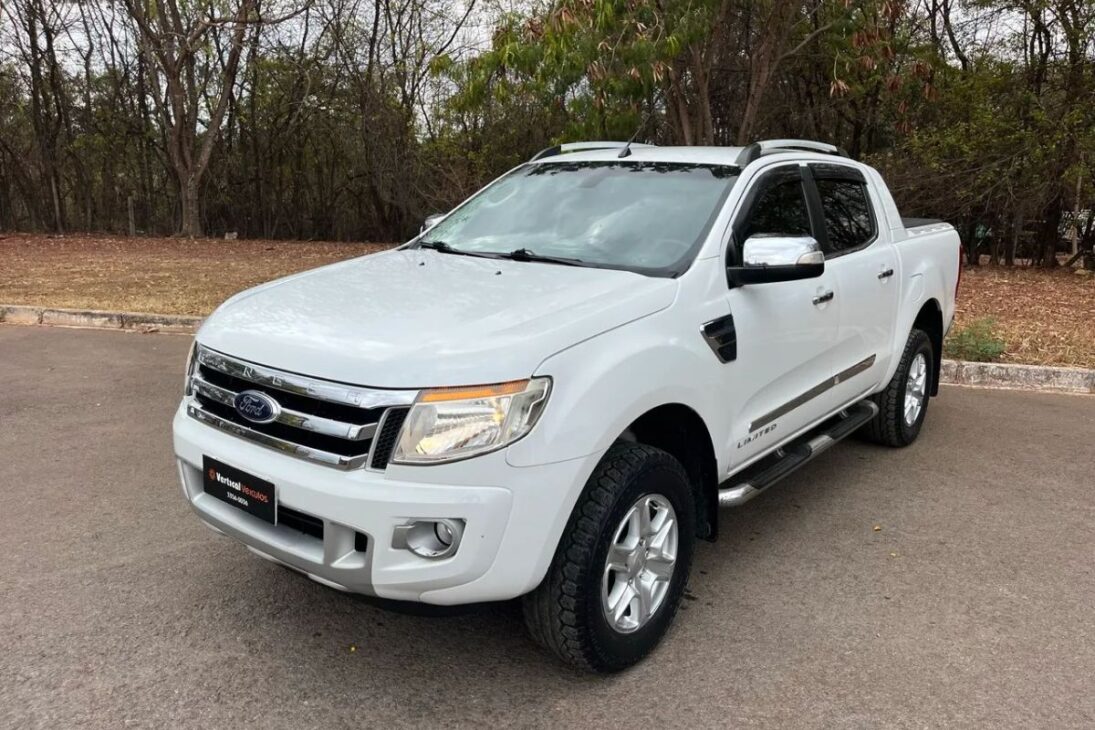
The Ranger 2.2 Duratorq delivers good low-end torque, a more spacious cabin, and comfort above average for the same period.
On the road, it can be more economical than its competitor, especially at constant speeds and with proper maintenance. It’s the pickup for those who split their time between construction sites and highways.
When buying, 2013–2014 XL/XLS versions usually appear well within the budget.
Points to watch for: injection electronics, health of the DPF when driven a lot in the city, and lubrication history (pump/oil pressure). With preventive measures in place, it becomes a reliable and comfortable worker.
Engine, Consumption, and Real-World Use
In real work, fuel consumption varies with load, surface, wind, and driving style.
The Hilux 3.0 delivers consistent and predictable performance, while the Ranger 2.2 usually records better averages on the highway.
Both reward smooth driving, planned routes, and proper tire inflation.
Good practices that truly save fuel:
Injector and filter revisions on time prevent rich mixtures and high consumption;
Stable cruising speed reduces spikes in fuel consumption and temperature;
Proper alignment and tires make a significant difference in a loaded pickup;
Avoid repeated short stops with a cold engine (enemies of urban diesel).
Load Capacity, Comfort, and Lifespan
Both are mid-size pickups with about 1 ton of payload (varies by version).
In daily operation, the Hilux has an advantage in long-term durability, while the Ranger excels in ergonomics, stability on asphalt, and features.
If your work is 70% off-road and towing, the Hilux smiles; if it’s 70% highway and city, the Ranger performs.
Important reminder: in a work pickup, it’s not mileage that kills it, but negligence. A service book, parts receipts, and consistent reports are worth more than 30,000 km less on the odometer.
Price and Where It Makes Sense to Spend
Hilux 3.0 (2011–2012): close to the cap, usually with higher mileage — worth it for reliability, as long as the injection system is healthy.
Ranger 2.2 (2013–2014): fits comfortably in the budget for simpler versions — leaves money for a full preventive maintenance, which is smart.
Spend wisely on day one: fluids (engine, transmission, differentials), filters, intake/EGR cleaning, nozzle checks, and properly rated tires for the actual load. This “initial service” pays off in consumption and readiness.
Quick Checklist Before Closing the Deal
History and Provenance – demand receipts, service records, and a recent inspection; avoid “finds” without paperwork.
Injection/DPF – smooth engine, clean cold starts without smoke; a scanner helps detect hidden faults.
Transmission and 4×4 – smoother engagement, without noises; test low-range.
Structure – check longitudinals, wheel housing, and anchoring points; heavy-duty work leaves marks.
Tires and Brakes – even wear; a heavy pickup demands good brakes.
Loaded Test Drive – simulate your actual use: ramp, uneven surfaces, and braking.
If you need used trucks with strong engines and good fuel efficiency, Hilux 3.0 (2011–2014) and Ranger 2.2 (2013–2014) deliver work, economy per ton, and availability without blowing the budget.
The final choice depends on your usage map: more off-road and towing? Hilux. More pavement and comfort? Ranger.
Now it’s up to you: what is your load and route routine (km/day, surface type, average weight)? Which one makes more sense for your work — absolute robustness or efficiency with comfort? Share your real experience with these pickups (or others up to R$ 90 thousand) in the comments. Your story could save many people’s wallets who truly work with a truck.







-

-

-

-

-

-

122 pessoas reagiram a isso.