





 Portuguese
  English
  Spanish
  5 min of reading
  0 comments


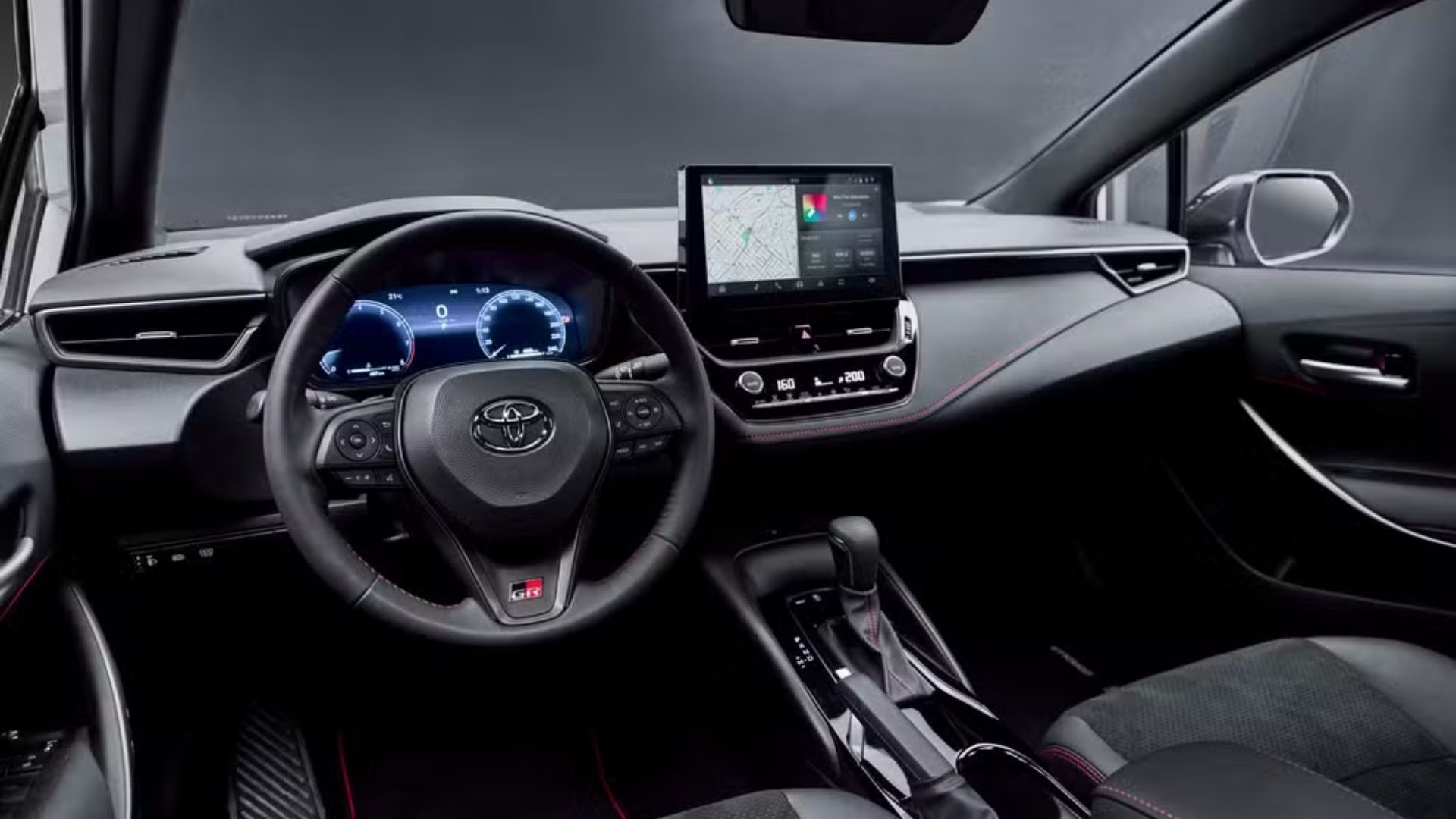
Known for Durability, Low Maintenance Costs, and High Resale Value, Two Japanese Models Remain Among the Favorites of Brazilians Seeking Reliable and Economical Cars Even After Years of Use.
Two models remain synonymous with reliability and predictable maintenance in the country: Honda Fit and Toyota Corolla.
Even out of production in the case of the Fit and with increased competition for Toyota’s sedan, both maintain high resale value and remain among the preferred choices of those looking to drive a lot, spend little on repair shops, and still have comfort and safety.
The appeal of durability weighs increasingly on the reality of compressed incomes, expensive fuel, and elevated insurance costs.
-
The car stored for 38 years: when opening the barn door, what appears is breathtaking and looks like a scene from a movie!

-
Fiat works miracles in the Brazilian market, lowers the price of its 0 km hatch to R$ 69,990, reestablishes the model as the cheapest car in the country, and reignites the battle against Kwid and C3.
-
Chevette with cooking gas: How the gas cylinder ends up being used in cars clandestinely and why this makeshift solution can result in leaks, explosions, damaged engines, and seized vehicles.

-
Fiat launches the new 2027 Toro hybrid with 48V, 176 hp, an electric motor of 15.5 hp, a 0.85 kWh battery, up to 7% fuel savings, 8% fewer emissions, and possible exemption from IPVA.

That’s why vehicles that have few failures, organized maintenance, and robust mechanics remain a safe harbor for families that rely on their cars for daily use and travel.
In this context, the Fit and Corolla continue to be viewed as “unbreakable” in the consumer’s perception and as benchmarks for cost-effectiveness in the used car market.
Honda Fit: Versatility and Contained Consumption Consolidated Its Reputation
Produced in Brazil between 2003 and 2021 and sold for three generations, the Honda Fit built a reputation as a “versatile” car thanks to its combination of efficient space, simple mechanics, and good fuel economy.
The most remembered feature is the Magic Seat system, a solution that allows multiple seat configurations to carry bulky loads or tall objects without sacrificing passenger comfort.
The engineering behind this arrangement shifted the fuel tank to the front of the car, freeing up the rear floor and creating a rare useful volume among compact hatchbacks.
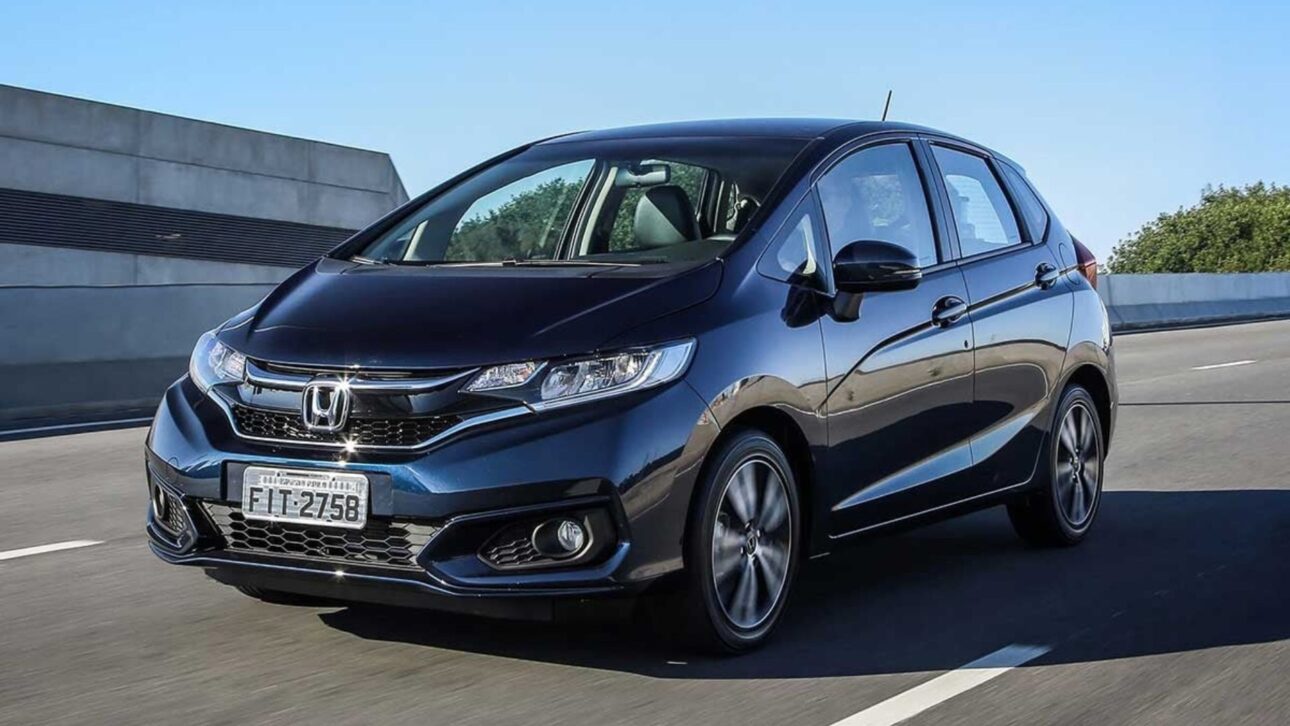
In terms of mechanics, the 1.5 i-VTEC FlexOne engine is noted for its robustness.
With a power output of around 116 hp and a torque close to 15.3 kgfm, the engine delivers sufficient performance for city driving and travels comfortably without maintenance surprises when regular servicing is adhered to.
Throughout its time in Brazil, the Fit offered a five-speed manual transmission and the CVT option, which is more common in recent versions, fitting well with urban needs and helping to keep consumption down.
In real-world use, owners often report competitive averages for the segment, something that is also reflected in the official measurements from Brazil’s vehicle labeling program.
In other words, the Fit is among the automatic compact cars that consume little, especially when fueled with gasoline and driven gently.
This efficiency, combined with a reputation for low chronic defect rates, supports liquidity in the used market and above-average valuation for a car that is no longer in production.
Safety has also evolved over time.
In regional evaluations, the Fit achieved good performance in Latin NCAP tests, with positive ratings for adult and child protection in tests from the mid-2010s.
In later versions, more complete trims incorporated side airbags and, in some years, electronic stability and traction controls, features that enhance the feeling of confidence behind the wheel.
Although the design is not the newest among the sought-after semi-new cars, the overall package remains coherent for those seeking an honest hatch with long-term partnership potential.
Toyota Corolla: Predictable Maintenance and Robustness That Cross Generations
Sold in Brazil since the 1990s, with national production solidified from 1998, the Toyota Corolla has become synonymous with a reliable, comfortable sedan with organized after-sales service.
The strategy of fixed-price maintenance at authorized dealerships has provided cost predictability and helped solidify the image that the Corolla “is trouble-free”.
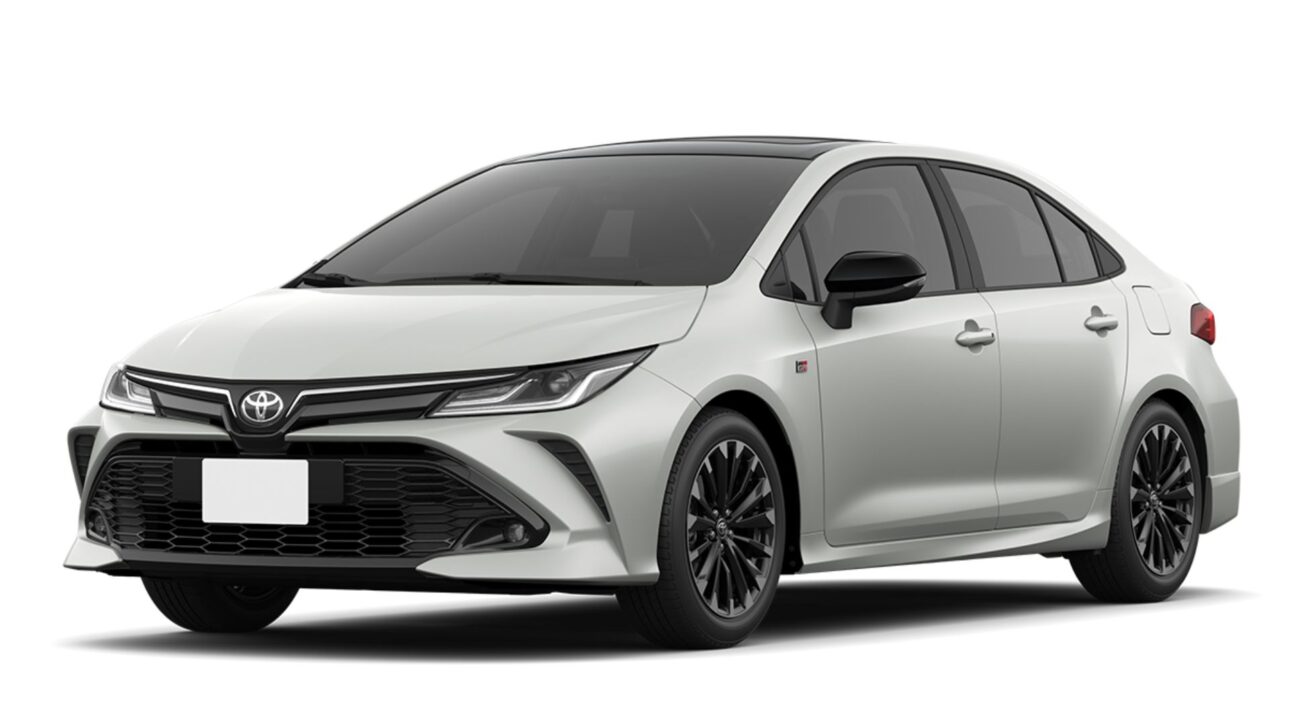
In practice, periodic maintenance follows a clear schedule and is usually sufficient to keep the car running without surprises. Technical evolution also supports its reputation.
Over the generations, the Corolla has undergone platform changes, received suspension improvements, and in the more recent configurations, introduced independent multi-link rear suspension, which enhanced stability and ride comfort.
The safety package has grown with the adoption of active assistances in higher trims, such as collision warning with automatic braking and adaptive cruise control, keeping the sedan competitive in a segment that demands content and structural rigor.
In terms of powertrains, the Brazilian catalog combined reliable flex engines and, more recently, hybrid options, which enhanced efficiency without sacrificing ease of use.
This variety caters to different profiles, from those primarily driving in the city and seeking enhanced fuel economy to those needing stronger responses on the road.
The result translates into broad acceptance among fleet operators, rideshare drivers, and families prioritizing a car “for many years”.
The perception of high resale value is a consequence of this history.
Even with the arrival of modern competitors, the sedan tends to lose less value than the market average and is sold quickly when well-maintained and documented.
In times of greater economic uncertainty, this performance strengthens, as buyers tend to prioritize brands and models with a solid history and structured after-sales service.
Why They Remain Valued in the Used Market
Several factors explain why the Fit and Corolla continue to top the preference list.
First of all, the proven mechanical reliability from years of real usage translates to a lower risk of extraordinary expenses.
Next, the comprehensive assistance network with transparent costs makes life easier for those who don’t want surprises at the repair shop.
There’s also the reputational effect: positive examples of durability circulate in forums, owner groups, and classifieds, where well-maintained versions quickly find buyers.
Another point is the adaptation to typical Brazilian usage.
The Fit, with its modular cabin and versatile trunk, efficiently handles urban tasks and short trips with a rare capability among compacts.
The Corolla, in turn, fulfills the role of a comfortable family and work sedan, with space, quietness on board, and sufficient performance for highways, along with equipment packages that balance safety and convenience.
Finally, the predictability of costs weighs in. When consumers estimate the total cost of ownership — which includes fuel, maintenance, tires, insurance, and depreciation — historically stable models tend to come out ahead.
It’s in this calculation that the duo Honda Fit and Toyota Corolla maintains an advantage: they may not be the cheapest to buy but tend to be more affordable to maintain and easier to resell.
In times of tight budgets, what real experiences have you had with these two models, and what advice would you give to someone choosing a reliable used car now?







-

-

-

-

-

-

55 pessoas reagiram a isso.