





 English
  Francês
  Alemão
  Italiano
  Japonês
  Norueguês
  Portuguese
  Spanish
  3 min of reading


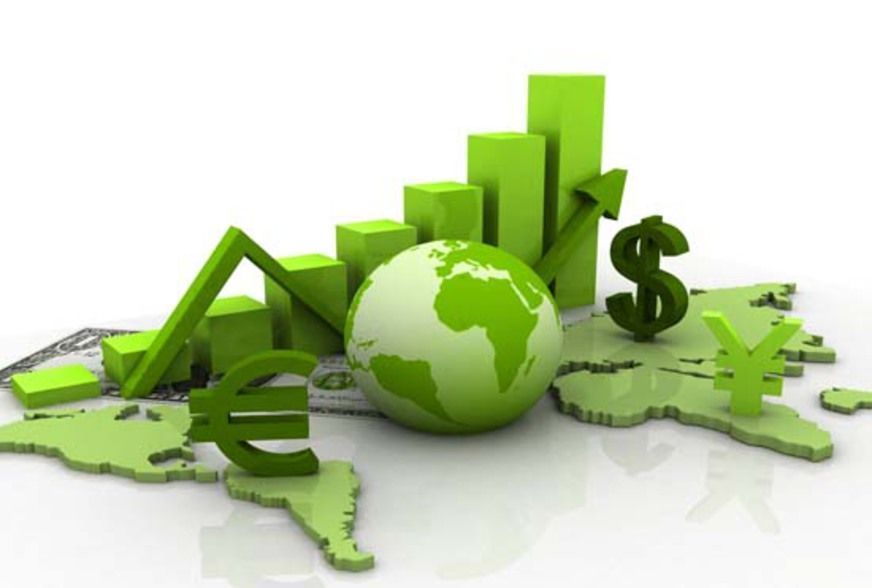
Study Conducted by WRI Brazil, UFRJ, Former Finance Ministers, and World Bank Executives Reveals Data That Can Generate Jobs and Wealth for Brazil
After suffering the impacts of the COVID-19 pandemic, the economic recovery movement may not only help the country improve its resilience to climate change if investment is directed towards the “green economy,” but it may also create 2 million jobs and add 2.8 trillion reais to Brazil’s GDP. Compared to the 2019 GDP (R$ 7.3 trillion), this would represent a 38% increase.
See Other News:
- Resume registration for all positions for job vacancies at Petrobras nitrogen fertilizers factories in Bahia and Sergipe (Fafen), today August 14
- Ocyan, an oil and gas company, is hiring professionals for Rio de Janeiro, in the areas of procurement, finance, driller, and more
- The leader SIEMENS has opportunities in logistics, quality, and tax areas, for the states of Bahia and São Paulo
This was revealed in the study “A New Economy for a New Era,” conducted in partnership by WRI Brazil along with UFRJ, former finance ministers of Brazil, and World Bank executives. The work is part of the Global New Climate Economy, which aims to highlight ways to combine economic development with responses to global warming. It is expected that climate change will have a greater impact than COVID-19. Therefore, several countries are studying ways to take actions that bring economic and climate benefits.
The study focused on three sectors that are extremely strategic to the national economy: infrastructure, industry, and agribusiness. The report indicates, “Quality infrastructure reduces the costs and impacts of environmental degradation and allows for greater resilience to increasingly intense and frequent extreme events.”
-
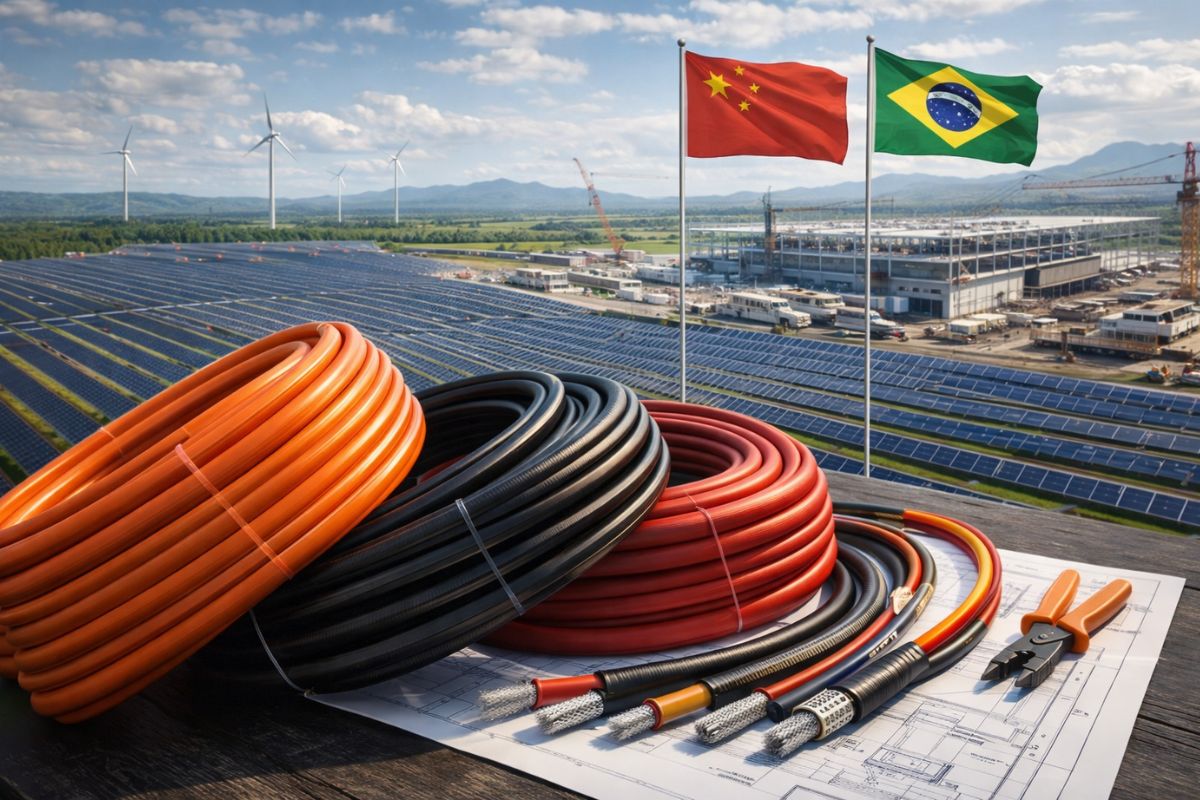
Chinese giant worth nearly R$ 4 billion that manufactures cables for electric cars, solar energy, and robotics wants to open a factory in SC.
-
Many employers do not know, but the law guarantees domestic workers a 25% increase in salary during trips, 50% for overtime, 20% for night shifts, and 17 additional benefits that can lead to labor lawsuits if not paid.

-
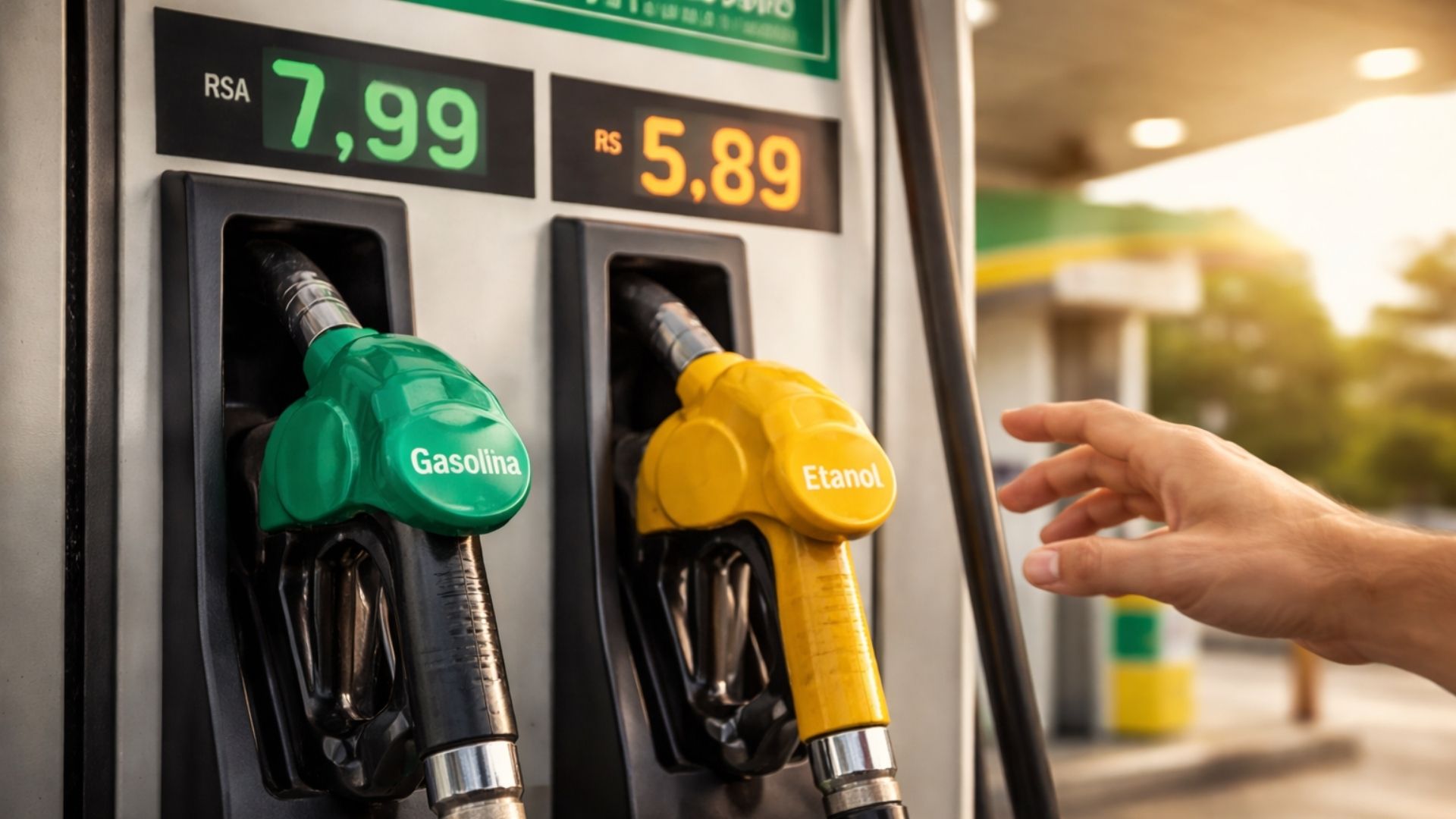
Gasoline prices soar and the question arises: is ethanol more advantageous? The 70% rule reveals the limit with gasoline.
-
The government has made a decision and is starting a test with more ethanol in gasoline, anticipating a mixture of up to 35%, diesel with 25% biodiesel, and a study to assess the impacts on engines.

Carolina Genin, Director of Climate at WRI Brazil and coordinator of the study, said to Estadão, “In any crisis, investing in infrastructure is generally the plan A for job recovery. But Brazil has been trying to do this for 30 years. The country will need to attract private, international investment, but how will it do this without a ‘seal’ of sustainable development, without ensuring that a given project will not have socio-environmental conflict?”
In the industrial sector, the study proposes innovating through fully sustainable technologies that can reduce fossil fuel consumption, which are the main drivers of global warming.
In agribusiness, it is proposed that the soil be used more efficiently, for example, reducing pressure on the Amazon. Another significant investment is to recover a total of 12 million hectares of pastures. The calculation is that the sector could gain R$ 19 billion in agricultural productivity by 2030.
Proposals from all sectors could reduce greenhouse gas emissions in Brazil by 42% by 2025, compared to 2005. Another point the study considered is that in Brazil there are several policies that can pave the way for a green economy.
“We clearly showed that if Brazil opts for the transition to a low-carbon economy (i.e., one that emits less greenhouse gases, which cause global warming), for a green recovery, this will not be a disruptive process. It will not harm the main sectors of the economy. On the contrary, it will make them more productive and efficient than today,” reported Carolina Genin.
The Director of Climate at WRI Brazil also stated, “There is a window of opportunity that is closing in a few months. Recovery plans will force countries to invest a lot of money in this. If we ‘marry’ the wrong technology, that will last for the next 30 years. It is necessary to think about the best plans to avoid misusing these resources.”
She bases this on investments in transportation. “If we are going to think about having more buses, let them be electric. It’s an environmental issue, but it’s also a discussion to make the economy more competitive.”






Seja o primeiro a reagir!