





 Portuguese
  English
  Spanish
  5 min of reading
  1 comment


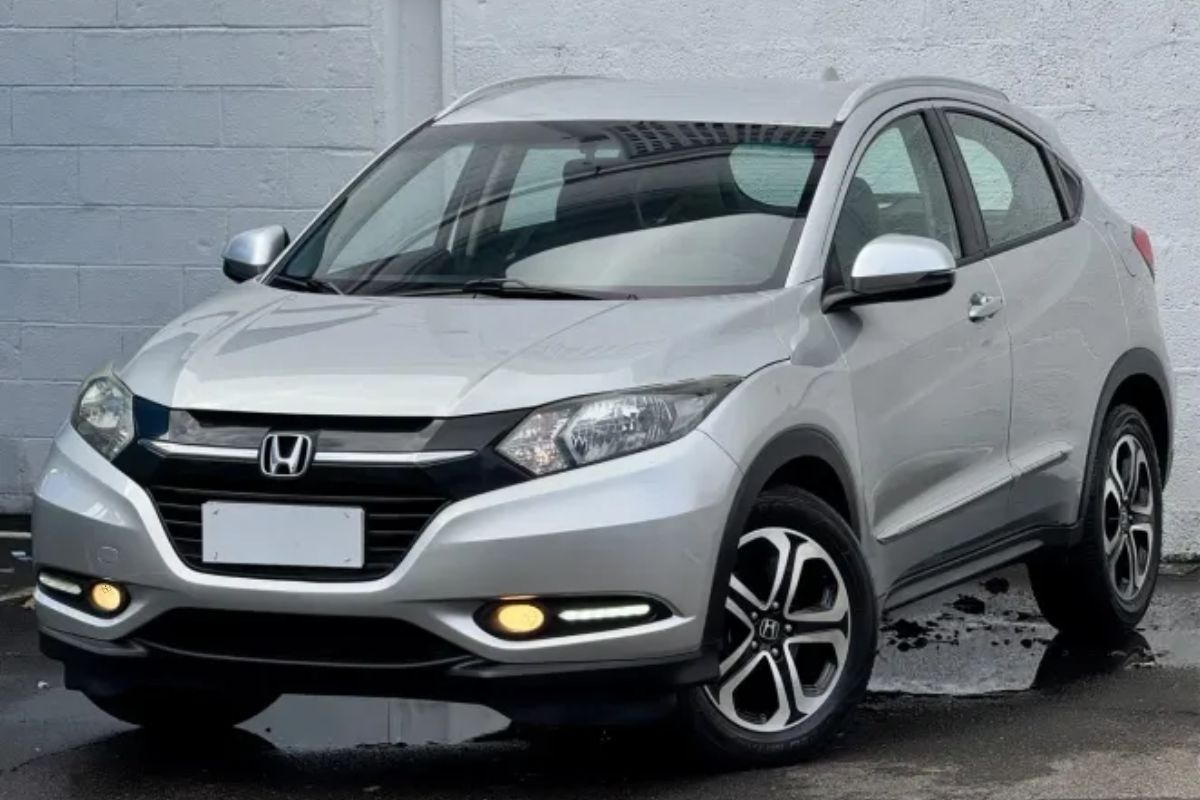


Hyundai Creta 2017 and Honda HR-V 2015/2016 Stand Out Among Reliable Engine SUVs, Combining Low Breakdown Rates, Controlled Costs, and Liquidity in the Used Car Market
The Reliable Engine SUVs remain at the top of the list for those in need of a car for daily use, trips, and work, without headaches in the workshop. In this price range of up to R$ 75,000, two names frequently appear among buyers and dealers: Hyundai Creta 2017 (1.6) and Honda HR-V 2015/2016 (1.8). They combine robust mechanics, available parts, and a positive after-sales history.
On the Radar for Resale, both maintain a value above the segment average, with constant demand in classified ads. The golden rule still applies: an up-to-date maintenance history weighs more than any detail of finishing. Next, what changes between them — and which makes more sense for each profile.
Why These Two? Reliability and Real Cost Criteria
We chose models with engines widely known in the independent network, without exotic solutions, and with a wide supply of components.
-
5 cheapest used cars than a Honda CG 160 Titan 0 km, with options starting at R$ 13,000 for those who want to trade their motorcycle for a car and escape the rain, sun, and risks of riding.

-
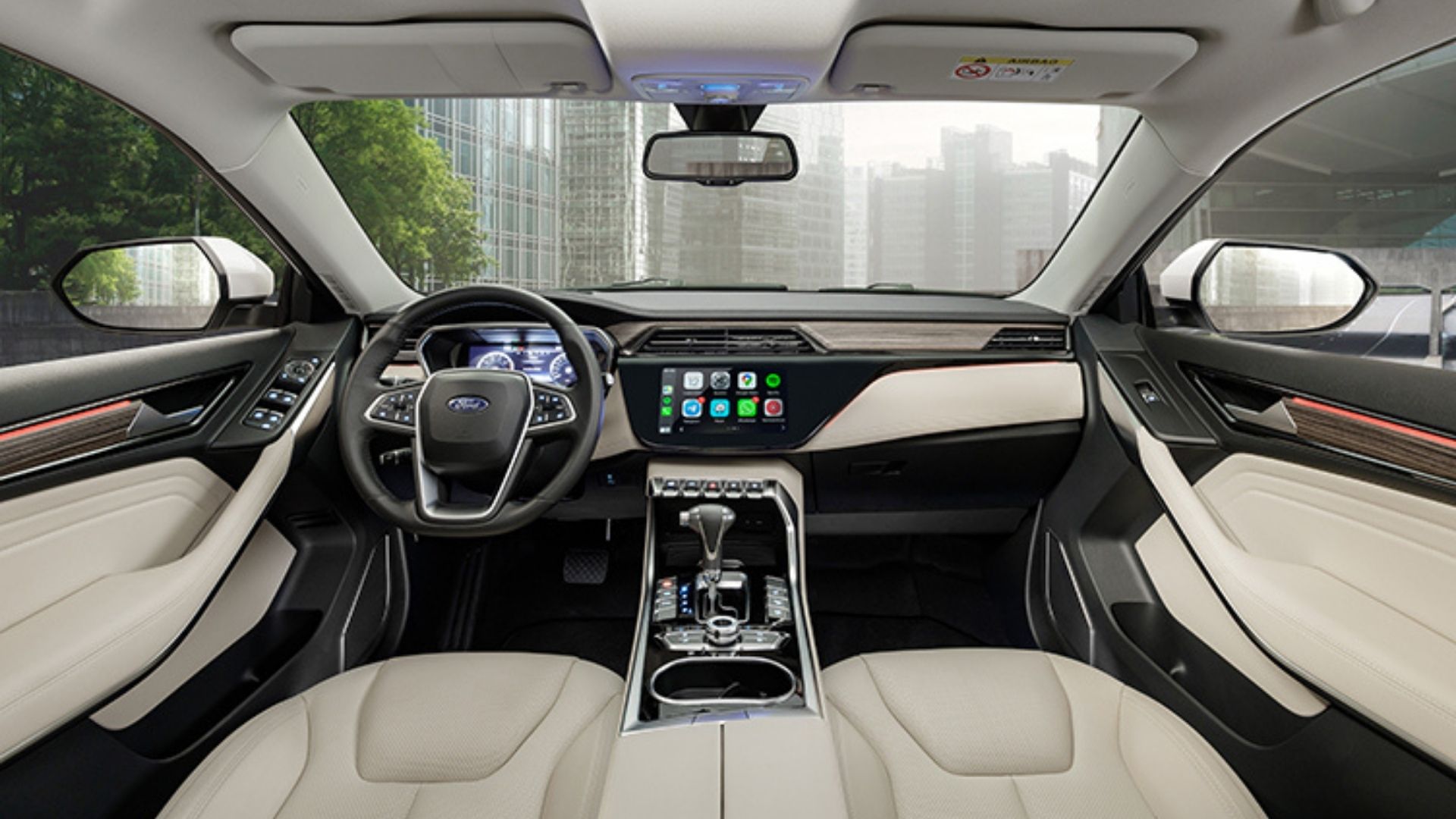
Around R$ 24,000: 4 used Ford SUVs with up to 253 hp, V6 engine, all-wheel drive, 7 airbags, panoramic sunroof, and a complete package that surprises with its price and performance in Brazil.
-
A brand new car starts at around R$ 75,000 in Brazil, but what stands out the most is seeing streets filled with SUVs and expensive sedans in a country where millions remain in debt.

-
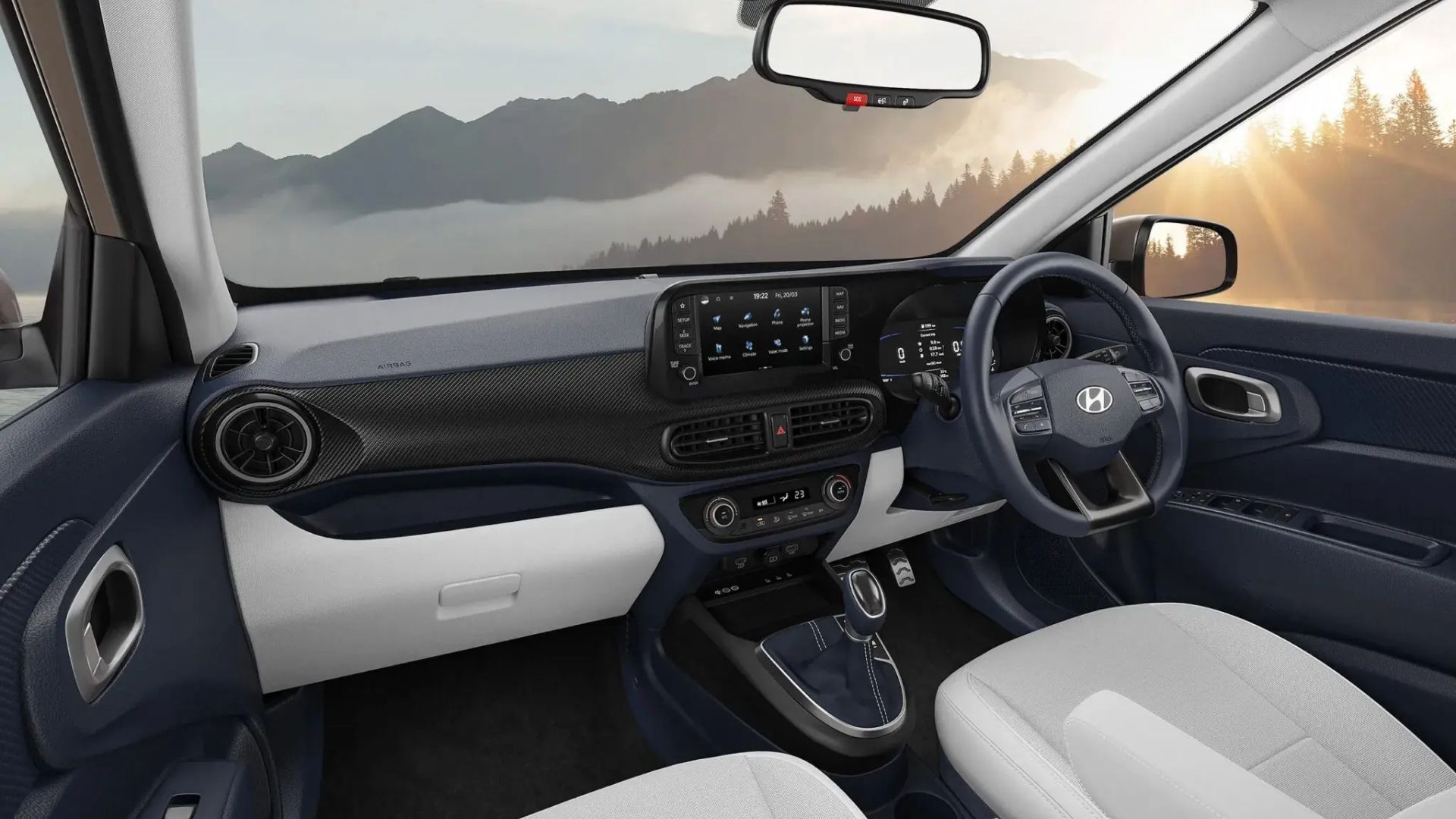
For R$ 32,000, a brand new Hyundai car is a rival to the Kwid with a 1.2 engine producing 82 hp, 6 airbags as standard, multimedia with wireless Android Auto, up to 391 liters in the trunk, and a refreshed look for 2026 in India.

In the Creta 1.6, the Gamma flex engine prioritizes simplicity, while the HR-V takes advantage of the durable 1.8 i-VTEC.
Both are known for requiring few corrective interventions when preventive maintenance is respected.
Another point was liquidity. Creta and HR-V maintain good turnover in the market, aided by a solid reputation and predominant urban use.
This reduces the risk of being stuck with the car when it comes time to sell, a detail that impacts the total cost of ownership.
Hyundai Creta 2017 (1.6): Simple Robustness That Works

The first-generation Creta debuted in Brazil in 2017 with a clear proposal: to provide reliability and space.
The 1.6 Gamma flex engine (130 hp/16.5 kgfm on ethanol) is known for its simple and robust construction.
With a manual or 6-speed automatic transmission, it performs well for daily use; during more demanding accelerations, the 1.6 may feel “short on breath,” but it compensates with predictability.
Inside, the Creta offers good space and a 431-liter trunk, suitable for families and travel bags.
The suspension tuning prioritizes comfort, effectively filtering out everyday bumps.
In terms of maintenance, it tends to be more affordable, with a wide availability of parts and well-known labor.
Point of attention: urban fuel consumption is not a reference, especially in the automatic; on the highway, it approaches rivals.
Who it’s for: drivers who value low maintenance costs, space, and urban/highway routines without hurry.
Who it’s not for: those who require more vigorous responses during frequent overtaking or are always loaded.
Honda HR-V 2015/2016 (1.8): Versatility and Durability with a Touch of Efficiency
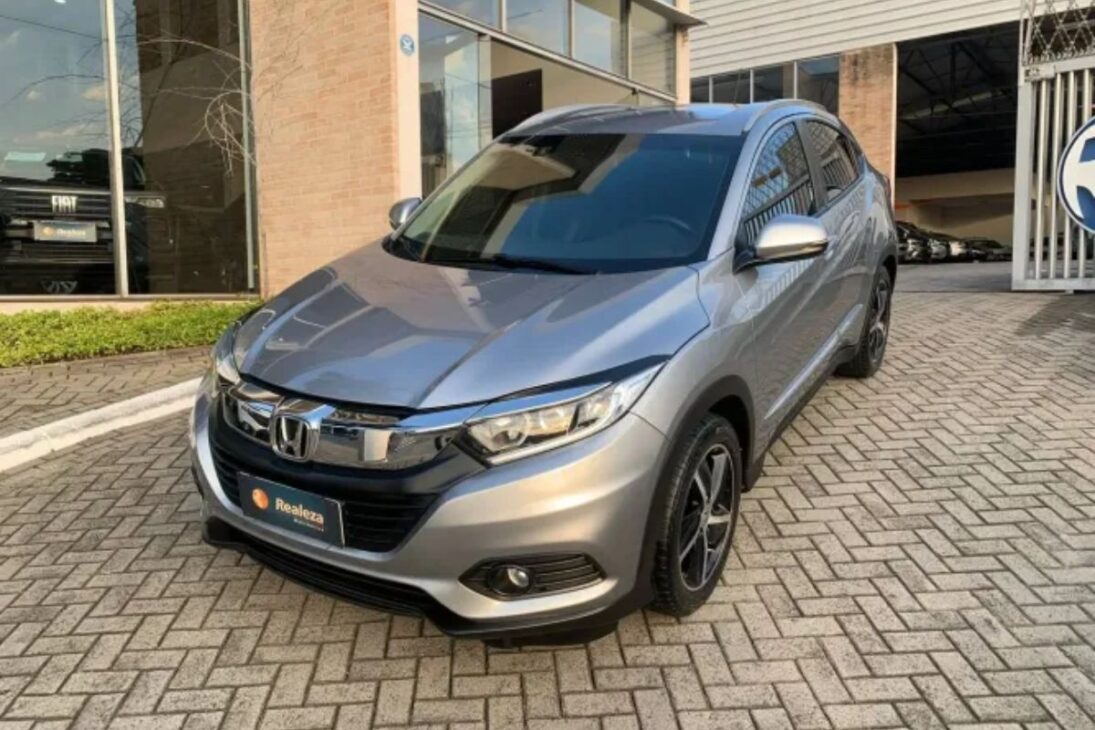
The HR-V gained the reputation of being the “mechanic’s enemy” thanks to the 1.8 i-VTEC flex (up to 140 hp/17.4 kgfm) and its robust assembly.
The CVT transmission prioritizes smoothness and fuel consumption, keeping the engine at low revs at cruising speed.
During hard accelerations, the continuous noise from the CVT is a characteristic of the system, not a defect.
The great asset lies in its versatile interior: the Magic Seat allows multiple configurations, accommodating long or tall objects without hassle.
The 437-liter trunk and the 2.61 m wheelbase enhance the feeling of space. Maintenance is usually infrequent, but original parts can cost more than those for Hyundai.
Points of attention reported by owners include the ABS module and engine mount wear (which causes vibrations), both manageable with careful review and up-to-date history.
Who it’s for: those looking for real internal versatility, more stable fuel consumption on the highway, and strong resale.
Who it’s not for: those who prefer a traditional transmission with “perceptible” shifts or want lower part costs.
Engines and Transmissions: How They Perform in Practice
In the Creta, the 1.6 Gamma with Dual VTVT variable timing is designed to last and simplify.
It’s an “unfussy” set, easy to diagnose and repair, and works well with both manual and 6-speed automatic transmissions. The calibration favors smoothness.
In the HR-V, the 1.8 i-VTEC derives from Honda’s widely used applications.
Delivered with CVT, the focus is on efficiency, favoring better consumption averages on the highway. In heavy urban use, the gain is smaller, but still competitive.
Honest summary: Creta is the “reliable rice and beans”; HR-V offers one step further in efficiency and versatility, with potentially higher part costs.
Fuel Consumption, Space, and Real Use: What to Expect
In urban cycles, the averages for Creta 1.6 and HR-V 1.8 are close, varying with traffic and air conditioning.
On the highway, the HR-V tends to have the advantage, thanks to the CVT that keeps revs low at cruising speed. If your weekly route includes highways, the Honda usually results in a slightly lower cost per kilometer.
In terms of dimensions, the HR-V is slightly larger (4,330 mm in length and 2,610 mm in wheelbase) and uses the Magic Seat to enhance usability.
The Creta (4,270 mm/2,590 mm) makes up for it with easy access to the internal cargo area and decent finishing, prioritizing what matters in daily use.
In both, four adults travel comfortably; in the HR-V, five do better thanks to the rear space.
Maintenance, Parts, and Resale: Where the Money Goes
Preventive maintenance is cheap and predictable in the Creta 1.6 — filters, spark plugs, fluids, and brake pads are widely available.
In the HR-V, the frequency is usually higher (due to the lower breakdown rate), but original parts tend to cost more.
The final math depends on the condition of the chosen unit: history, service records, and safety inspections are worth their weight in gold.
In resale, both have liquidity, with the Honda historically a step above due to perceived durability and brand appeal.
For those thinking of keeping it for two or three years, this reduces depreciation and speeds up replacement.
Which One to Take to the Garage?
If you prioritize simple maintenance, wide network, and lower part costs, the Hyundai Creta 2017 (1.6) is the logical path.
If the priority is versatility, more stable fuel consumption on the highway, and even stronger resale, the Honda HR-V 2015/2016 (1.8) makes more sense.
In both cases, the condition of the car dictates the final verdict: prioritize units with service records, without incidents, and with a 100% approved report.
Among Reliable Engine SUVs, would you choose the Creta 1.6 for its lower maintenance costs or the HR-V 1.8 for its versatility and resale? What fuel consumption average have you seen in practice? Share your experience — your feedback helps other readers decide without surprises.








Honda com certeza