





 Portuguese
  English
  Spanish
  3 min of reading
  0 comments


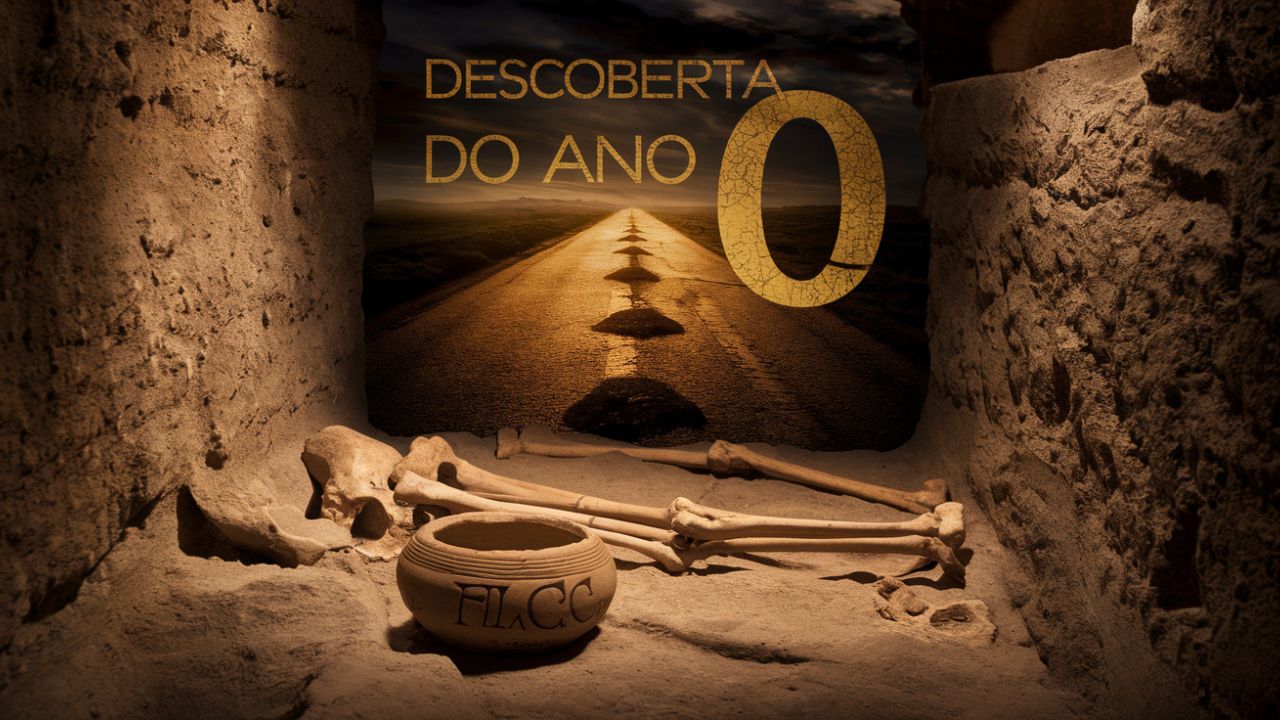
Archeological Discovery of 2,000 Years: First Remains from “Year 0” Reveal Secrets about Roman Life in the Netherlands, with Valuable Artifacts, an Engraved Bowl, and the Presence of a Sophisticated Settlement in Coriovallum.
Imagine unearthing a fragment of human history so ancient that it stretches back to “year 0.” This is precisely what happened in the Netherlands, where archaeologists found the tomb of a Roman soldier, Flaccus, during excavations in Heerlen’s central square. The discovery is a true portal to the past and offers impressive clues about the early Roman presence in the region.
The Historical Importance of the Discovery
Flaccus, identified by the name “Flac” engraved on a bowl found in his tomb, was a Roman soldier. The find is revolutionary because it is the first time that a tomb from this period reveals the name of its occupant. This detail brings humanity to the discovery, connecting the present to a specific individual who lived more than 2,000 years ago.
During the era of Augustus, the Romans expanded their borders and established permanent settlements. Flaccus likely lived in Coriovallum, an ancient urban nucleus strategically located near the famous Roman roads Via Belgica and Via Traiana. This period marks the colonization of Europe under Roman rule.
-
100% Brazilian technology transforms agricultural waste into a meat-scented ingredient using fungi from the Amazon rainforest. The process does not use excessive water or chemicals, and it also increases the nutritional value of the final product.

-
Psychology reveals that adults who avoid conflicts at all costs are not balanced individuals, but rather children who learned in the worst way that expressing emotions brought punishment and now live paralyzed by the fear of expressing themselves.

-
Goodbye pet hair on clothes: a washer with an internal filter promises to remove up to 5 times more hair than regular machines and uses an XL trap dryer system to capture what remains.

-
The most overlooked waste in the electricity bill doesn’t come from the refrigerator or the air conditioner; it escapes through almost invisible cracks in doors and windows, operating all day long and can steal up to 20% of the energy used for climate control, while a low-cost seal takes just a few hours to eliminate this loss.

What Was Found in Flaccus’ Tomb?
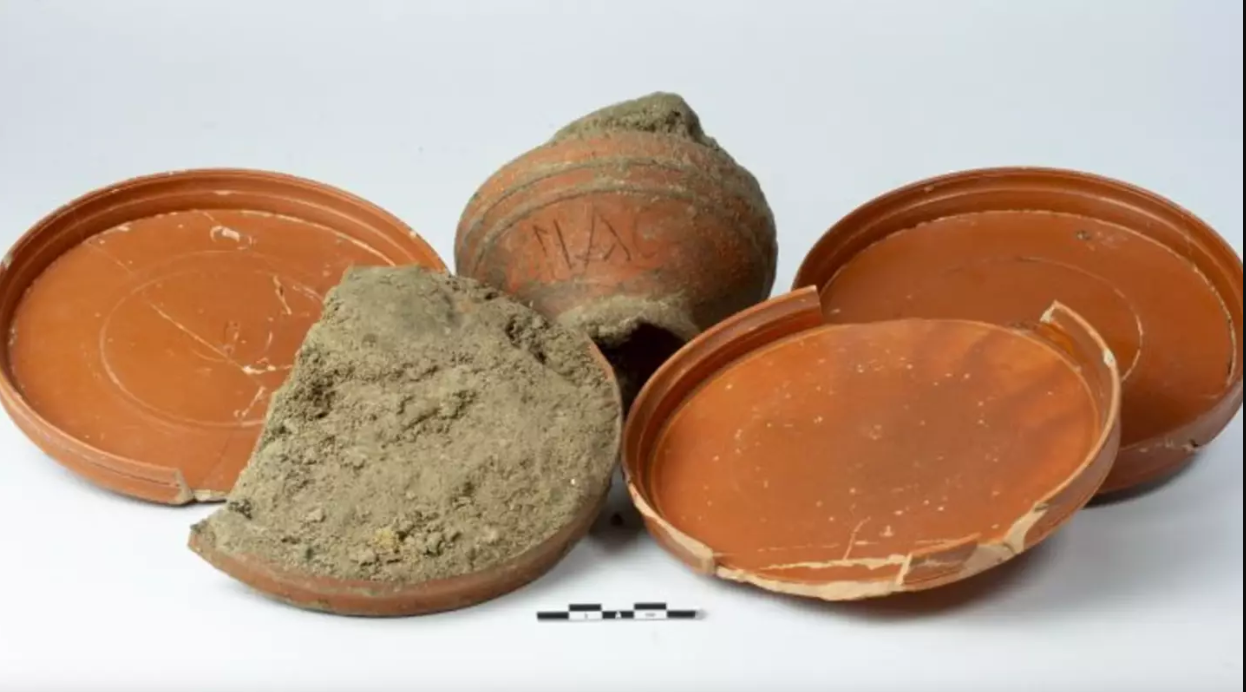
In addition to the remains, the tomb contained precious objects such as a bronze skin scraper, plates, and a ceramic bowl. The items, originating from Italy, confirm the sophistication and extensive trade network of the Roman Empire, showing how soldiers traveled with their traditions and belongings.
The most fascinating detail was the bowl with the name “Flac” engraved. This small artifact not only identified the soldier but also highlighted the significance of the find, as records with names were extremely rare during that time.
Coriovallum: An Advanced Roman Settlement
Coriovallum was not just any settlement. The presence of a Roman bathhouse, built around 40 A.D., indicates a sophisticated community center. The complex included a restaurant and even a library, proving the advanced urban planning of the Romans.
The strategic location of Coriovallum, connected by the Via Belgica and Via Traiana roads, reveals the economic and military importance of the region. These roads were crucial for the mobility of legions and trade between provinces.
Why Is This Discovery So Impressive?
Until now, finds in the area consisted of fragments of pottery or small clues of passage. Flaccus’ tomb is the first concrete evidence of a permanent Roman settlement, offering a new perspective on Rome’s presence in the Netherlands.
This discovery changes the perspective of regional archaeology. Now, researchers have physical proof that the occupation began during the reign of Augustus, between the years 0 and 20 A.D. It is a find that fills important gaps in European history.
Flaccus’ tomb is a reminder of how the past can still surprise us. By finding such rich and detailed remains, like the name engraved on a bowl, we get a little closer to those who came before us.







-

-

-

-

-

-

43 pessoas reagiram a isso.