





 Portuguese
  English
  Spanish
  3 min of reading
  2 comments


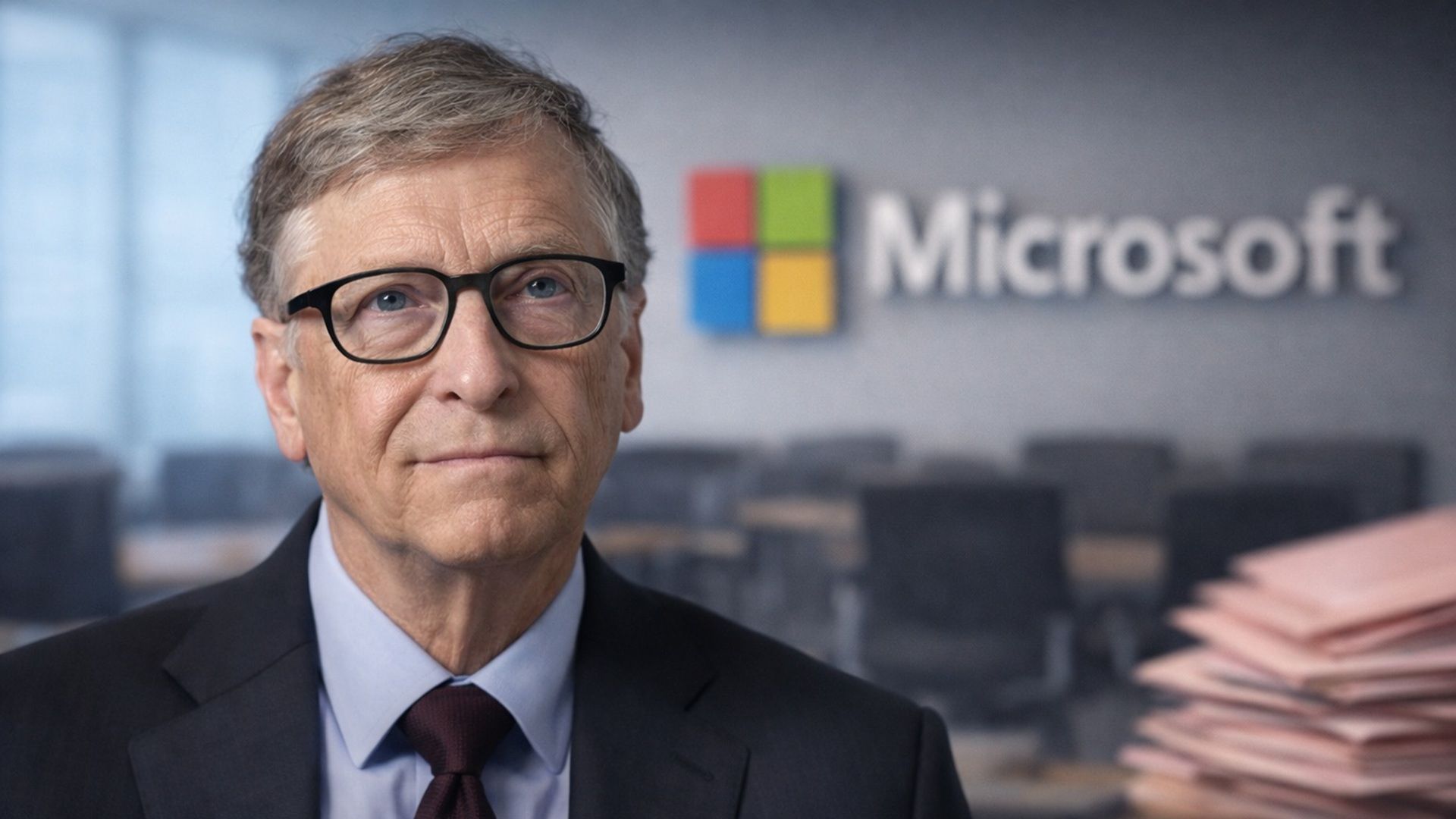


The Technology Giant Faced a Billion Dollar Loss and Cut Thousands of Jobs After Acquiring Nokia, Ending Its Mobile Telephony Strategy Launched in 2008 and Discontinuing the Lumia Line Definitely in 2016 Under Satya Nadella’s New Management
Microsoft announced in 2015 an accounting loss of US$ 7.6 billion and the cut of 7,800 jobs in its phone department. The move ends a strategy started in 2008, marking the end of direct competition with major rivals in the mobile device sector.
The technology giant revealed the alarming numbers as part of a massive restructuring in its hardware division. The disclosed financial loss exceeded the total amount paid for the acquisition of Nokia’s device division years earlier.
The purchase of the Finnish company occurred originally in 2012 and cost Microsoft US$ 7.3 billion. The operation ultimately resulted in financial losses greater than the initial investment made by the American company.
-
Chinese submersible discovers a colossal system of giant craters on the Pacific floor, previously unknown, teeming with life and so rich in hydrogen that they may help explain the origin of life on Earth.

-
A mysterious structure has been found beneath an ancient city in Egypt — and the most impressive thing is what technology has revealed hidden for 2,600 years.

-
Astronauts reveal that cities shine so brightly at night that they are visible from space as “artificial constellations,” while highways in the desert appear more than the Great Wall of China, which practically disappears when viewed from orbit.

-
A magnitude 9.2 earthquake in Alaska reshaped the coastline in minutes, sank entire cities, raised sections of the seabed by several meters, and left one of the fastest geographical transformations ever recorded on Earth.


In addition to the layoffs announced in 2015, the corporation had already cut 12,500 jobs in 2014. These cuts specifically affected the division inherited from Nokia after the merger of operations.
Strategic Reassessment and Activity Termination
CEO Satya Nadella stated at the time that the corporation needed to reassess its approach in the phone market. The leadership’s decision culminated in the definitive end of the Lumia line in 2016.
Nadella explained the transition from a strategy focused on independent phone businesses to a broader Windows ecosystem. The administrative focus shifted to creating and strengthening a family of in-house devices.
According to the executive, the short-term goal was to manage a more effective and focused phone portfolio. In the long term, the company sought to maintain its ability to reinvent itself in the corporate mobility area.
Project Origin and Competitive Difficulties
Former CEO Steve Ballmer led the purchase of Nokia to integrate the Windows Phone system with the manufacturer’s hardware. The main goal was to compete with technologies launched by companies like Apple and Google.
Microsoft faced severe difficulties in maintaining competitiveness in light of the plethora of technological innovations from rivals. The company ultimately lost more financial resources than the amount spent on the original acquisition.
The project officially began in 2008 when Microsoft announced the development of its own phone. The software necessary for the operation of the devices was successfully completed only in 2010.
Lumia Line Features and Market Reception
The Lumia series devices allowed users to access applications identical to those on Windows computers. This included essential productivity programs like Microsoft Word, Excel, and PowerPoint.
With features and functions similar to those of a basic laptop and a touchscreen, the phone gained some popularity. The sleek design attracted consumers interested in working from anywhere.
However, the device struggled to keep up with frequent updates and new releases from Apple and Google. The series released only nine phones in total before being discontinued by management.
A tenth model in the line was about to be launched when production was halted. User reviews were mixed, citing slowness in the software and constant crashes during use.
Later Attempts and Industry Comparisons
After the failure of the Lumia line, the company attempted to enter the market with the Surface Duo. The smartphone operated with the Android operating system and featured a dual touchscreen.
The announcement of this new device occurred on October 2, 2019, with an official launch on September 10, 2020. The product was part of the Microsoft Surface hardware family.
This new option was also discontinued in 2023, after the launch of the Surface 2 model in 2021. The history points to ongoing difficulties for the company in establishing itself in the sector.
The situation is comparable to Apple’s, which spent US$ 1 billion a year for a decade on a product that was never launched. Microsoft, however, faced public losses with products that made it to market.








A Microsoft só faz ****, o tempo todo.
Eu fico embasbacado como um empresa desse tamanho consegue criar tanto produto inútil, que ngm quer e depois sumir com tudo num enorme buraco negro de prejuízos.
Esperar o que desses caras, que entregam o mesmo sistema em baixo do capô desde 1998.
Matéria cheia de informações erradas.