





 Portuguese
  English
  Spanish
  3 min of reading
  0 comments


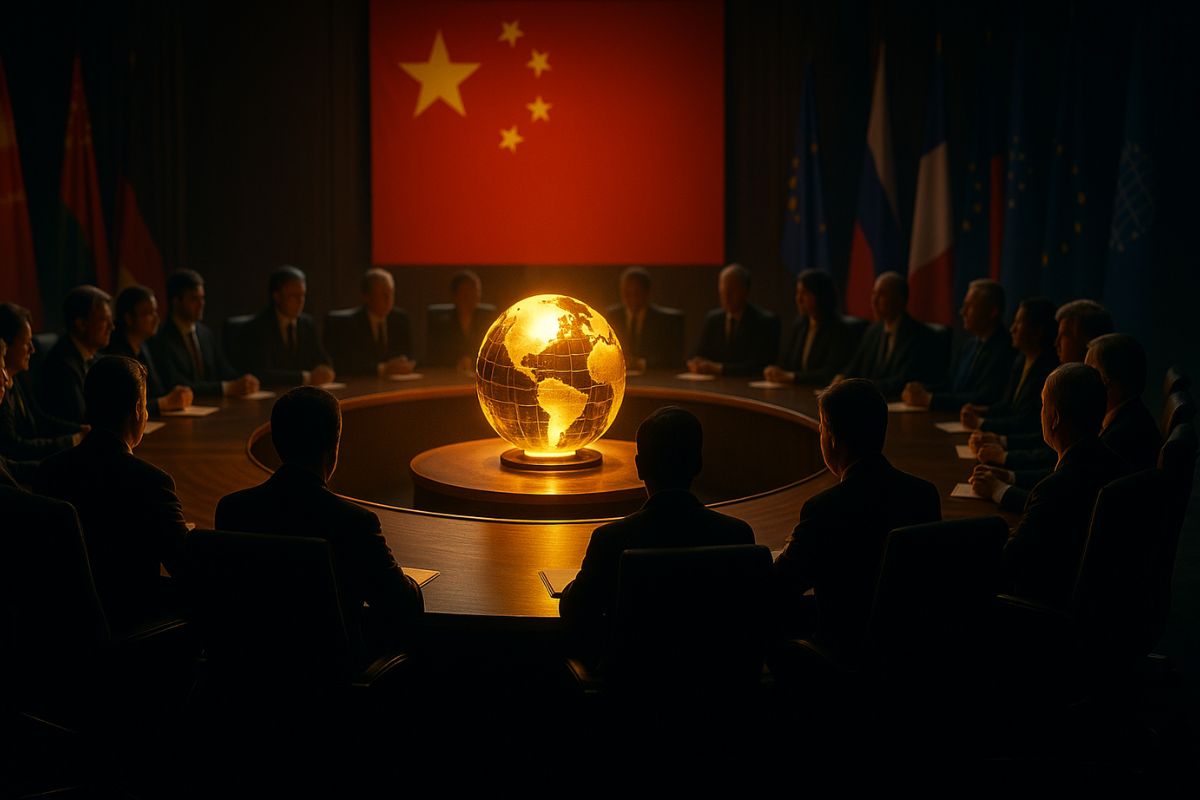
China Launches Strategic Proposal With Support From Russia, India, And Other Countries, While U.S. And Europe See Risk Of Losing International Influence.
The news that 20 leaders support the Global Governance Initiative (GGI), presented by China in September, has stirred the diplomatic landscape. According to Correio do Estado, the proposal was announced by Xi Jinping during a meeting of the Shanghai Cooperation Organization Plus (SCO+) and included powers such as Russia and India, along with discussions about the possible entry of North Korea.
The initiative comes at a time of increasing tension between the United States and several emerging nations, marked by rising trade tariffs and sanctions.
In this context, China seeks to position itself as an alternative global leader, promising a model of more inclusive and multipolar governance, capable of challenging structures like NATO and G7.
-
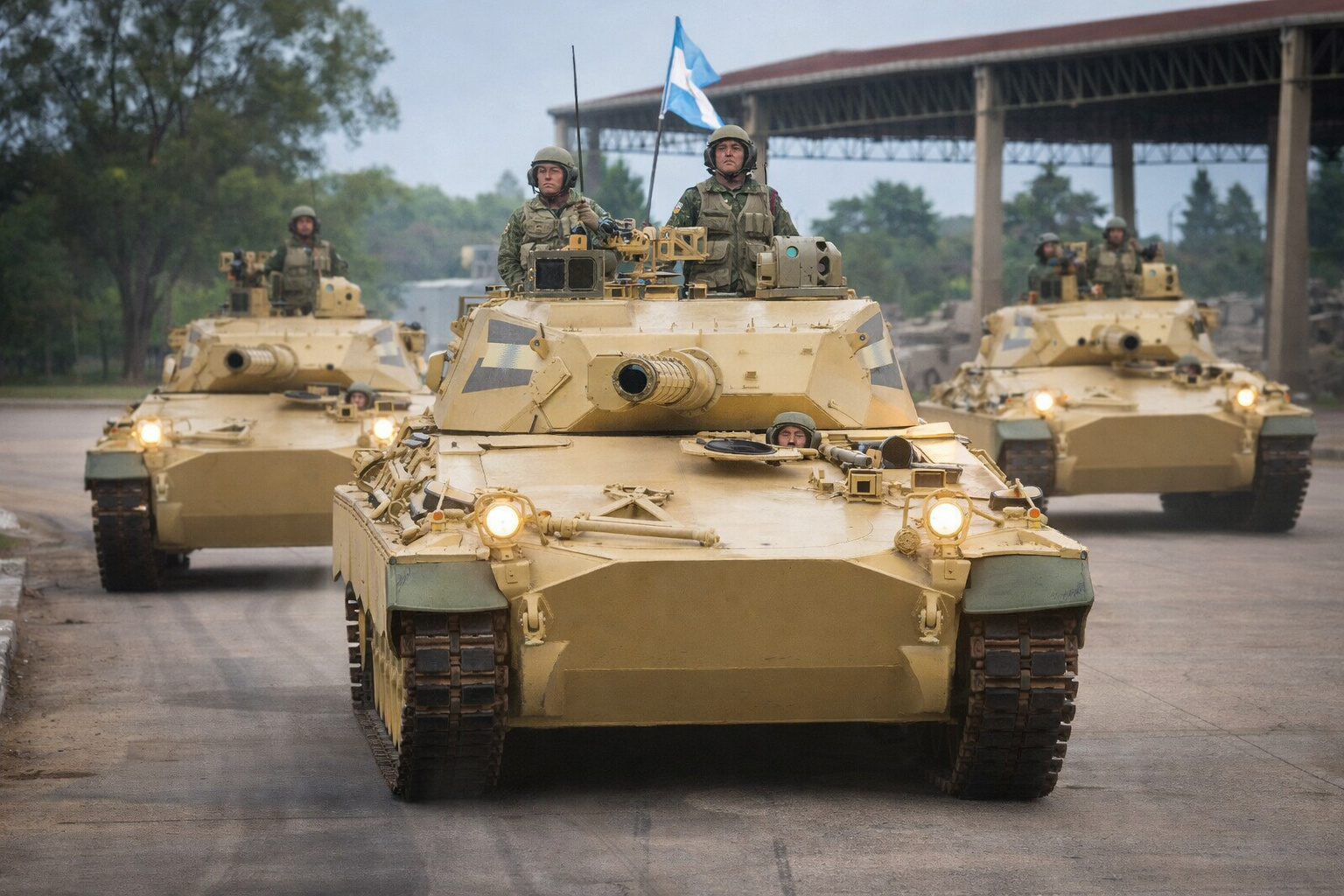
While no other country manufactures tanks in Latin America, Argentina activates the TAM 2C-A2 and raises a curiosity about the technological lag in the region.
-
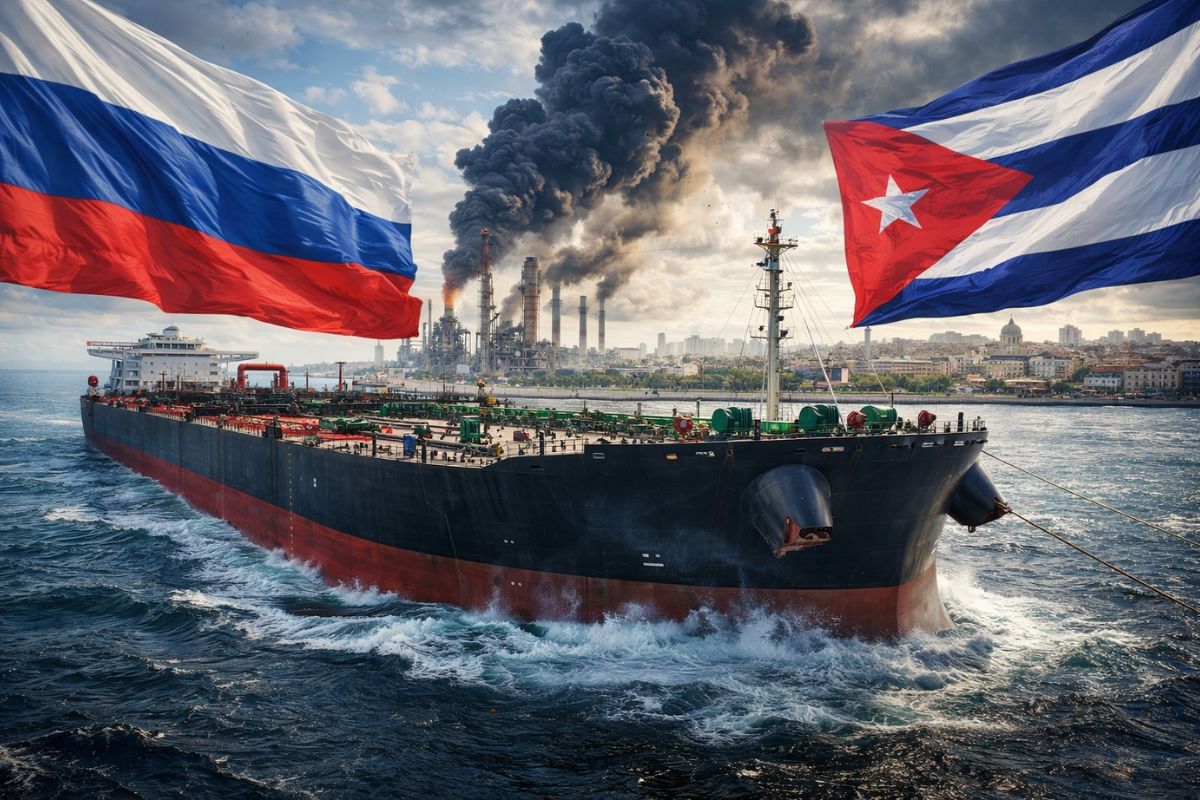
A Russian ship with 730,000 barrels of oil has just arrived in Cuba while Mexico negotiates fuel sales through private companies: the communist island is desperately seeking alternatives after losing its supply from Venezuela due to American military action.
-
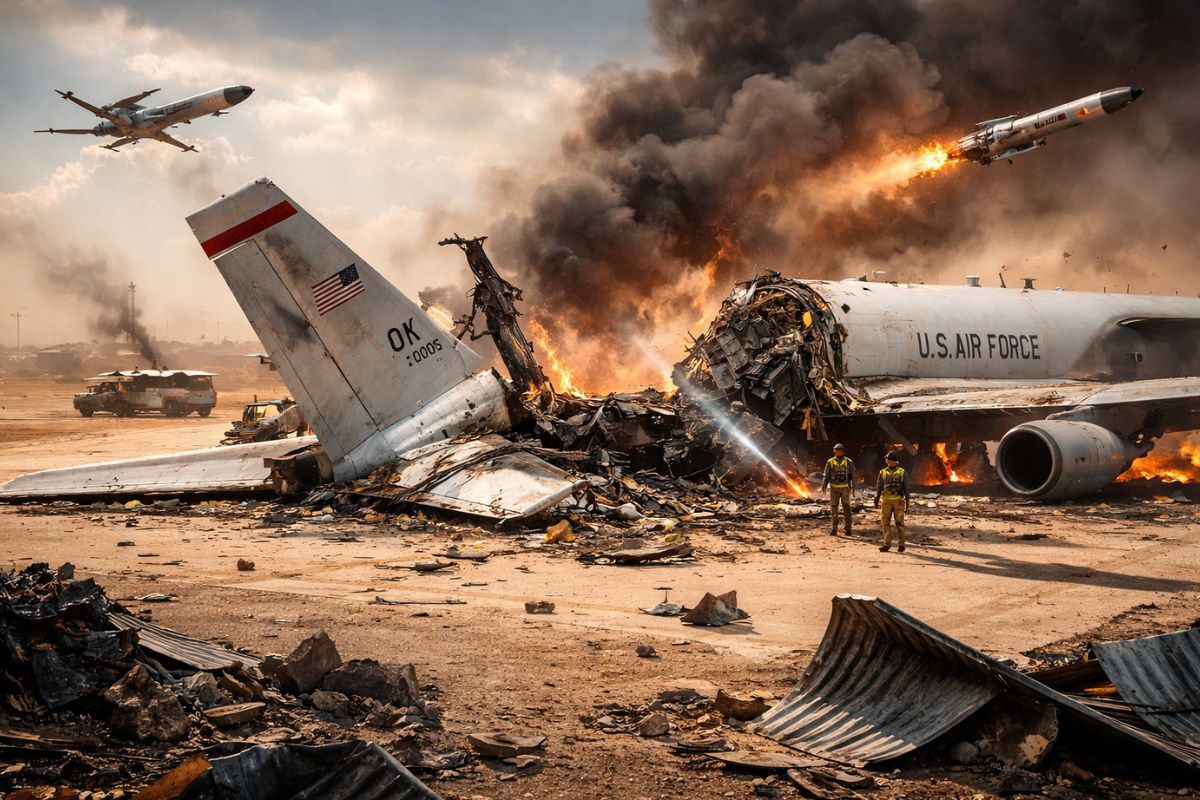
Iranian drones and missiles destroyed a 270 million dollar American spy plane in Saudi Arabia, splitting the E-3 Sentry aircraft in half and injuring 12 military personnel in an attack that exposes the vulnerability of U.S. bases in the Persian Gulf.
-
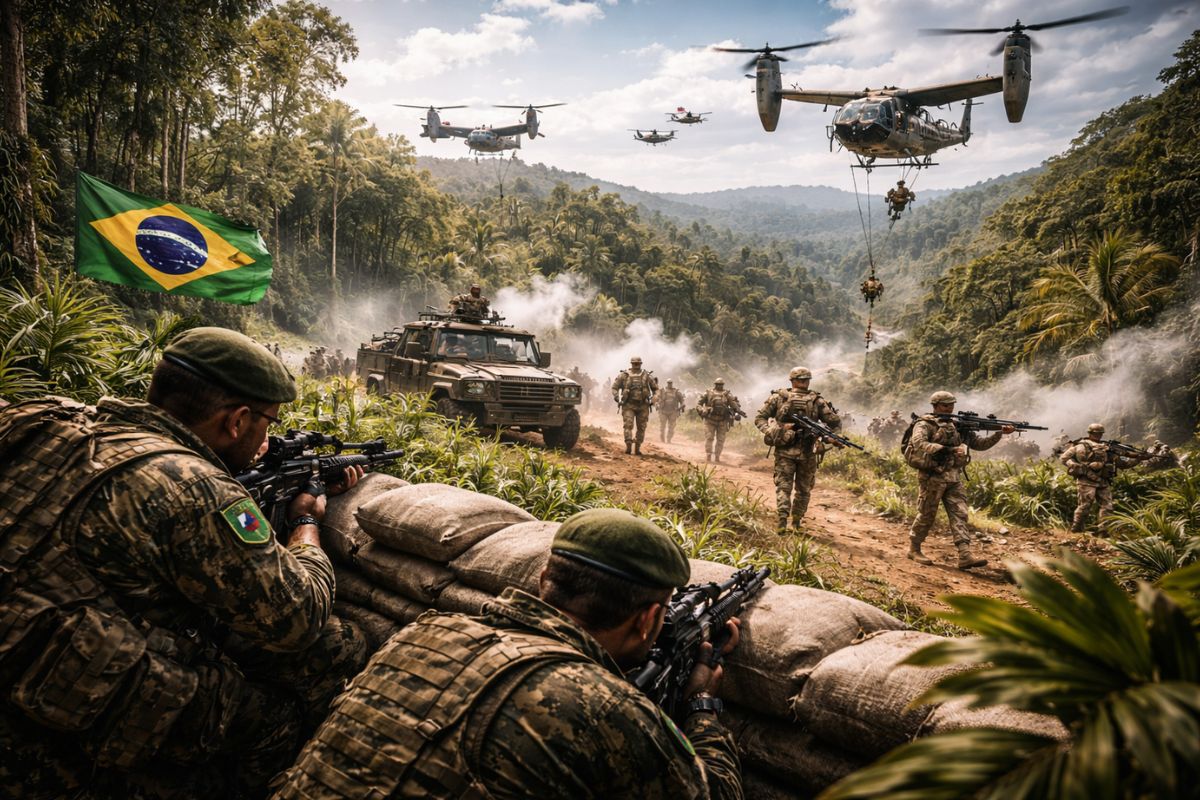
If the USA were to go to war with Brazil, Washington’s greatest fear would not be the attack itself, but facing a vast territory, prolonged resistance, and a costly, chaotic, and unpredictable occupation.

What China Proposes With The GGI
Xi Jinping’s proposal goes beyond diplomatic rhetoric. It is described as a strategic project to reshape the global order. Key points include:
- Peaceful coexistence: all countries, regardless of economic or military power, should have an equal voice in global decisions.
- Democratization of international relations: give more space for developing nations in multilateral forums.
- Rejection of protectionism: direct criticism of economic sanctions and trade barriers imposed by Washington.
In his speech, Xi emphasized that global governance is at a “historic crossroads”, comparing the current moment to transition periods after major wars.
The Military Message Behind The Diplomacy
Shortly after presenting the GGI, China held a military parade in Tiananmen Square in Beijing, celebrating the 80th anniversary of the end of World War II.
The event showcased new strategic capabilities of the Chinese military, including nuclear intercontinental missiles, extra-large underwater drones, laser weapons, and next-generation stealth fighters.
Experts interpreted the parade as a show of strength coupled with diplomacy, indicating that Beijing intends to back its global proposals with advanced military power.
What Concerns The U.S. And Europe
The support of 20 leaders for the initiative puts pressure on traditional institutions dominated by the West.
The European Union and the United States fear that the GGI could become a “parallel forum”, capable of redefining standards of trade, technology, and security without following the rules established by the UN, NATO, and G7.
Analysts believe that this movement could create a new axis of global power, centered on China, Russia, and India, with a direct impact on supply chains, technology investments, and military policies. For the West, this advance poses a risk of losing prominence.
The Future Of The Global Governance Initiative
The challenge now is to determine whether the GGI will gain practical strength to consolidate itself or if it will remain limited to political statements.
For the countries that joined, the initiative symbolizes the chance to gain more space in international decision-making. For critics, it may be just a diplomatic strategy without a solid institutional structure.
The fact that 20 leaders support the Chinese proposal shows that there is fertile ground for alternatives to the Western model of governance. But the outcome is still uncertain: will the GGI manage to become a new parallel UN or will it remain merely a forum for speeches?
And you, do you believe this movement can really reshape the global order or is it just another game of diplomatic power?
Leave your opinion in the comments; we want to hear your analysis on this global scenario.






Seja o primeiro a reagir!