





 Portuguese
  English
  Spanish
  5 min of reading
  2 comments


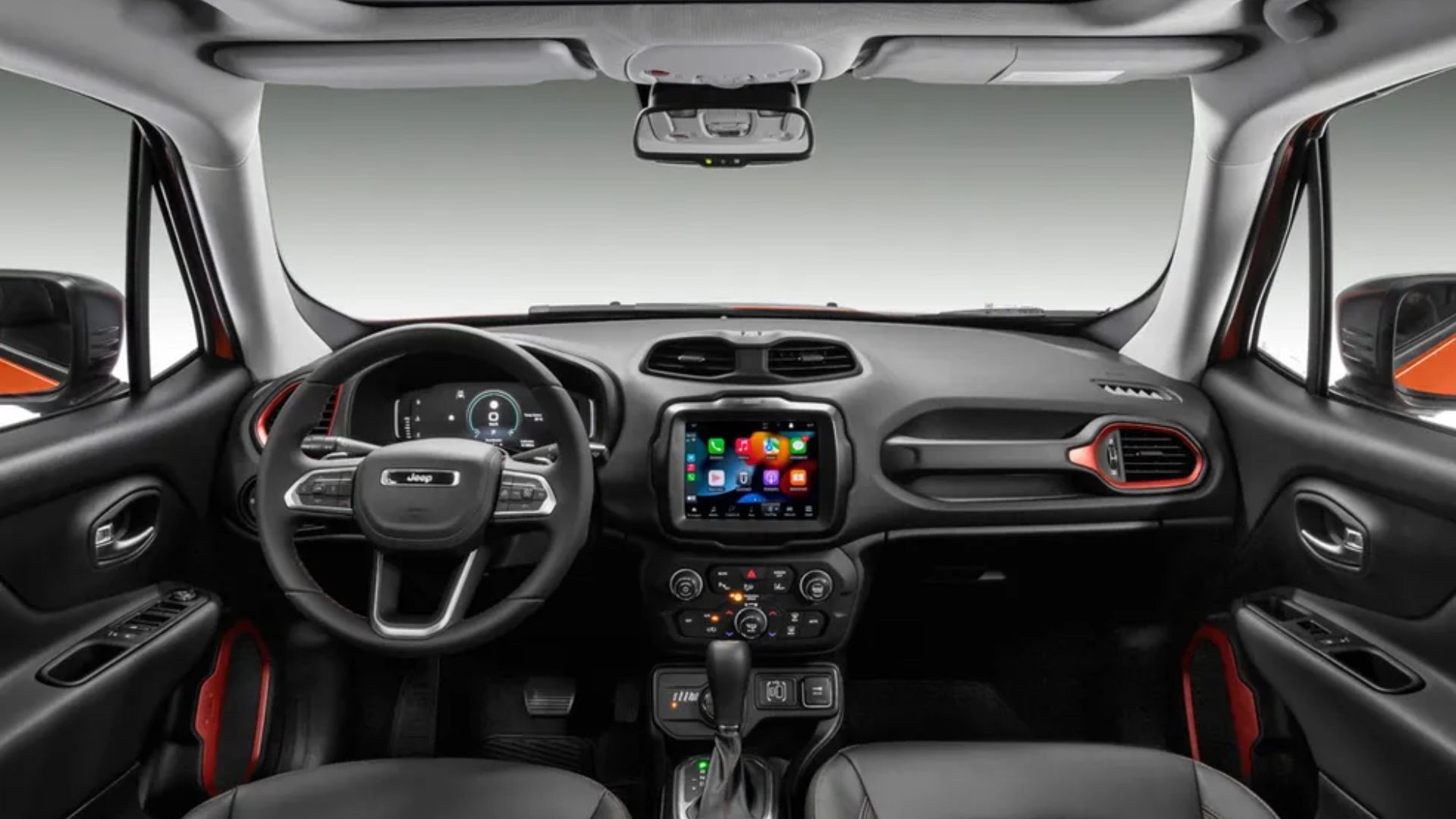


New Jeep Renegade Arrives With Electric Version, Unique Platform, and Reinforced Retro Visual, While the Current Model Receives Hybrid Update in Brazil.
After a decade as one of the most recognized compact SUVs on the market, the Jeep Renegade is preparing to gain a new generation, with a unique platform, an electric version with around 240 hp, and an estimated range of 480 km, while maintaining the square style and the brand’s traditional 4×4 DNA.
At the same time, the current generation will remain in line in markets like Brazil with a hybrid facelift and a E-DCT dual-clutch automatic transmission expected for 2026.
STLA Small Platform and Preserved Dimensions
The head of product planning for Jeep in Europe, Marco Montepeloso, revealed that the successor to the Renegade will not have radical size changes compared to the current model.
-
The car stored for 38 years: when opening the barn door, what appears is breathtaking and looks like a scene from a movie!

-
Fiat works miracles in the Brazilian market, lowers the price of its 0 km hatch to R$ 69,990, reestablishes the model as the cheapest car in the country, and reignites the battle against Kwid and C3.
-
Chevette with cooking gas: How the gas cylinder ends up being used in cars clandestinely and why this makeshift solution can result in leaks, explosions, damaged engines, and seized vehicles.

-
Fiat launches the new 2027 Toro hybrid with 48V, 176 hp, an electric motor of 15.5 hp, a 0.85 kWh battery, up to 7% fuel savings, 8% fewer emissions, and possible exemption from IPVA.
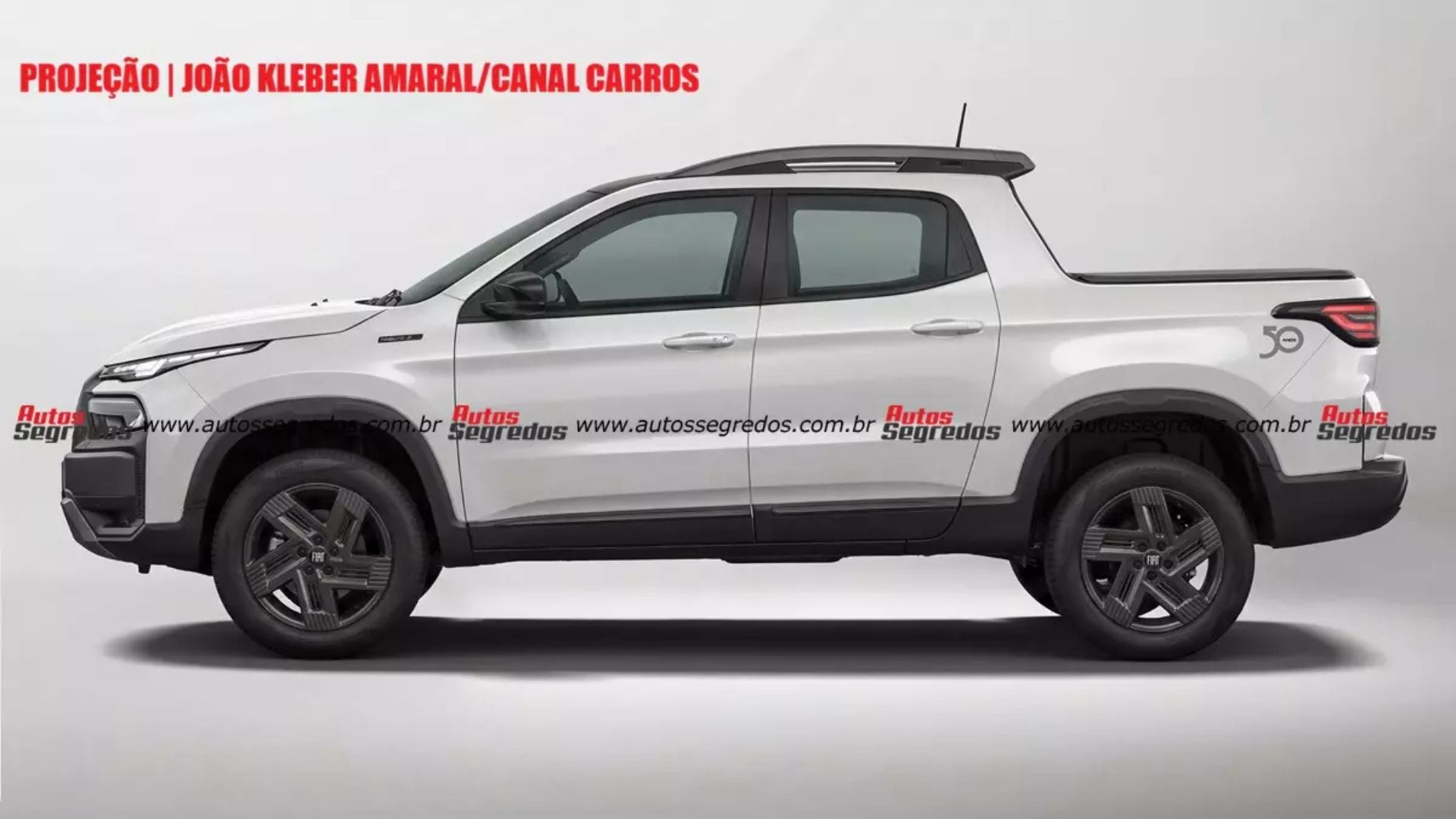

The proposal is to preserve the compact size that made the SUV recognizable, but with better internal space utilization.
Currently, the Brazilian Renegade measures about 4.26 meters in length, has a 2.57 m wheelbase, and offers 320 liters of trunk space, numbers that are below those of its main direct competitors in the compact SUV segment.
The new generation will shift to the STLA Small architecture, an evolution of the CMP platform used in Stellantis models such as the Jeep Avenger itself, replacing the Small Wide 4×4 platform.
The new base was designed to accommodate hybrid systems and fully electric versions, with gains in internal space and efficiency.
In practice, the combination of similar dimensions with a more modern platform should favor leg and knee room in the rear seat and allow for a more functional trunk than the current model, although the definitive numbers have not yet been disclosed by the manufacturer.
Coexistence With the Avenger and Distinct Consumer Profiles
Even with the arrival of the Avenger to the global lineup, Montepeloso emphasizes that the new Renegade will continue to have its own space in the Jeep lineup.

According to the executive, the Avenger targets those seeking a smaller SUV, while the Renegade remains aimed at families starting out and customers needing more versatility in their daily lives.
“This is not new. We have sold the Avenger and the Renegade together for the past three years [in Europe], and the great performance of the Avenger occurred alongside the Renegade,” the executive stated.
For him, “there is no risk of cannibalization” because both models meet distinct needs.
The Jeep Avenger measures about 4.08 m in length and has a wheelbase around 2.56 m, being smaller than the Renegade but with a larger trunk, close to 380 liters.
The model is already produced in Europe and production in Porto Real (RJ) has been confirmed for 2026, when it will serve as Jeep’s entry-level vehicle in the Brazilian market.
Retro Visual and 4×4 Identity Reinforced
In terms of visuals, the next generation of the Renegade will move away from the more fluid design language of the Compass and reinforce the retro identity that has always marked the model.
Jeep intends to maintain the square lines of the bodywork, the vertical front, and classic elements such as the seven-slot grille, bringing the urban SUV closer to the brand’s traditional off-road models.
References to historical Jeep vehicles and the electric Recon are expected to appear in bumpers, fenders, and lighting signatures.
Independent projections published by automotive design studios help to anticipate these lines, but the final design still depends on the official presentation.
The more robust style will continue to be associated with the availability of 4×4 versions, which are considered essential to maintain the brand’s positioning.
Even in the electrified variants, Jeep has reiterated that it intends to maintain at least one option with all-wheel drive and features for off-road use.
Hybrid Engines, Electric Version, and Freedom of Choice
With the adoption of the STLA Small platform, the new Renegade will have a wide range of powertrains.
Jeep has already confirmed that the lineup will include hybrid systems and a fully electric version, following the concept of “freedom of choice” endorsed by the brand to adapt to different regulations and usage profiles.
Sources associated with Stellantis’ plans indicate that the electric variant is expected to deliver around 240 hp of power and an approximate range of 480 km in the WLTP cycle.
These figures are still presented in general communications and market projections, with no definitive technical specifications disclosed.

In addition to the battery configuration, the range is expected to include combustion engines with mild hybrid systems (MHEV) and possibly plug-in hybrids.
The offering of front or all-wheel drive and different performance calibrations should vary depending on the market.
Hybrid Facelift and E-DCT Transmission in Brazilian Renegade
While the new generation has not launched yet, the Renegade produced in Brazil will undergo another update.
Starting in 2026, the SUV will receive its third facelift, with style tweaks to bumpers, grille, and wheels, in addition to internal updates to keep the product competitive until the successor arrives.
The highlight will be the new 48-volt mild hybrid system, which will be combined with the 1.3 turbo T270 engine already present in the model.
The system will include at least one electric motor integrated into the transmission and another acting as a generator, improving fuel consumption and emissions.
In this package, the Brazilian Renegade will adopt a seven-speed E-DCT dual-clutch automated transmission, a solution that will also equip the Fiat Toro pickup in its hybrid lineup.
The transmission allows for faster shifts and better utilization of the torque from the 1.3 turbo, in addition to integrating more efficiently with the electric boost from the 48 V system.
Renegade Remains Relevant in Brazil
After being discontinued in China, the United States, and Europe, the Renegade remains in production mainly in Brazil, from where it is also exported to other South American markets.
The decision to concentrate the model at the Goiana (PE) plant aligns with the SUV’s regional performance and the importance of the Brazilian market for Jeep.
In the past, the model even led the compact SUV segment in the country.
Still, it remains one of the mainstays of the national portfolio, especially after the adoption of the 1.3 turbo engine, which today delivers 176 hp and 27.5 kgfm of torque in the 2025 lineup.
With the arrival of the STLA Small platform and the transition to hybrid and electric drivetrains, the Renegade is expected to regain global prominence in the second half of the decade.
In this scenario of transformations, what will weigh more for you in choosing a compact SUV: electrification, interior space, or the off-road tradition associated with the Jeep name?







A eletrificação e o 4×4.
Até hoje não entendo porque o renegade não tem o motor 1.0 turbo do grupo. Isso fez o carro ficar muito caro e despencar em vendas. E se vende, futuro é sair de linha.