





 Portuguese
  English
  Spanish
  4 min of reading
  0 comments



Some 3-Cylinder Engines in Brazil Have Become a Headache: Oil Consumption, Vibrations, and Serious Failures Appear Before 50,000 km. See Which Models to Avoid to Prevent Losses
In recent years, 3-cylinder engines have become popular in Brazil. The promise was simple: low consumption, more technology and suitable performance for everyday urban driving.
It didn’t take long for cars equipped with this type of engine to dominate the market, especially among compact cars and entry-level SUVs. But what seemed like a perfect solution for those seeking economy has revealed a dark side.
Many of these engines, even with low mileage, are experiencing serious failures that result in high costs for owners and are flooding workshops across the country.
-
Six diseases that seem common but can prevent the renewal of the driver’s license for the elderly throughout Brazil and surprise experienced drivers — could any of them affect you without showing clear signs?

-
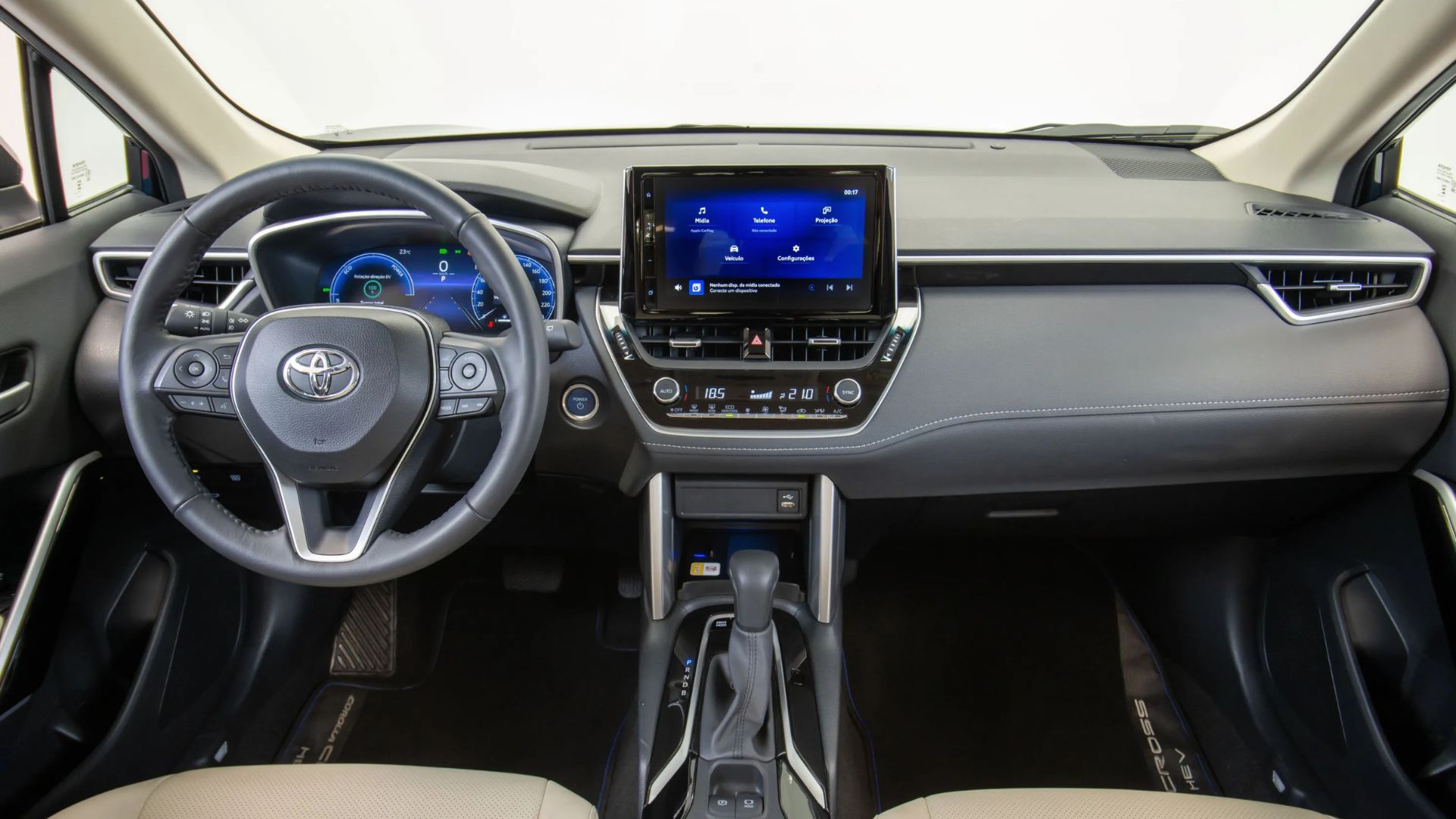
With 122 hp, fuel consumption of up to 17.7 km/l, and a trunk capacity of 440 liters, this hybrid SUV impresses even though it costs up to R$ 47,000 more than the Yaris — meet the Toyota Corolla Cross.
-
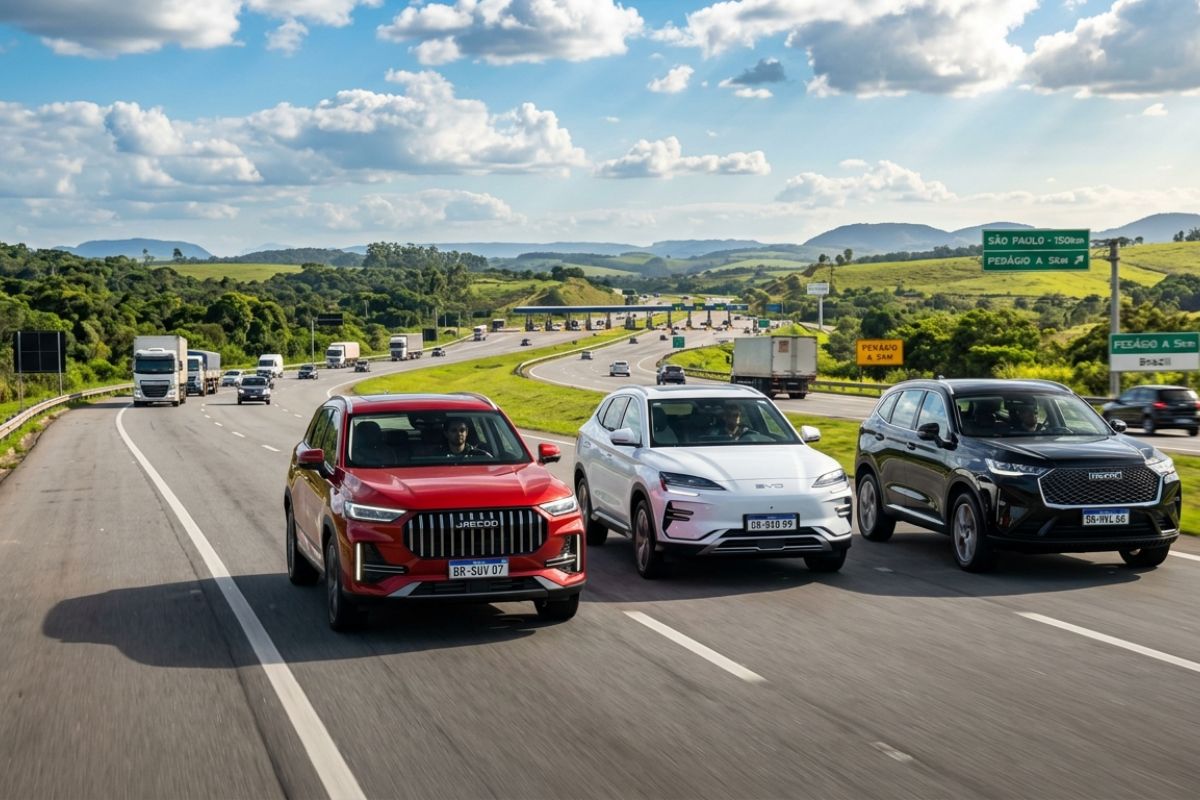
600 km with three Chinese plug-in SUVs, same mode and air conditioning on: Jaecoo 7, BYD Song Plus, and Haval H6 hit the road, and the pump reveals who was truly the most economical.
-
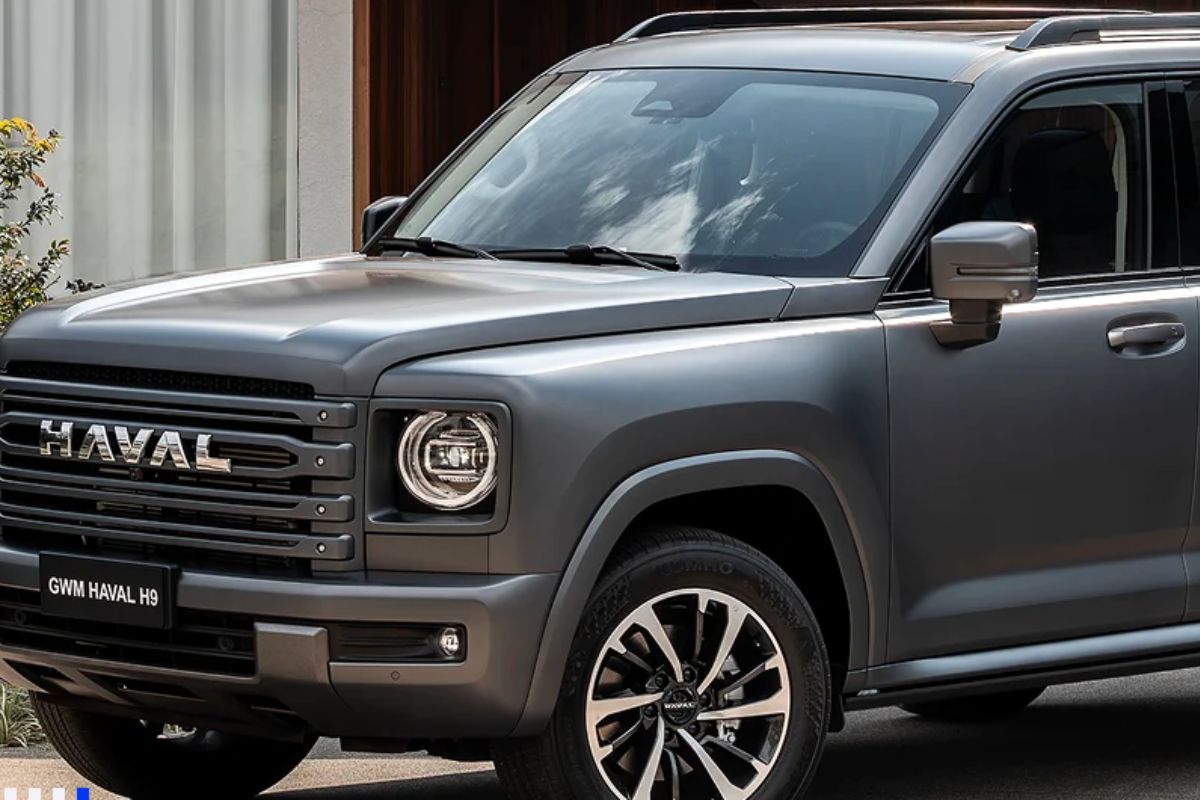
With a price almost R$ 100 thousand lower, the Haval H9 surpasses the SW4 for the first time in March, but Toyota still leads in the accumulated total for 2026; the Chinese SUV bets on technology and premium finishing to compete at the top.

Reports of excessive oil consumption, abnormal vibrations, electrical problems, design flaws, and even the need for overhauls before 50,000 km are multiplying on social media and automotive forums. The reality is that not every 3-cylinder engine combines efficiency with durability.
Below, we show some of the most problematic models that have already turned into nightmares for drivers and a true windfall for mechanics.
GM 1.0: From Favorite to Most Criticized
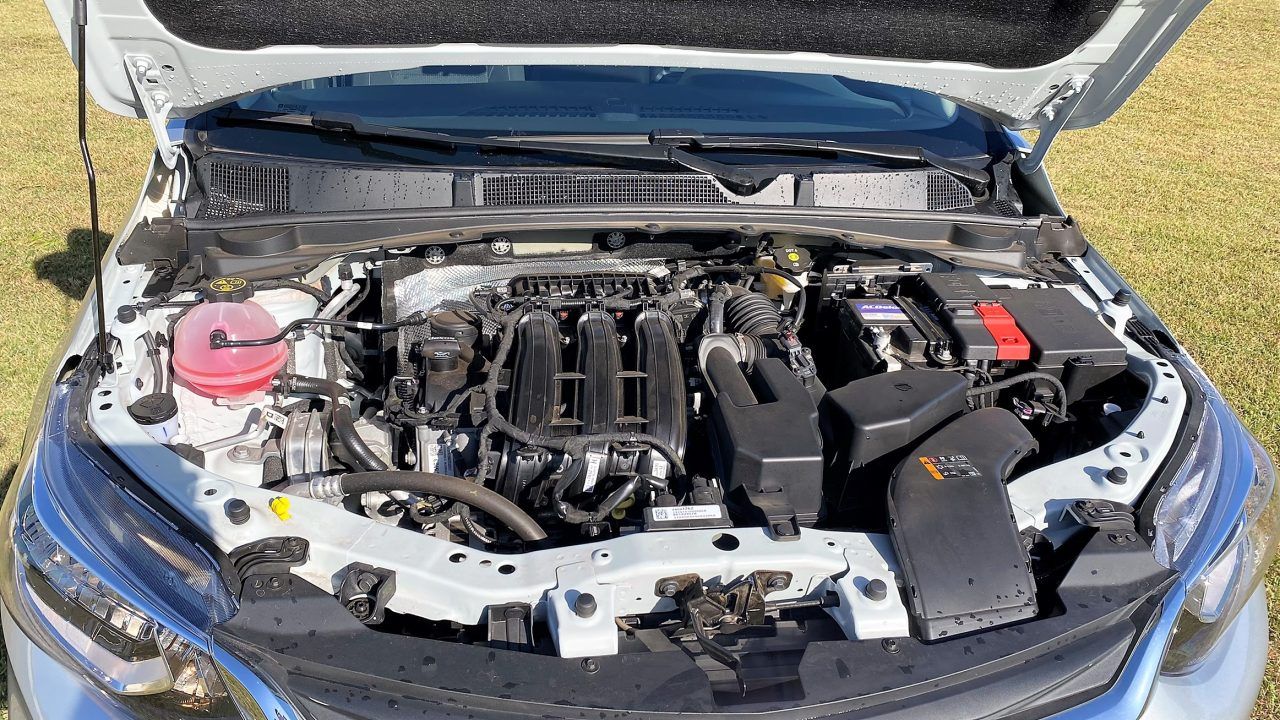
Equipping models like Onix, Prisma, and Tracker, GM’s 1.0 engine, both aspirated and turbo, quickly became one of the best-selling in the country. However, along with its popularity came a serious issue: the timing belt bathed in oil.
In theory, this system should be quieter and more durable. But in practice, the belt begins to deteriorate prematurely, releasing debris that clogs the oil pump’s pickup.
The result is a drop in lubrication pressure, which can lead to engine seizure without warning. Even drivers who strictly followed maintenance schedules ended up facing this problem.
Another weak point is the vacuum pump, made of bakelite. The material cannot withstand high temperatures and eventually degrades, suddenly hardening the brake pedal. It’s no wonder that the GM 1.0 engine has become synonymous with heightened attention.
Ford 1.0 Ti-VCT: The “Trimilique” of Workshops
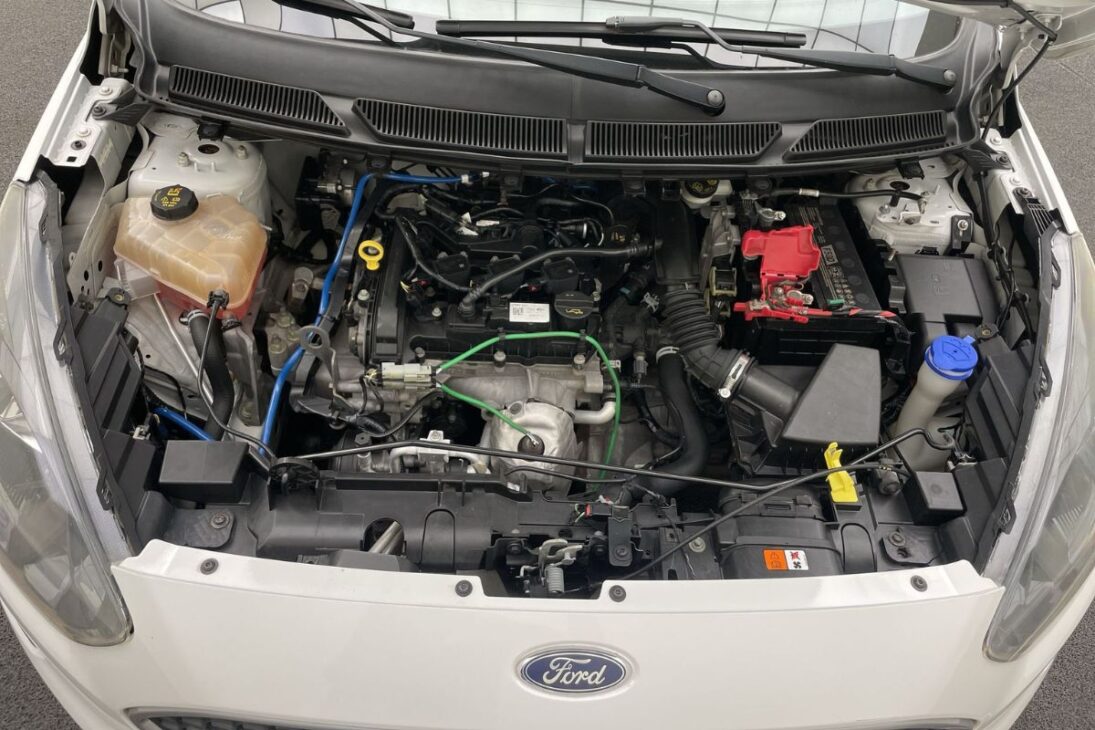
Anyone who has driven a Ford Ka with the 1.0 Ti-VCT engine knows that the car is agile and economical. The problem starts when you turn on the engine: the excessive vibration is so great that it quickly gained a nickname in workshops — the famous “trimilique.”
This shaking, besides being bothersome, creates a chain reaction: it wears out the wiring harness, causes failures in the coils, harms the throttle body, and can even displace the battery terminal.
The result is a car that seems to fall apart even after little use.
Another critical detail is the requirement for specific oil. Using lubricant outside the specification accelerates the wear of internal parts and shortens the engine’s lifespan even further.
It’s no surprise that many owners have given up the Ka due to the extra maintenance costs.
Fiat Firefly 1.0: Reliable Only on Paper
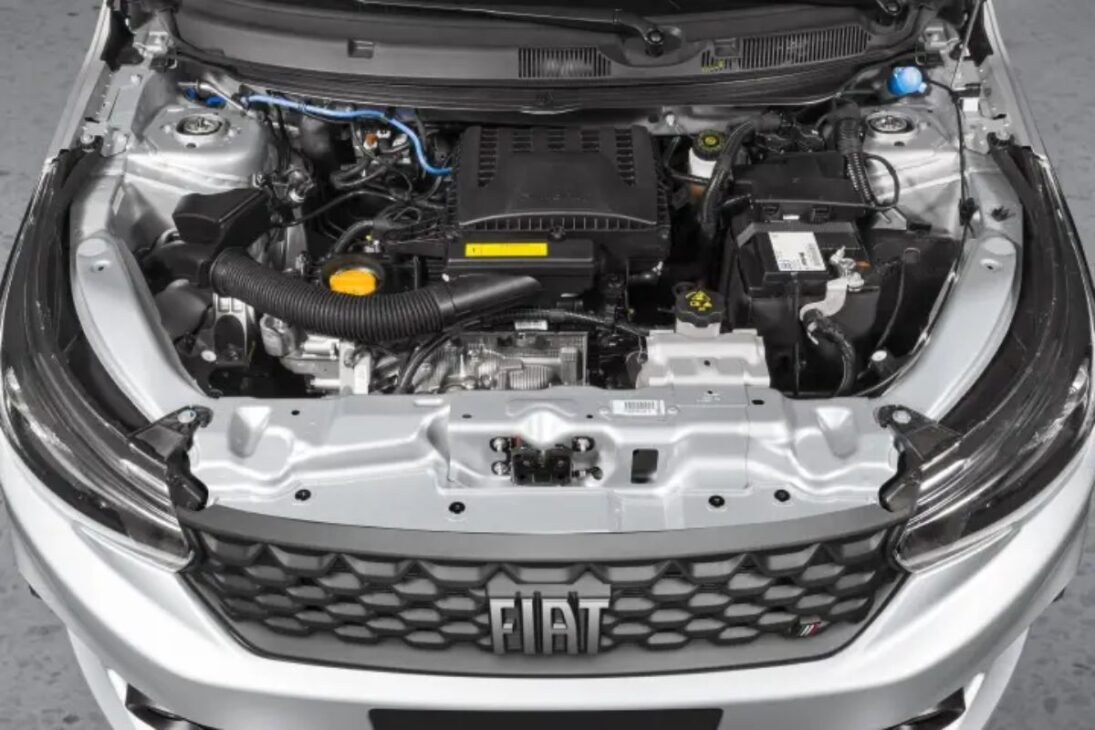
Found in models like Mobi, Uno, and Argo, the Firefly 1.0 stands out for its timing chain instead of a belt, a theoretically more robust solution. However, the project hides traps.
If the engine is rotated in the opposite direction during maintenance, the chain can skip its position. In this case, only major disassembly resolves the problem.
In addition, recurring failures in the water pump lead to mixing oil and water, confusing even experienced mechanics who mistakenly diagnose burnt gaskets.
To top it off, the engine mounts break easily and are expensive to replace. It’s not uncommon to find owners who have paid over R$ 3,000 to fix these failures.
Renault SCe 1.0: Noisy and Oil-Consuming
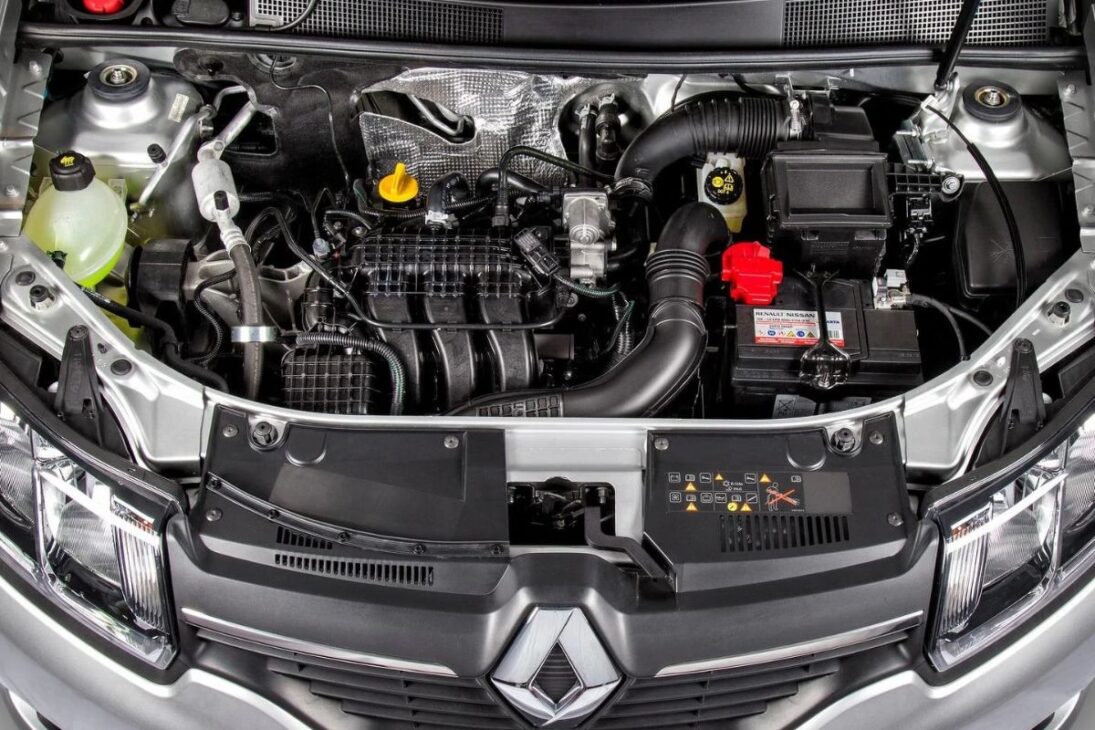
Equipping models like Kwid, Sandero, and Logan. Despite using a timing chain, the SCe 1.0 collects complaints. The premature wear of the camshaft produces a characteristic metallic noise, even in cars under 30,000 km.
Additionally, abnormal oil consumption and constant leaking from the valve cover are common. Many drivers carry extra liters in the trunk for frequent replenishment.
There are also recurring coil failures, which burn out due to excessive heat.
The result: a simple engine that turns into a box of unpleasant surprises.
PureTech 1.2: The Idea That Backfired
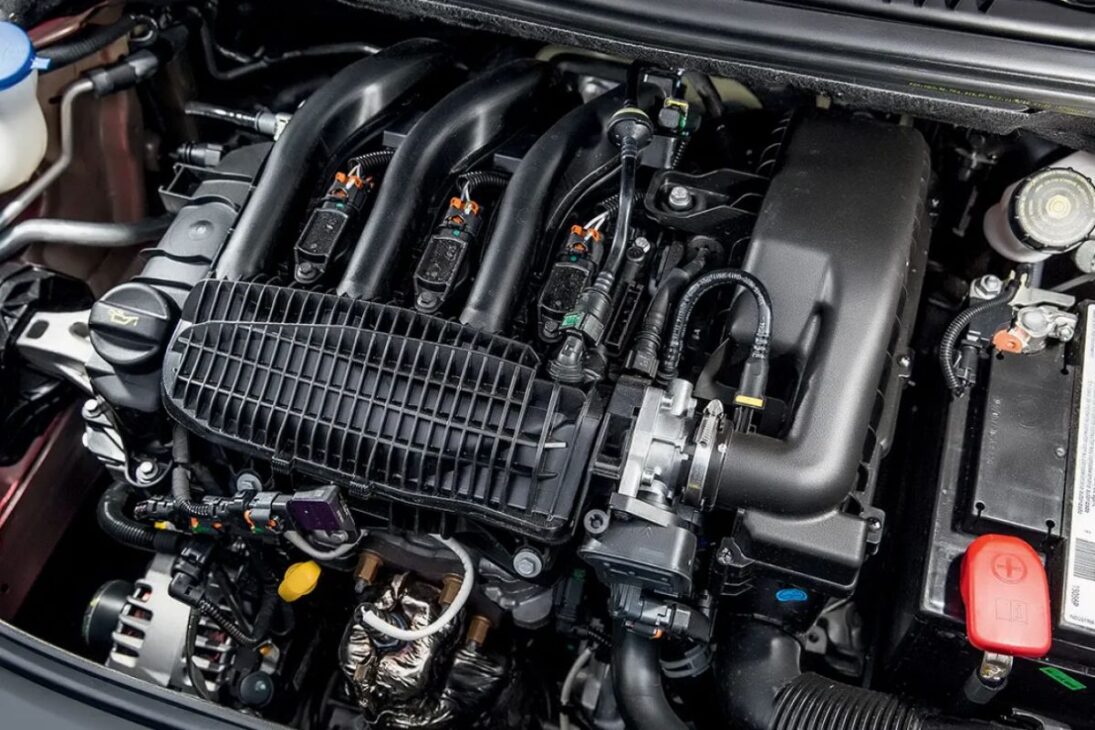
Used in models from Peugeot and Citroën like 208, 2008, and C3, the PureTech 1.2 emerged as a promise of modernity and efficiency.
But the project also suffers from the infamous timing belt bathed in oil.
The material degrades sooner than expected, releasing debris that clogs the lubrication system and causes accelerated engine wear, potentially leading to seizure.
The replacement process is also complex: the variable pulleys need to be manually “discharged,” risking the car leaving the workshop completely out of timing.
It’s an engine that demands specialized labor and very well-prepared workshops. Otherwise, losses are practically guaranteed.
Is It Worth the Risk?
Anyone considering buying a used car with a 3-cylinder engine needs to research thoroughly.
Talk to owners, follow accounts of mechanics on videos and forums, and above all, do not be swayed just by the appeal of fuel economy.
After all, a car that seems cheap to maintain can end up costing much more in repairs than in fuel. True economy is one that protects your wallet — and the owner’s peace of mind.









-

Uma pessoa reagiu a isso.