





 Portuguese
  English
  Spanish
  4 min of reading
  0 comments


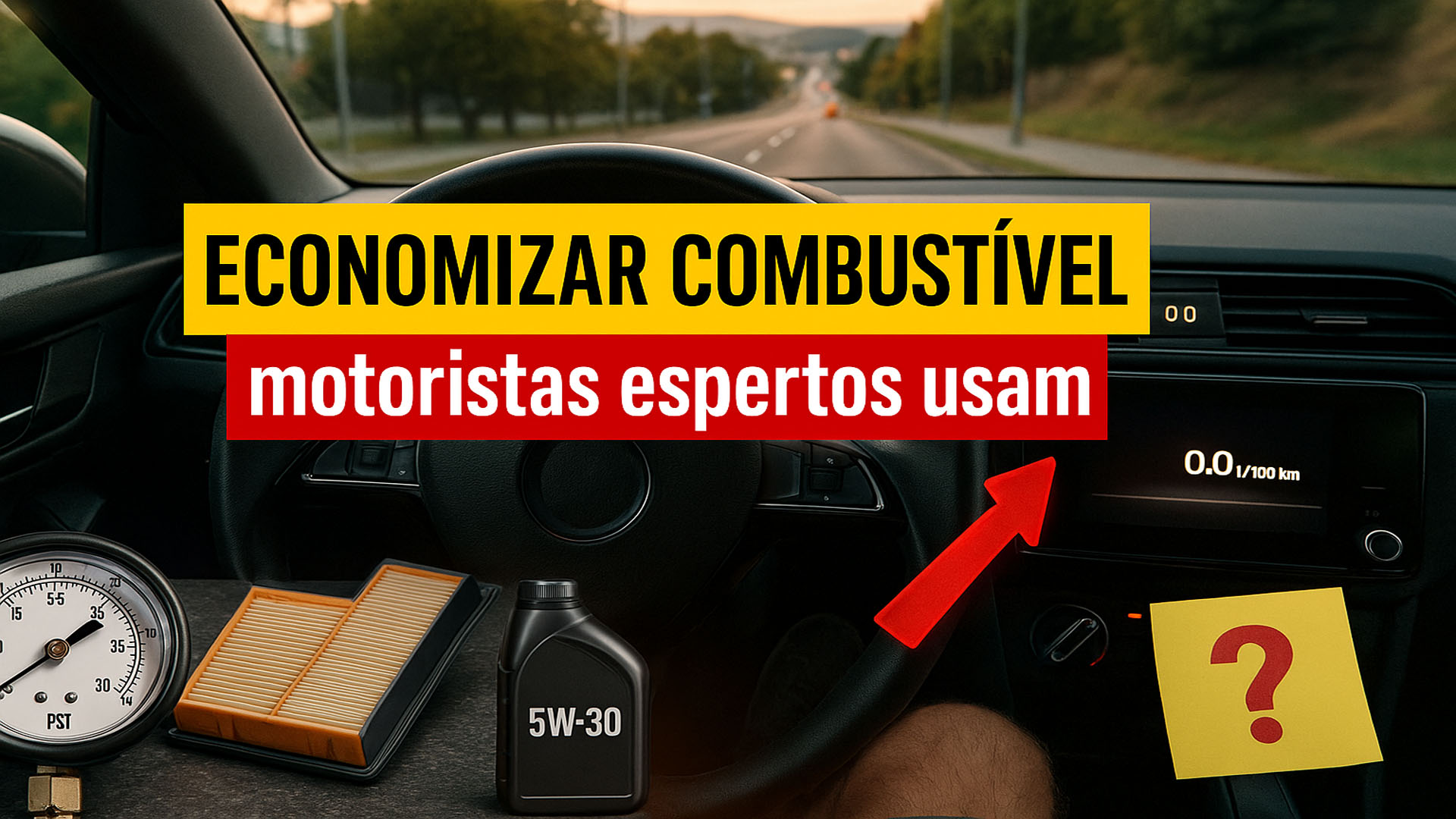
Learn, Based on Manuals, Data from Inmetro and Publications of Specialized Workshops, How to Drive Better, with Some Tips That Can Help You Save on Fuel.
Even with the reduction of gasoline at distributors on October 20, according to Petrobras and Agência Brasil, Brazilians want to spend less behind the wheel. The good news is that it is possible to reduce consumption with simple and safe habits, without making changes to the car.
We gathered three practical and inexpensive actions that work in modern vehicles. They apply to gasoline, ethanol, and CNG, as they address driving and maintenance points that impact any engine.
The recommendations have been checked in manuals, efficiency programs, and technical publications. The priority is to adopt measures that save without compromising brakes, stability, and component lifespan.
-
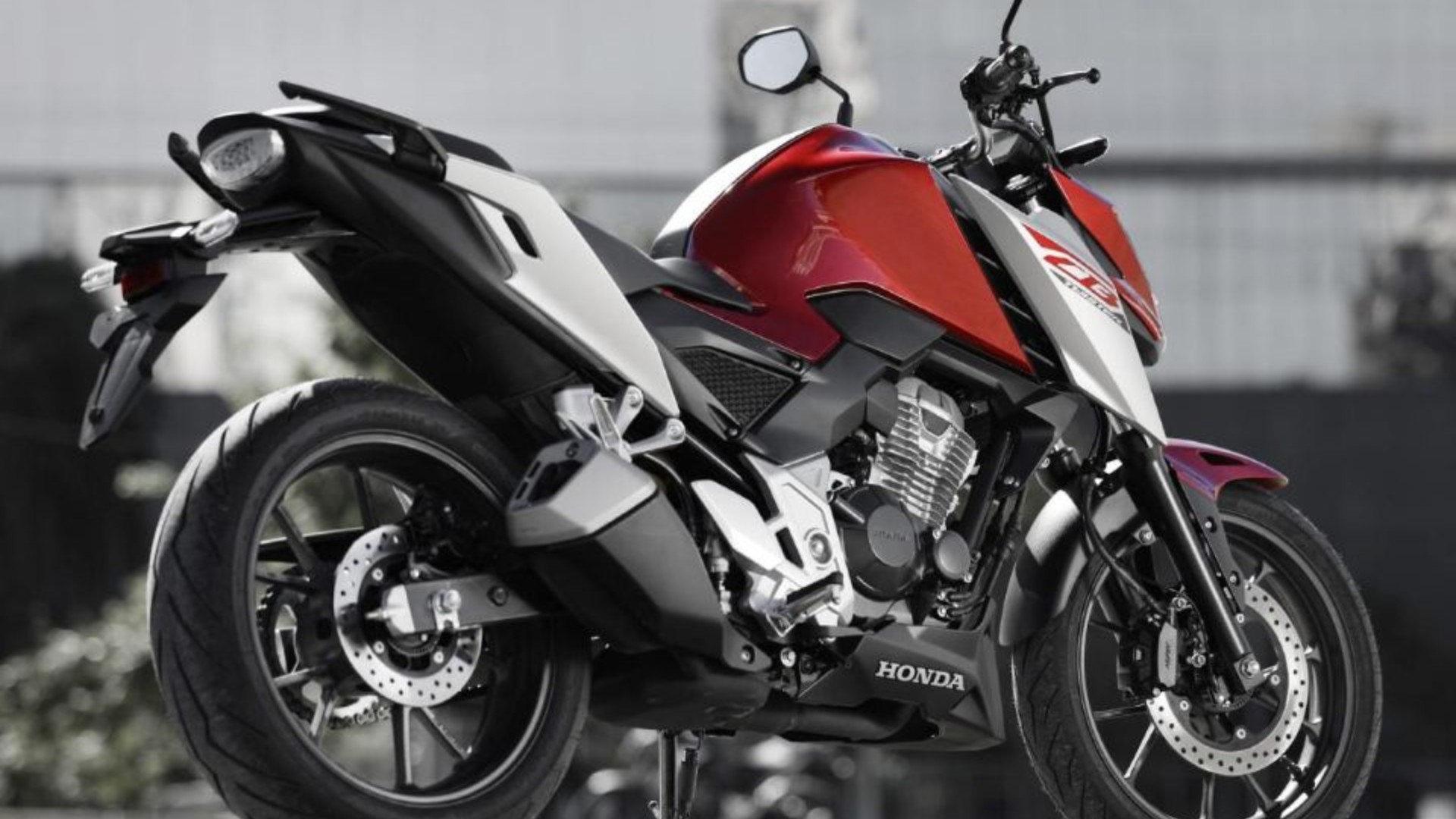
With a 293.5 cm³ engine and a range of up to 400 km with a 14.1-liter tank, the Honda CB 300F Twister 2026 has up to 24.7 hp, an initial price of R$ 25,150, and already exceeds R$ 29,000 in the Fipe Table.
-
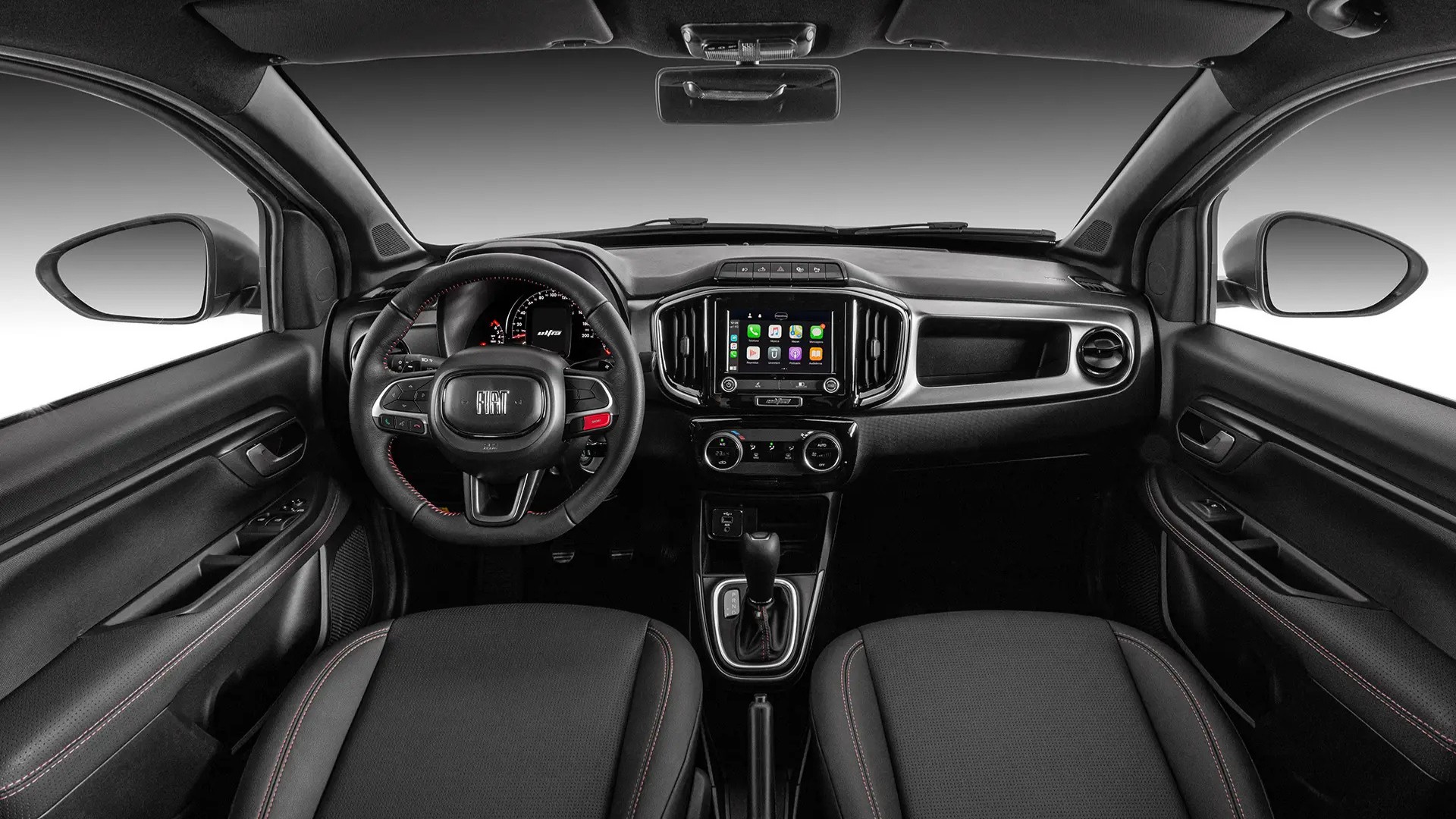
With a 1.3 engine, nearly 700 km of range, and Turbo 200, the Fiat model surpasses Polo, Tera HB20, and Onix, becoming the best-selling car in March; see the numbers for the Fiat Strada and others.
-
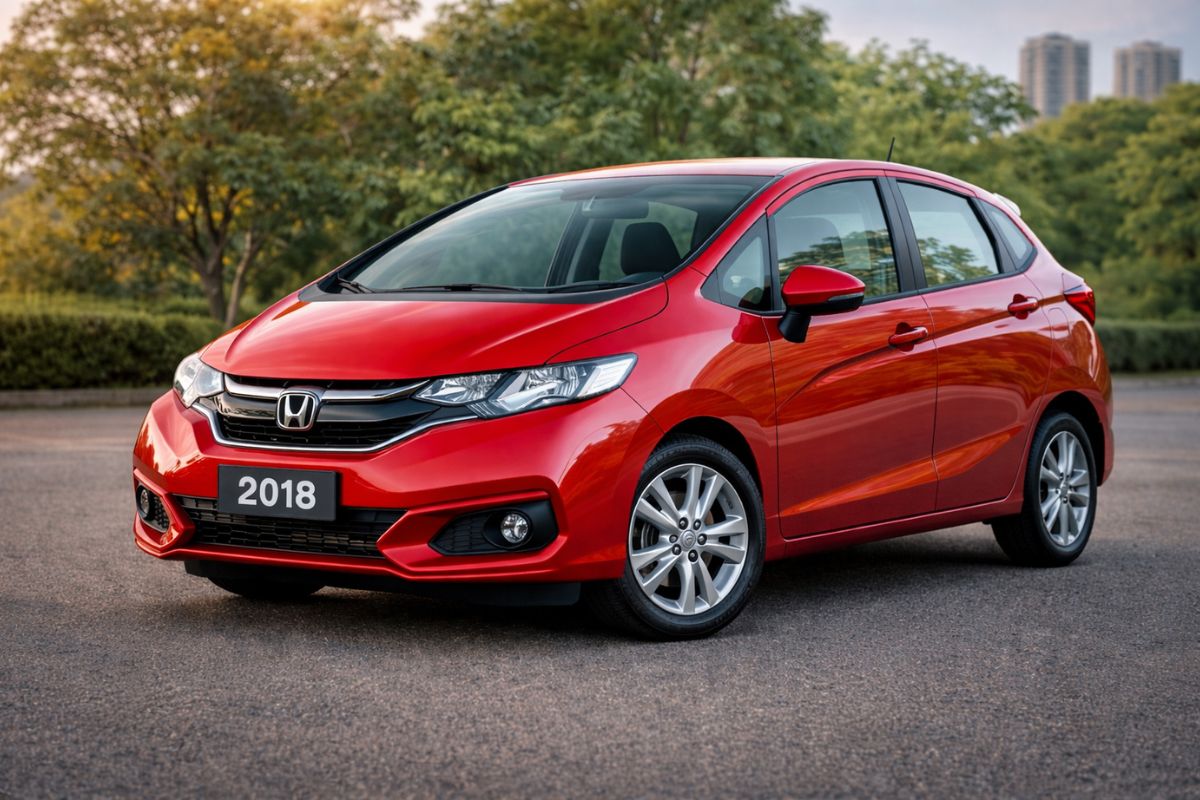
The Honda Fit has been discontinued for years, but the 2018 model is worth more today in the Fipe table than it cost brand new, proving that this used car, valued with a 1.5 i-VTEC engine and Magic Seat, only increases in price.
-
Volkswagen unveiled the 2027 Atlas with a 282-horsepower EA888 turbo engine, a 15-inch screen, massage seats, and a completely new interior to finally elevate the three-row SUV built on the MQB platform to a new level.


We also explain why certain myths persist, such as coasting in neutral on downhill slopes. Understanding how fuel injection works helps you avoid waste and drive more safely.
1) Accelerate When Necessary and Coast with the Car in Gear
Avoid abrupt accelerations and anticipate traffic. By lifting your foot off the accelerator with the gear engaged, the engine enters fuel cut-off, and consumption may drop to zero during deceleration, utilizing engine braking.
Coasting in neutral is a myth and worsens safety. In neutral, fuel injection maintains idle and continues burning fuel, in addition to requiring more service brake usage. In gear, you benefit from cut-off and greater vehicle control.
Use coasting with smoothness: accelerate gently when starting, maintain stable RPMs, and respect traffic limits. These habits reduce peaks in consumption and avoid waste in traffic jams and over speed bumps.
2) Proper Tire Inflation and Attention to the Manual
Inflate the tires every 15 days, when they are cold, and follow the pressure indicated on the car’s label and in the manual. Under-inflated tires increase rolling resistance and make the engine work harder to maintain speed.
If you can only inflate when the tires are warm, some manuals and guides suggest adding 2 to 3 psi to compensate for thermal expansion. Ideally, though, measure when cold and also check the spare tire to avoid surprises on the road.
Avoid using the so-called “economic pressure” without the manufacturer’s backing. Some models offer different pressures for load or high speed, but deviating from the specifications can reduce grip and extend braking distances.
Check the Inmetro labeling when choosing tires. Tires with lower rolling resistance tend to consume less, without compromising safety. It’s a small gain per kilometer, but significant over the annual total.
Inspecting valves and injectors prevents slow leaks that decrease pressure over the weeks. In cities with significant temperature variations, monitor more frequently, as cold reduces internal pressure.
3) Clean Filters and Correct Oil Make a Difference
Keep the air filter clean. When clogged, less oxygen enters the intake, the mixture becomes leaner, and the engine compensates with more injection to generate the same power, increasing unnecessary consumption and emissions.
Change the oil on schedule and with the correct specification for viscosity and additives. Oil outside the standard increases internal friction, raises temperature, and reduces energy efficiency, while also accelerating wear.
During maintenance, also replace the oil filter and check the fuel filter. Saturated parts restrict flow and cause the pump and system to work harder, which drains efficiency and reliability.
Use certified parts and lubricants. Avoid counterfeit products, which do not meet standards and may damage the catalytic converter and sensors. The immediate savings do not compensate for premature rehabs or chronically high consumption.
How Much Can You Save in Real Life
Realistic numbers help calibrate expectations. Tire labeling studies indicate that reducing rolling resistance by 10% can cut about 1.5% of consumption in mixed cycles, depending on use.
In practice, a driver who travels 12,000 km a year can save significant liters by combining efficient tires, proper inflation, and smooth driving. The result is greater in urban areas with many stops.
Driving measures, such as avoiding neutral and accelerating smoothly, have daily and cumulative benefits. They are free, preserve brakes, and, when combined with maintenance, deliver the largest share of savings.
Let us know in the comments if you have tried these tips and how much you saved. Do you support penalizing those who coast in neutral for safety? Do you have another efficient tactic we should investigate and test?









Seja o primeiro a reagir!