






 Portuguese
  Spanish
  4 min of reading
  0 comments


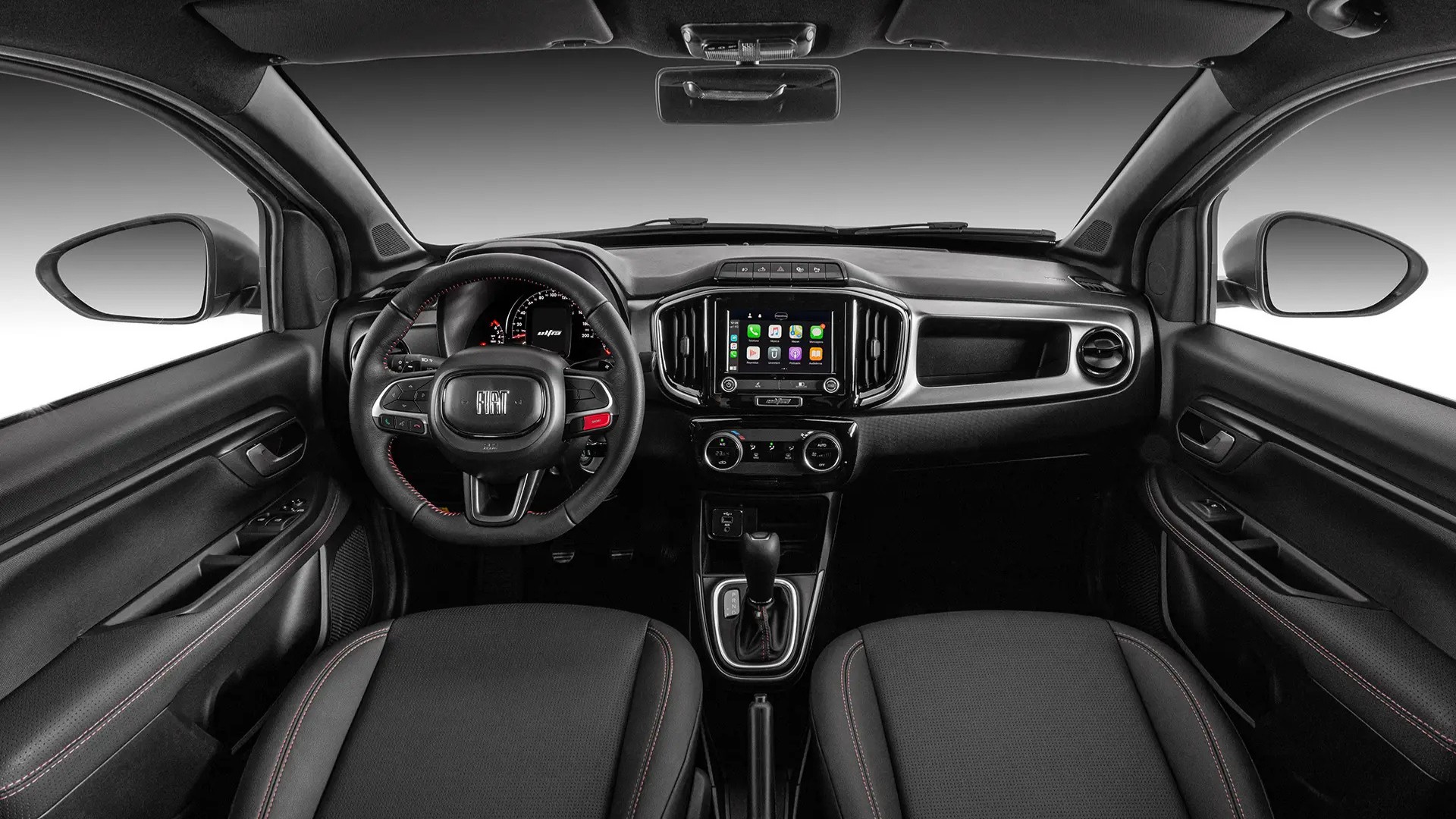
Brazilian automotive market accelerates in March 2026 with expressive growth in sales, consolidated leadership of Fiat Strada and advancement of SUVs, hatches, and electrics among the best-selling models, reflecting changes in consumption profile and greater competitiveness among manufacturers.
The Fiat Strada maintained its leadership in the Brazilian market in March 2026 by registering 16,706 units sold, consolidating its position as the best-selling vehicle in the country during a month of strong sales expansion.
In total, 257,801 units were sold, considering passenger cars and light commercial vehicles, an increase of 46.1% compared to February, according to data from the consultancy K.Lume.
The performance was mainly driven by passenger cars, which totaled 206,432 units, with a growth of 46.8%, while light commercial vehicles reached 51,369 registrations, up 43.2%.
-
Two Brazilian inventors transformed a Gol into a homemade electric car: they removed the engine, installed 40 lithium batteries, and made the vehicle run 150 km for R$ 0.07 per kilometer.

-
Toyota Hilux owners should be cautious: the model has become a target for gangs that can open the vehicles without triggering the alarms, investigation reveals.

-
The Celta may return without gasoline, with a plug and a Chinese soul: Chevrolet prepares a new electric hatch in Ceará to try to challenge the BYD Dolphin Mini, Geely EX2, and the compact market in Brazil.
-
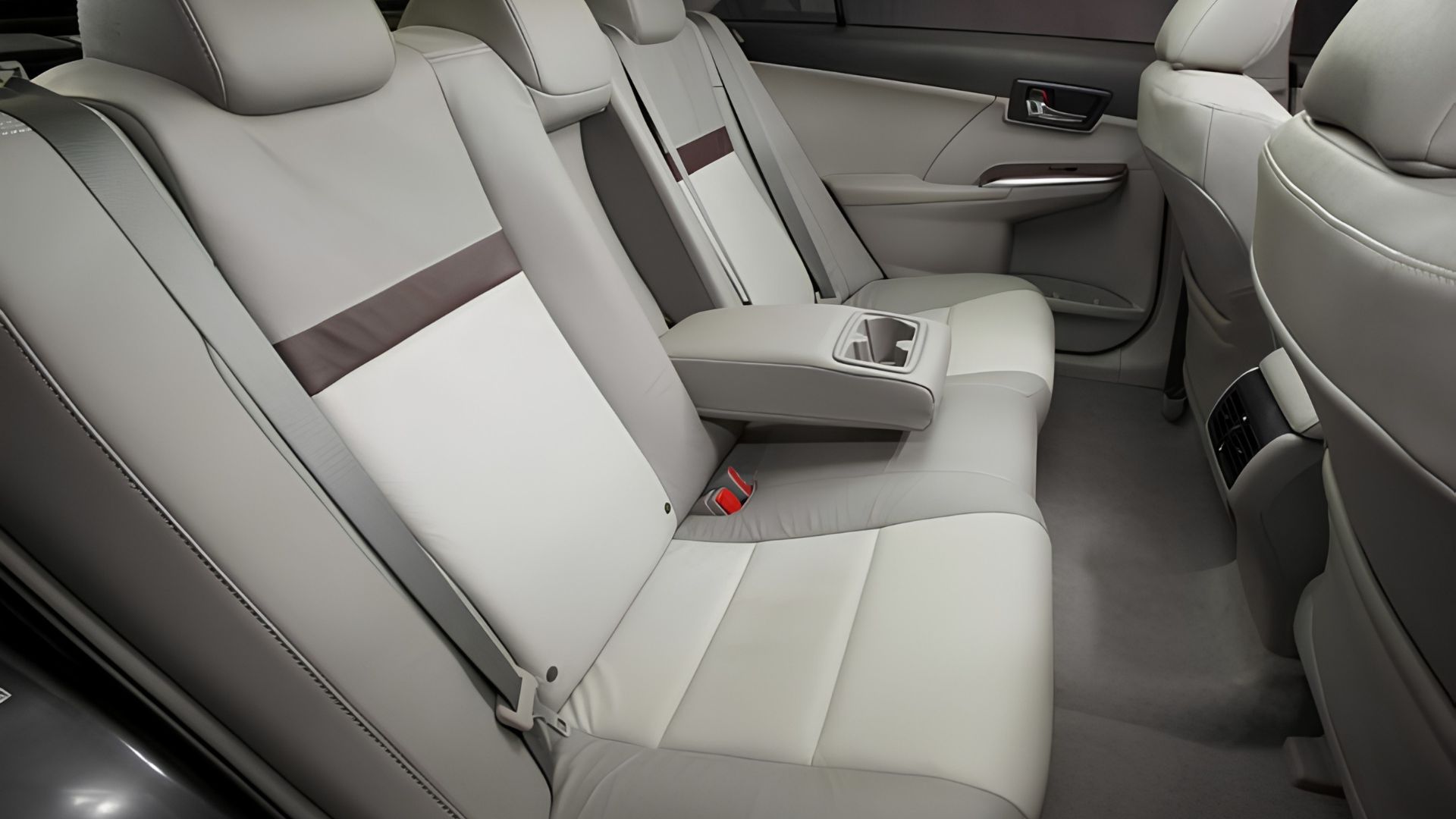
The 2012 Toyota Camry became the luxury Japanese sedan that costs less than many used compact SUVs, offering a V6 engine, 504 liters of trunk space, and executive comfort for those willing to step out of the ordinary in the used car market.


The combination of a greater number of business days and a more heated environment in the sector helped boost results, reinforcing expectations of continued growth in the coming months.
Fiat Strada maintains leadership among the best-selling cars
The Strada’s continued presence at the top is not an isolated movement, but rather the continuation of a consistent trajectory in the Brazilian market.
Fiat’s pickup combines professional and everyday use, a characteristic that broadens its reach among different consumer profiles and ensures a constant presence in the top positions of the ranking.

With options for single and double cabins, as well as engines ranging from the 1.3 aspirated to the turbo, the model caters to everyone from small entrepreneurs to families seeking versatility.
This balance between functionality and cost-effectiveness has been decisive in maintaining the advantage over direct competitors.
Meanwhile, the gap to the second place remains significant.
The Volkswagen Polo secured 11,051 units, maintaining solid performance in the entry segment, while the Chevrolet Onix appeared in third, with 10,182 registrations, after recovering part of the volume lost in previous months.
Top 10 best-selling cars in March 2026
The configuration of the top 10 in March shows a diversified scenario, where different categories share space among the best-selling models.
Compact hatchbacks remain relevant, but SUVs and even electrics are beginning to gain more consistency in the ranking.
The Fiat Argo appeared in fourth place, followed by the Volkswagen Tera, which reinforced its presence among the sports utility vehicles.
Just behind, the Hyundai HB20 and the Volkswagen T-Cross also maintained significant volumes, consolidating their positions in highly competitive segments.
One of the highlights of the month was the BYD Dolphin Mini, which reached ninth place with 7,053 units and established itself as the best-selling electric car in Brazil during the period.
The performance indicates a gradual change in consumer behavior, even though combustion models continue to dominate the market.
| Position | Model | Sales |
|---|---|---|
| 1st | Fiat Strada | 16,706 |
| 2nd | Volkswagen Polo | 11,051 |
| 3rd | Chevrolet Onix | 10,182 |
| 4th | Fiat Argo | 8,281 |
| 5th | Volkswagen Tera | 7,977 |
| 6th | Hyundai HB20 | 7,713 |
| 7th | Volkswagen T-Cross | 7,623 |
| 8th | Fiat Mobi | 7,241 |
| 9th | BYD Dolphin Mini | 7,053 |
| 10th | Hyundai Creta | 6,674 |
Intermediate ranking reveals tight competition among models
In the intermediate range of the list, the competition intensifies and highlights the fragmentation of the market.
Models with different proposals appear with close volumes, indicating greater balance among categories and price ranges.
The Renault Kwid opens the sequence outside the top 10, followed by Chevrolet Tracker and Volkswagen Nivus, which recorded the same number of units.

The Jeep Compass remains relevant among medium SUVs, while Fiat Pulse and Toro maintain a consistent presence in their respective niches.
This section of the table also includes sedans, pickups, and compact SUVs, reinforcing the diversity of Brazilian consumer preferences at the moment.
| Position | Model | Sales |
|---|---|---|
| 11th | Renault Kwid | 6,459 |
| 12th | Chevrolet Tracker | 5,795 |
| 13th | Volkswagen Nivus | 5,795 |
| 14th | Jeep Compass | 5,435 |
| 15th | Fiat Pulse | 5,168 |
| 16th | Fiat Toro | 5,091 |
| 17th | Caoa Chery Tiggo 5X | 5,007 |
| 18th | Chevrolet Onix Plus | 4,921 |
| 19th | Volkswagen Saveiro | 4,877 |
| 20th | Hyundai HB20S | 4,655 |
Growth of electrics and Chinese brands in Brazil
Another relevant point in the March survey is the consistent advancement of Chinese brands and electrified vehicles.
In addition to the highlight of the Dolphin Mini, other BYD models appear throughout the list, such as Song Pro, Song Plus, Dolphin, and King, demonstrating portfolio expansion and acceptance in the national market.
GWM also features with two distinct models, including the Haval H6, which has already established itself among the best-selling hybrid SUVs, and the Haval H9, which gained relevance by surpassing traditional competitors in the diesel utility segment.
This movement indicates a gradual transition in the market, with new technologies gaining space without immediately replacing more traditional models.
The coexistence of different proposals reinforces a scenario of progressive adaptation of the Brazilian consumer.
Brazilian automotive market maintains growth pace
The performance in March occurs in a context of continuity of the expansion observed in 2025, when Brazil ended the year with more than 2.5 million vehicles registered.
Despite moderate growth during that period, the country remained among the largest automotive markets in the world.
For 2026, the sector’s expectation is for maintenance or slight advancement in numbers, even in the face of factors that may influence consumption, such as high interest rates and the political and sports calendar.
Still, the most recent data indicates that the market remains active, with constant renewal of models and the entry of new brands.
The snapshot of March shows a dynamic scenario, where consolidated leadership, advancement of new players, and diversification of segments coexist in a competitive environment, with gradual changes in consumption profile and available technologies.









Be the first to react!