





 Portuguese
  English
  Spanish
  5 min of reading
  0 comments


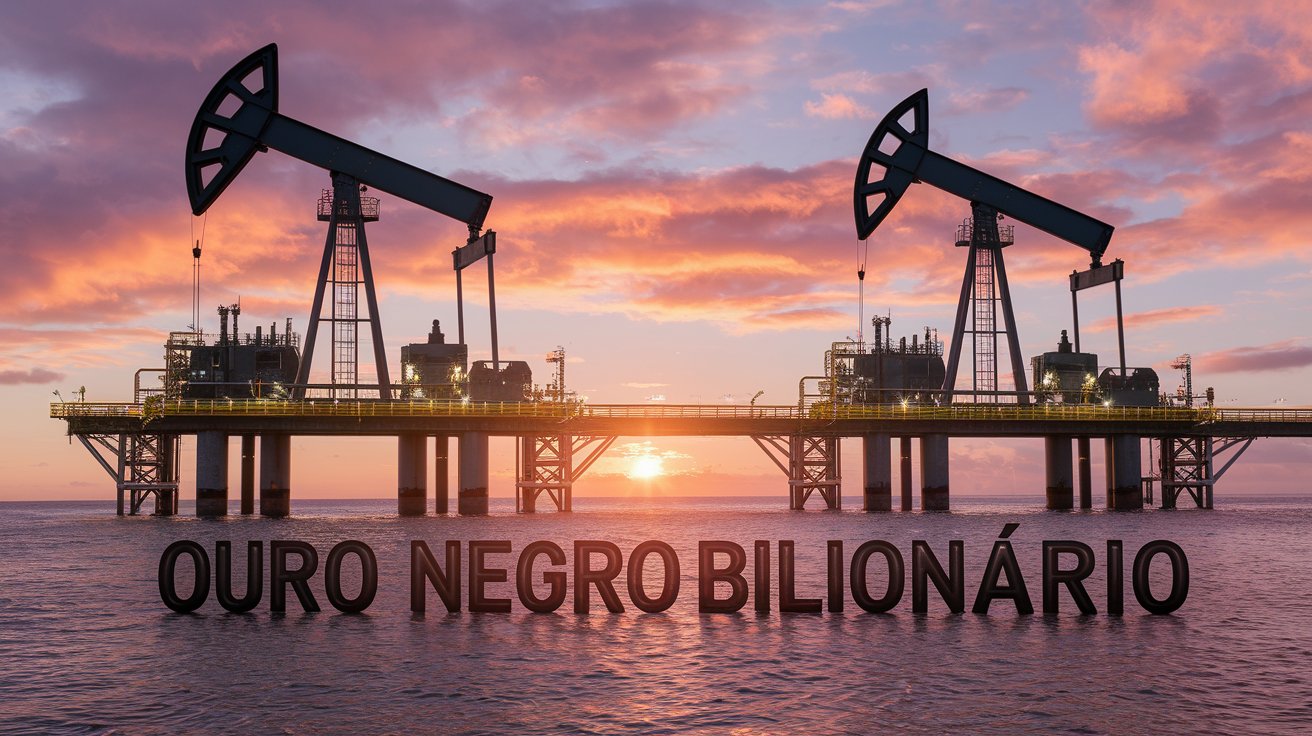
A New Energy Era May Be Emerging In Brazil! Oil Exploration In The Equatorial Margin Promises US$ 56 Billion In Investments, 300 Thousand Jobs, And May Be The New Pre-Salt Of The Country.
Brazil is on the verge of experiencing a true revolution in the energy sector.
The exploration of oil in the Equatorial Margin, located on the northern coast of the country, is expected to attract an impressive US$ 56 billion in investments and generate over 300 thousand jobs, according to a study presented by Pietro Mendes, Secretary of Oil, Natural Gas and Biofuels at the Ministry of Mines and Energy.
According to the report, these investments could significantly reverse the decline in Brazil’s oil reserves, as well as boost the economy and strengthen the national energy sector.
-
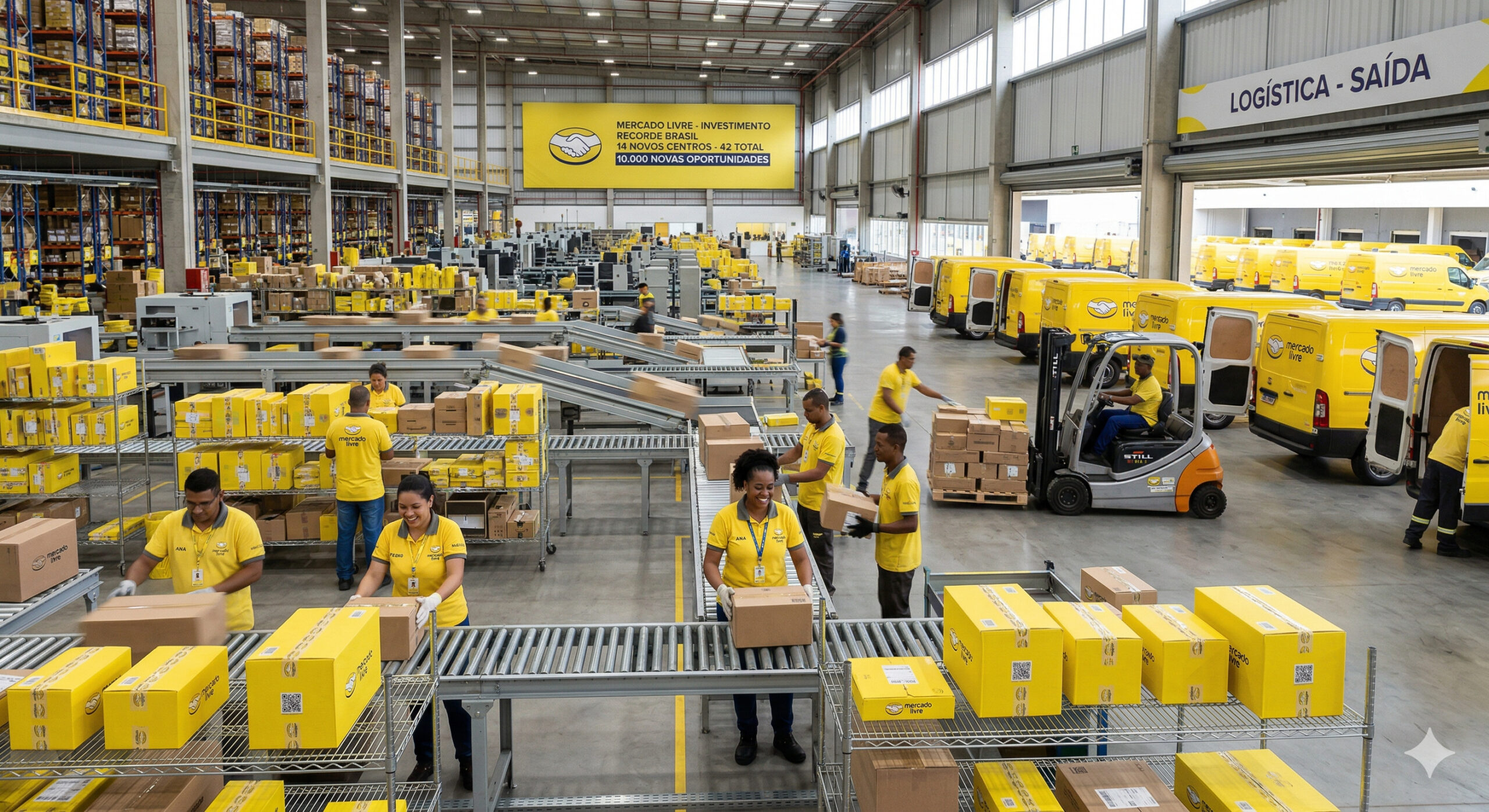
Mercado Livre “opens the vault” and announces a record investment of R$ 57 billion in Brazil in 2026, a value 50% higher than the previous year, with an expansion plan that includes 14 new logistics centers, totaling 42 units in the country and hiring an additional 10,000 employees.
-
How investment in technology can revolutionize the national economy and enhance industrial gains, according to a study that highlights the direct impact on productivity, innovation, and wealth retention within Brazil.

-
The rise in oil prices could ensure an extra revenue of R$ 100 billion for the Federal Government, indicates a recent economic study.

-
Naturgy begins an investment of R$ 1.6 million to expand the gas network in Niterói and benefit thousands of new residences and businesses.

The Financial Impact For Brazil
The study indicates that with the release of exploration in the Equatorial Margin, Brazil could see government revenue of around US$ 200 billion.
This amount would signify a significant advance for the country, with the creation of infrastructure and the generation of direct and indirect jobs.
The estimate is that, with authorization for exploration, Petrobras, the state-owned company responsible for drilling, will be able to start operations by April of this year.
This timeline is crucial for the continuity of operations and to ensure that drilling at well FZA-M-59, one of the main projects in the region, happens on schedule, with completion expected in October.
The area, considered a true “new pre-salt,” is being watched with great expectation, especially after discoveries of large oil reserves in Guyana and Suriname, which attracted substantial investments to the region.
According to experts, Brazil’s Equatorial Margin has enormous production potential, being one of the biggest promises for the future of the oil sector in the country.
The Strategic Role Of Petrobras
Exploration in the Equatorial Margin is essential for Petrobras, which seeks to replenish its oil reserves, especially in light of the expected decline in production from the Campos and Santos basins that dominate extraction in the country.
Drilling in the Equatorial Margin could be the key to reversing the downward trend in Brazil’s oil reserves in the coming years.
Well FZA-M-59, located in the region, was acquired by Petrobras through the 11th Bidding Round, in partnership with BP, which holds a 70% stake in the project.
The study highlights that the delay in the issuance of the environmental license by Ibama, the agency responsible for oversight, led BP to withdraw from the partnership with Petrobras in 2021.
Nevertheless, Petrobras maintains its confidence in the project and awaits the return of President Luiz Inácio Lula da Silva from his trip to Japan, hoping a meeting between him, ministers, and the president of Ibama can resolve the deadlock, allowing for the necessary environmental license to commence operations.
Challenges And Solutions For Environmental Protection
While expectations for exploration are grand, there are challenges to be faced, especially regarding environmental impacts.
The main concern revolves around marine life, in the event of any accidents, such as an oil spill.
Petrobras is already taking measures to minimize these risks, with the construction of a new Oil Spill Wildlife Rehabilitation Center (CRD), which will begin operations in April.
The CRD will be essential to ensure the recovery of marine animals affected by any accidents and, thus, contribute to mitigate the environmental impacts of exploration.
According to the study, Petrobras has already invested R$ 1 billion in drilling well FZA-M-59, with the rental of the drilling rig estimated at around US$ 400 thousand per day.
These investments already indicate the magnitude of the project and its importance for the continuity of oil production in Brazil.
Expectations For Petrobras’ Stock Market
The issuance of the license to begin exploration in the Equatorial Margin is also expected to positively impact Petrobras’ stock market.
With expectations of an increase in oil production and a potential appreciation of Brazilian reserves, Petrobras’ stocks should be boosted, especially if the license is issued as expected.
Market movement is something investors are watching closely, as Petrobras (PETR4) faces challenges but also has great growth potential as activities in the Equatorial Margin intensify.
The presence of major companies like BP in the partnership also shines a spotlight on the importance of the project, with expectations that new investors may be interested in participating in the region’s development.
This confidence in the project is reflected in rising stocks and market optimism regarding the future of oil in Brazil.
The Future Of Energy In Brazil
In addition to generating billions in investments and jobs, exploration of the Equatorial Margin could represent a major step for Brazil to consolidate itself as a leader in deepwater oil production.
The country is already one of the largest oil producers in the world, and exploration in the Equatorial Margin has the potential to ensure an even stronger position in the global market.
Another important point to highlight is the contribution of this exploration to Brazil’s energy matrix, which is becoming increasingly diversified.
With oil exploration in still relatively unexplored regions like the Equatorial Margin, Brazil will not only be able to reinforce its reserves but also create new possibilities for the development of more efficient technologies in the energy sector.
What To Expect In The Coming Years?
In the coming years, Brazil will undergo a true transformation in the energy sector, with exploration in the Equatorial Margin becoming a central pillar of Petrobras’ and the country’s growth strategy.
The expectation is that, with the generation of new jobs and the attraction of investments, Brazil can reverse the decline in reserves and continue to be one of the largest oil producers in the world.
Moreover, with increased activity in the region, creating new job opportunities in various fields such as engineering, logistics, and specialized services will be one of the biggest advantages for the national economy.
The companies contracted for the area’s development will also have the opportunity to expand their operations and contribute to the growth of the Brazilian energy sector.
Could exploration of the Equatorial Margin be the key for Brazil to become an even greater energy powerhouse? What are your expectations for the impact of this exploration on the job market and the country’s economy?








-

Uma pessoa reagiu a isso.