





 Portuguese
  English
  Spanish
  6 min of reading
  8 comments


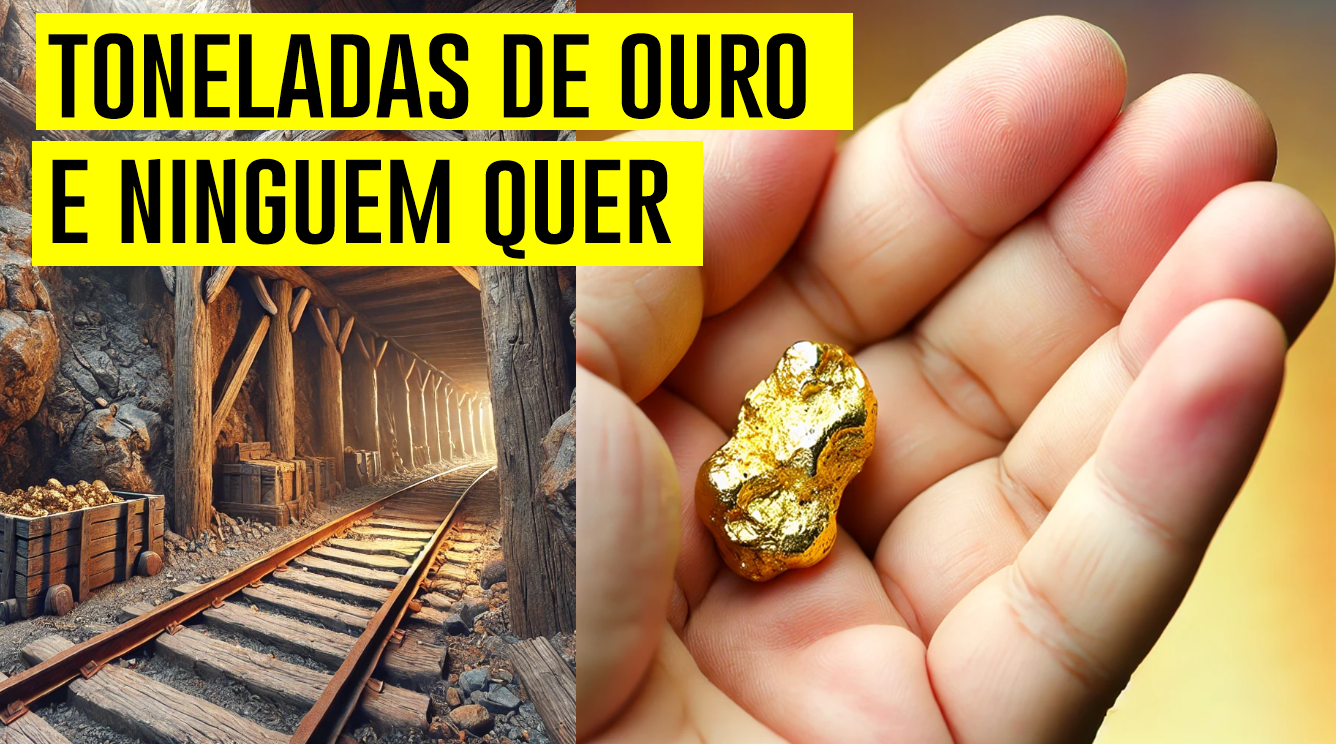

Scientists Reveal Colossal Gold Mine Inaugurated 2,000 Years Ago During The Roman Empire, With 300 Tons Of Untouched Precious Metal
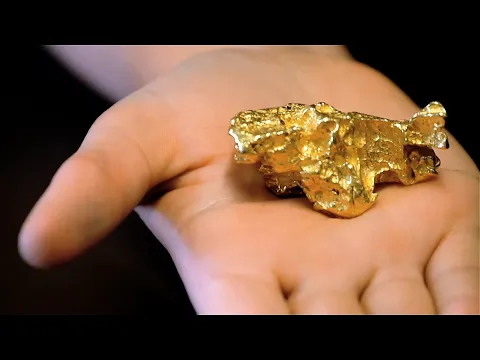
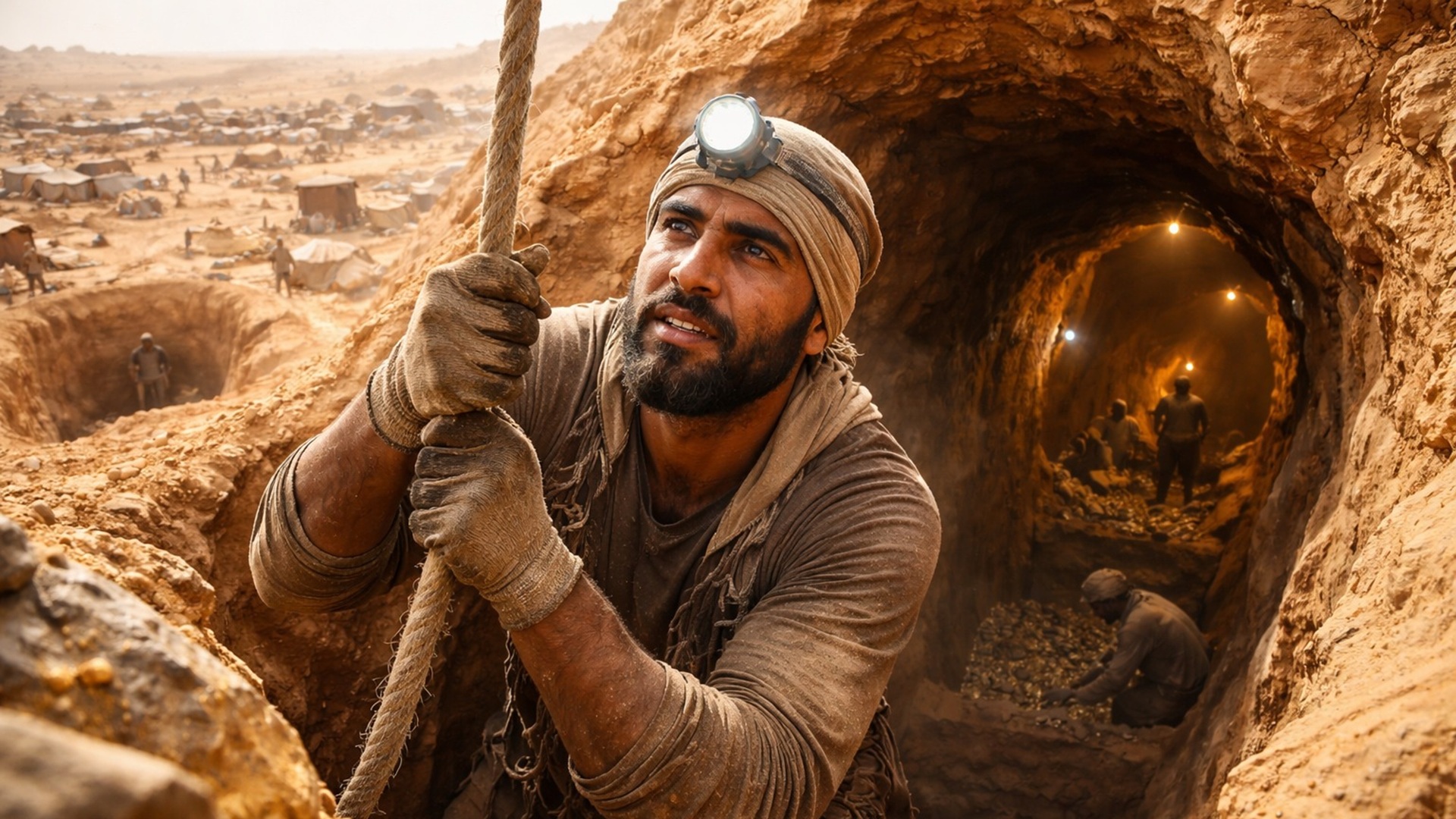
More than 2,000 years ago, during the height of the Roman Empire, an impressive gold mine was inaugurated, revealing a colossal wealth that defied the imagination of the time. It is estimated that this mine held within it an incredible 300 tons of untouched gold, an impressive legacy from a period when the Romans dominated the exploration of precious metals on a large scale.
Advanced engineering, innovative mining techniques, and limitless ambition were the pillars that allowed the empire to extract wealth systematically and in large volumes.
-
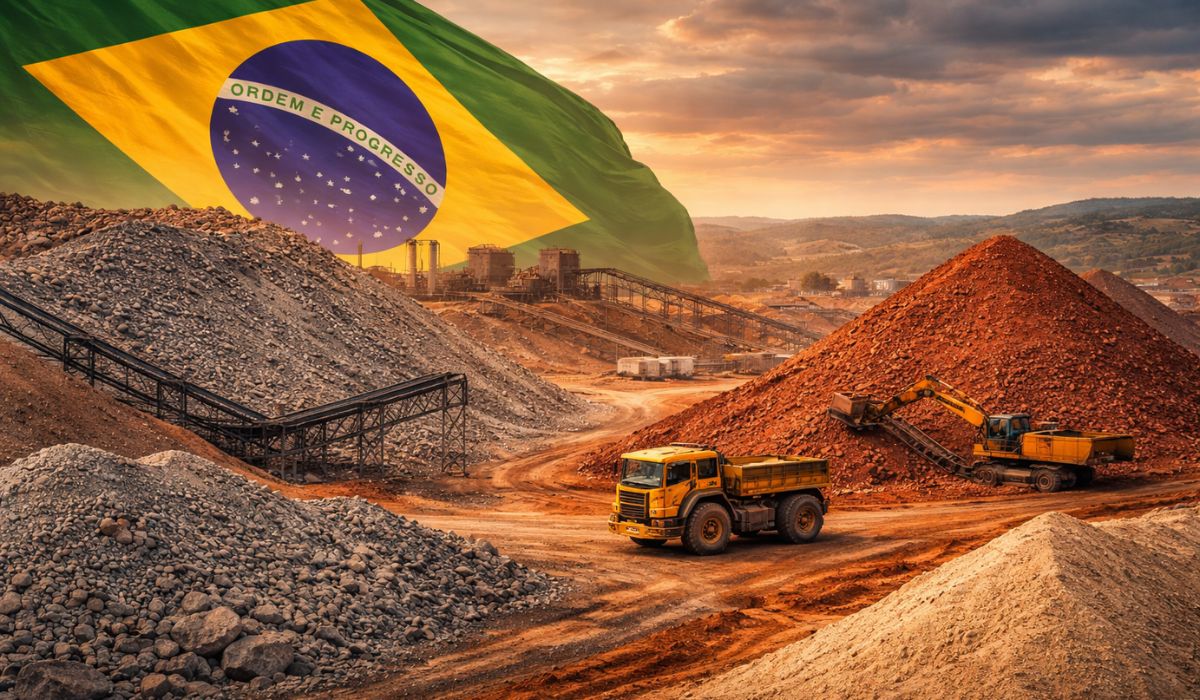
Brazil extracts 26.3 million tons of ore from what was previously treated as waste, transforming residues into wealth, producing over 3 million tons of sand, and demonstrating how national mining is relearning to generate value.
-
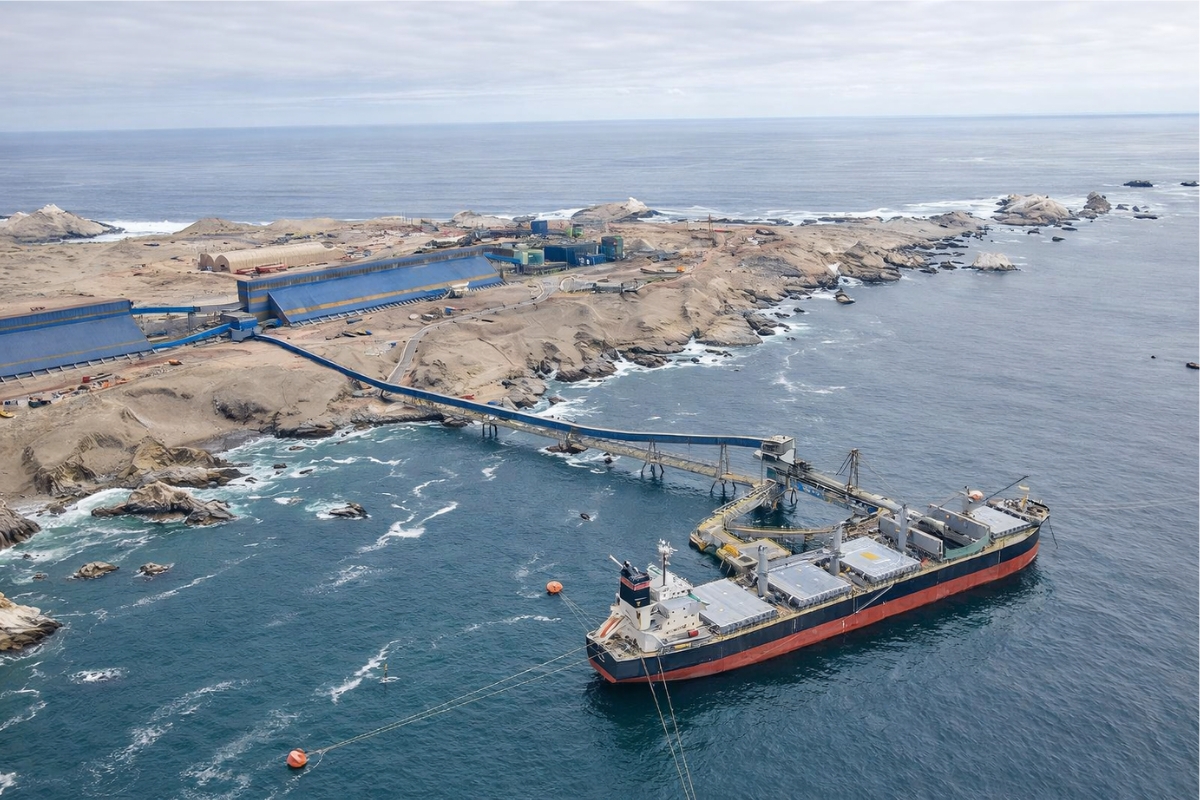
A $3.5 billion megaproject in Latin America pumps desalinated seawater at 1,050 liters per second over 194 km to keep a copper supermine in the Andes operational for another 20 years.
-
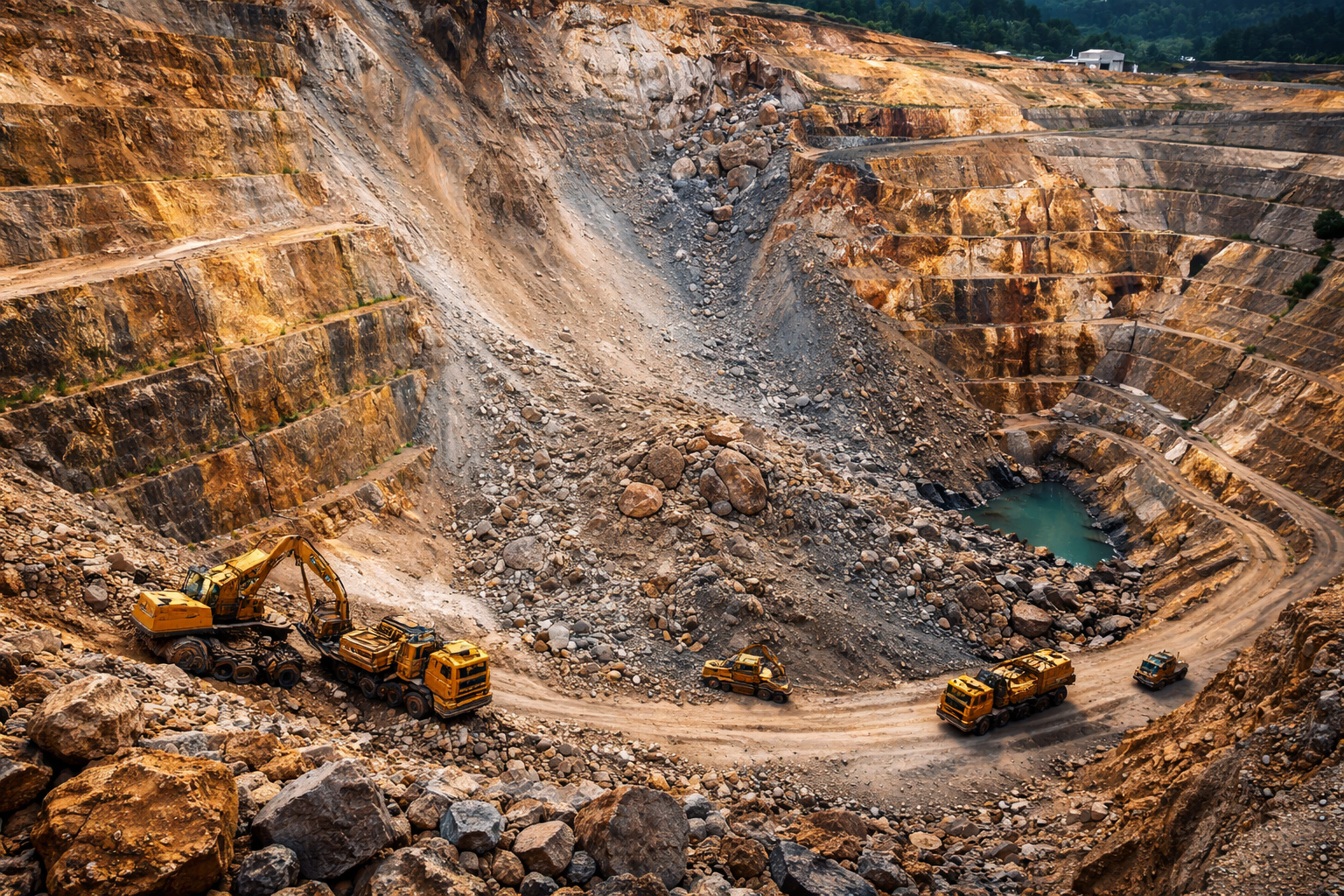
A hidden mine in the Andes valued at nearly R$ 1 trillion is starting to attract global attention, containing copper, gold, and silver, and raises an intriguing question: why do Argentina and Chile need to act together to exploit this gigantic wealth?
-
A silent discovery in the interior of Bahia could change the future of energy in Brazil: a uranium reserve in Lagoa Real has an estimated capacity to produce 400 tons per year and is already attracting the attention of energy sector specialists.
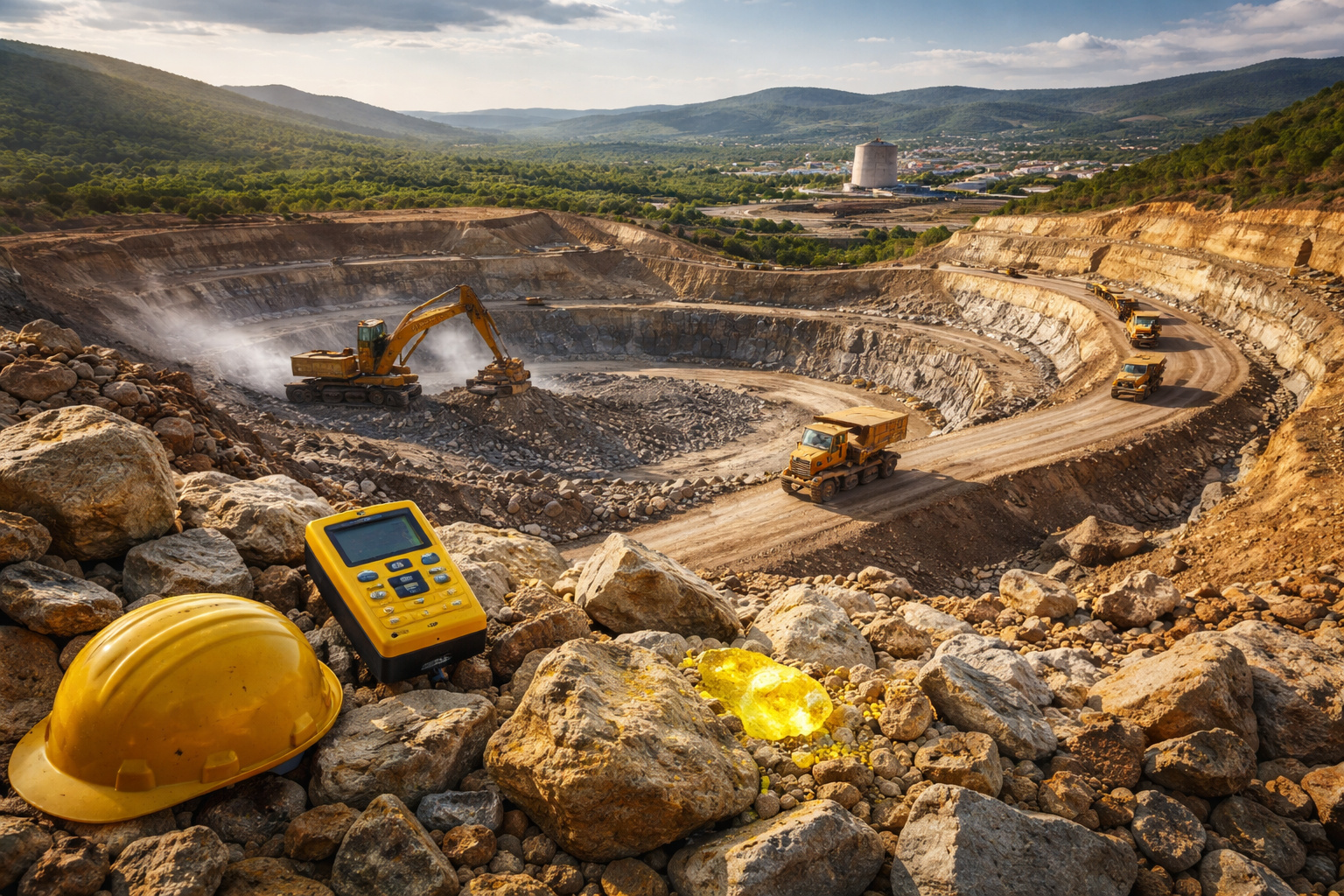
At the heart of Asturias, amid lush landscapes and the deep blue of the Bay of Biscay, lies a monumental wealth. Beneath the feet of the residents of the Spanish town of Tapia de Casariego, an impressive estimate of 300 TONS of gold remains hidden, making this area a potential center for the largest gold mining in Europe.

However, the wealth that could transform the local and national economy is surrounded by controversy: the environmental cost of this exploitation. Will the allure of gold justify the environmental damage? That is the question dividing the community.
The proposal for the exploitation of the Salave mine has reignited a debate that has dragged on for decades. The plans include a modern approach that promises to mitigate ecological damage. But the memory of scars left by other mines in Spain and the fear of irreversible consequences keep the opposition firm.
Thus, the Tapia de Casariego mine has become a classic example of the dilemma between economic progress and environmental preservation.
The Golden Promise: History And Relevance
The history of mining in Tapia de Casariego dates back over 2,000 years, when the Roman Empire intensely exploited precious metals to meet the demands of its expansion.
The empire’s engineers developed innovative methods such as ruina montium (“destruction of mountains”), which used large amounts of water channeled through aqueducts to erode mountains and reveal hidden precious minerals.
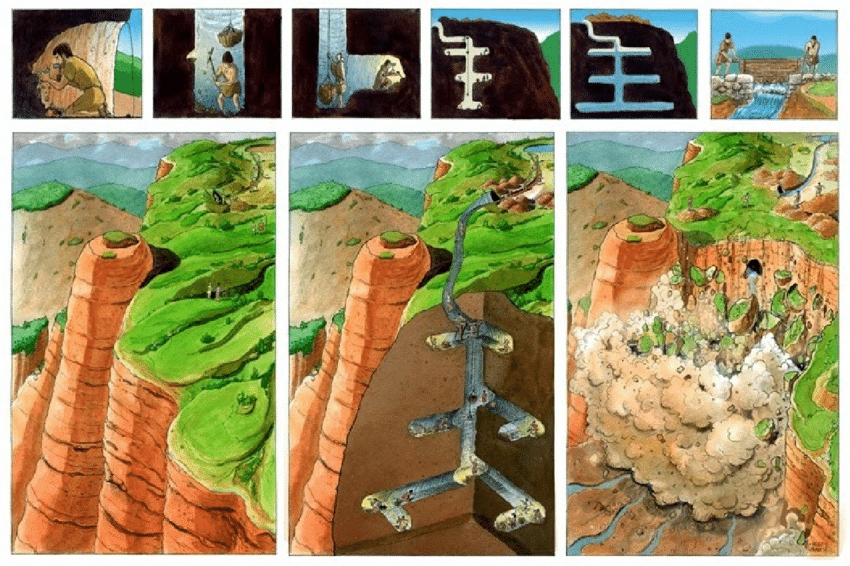
This technique was grandly applied at Las Médulas, in León, which became the main source of gold for Rome.
Although these techniques were effective, they drastically restructured the environment. In Tapia de Casariego, however, gold remained unexploited for centuries, perhaps due to geological reasons or technical difficulties.
In medieval times, mining resurfaced, but with much more rudimentary methods, resulting in less environmental impact. Now, in the full 21st century, modern technology promises to explore this treasure without the catastrophic impacts of the past. But to what extent is this promise realistic?
The Environmental Challenges Of A Large-Scale Mine
Opponents of the gold mine in Tapia de Casariego point to the serious environmental impacts that the project may generate. Mining is a notoriously aggressive activity, and gold extraction, in particular, has a history of causing lasting damage to local ecosystems.
1. Loss Of Biodiversity
The region of Tapia de Casariego is a refuge of biodiversity. Its coastal zones are home to birds such as the yellow-legged gull (Larus michahellis) and the Atlantic gannet (Morus bassanus), which depend on the fish-rich waters to survive.
The mixed forests harbor emblematic species such as the roe deer (Capreolus capreolus) and the Iberian wolf (Canis lupus signatus), which use these areas as a natural corridor.
Additionally, the region’s meadows bloom in spring, creating habitats for pollinators like bees and butterflies. These interconnected ecosystems are highly sensitive to changes caused by human activities. Opening a mine, even with mitigation measures, could lead to the destruction of these habitats, putting endangered or endemic species at risk.
2. Water Pollution
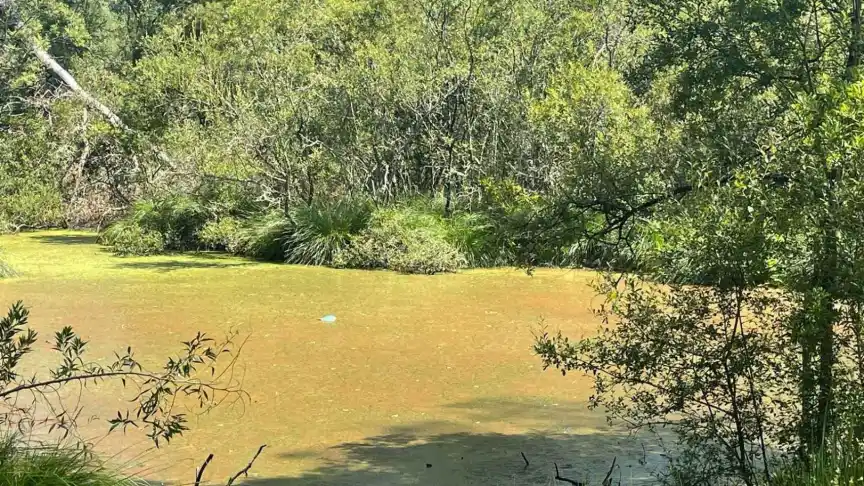
One of the greatest fears associated with gold mining is the contamination of watercourses. Chemicals such as cyanide are often used to separate gold from ore. Although the current proposal for the Salave mine excludes the use of cyanide, the risk of contamination from other chemical residues persists.
The region is home to important bodies of water, such as the Eo River, which provides habitat for otters (Lutra lutra) and Atlantic salmon (Salmo salar), species that depend on clean water to reproduce. Any accidental leak could devastate aquatic life and harm human health, as this water is essential for consumption and irrigation.
3. Soil Degradation
Mining alters the soil structure, leaving it infertile and prone to erosion. In a region like Tapia de Casariego, where agriculture is a traditional activity, this degradation could have profound economic impacts. The loss of arable land would affect both local farmers and sustainable food production.
4. Landscape Alteration
The visual impact of a mine is often underestimated. Tapia de Casariego is known for its natural beauty, attracting tourists in search of untouched landscapes and tranquility. Opening a mine, even underground, could mar the scenery and drive away visitors, compromising one of the region’s main economic pillars.

The Mining Project With A New Approach In The Gold Mine Of The Roman Empire?
Despite the concerns, proponents of the mine’s exploration argue that the current plans are different. The proposed project aims to create an underground mine, minimizing surface destruction.
Moreover, the use of cyanide has been ruled out, and the ore would be transported out of the region for processing, reducing the presence of local chemical waste.
These changes are presented as an attempt to balance economic development with environmental sustainability.
Supporters point out that the exploration would generate significant jobs and tax revenues for the region, which has faced economic challenges in recent years.
However, critics remain skeptical, arguing that even the most advanced measures cannot completely eliminate negative impacts.
The Organized Resistance: “Gold, No”
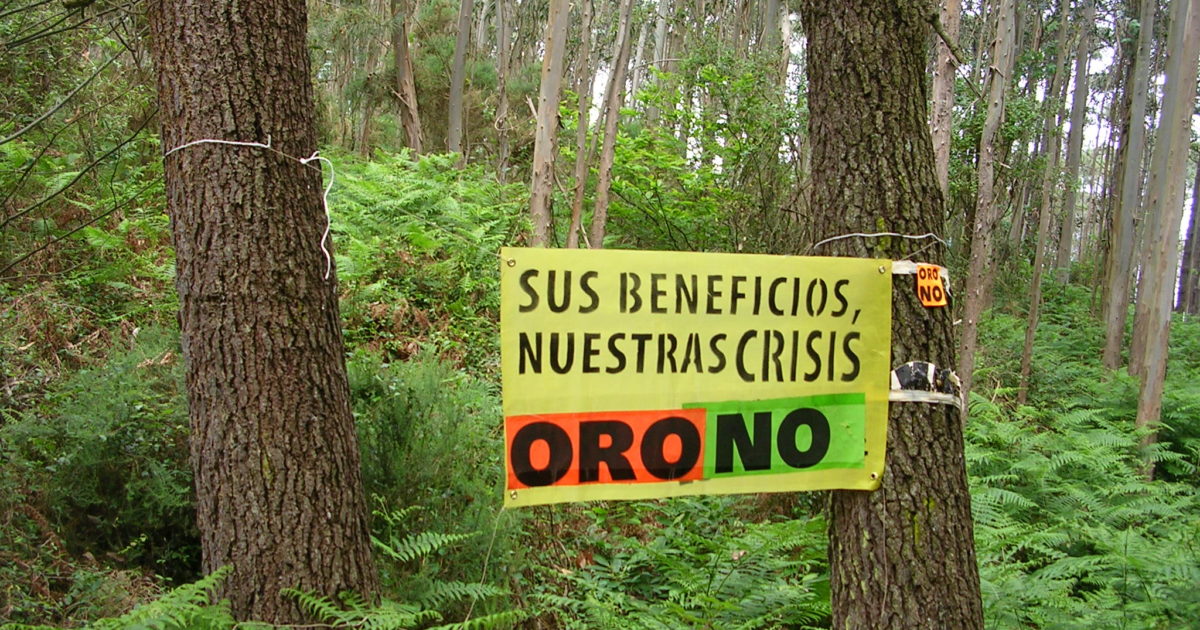
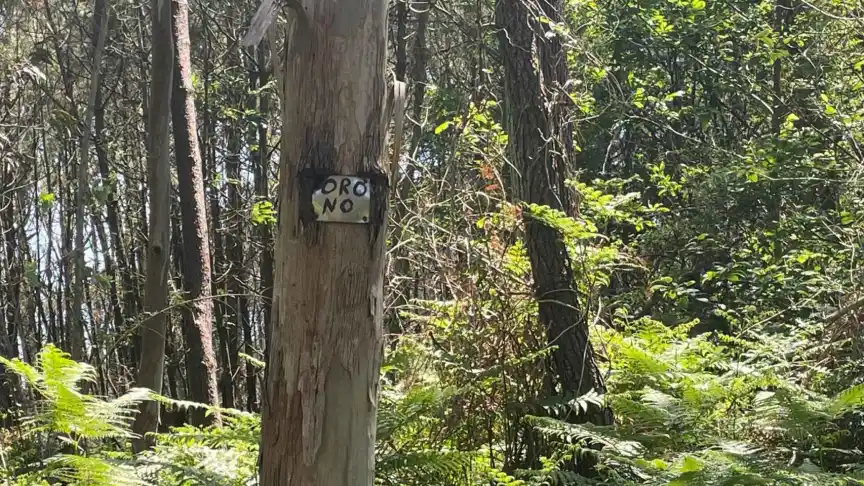
The opposition to the mine is led by the platform “Gold, No,” a movement that brings together local residents, environmentalists, and NGOs. For them, the environmental and social damages outweigh any economic benefits that the exploration could bring.
The platform argues that, at the end of the mining, the region would be marked by irreversible scars, while the wealth generated would benefit only a few companies and investors.
Members of “Gold, No” also argue that there are more sustainable economic alternatives for Tapia de Casariego, such as strengthening eco-tourism and investing in value-added agricultural activities. They emphasize that the true treasure of the region is its untouched nature, not the gold hidden beneath it.
A Crucial Decision For The Future
The Salave mine is still awaiting final approval, and the debate about its future is far from over. Meanwhile, Tapia de Casariego remains an unexplored gem, both in mineral terms and in terms of natural beauty.
The decision to open or not the mine will be a landmark not only for the local community but also for Spain’s environmental policy.
For proponents of the project, the mine represents a unique opportunity to revitalize the economy of Asturias. For opponents, it symbolizes a threat to everything that makes Tapia de Casariego special.
The dilemma between development and preservation is not exclusive to this small coastal town. It reflects a global conflict faced by many communities: how far are we willing to compromise the environment in the name of economic progress? The answer to this question, in the case of Tapia de Casariego, is still to come.
The future of the gold mine in Tapia de Casariego remains uncertain. While some see it as a chance for prosperity, others see the risk of an environmental disaster.
Whatever the final decision, it will shape not only the region’s landscape but also its identity and legacy. After all, the true value of Tapia de Casariego may not lie in its gold but in its capacity to inspire a balance between man and nature.









Eu quero nemias Alves Martins
Esse planeta não é nosso … parem de explora-ló por dinheiro , não “troquem vidas por diamantes…”
Não concordo em tirar o Ouro deste local,acho que os Ambientalistas tem toda razão.🤔🥺🥺🥺👍
O correto é – há mais de dois mil anos (verbo haver)
O correto é , a mais, haver é um tempo verbal.