





 Portuguese
  English
  Spanish
  3 min of reading
  0 comments


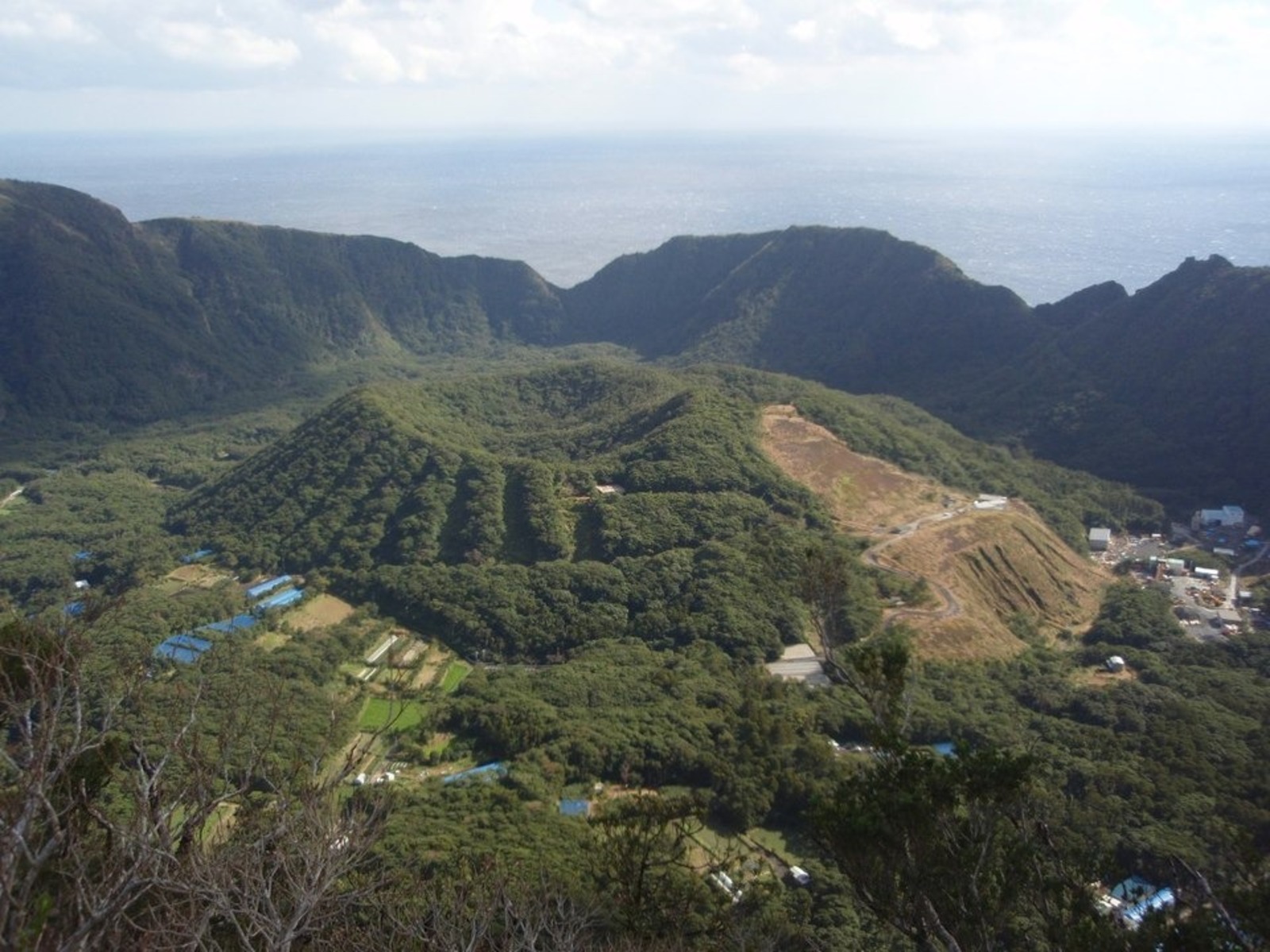
Aogashima, A Small Japanese Island 320Km From Tokyo, Houses A Village Inside The Crater Of An Active Volcano, Surrounded By Cliffs And Hot Springs
Located about 320 kilometers south of Tokyo, Aogashima is one of the planet’s most curious islands. Belonging to Japan, this small territory houses a village that once had approximately 170 residents living within the crater of an active volcano.
The scenery is impressive. Surrounded by cliffs, the island rises above the Pacific Ocean and has at its center the Ikenosawa volcano, which is 1.5 kilometers in diameter.
Aogashima is 358 kilometers from the Japanese capital and combines lush landscapes with a daily life marked by direct coexistence with nature and its risks.
-
The water crisis that could change everything this year has already begun; it’s not just about the climate, it affects technology, raises product prices, and can halt entire companies without warning.

-
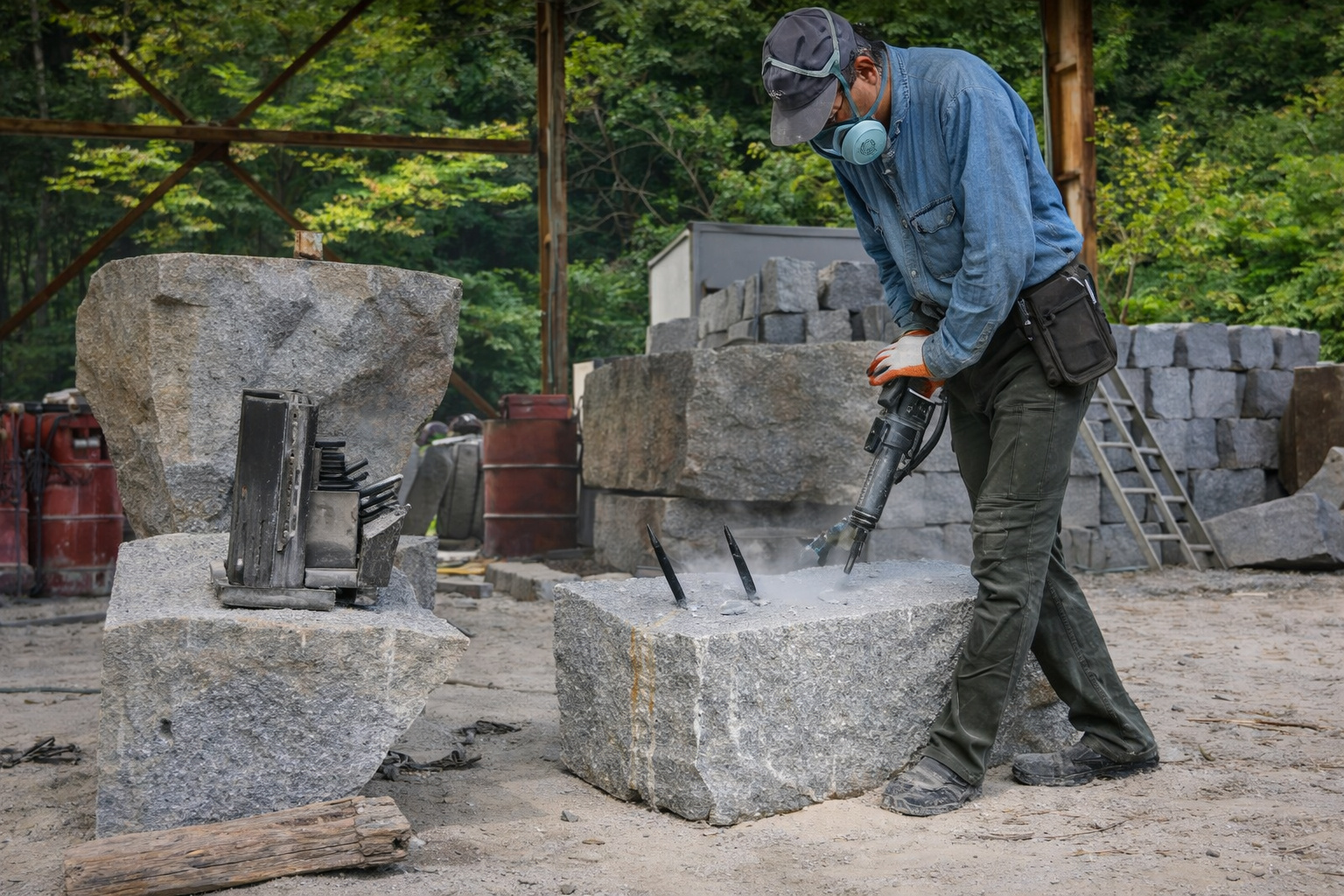
A Japanese mason transforms raw granite into small cups and handcrafted utensils, collects giant stones, cuts with precision, and impresses with detailed manufacturing and finishing.
-
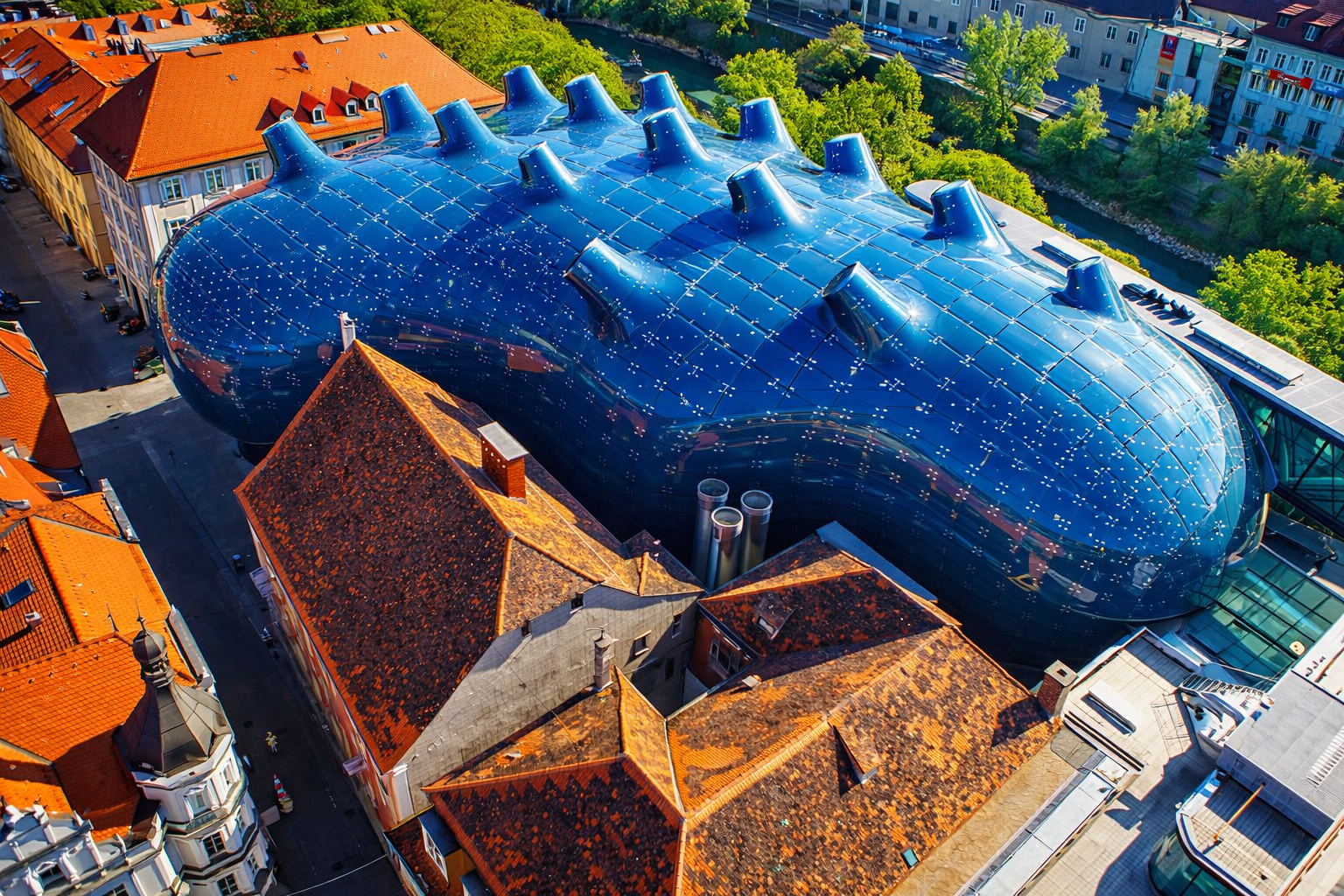
With 1,066 acrylic panels, the building known as the friendly alien is supported by a steel skeleton, has a façade that functions as a giant screen, and impresses the world without any internal columns.
-
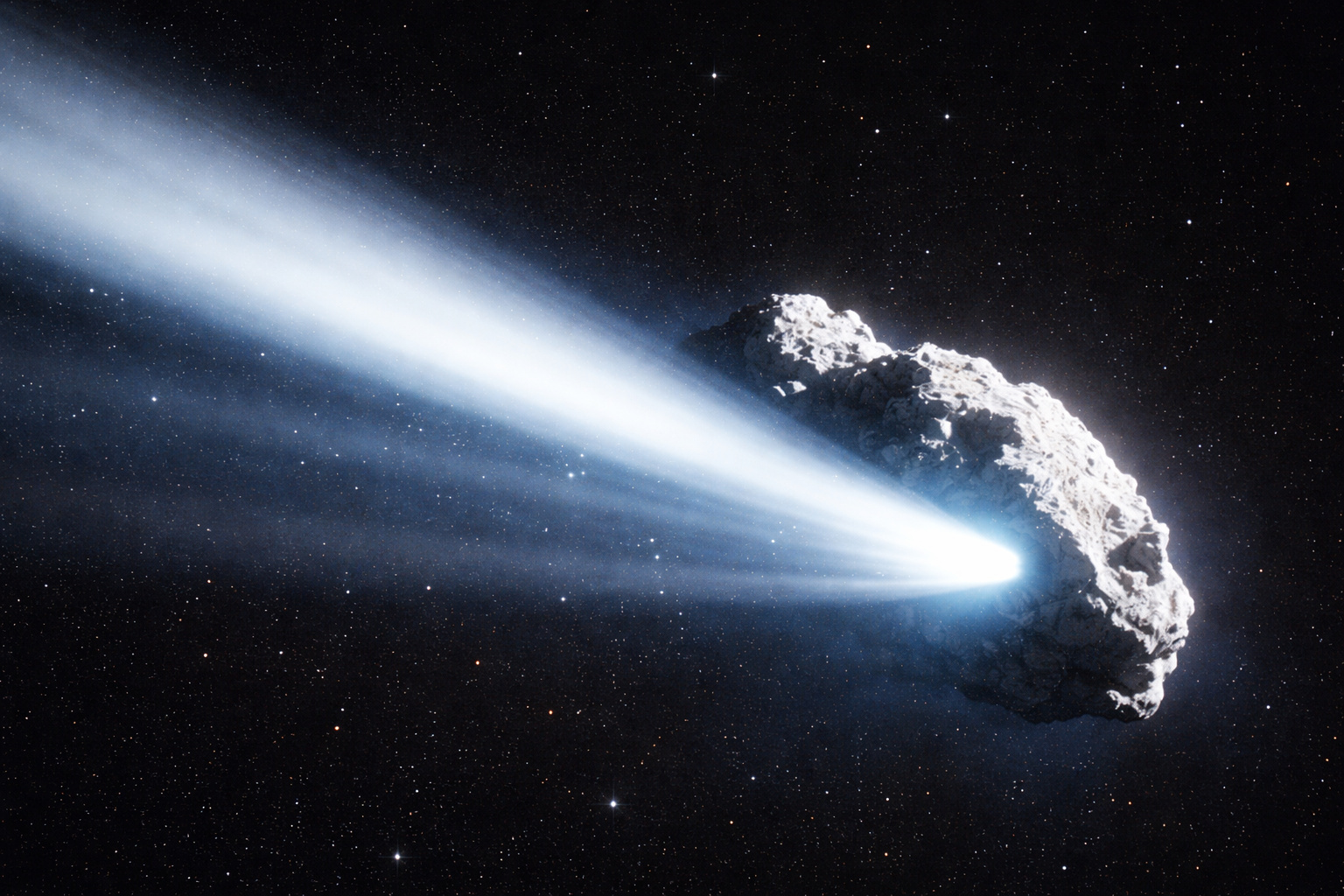
Scientists warn that a comet about 1 km in size that has started to release gases may actually change direction in space. It was spotted by NASA and surprises with potential impacts near Earth.



History Marked By Eruptions
According to historical records, the Ikenosawa volcano has caused major tragedies. According to the Clarín site, the first eruption occurred in 1781 and the second in 1785, when the population was around 300 people.
These episodes resulted in dozens of deaths and forced the complete evacuation of the island. However, five years later, about 100 residents decided to return and rebuild the community within the crater.
The history showcases the persistence of those living there. Even with the risk of new volcanic activity, the inhabitants remain, generation after generation, in one of the most isolated and fascinating places in Japan.
Difficult And Controlled Access
Getting to Aogashima is not a simple task. The geographical isolation and rugged terrain make the trip a challenge. There are two main ways to access: by boat or helicopter.
Those who choose to travel by air depart from Hachijojima Island, located 64 kilometers away. The service is operated by the “Tokyo Island Shuttle,” which makes only one trip per day, with a maximum capacity of nine passengers.
The journey takes about 20 minutes and costs over US$ 100.
Another alternative is the ferry “Aogashira Maru,” which makes between four and five trips a week. The route is slower but also cheaper.
Still, maritime conditions do not always allow for docking, as the island’s coastline is surrounded by volcanic rocks.
A Daily Life Between Fire And Sea
Despite the risks, living inside a volcano offers surprising advantages. The active hot springs throughout the year provide natural heat and energy.
The residents even take advantage of the ground’s steam for cooking: a local tradition is frying eggs directly on the crater’s edges.
Additionally, the geothermal heat drives the production of an artisanal salt made with mineral-rich seawater.
This delicacy is considered one of the main sources of income for the community, along with tourism.
The island has basic infrastructure including paved streets, a school, a post office, bars, restaurants, saunas, and camping areas.
Tourism And Natural Phenomena On The Island
Tourism is one of the region’s main economic activities. August is the busiest month, as it coincides with the Japanese summer and the peak of meteor showers, which can be observed from an observatory located at the top of the island.
Due to its unique geography and history marked by resilience, Aogashima is now a destination that blends adventure, isolation, and beauty. A place where life literally pulses over fire.
With information from Metroworldnews.





-

-

-

-

-

8 pessoas reagiram a isso.