





 Portuguese
  English
  Spanish
  5 min of reading
  4 comments




Survey Reveals Predictions About the Future of Humanity Until 2035, Highlighting Concerns About Geopolitics, Artificial Intelligence, and Economic Transformations.
A survey conducted by the Atlantic Council revealed a troubling outlook for the next decade. Of the 357 experts consulted, about 40% foresee a world war by 2035. The conflict could involve major powers such as the United States, China, and Russia, with the possibility of nuclear weapons being used and battles occurring in space.
The survey, titled Global Foresight 2025, also addressed other global issues. The survey indicated that climate change is seen as the second greatest threat by 2035. Other factorsands, such as the advancement of artificial intelligence and geopolitical changes, were also analyzed.
The Risk of a Global Conflict
The prediction of a world war arises as the main concern among those interviewed. Four in ten experts believe that a confrontation between major powers will occur in the next decade.
-
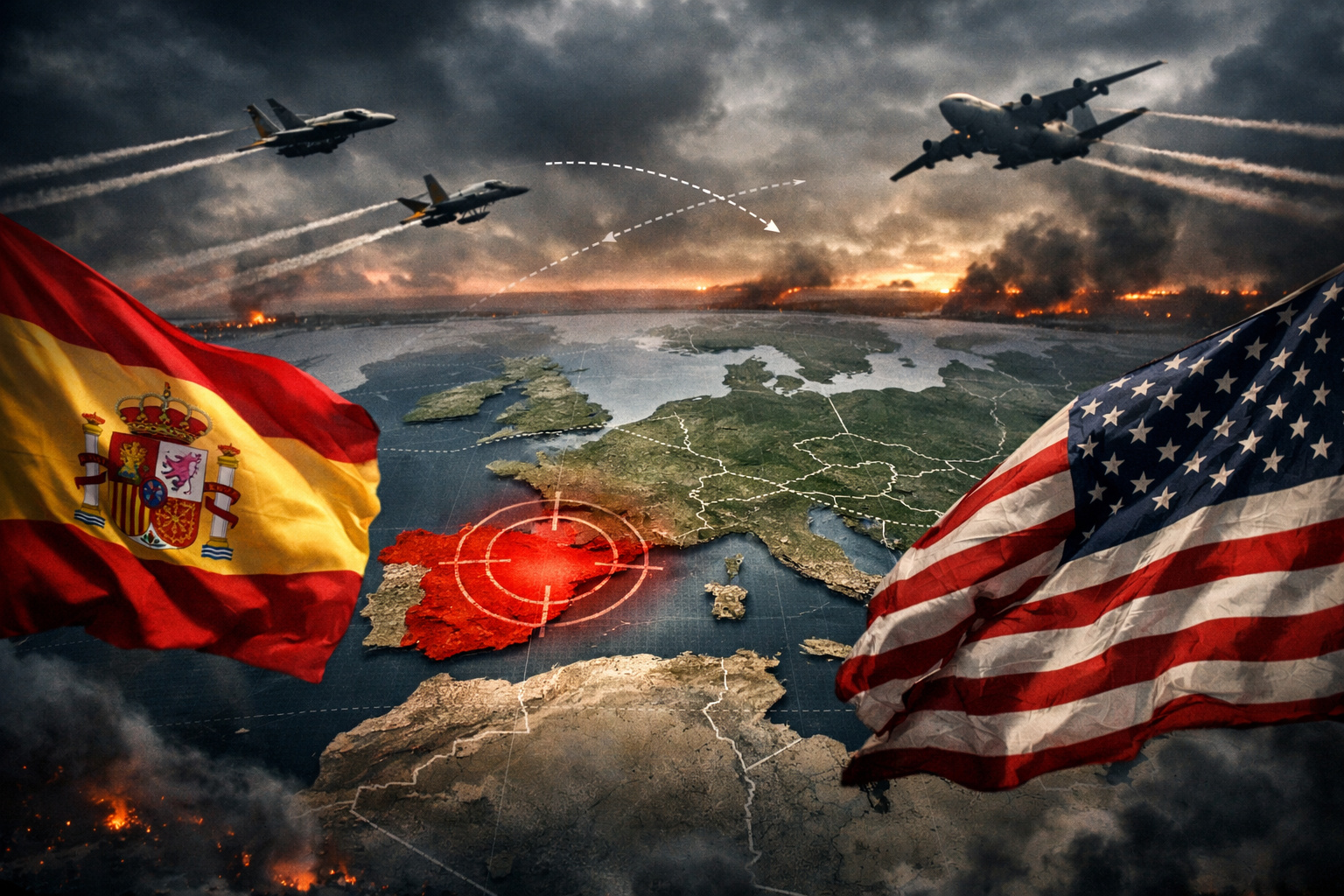
Spain challenges the USA and closes its airspace for operations against Iran, raising global tension and provoking the threat of a trade rupture.
-
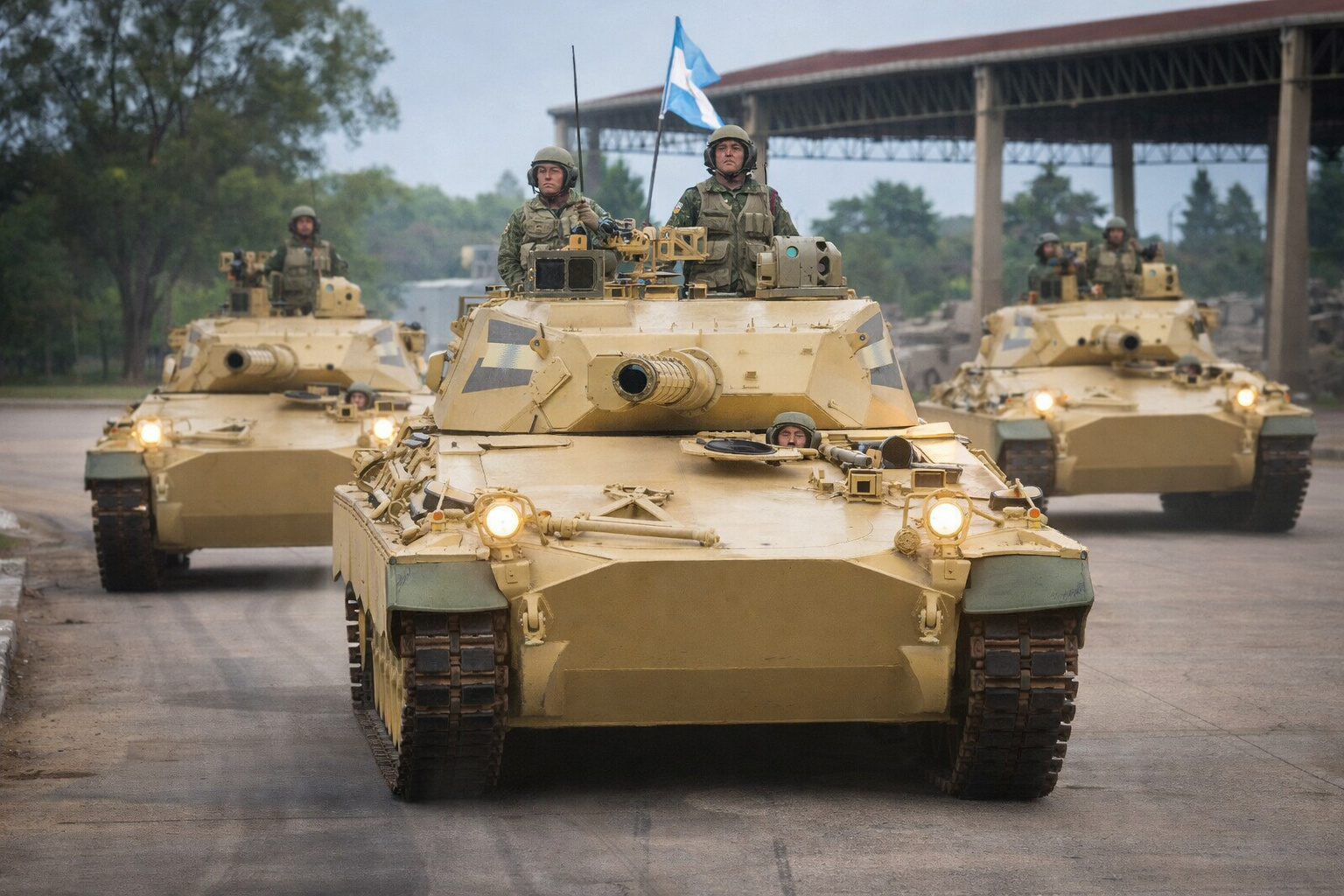
While no other country manufactures tanks in Latin America, Argentina activates the TAM 2C-A2 and raises a curiosity about the technological lag in the region.
-
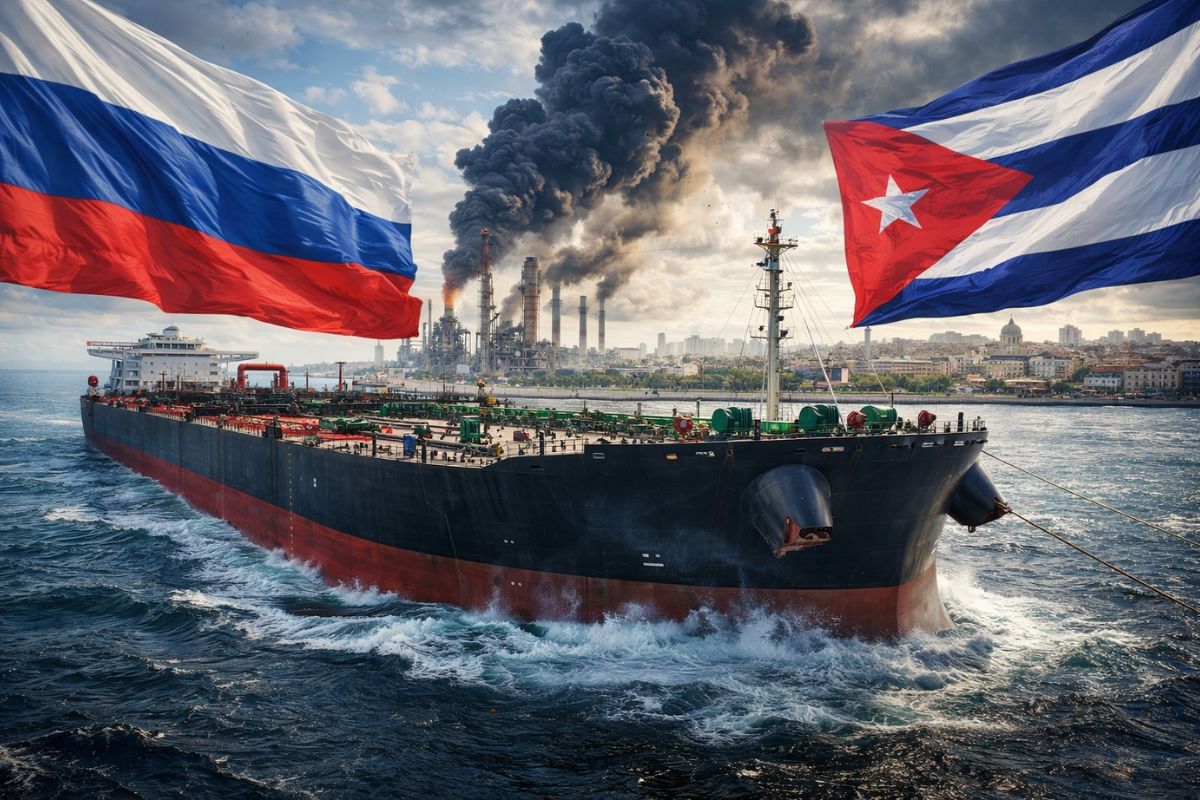
A Russian ship with 730,000 barrels of oil has just arrived in Cuba while Mexico negotiates fuel sales through private companies: the communist island is desperately seeking alternatives after losing its supply from Venezuela due to American military action.
-
Iranian drones and missiles destroyed a 270 million dollar American spy plane in Saudi Arabia, splitting the E-3 Sentry aircraft in half and injuring 12 military personnel in an attack that exposes the vulnerability of U.S. bases in the Persian Gulf.
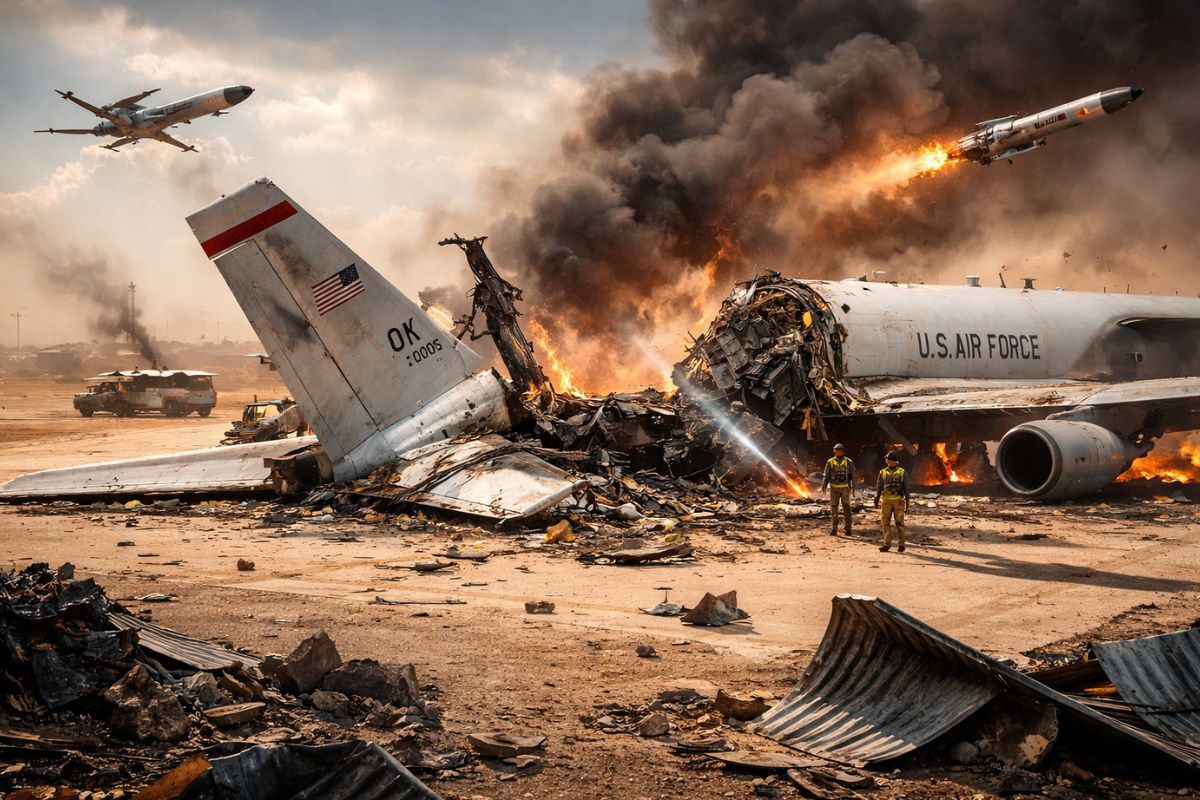

The military escalation and technological advancements are factors contributing to this outlook. The increase in military spending and the arms race are signs that support this possibility.
One example cited by experts is the creation of the U.S. Space Force in 2019, during Donald Trump’s administration. This new military branch aims to protect American interests in space, reinforcing the possibility of a conflict extending beyond planet Earth.
Additionally, other nations, such as China and Russia, are also investing in the development of space technologies for military purposes.
Another factor pointed out is the growing tension between Russia and Ukraine. According to experts, the ongoing war could turn into a catalyst for a broader confrontation.
The survey also suggests that the United States may lose economic and diplomatic influence in the coming years. This weakening could pave the way for other powers to take a prominent role on the global stage.
Furthermore, the potential participation of smaller countries in military alliances could alter the balance of power. Some nations are already reinforcing their armies and seeking strategic support to protect themselves from potential threats.
Climate Change
The climate crisis was identified as the second greatest global threat for the coming years. Three in ten experts classified climate change as the most significant challenge between 2025 and 2035.
The environmental impact could compromise food security and generate water crises in various parts of the world.
Scientists point out that natural disasters have become more intense in recent years. Stronger hurricanes, wildfires, and devastating floods are attributed to global warming.
Extreme weather events can affect entire economies, increasing the risk of forced displacement of populations.
Despite the concerning forecasts, the survey revealed that 51% of experts believe there will be more international cooperation to address the climate crisis by 2035.
The creation of new environmental policies could be decisive in reducing negative impacts on the planet.
Artificial Intelligence and the Future of Work
Another point discussed in the survey was the impact of artificial intelligence on the job market. Despite fears of job loss, most experts view AI positively. New technologies can boost productivity and transform entire sectors of the economy.
About 58% of respondents believe that artificial intelligence will bring more benefits than harm in the coming years.
However, there is concern over the decline of the United States as a leader in technological innovation. Competition with China and other Asian countries could accelerate this transition.
In the Global Foresight 2024 survey, 52% of experts believed the U.S. would continue to be the largest economic power.
In the most recent study, that number dropped to 49%. This decline could affect the country’s ability to set global trends.
Moreover, automation could replace millions of traditional jobs, requiring workers to adapt to new realities. Professional retraining policies may be crucial to avoid social crises arising from this transformation.
New Global Alliances and the Role of China
Over the next 10 years, experts suggest that new geopolitical alliances could impact global balance. Nearly half of the respondents (47.4%) believe that China will lead a new coalition formed by Russia, Iran, and North Korea. This alliance could directly challenge the West and its strategic partners.
Currently, China, Russia, and Iran are already part of BRICS, a group of 10 nations that includes Brazil. According to the survey, this alliance could become a rival bloc to the G7, a group made up of the United States, Canada, Germany, France, Japan, the United Kingdom, and Italy. The rise of this group could significantly alter international trade and diplomatic relations.
The survey also indicates an increased likelihood of a Chinese invasion of Taiwan. About 65% of experts believe that Beijing will attempt to take the island in the next decade. This number is 15% higher than in the previous year’s survey. The increase of Chinese military presence in the region reinforces these predictions.
Possibilities of War Between Russia and NATO
Another factor of concern is the tension between Russia and NATO. About 45% of experts believe that Russia will engage in direct conflict with the military alliance led by the U.S. NATO’s expansion in Eastern Europe has been viewed as a threat by the Russian government.
Among those predicting a new world war, 69% believe that the confrontation would involve Russia and NATO.
The study also warns that nine countries will have access to nuclear weapons. This includes the U.S., Russia, France, China, the United Kingdom, Pakistan, India, Israel, and North Korea. The risk of nuclear conflict remains one of the greatest global threats.
The Middle East and the Israel-Palestine Conflict
The study also examined the situation in the Middle East. The majority of experts (62.5%) believe that the situation between Israel and Palestine will remain unchanged over the next 10 years. The conflict between the two peoples has been one of the longest-lasting in modern history.
More than half of the respondents (56%) foresee Israel establishing diplomatic relations with Saudi Arabia by 2035. However, only 17% believe that a sovereign Palestinian state will be created by then.
The survey also shows that less than 10% of experts believe that Israel will normalize relations with Iran in the coming years. The Middle East continues to be a region marked by tensions and uncertainties.
The Global Foresight 2025 survey outlines a scenario of global challenges for the next decade. With predictions of wars, climate crises, and geopolitical changes, the world may face a period of instability.
Nonetheless, some experts believe in collective solutions to problems such as climate change and technological advancement. What will actually happen by 2035, however, remains uncertain.
Study available at Global Foresight.








Tenho o mesmo sentimento de que em dez anos teremos questões e desafios gigantescos; soluções para gastos com as guerras, aumento, de mortes por má distribuição de alimentos e isso está diretamente ligado com a concentração da renda nas mãos de poucos…
Quanto as guerras nucleares não acredito que uma só ogiva será acionada…
Um outro fator que é central são as atitudes e motivação de todos nós, se os governos e nós cidadãos continuarmos com as mesmas atitudes de agora, que estão só piorando; ganância pelo poder, não querer entender e colaborar com outros, certamente veremos um mundo anarquista. Todo mundo fala de ajudar o próximo, mas nada se é feito ou dito sobre as qualidades que nós humanos temos.
Dito isso, todos os governos teriam que passar por uma requalificação e depois fazer o mesmo com os seus súditos.
Mas infelizmente isso não irá acontecer, já dizia um livro muito antigo,”não é do homem guiar os seus passos.”
Teremos um rest, mas nem todos serão mortos. Aí, sim virá a paz, mas não por nossa causa…
Até lá não devemos desistir de fazer a nossa parte.
Eu não tenho mais fé na humanidade, cada vez que eu vejo uma guerra estourando em outra parte do mundo em dias atuais, mais eu me convenço disso, espero mesmo que a probabilidade de autodestruição dos seres humanos seja alta, não merecemos esse planeta. Nós desmatamos, poluímos, estamos acabando com a fauna e com a flora, causamos a extinção de inúmeras espécies de animais e vegetais, por ganância e corrupção, os próximos animais a ficarem extintos são os elefantes, leões, tigres, gorilas e rinocerontes, igualmente já está extinto o tigre branco da Sibéria, estamos acabando com o nosso oxigênio, e o pior matamos uns aos outros por religião ou política, ou simplesmente para testarmos o nosso armamento bélico, faça a pergunta a si mesmos, merecemos mesmo esse planeta?
Trombetas apocalípticas!
Sendo realista, é difícil vislumbrar um futuro otimista na próxima década já que hoje não há esforços pela paz e nem pelo meio ambiente. O amanhã depende do que fazemos hoje. No momento, EUA e Rússia parecem estar se alinhando quanto à Ucrânia, mas os conflitos no Médio Oriente deverão continuar. A Europa agora não pode contar mais com a ajuda dos EUA, porém deve se armar diante da ameaça expansionista da Rússia. O Ártico parece se4 outra região de interesses geopolítico.