





 English
  Francês
  Alemão
  Italiano
  Japonês
  Norueguês
  Portuguese
  Spanish
 3 min of reading


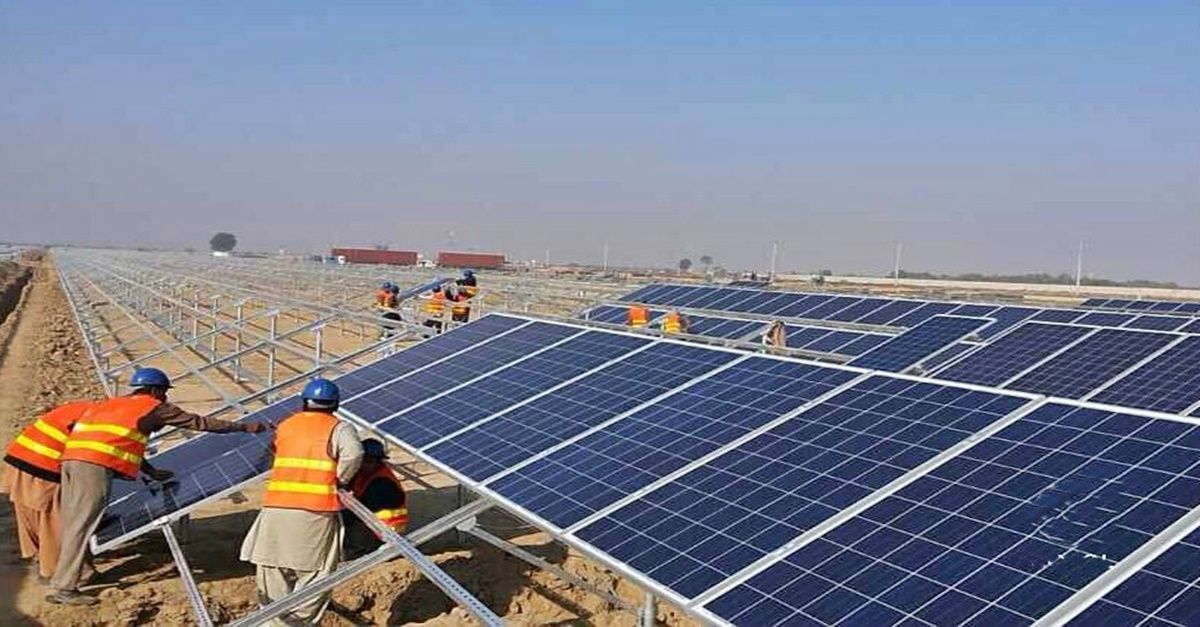
Solar Energy Companies Will Invest R$ 40 Million in Their Structures in Goiás, Which Should Create Nearly 400 Jobs
Letters of intent for the installation of two solar energy generation plants were signed at the beginning of last month by the Governor of Goiás, Ronaldo Caiado. Bolsonaro Inaugurates Solar Power Plant in Goiás and Guarantees That “The Sun Will Not Be Taxed”
Read Other News About Solar Energy
- Aneel Releases Hydroelectric Plant for First Phase of Operation Testing in Goiás
- For the First Time, Solar and Wind Energy Represented the Largest Share of New Energy Generation in the World
- Another 109 Solar Energy Equipment Have Import Tax Waived by the Government
The plants will be installed in the municipality of Santa Rita do Araguaia, in the Southwestern Region of Goiás. The contract was signed by Maxxi Plus and the Brazilian Cooperatives Union in Goiás (OCB).
Solar energy companies will invest R$ 40 million in the establishment of their structures, which is expected to create nearly 400 direct and indirect jobs.
-
Rio Grande do Sul accelerates energy transition: State invests in renewable technologies and consolidates decarbonization strategies and pathways to attract billions in new industrial investments.

-
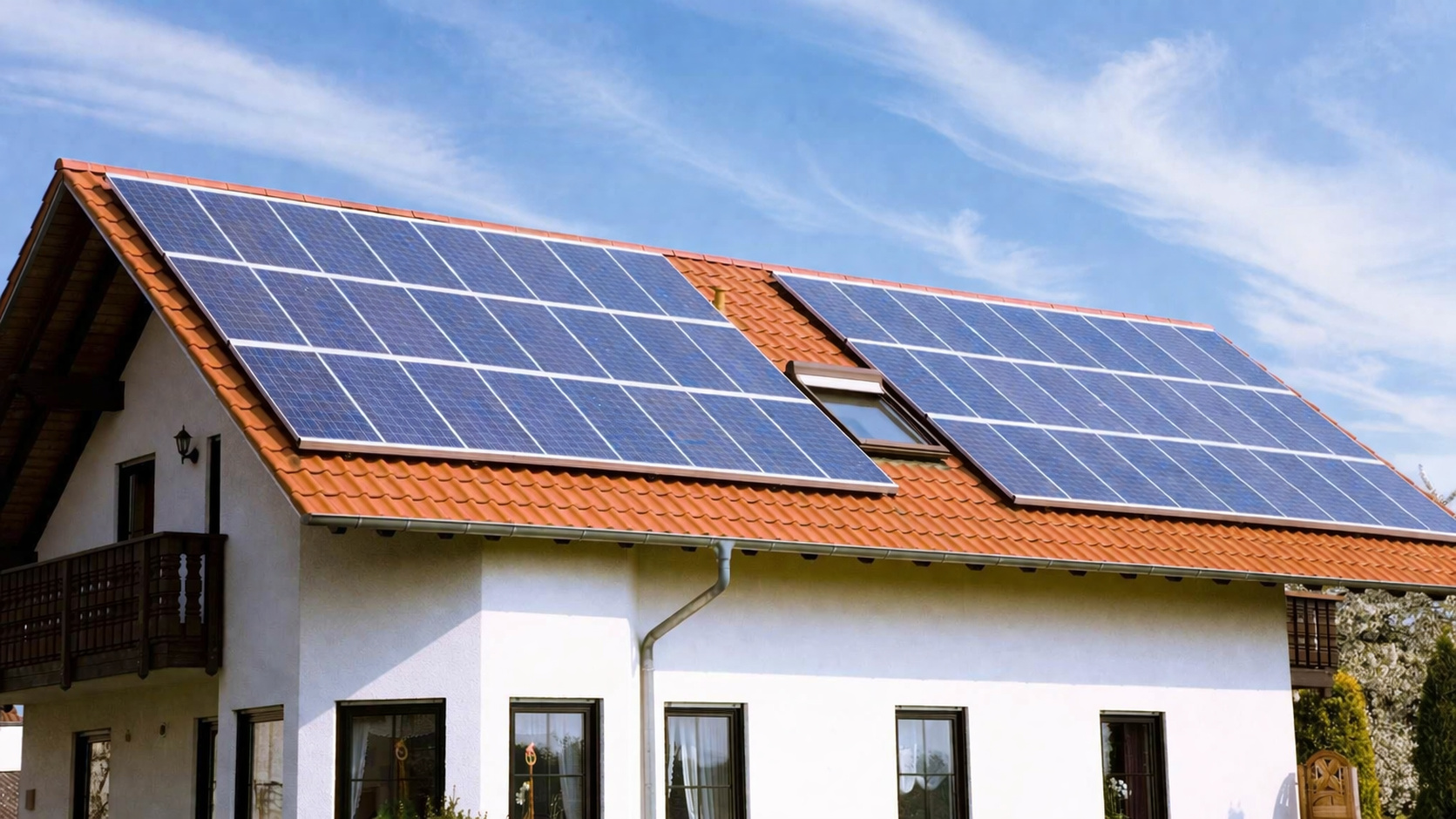
With 160,000 m² of collectors, an area larger than 20 football fields, Silkeborg, in Denmark, hosts a solar thermal plant that heats 19,500 homes and could become the largest solar heating plant in the world.

-
A study reveals the expansion of renewable energy procurement in Brazil and shows how companies are taking advantage of opportunities to reduce expenses, ensure energy efficiency, and strengthen strategic environmental commitments.

-
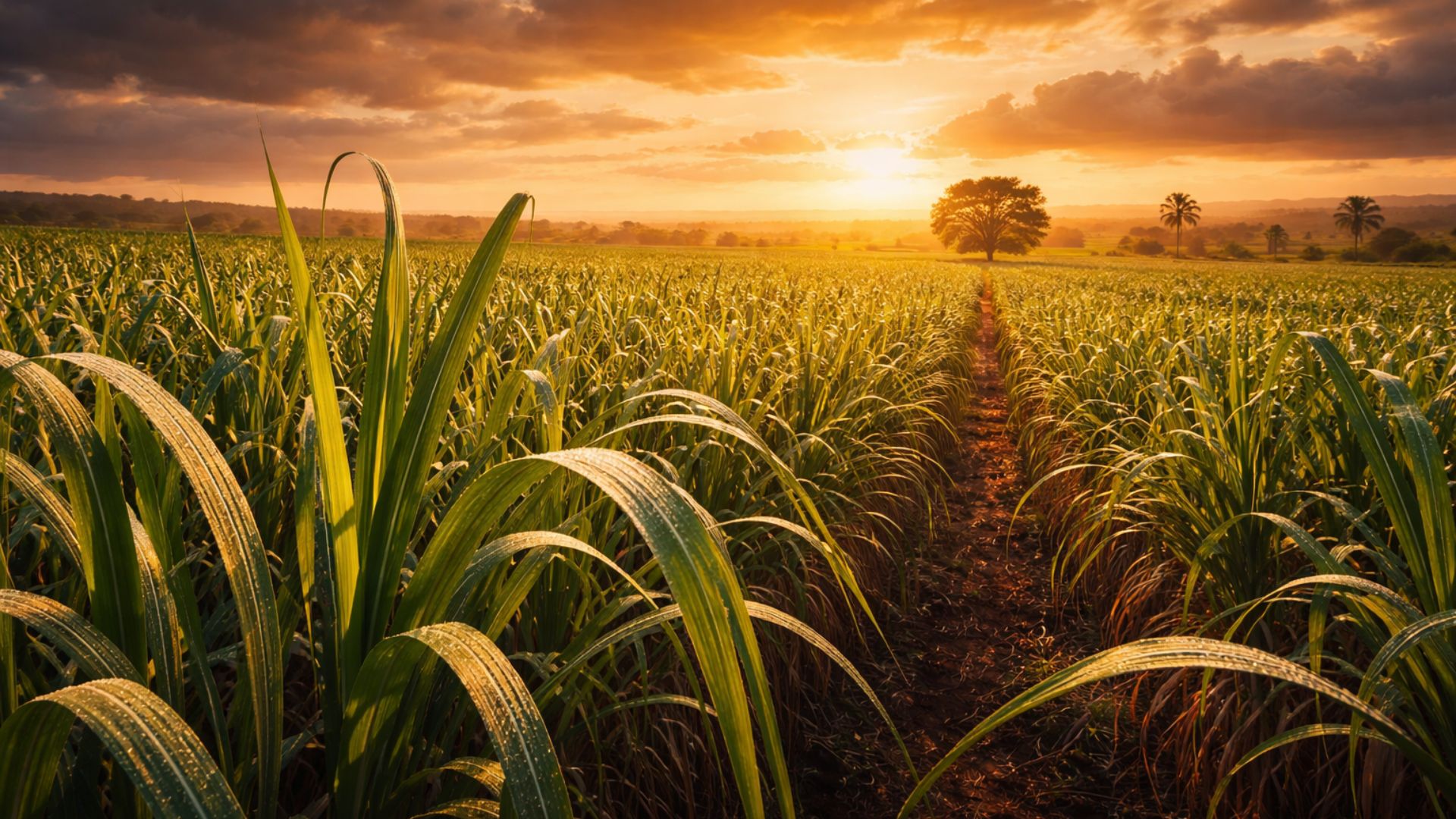
Mato Grosso do Sul excels in the sugar-energy sector: the state reaches a milestone of 22 operating mills and accelerates the production of clean energy in MS with a focus on sustainability.


Construction is expected to begin in 2020, and operations will occur in phases. The expectation is that the new solar plant of the OCB System will reach 5MW of power within four years, with a projected revenue of R$ 6 million annually.
According to Tânia Salgueiro, mayor of Santa Rita do Araguaia, the solar power plants represent “the realization of a dream,” because they will solve one of the region’s biggest problems, which is the supply of electricity. Thus, it will make the municipality a hub for clean and renewable energy, attracting the interest of new investors. “The plants have come to boost [the municipality]. They will enhance and further foster our development,” she projects.
Another advantage for Santa Rita do Araguaia is that the activities of the solar energy plants are expected to generate considerable growth in the revenue from the Tax on Circulation of Goods and Services (ICMS). “It will increase our revenue and allow the municipality to offer more public policies in areas such as health, education, and social assistance. This economic development will bring better quality of life to our community,” emphasizes the mayor.
Full Development for Goiás
The announcement of the installation of solar energy plants in Santa Rita do Araguaia is unprecedented. Never before had the city, located on the border with Mato Grosso do Sul, received support from the state government. The distribution of investments by the state is a strategy to reduce regional inequalities that Caiado adopted during his administration. The goal is to decentralize the accumulated demand in cities like Goiânia, Aparecida de Goiânia, and Anápolis, and move industrial activities throughout the Goiás interior.
In less than two years, the current government has already signed 159 protocols, with an estimated investment of R$ 6.1 billion. The Secretary of Industry, Commerce, and Services (SIC), Adonídio Neto, emphasized that this is not just about written documents but agreements that become reality. Even amidst the pandemic, he points out, “Goiás is one of three states that experienced growth in formal jobs and industrial production.”







Seja o primeiro a reagir!