





 Portuguese
  English
  Spanish
  2 min of reading
  6 comments


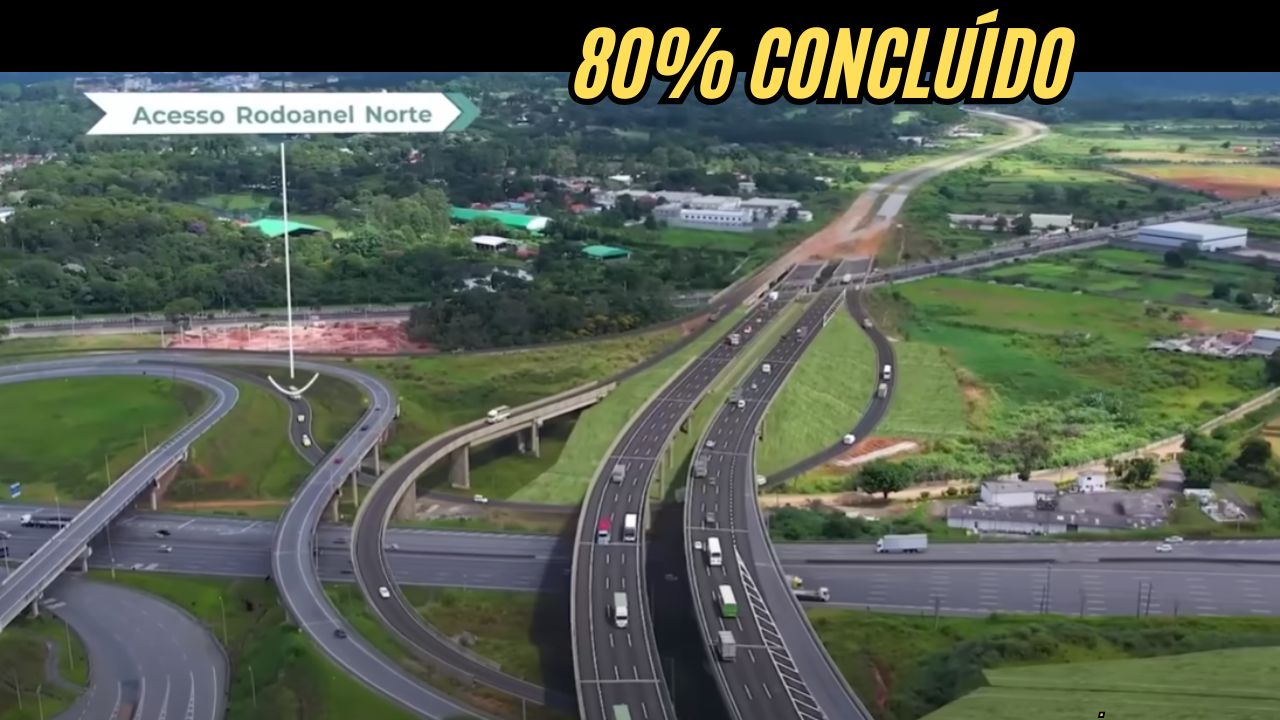


After Almost 30 Years of Challenges, the Last Section of the Rodoanel Mario Covas Is Close to Transforming Mobility in São Paulo
The history of the Rodoanel Mario Covas construction is marked by decades of environmental, bureaucratic, political, and economic challenges. However, with a completion forecast for 2026, the North section of the highway is finally close to inauguration and promises to revolutionize mobility and logistics construction in São Paulo, benefiting millions of people.
A Project of Decades
The concept of a ring road in the metropolitan area of São Paulo emerged in the early 20th century, but it only gained traction in 1998 when the project was formalized and renamed the Rodoanel Mario Covas. Since then, construction has progressed in stages, gradually connecting the main state highways.
With a length of 44 km, the North section is the most challenging of all, crossing areas of rugged terrain and environmental protection, such as the Serra da Cantareira. Detailed studies ensured that the project was viable, balancing logistics efficiency with environmental preservation.
-
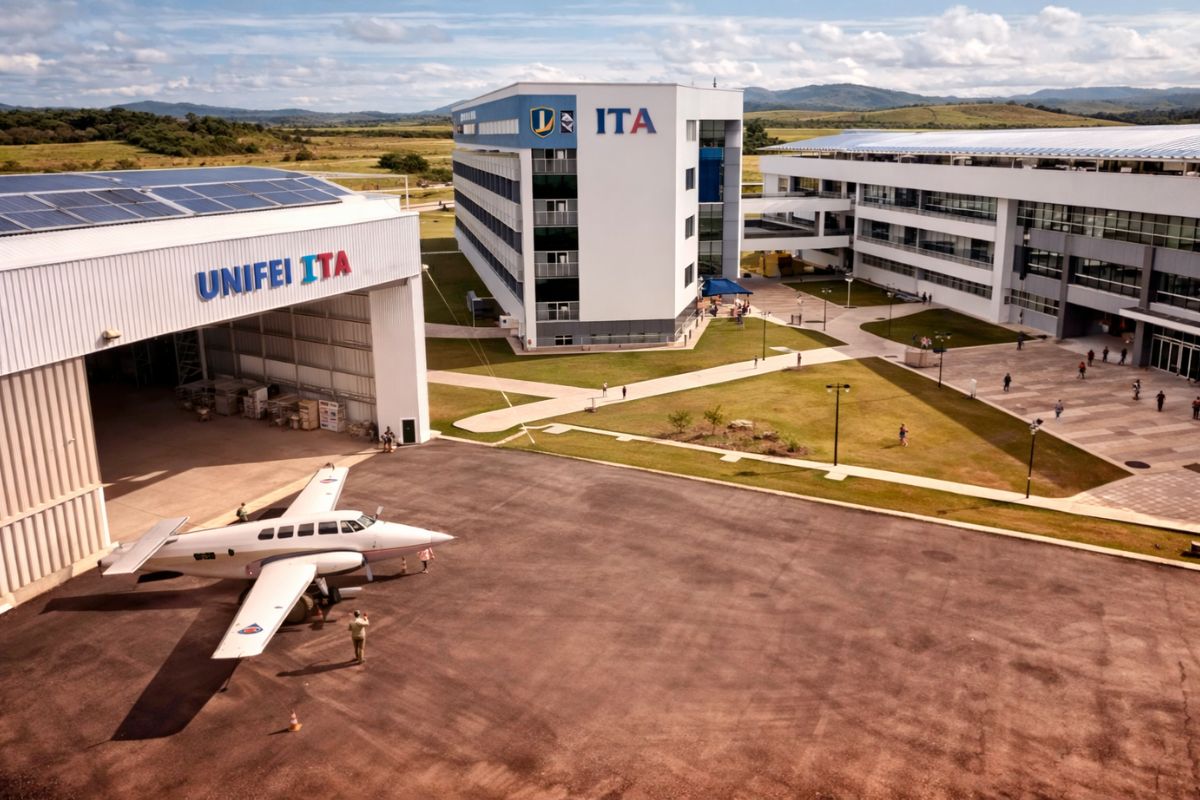
The institute that trained the greatest aerospace engineers in Brazil has just opened its first campus outside São Paulo after 75 years: ITA Ceará will have R$ 445 million, new courses in energy and systems, and classes are expected to start in 2027.
-
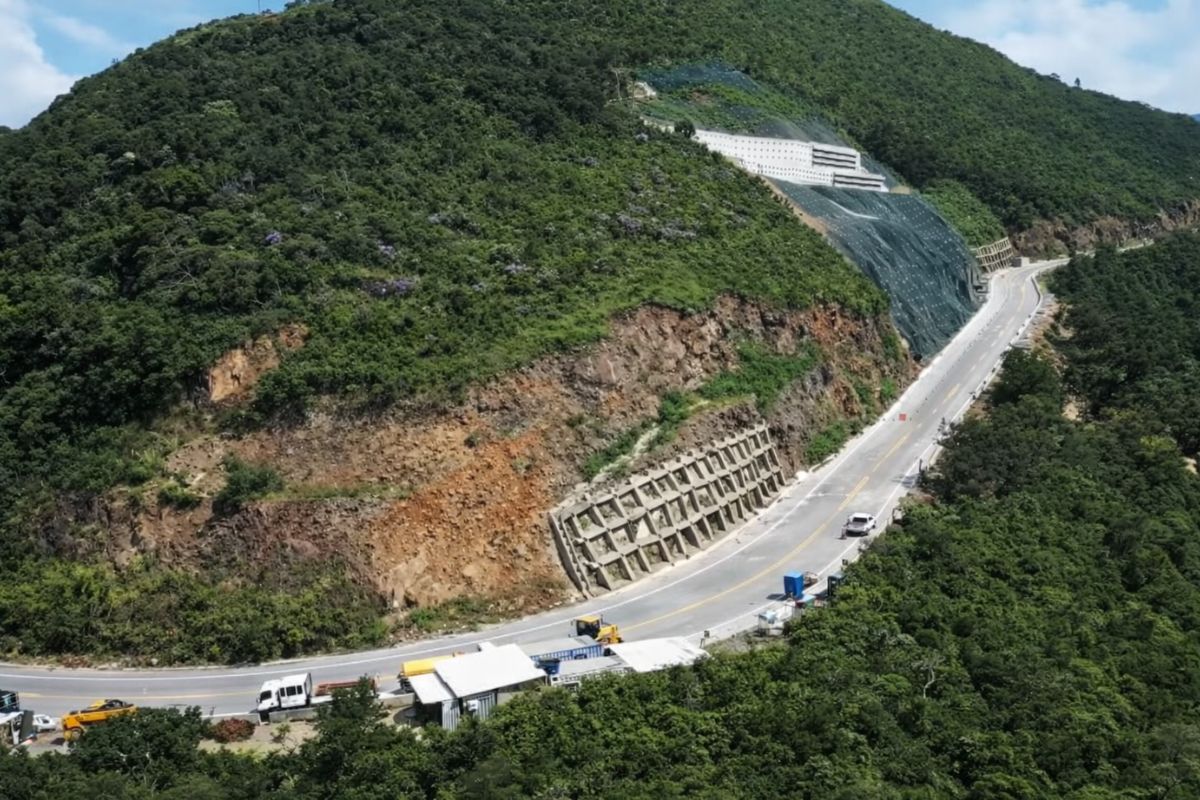
The section of Serra da Rocinha on BR-285 is now open in Timbé do Sul: 50 m tensioned curtains and top-down technique stabilize the slope, with a stairway duct controlling the water.
-
Luciano Hang, owner of Havan, goes to Juiz de Fora after the tragedy in February, brings R$ 1 million, hands out R$ 2,000 cards, and donates up to R$ 15,000 to victims in the region.

-
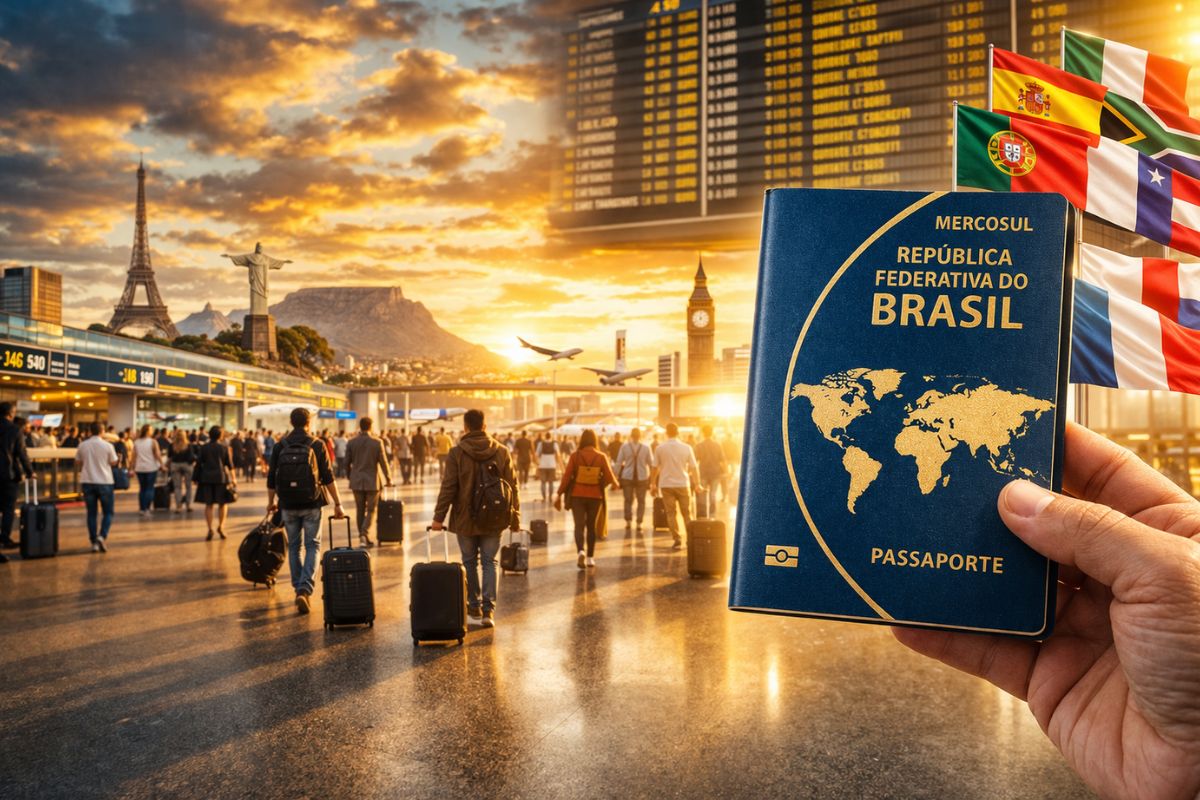
The Brazilian passport allows legal residence in dozens of countries without the need for a prior visa, and most Brazilians are unaware that they can apply for residency directly upon arriving in nations in South America, Africa, and even Europe.

Impacts and Progress of the Rodoanel Mario Covas Works
Currently, the Rodoanel Mario Covas works are 10% ahead, according to the concessionaire Via Apia, responsible for resuming in 2024. This section will connect strategic highways such as Presidente Dutra and Fernão Dias, integrating Guarulhos Airport into the road system.

The reduction in traffic in the region will be significant: it is expected that about 30% of the heavy traffic from the Pinheiros and Tietê margins will shift to the Rodoanel, improving urban fluidity and reducing logistical costs. The direct connection will also reduce transportation time to the Port of Santos by up to 50%.
Sustainability and Innovation
The construction in São Paulo incorporated advanced technologies to minimize environmental impacts. Modern ventilation systems in tunnels and specific measures for hazardous cargo enhance safety. Additionally, it is estimated that greenhouse gas emissions will be reduced by up to 15%.
The Future of Mobility
With a projected completion for 2026, the North section will consolidate the Rodoanel Mario Covas as the largest and most important road system in Brazil. In addition to solving historical bottlenecks in mobility, the project will bring economic, environmental, and social benefits, reaffirming its role in the evolution of road infrastructure and construction in São Paulo.










6 bilhões voando de mão em mão. E a população de SP, capital e interior, pagando com gastos em combustível, e horas e horas de uma péssima qualidade de vida. Esses são os nossos políticos.
É inaceitável que políticos joguem com a qualidade de vida dos cidadãos, desperdiçando recursos públicos e gerando sofrimento. A população de SP merece mais do que promessas e desrespeito.
Quando vai ser entregue
Não tem nada para comemorar, essa obra é o retrato do descaso com o dinheiro público.
É vergonhoso uma obra dessa levar mais de trinta anos, com muita incompetência levaria uns dez anos mas aqui tudo é festa.