





 Portuguese
  English
  Spanish
  5 min of reading
  0 comments


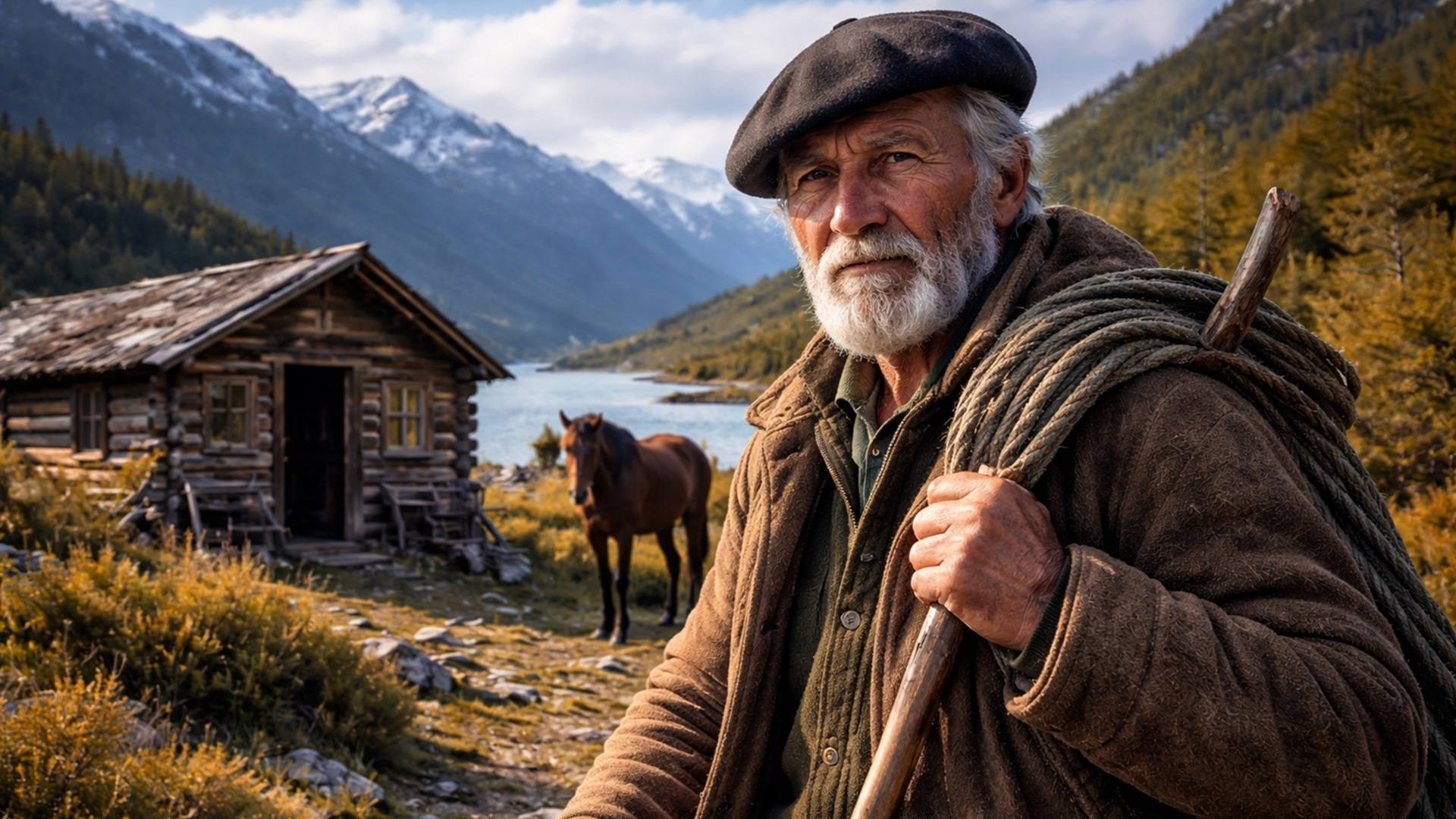
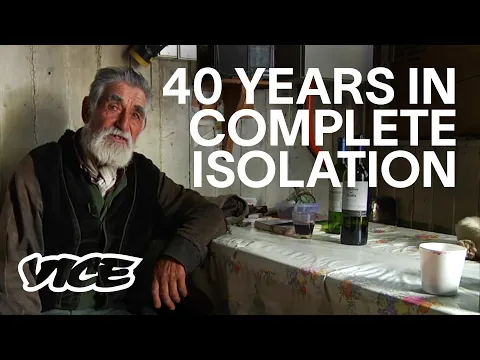
The Journey of Faustino Barrientos, The Man Who Defied Modernity by Living Alone for 46 Years in a Wild and Isolated Land in Patagonia, Without Technology and Society
The story of Faustino Barrientos is that of a man who defied time and society, living in isolation in the remote regions of Patagonia, far from modern conveniences. The VICE documentary takes us deep into this singular life, revealing the daily routine of a gaucho who chose to live in complete disconnection from civilization for over 46 years.
The Journey to Faustino: A Difficult and Uncertain Trip
The VICE team’s expedition to find Faustino began on a cold winter night in New York, with a long flight to Santiago and then a trip to the city of Cochran. After hours on the road, they took a ferry to a distant point, where, after two days of travel, they were still far from reaching Faustino.
The difficulty of reaching him is a reflection of his life choice: a life where distance and isolation are fundamental. For Faustino, this is his world, where he has become accustomed to living without the comforts of modern life.
-
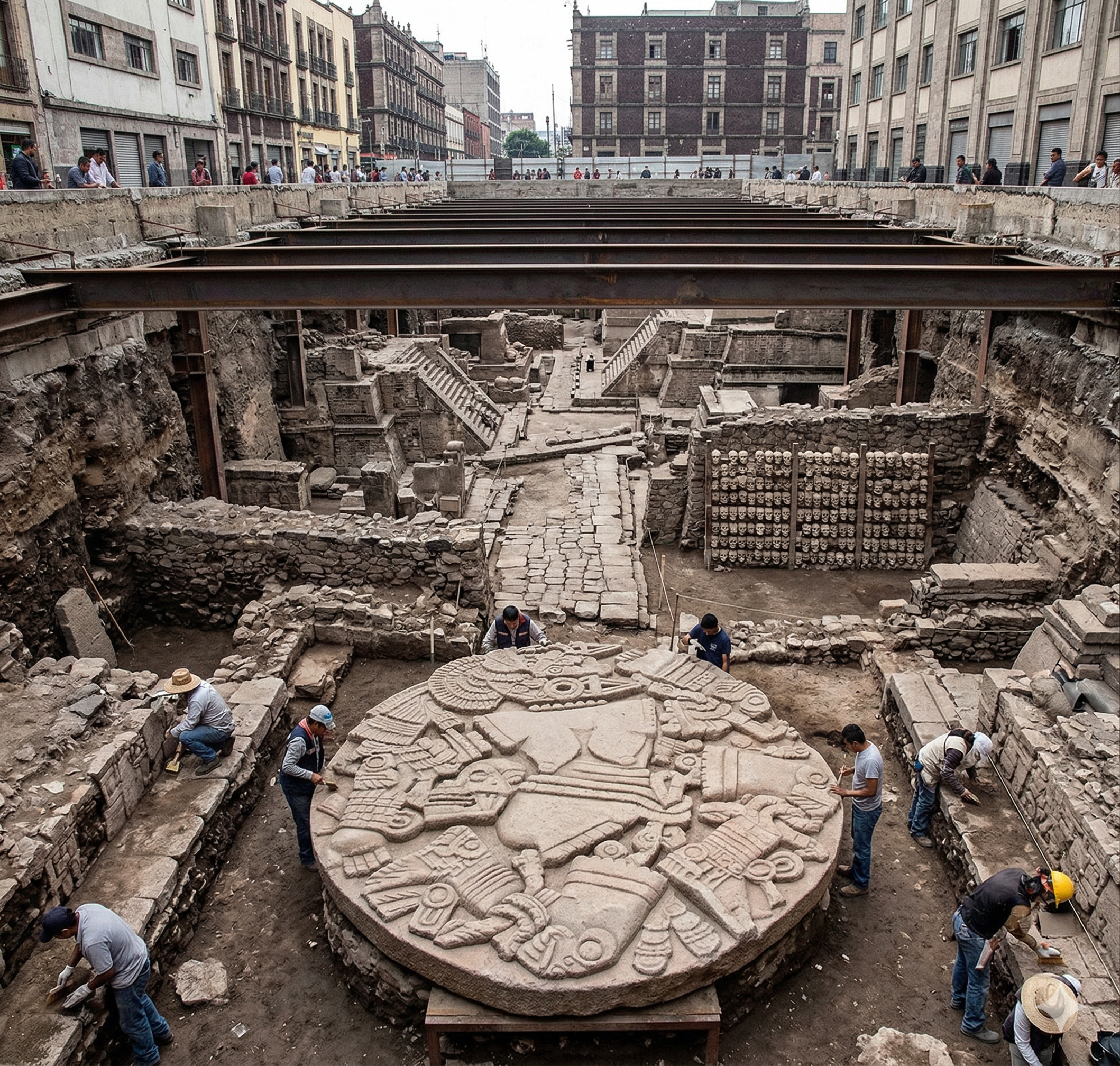
Beneath Mexico City lies an entire buried Aztec capital, and it all began when workers discovered a 3.25-meter stone disk featuring a dismembered goddess, revealing temples, skulls, and palaces beneath 22 million people.
-
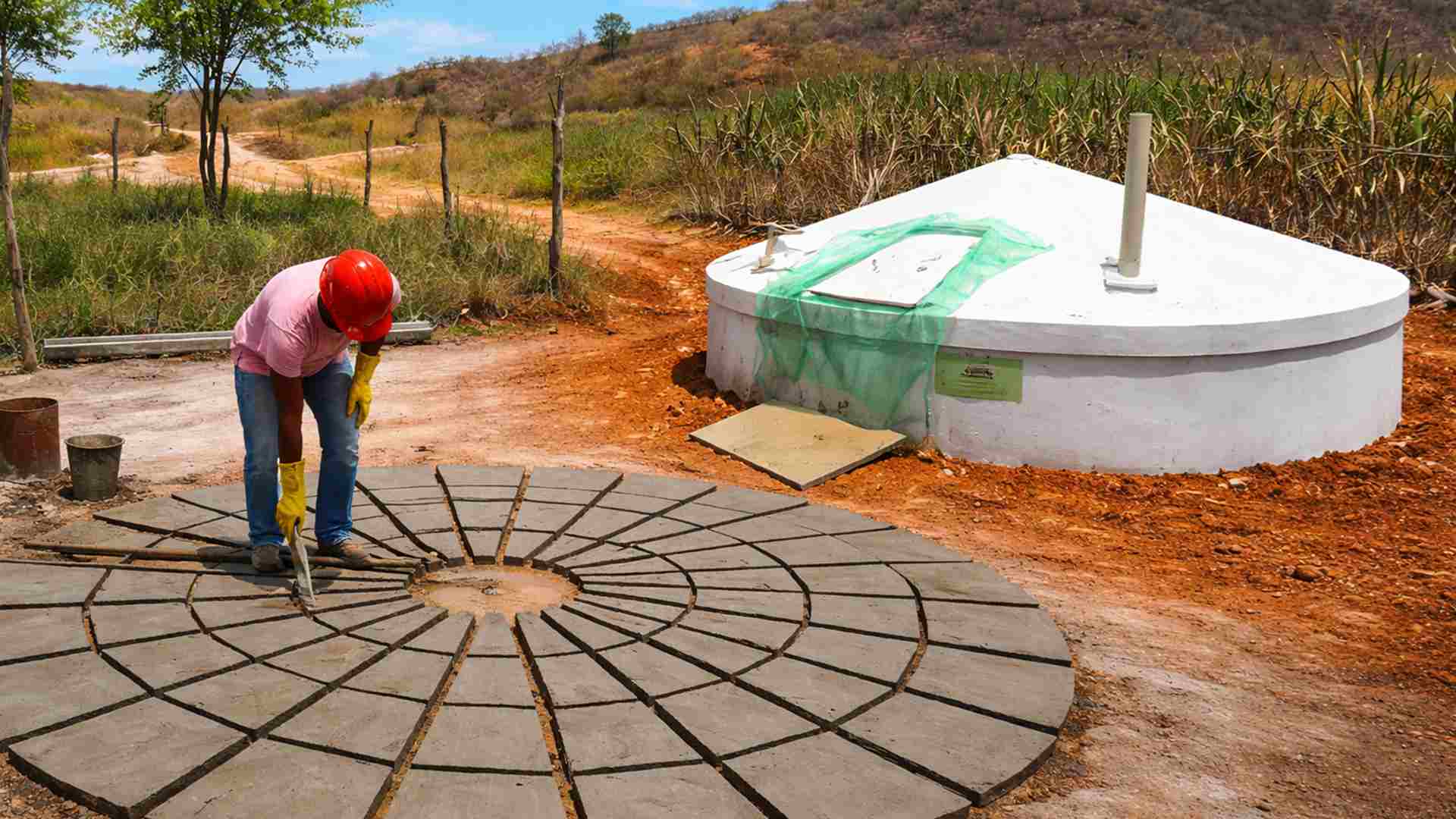
How to build a 35,000-liter cistern with 60 by 50 cm panels and rainwater for drinking and cooking without relying on water trucks or the city hall.
-
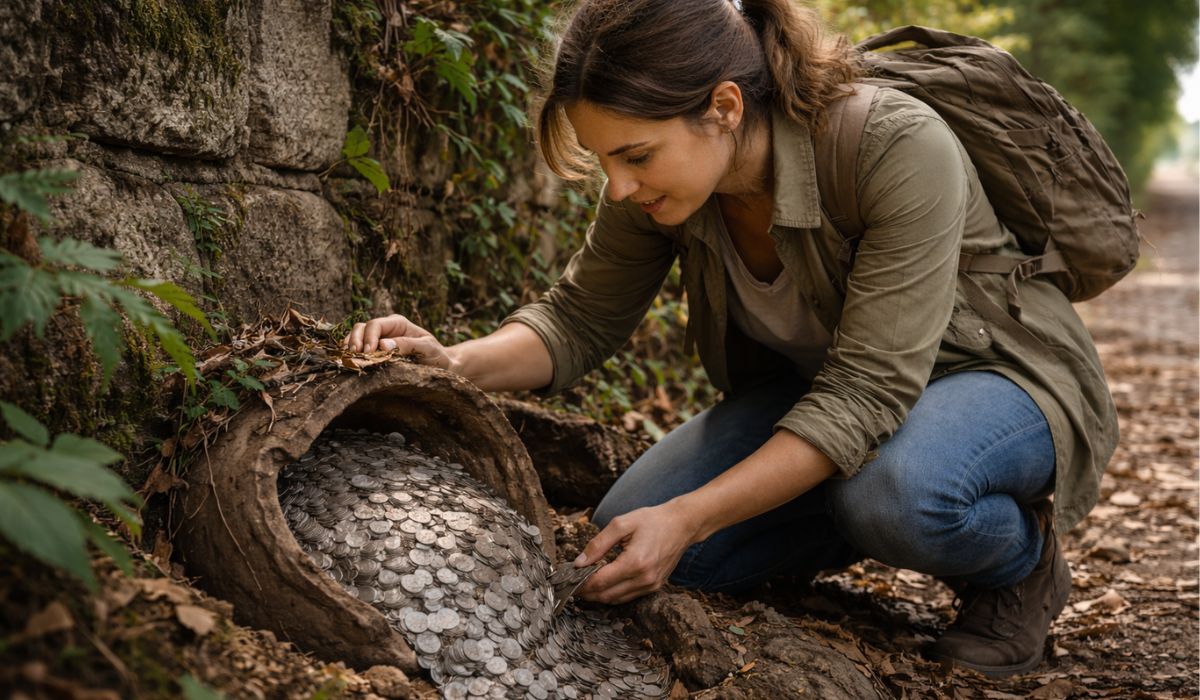
A woman went out for a regular walk and ended up finding a treasure buried for over 900 years, with more than 2,000 medieval silver coins compared by archaeologists to a lottery prize and considered one of the most significant finds in recent years in the country.
-
Scientists revealed 11 signs that very intelligent people exhibit in their daily lives, and most people have no idea that some of these common behaviors are directly linked to an above-average brain.


The Patagonia region is known for its vastness and isolation. It covers a large area that spans both sides of the border between Chile and Argentina, offering a rich and untouched ecosystem, one of the purest and least polluted places on the planet.
The experience of traveling to the end of the Pan-American Highway, which was only completed to the city of Viña del Mar, where access was previously only possible by plane or horse, is a journey that puts into perspective how challenging it must be to live in this region.
The Story of Faustino: The Lonely Life of a Gaucho
Faustino Barrientos arrived in Patagonia in 1965, when he was still a young man with few possessions and a dream of claiming the land.
Initially, he lived in a simple cabin he had found, but soon built his own house, which remains intact to this day. Over the years, Faustino learned to work the land, raise animals, and sustain himself in a self-sufficient manner.
Over time, Faustino distanced himself even further from society. He went beyond the last stretch of the Pan-American Highway, heading to the La Florida Peninsula, where he lived completely alone. Faustino’s life is an expression of freedom and solitude. He did not intend to isolate himself completely, but found satisfaction in the simple, disconnected life he sought.
Faustino built his house with his own hands, using wood he brought from afar, and made his home a unique place. He worked on building simple shelters made from leather and lantern glass to protect himself from the intense cold of the Patagonian winter.
For him, construction was not just a means of survival but also a way to express his desire to remain independent.
Challenges of Isolated Life: The Struggle for Survival
While Faustino’s life has been marked by a constant quest for self-sufficiency, he also faced enormous challenges.
The lack of communication with the outside world and the difficult access to resources forced him to be creative. Faustino was, and still is, a man of limited resources, but his ability to survive on the minimum made him a resilient figure.
He also faced harsh weather conditions, with brutal winters and sub-zero temperatures. When winter arrived, Faustino had to chop wood to make fire and ensure his house was warm.
Additionally, he depended on animal husbandry for his sustenance, something essential in a region where agriculture was not viable.
Faustino also shared his experiences on how he dealt with seasonal changes. Spring, for example, often came later, but in recent years he noticed an advancement in nature’s cycle, which he perceived as reflecting global climate changes.
Conflicts with Civilization: The Arrival of the Police
Although Faustino chose to live far from civilization, society did not leave him in peace. In 2005, the police discovered that he had weapons on his property and forced a negotiation with him to surrender the firearms.
This incident was a turning point in the change of his solitary life. The presence of authorities and the boats that now passed every 10 days to provide him with supplies marked an inevitable change. Faustino, who had previously avoided contact with any human being, was now forced to accept these visits.
However, despite these changes, Faustino never ceased to live according to his principles. Even with the increasing presence of visitors and the exchange of supplies with the city, he maintained the same life philosophy that brought him to Patagonia in the first place: independence.
The Arrival of Marcos Lancaster and the Continuation of the Legacy
At one point in his life, Faustino found companionship in Marcos Lancaster, a man who came to live with him to care for his animals. Lancaster, who met Faustino in 2007, began working with him, helping with the animal care and maintenance of his property.
Marcos brought a new dynamic to Faustino’s life, which had previously been marked by total solitude. Although the two shared a simple lifestyle, Lancaster also recognized the importance of continuing Faustino’s tradition, maintaining the property and the animals.
Faustino, who had been living in isolation for decades, seems to have found in Lancaster a kind of successor. Lancaster, in turn, plans to bring his family to live there, ensuring that Faustino’s legacy and his solitary life philosophy in Patagonia continue.
Reflections on Lonely Life and the End of an Era
The story of Faustino Barrientos is a tale of resilience, attachment to the simple and the natural. His isolated life, far from civilization and technology, reflects a time that no longer exists.
The gaucho from Patagonia represents the last gasp of an era of pioneers who lived self-sufficiently, dependent only on the land and animals.
The VICE documentary reveals, through Faustino’s life, a form of resistance to modernity and the constant societal pressure for conformity.
His story leads us to reflect on the meaning of independence, solitude, and the relationship with the environment, and about how the inevitable changes in society alter even the most isolated and independent lives.







-

Uma pessoa reagiu a isso.