





 Portuguese
  English
  Spanish
  2 min of reading
  0 comments


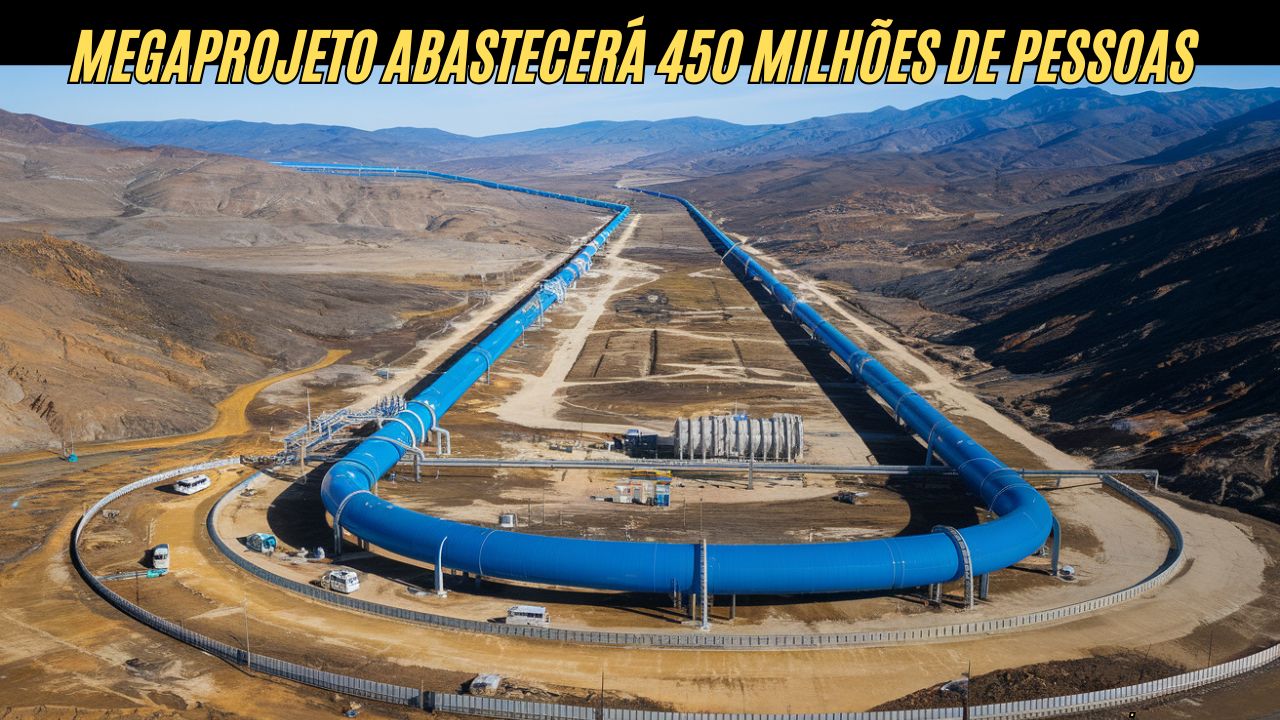
The Partnership Between China and Russia Has Just Reached a Historic Milestone with the Inauguration of the East Route, Considered One of the Largest Gas Pipelines on the Planet. The Project That Began Operating This Monday Is a Colossus of 5,111 Kilometers in Length, Capable of Transporting Up to 38 Billion Cubic Meters of Natural Gas Per Year from Russia to China.
Stretching from Heihe in northern China to the metropolis of Shanghai, the East Route is the largest individual gas pipeline ever constructed in the Asian country. It integrates one of China’s four national energy corridors, divided into northern, central, and southern routes, and plays a crucial role in diversifying the nation’s energy sources.
In addition to ensuring the supply of natural gas to critical regions such as Beijing-Tianjin-Hebei, the Yangtze River Delta, and the northeastern provinces, the pipeline promises to serve over 450 million people in nine provinces and regions, consolidating its position as one of the largest gas pipelines on the planet.
Energy Cooperation Grows Amid Global Tensions

The inauguration of the pipeline symbolizes the close collaboration between China and Russia, especially at a time when Moscow is redirecting its energy focus to Asia. Following Western sanctions and damage to the Nord Stream pipelines that supplied Europe, Russia has intensified its exports to Asian partners, particularly China.
-
Lula reveals a masterstroke by Petrobras to undo a deal made by Bolsonaro, which involves the return of an important refinery that currently produces less than half of what was expected and makes Brazil dependent on international diesel.
-
A study confirms that the natural gas sector will reduce greenhouse gas emissions in Brazil by 0.5% and accelerate the energy transition by 2026.

-
Petrobras implements a severe adjustment and confirms a 55% increase in the price of aviation kerosene with a proposal for installment payments for the companies.

-
The rise in oil prices could ensure an extra revenue of R$ 100 billion for the Federal Government, indicates a recent economic study.


The East Route pipeline is a clear reflection of this shift. Recently, the Russian giant Gazprom and China’s CNPC signed new agreements to increase supply. Earlier this year, Gazprom announced it would deliver an additional 1 billion cubic meters of gas to China. Meanwhile, the Power of Siberia pipeline, which has been operating since 2019, has also had its daily capacity expanded, consolidating the energy flow between the two countries.
The Global Impact of One of the Largest Gas Pipelines on the Planet
In addition to strengthening China’s energy security, the East Route highlights Russia’s ability to reposition its gas exports amid a challenging geopolitical landscape. For both countries, the pipeline is not only a monumental engineering feat but also a symbol of a strategic partnership that promises to shape the future of global energy.
This union between China and Russia demonstrates that even in the face of global tensions, natural gas remains a crucial link for economic and energy development.







-

Uma pessoa reagiu a isso.