





 Portuguese
  English
  Spanish
 3 min of reading
  0 comments



Have you ever imagined cutting deadlines in half without overloading your team and still eliminating that costly rework that consumes energy and budget? Automation playbooks are becoming the key asset for companies that want to compete in speed, efficiency, and quality. What once seemed restricted to technology giants is now accessible even to small teams that need to do more with less.
The Power Of Automation Playbooks
Automation playbooks are like digital manuals that guide, step by step, the flow of a task, but with the advantage of being executed automatically by intelligent systems. By applying them, repetitive activities no longer depend on constant human attention, freeing up time for what really matters: strategy, innovation, and direct contact with clients.
According to McKinsey & Company, companies that adopt automation at scale can reduce operational costs by 20% to 35%, while also increasing the speed of project delivery. Gartner indicates that by 2026, 70% of organizations will have adopted forms of automation to optimize internal workflows, doubling the productivity of lean teams.
-
In the United States, a valley 86 meters below sea level has reached 56.7°C and remains the place with the highest air temperature ever recorded on Earth, a direct result of a terrain that traps heat between high mountains in the midst of the desert.

-
Goodbye clothes with odors from use: Samsung’s device uses high-temperature steam, eliminating up to 99.9% of bacteria, removing dust mites, and neutralizing odors directly in the wardrobe without the need for washing.

-
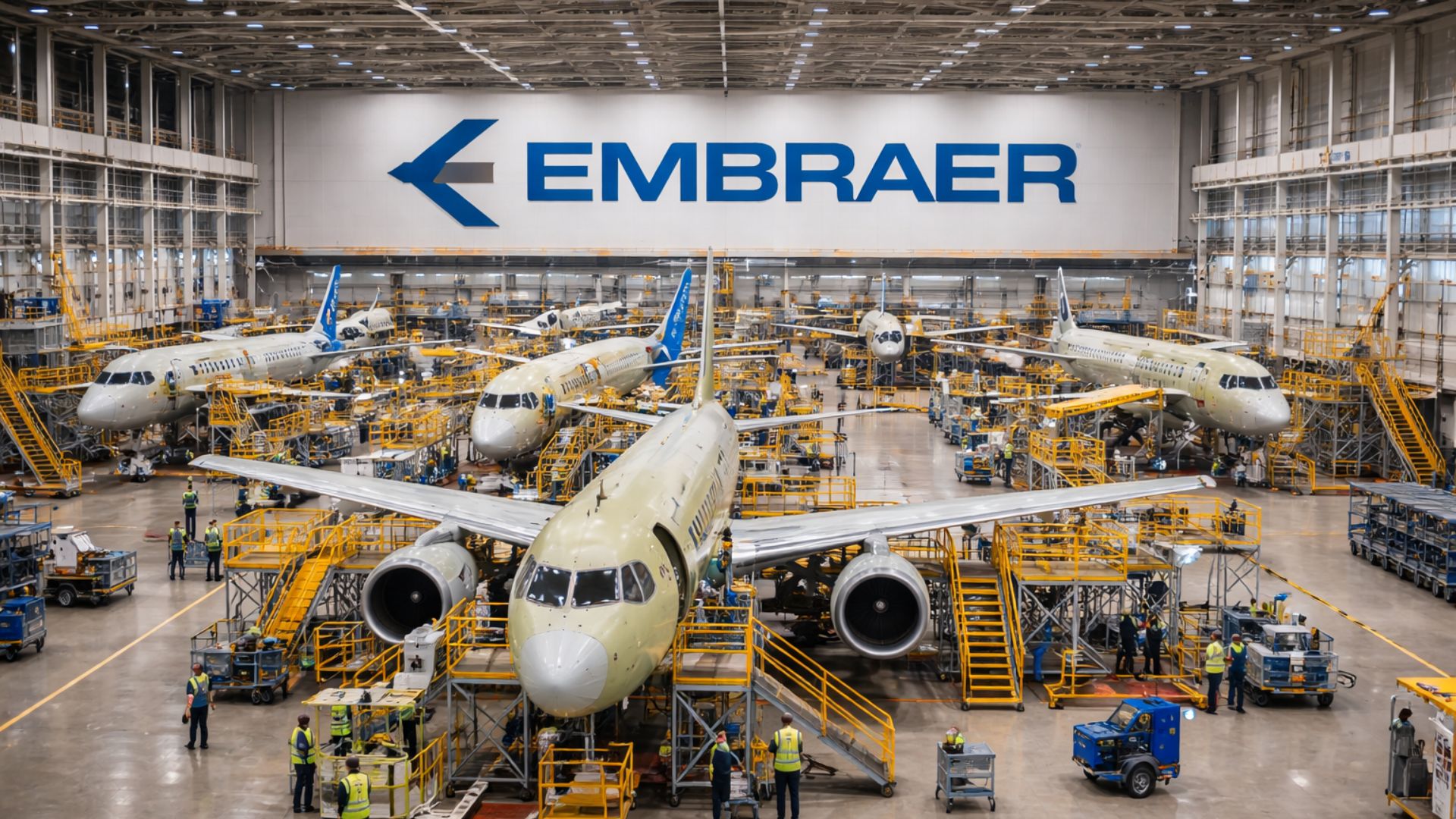
Embraer arrives in Mexico with 7 new E190-E2s in 2026, after 5 jets have already been delivered, while Mexicana surpasses 1 million passengers, plans a fleet of 20 aircraft, and expands strategic routes across the country.
-
China is not joking around and is secretly expanding its nuclear weapons infrastructure: a giant dome the size of 13 city blocks, 600 warheads, destroyed villages, and a modernized military network in record time in China, says CNN.


How To Cut Deadlines With Practical Intelligence
It’s not just about replacing people with machines, but about creating an ecosystem where humans and algorithms work side by side. The secret lies in structuring processes clearly, mapping bottlenecks, and transforming bureaucratic steps into simple commands.
Companies that applied automation playbooks in marketing areas, for example, reduced the time spent on digital campaigns by up to 50%. In customer support, automated triage and initial resolution flows freed agents for complex cases, decreasing the average response time by more than 40%.
Efficiency In Lean Teams
One of the greatest benefits is the ability for small teams to compete with giants. A startup of just five people can, with automation, perform the equivalent work of a team of 20. This happens because playbooks transform tasks such as approvals, notifications, reports, and integrations into processes that run in the background, without delays or forgetfulness.
Reduction Of Errors And Rework
Another immediate impact is the drastic drop in human errors. According to a report by Forrester Research, over 30% of errors in internal processes come from repetitive manual activities. With automation, this rate plummets, and the cost of rework virtually disappears. In addition, companies gain standardization, something essential to maintain quality at scale.
Agility In Strategic Decisions
With data processed in real time, managers can make faster and more informed decisions. Imagine having automatic dashboards that pull information from multiple sources and deliver ready-made reports, updated daily. This is the type of competitive advantage that transforms meetings into points of immediate action, without relying on long cycles of data collection and compilation.

The 5 Most Commonly Used Automation Playbooks Today
- Automated Customer Onboarding: welcome processes with sending emails, contracts, and integration to internal systems without manual intervention.
- Lead Management In Marketing: automatic segmentation and nurturing, with personalized triggering based on user behavior.
- Internal Approval Flows: documents or budget requests undergo automatic reviews following predefined rules.
- Initial Support Assistance: intelligent chatbots filter frequently asked questions and forward complex cases to humans.
- Performance Metrics And Reports: real-time data collection and visualization, eliminating the need for manual compilations.
Each of these playbooks can be adapted to the reality of the company, whether in an accounting office, a software startup, or even an industry.
A Future Where Automation Is Inevitable
Companies that resist automation tend to spend more, take longer, and lose competitiveness. Global references already indicate that the question is not “if” we will automate, but “when” and to what extent.
According to McKinsey, by 2030, 45% of the activities that currently occupy professionals’ time could be automated. This does not mean mass unemployment, but a transformation in how we use our time — more focused on creativity, innovation, and strategy, less on repetitive operational tasks.
Automation is not a luxury, it is survival. Automation playbooks not only reduce costs and deadlines but also allow each employee to use their energy to create real value. Those who start now will get ahead.









Seja o primeiro a reagir!