





 Portuguese
  English
  Spanish
  4 min of reading
  0 comments


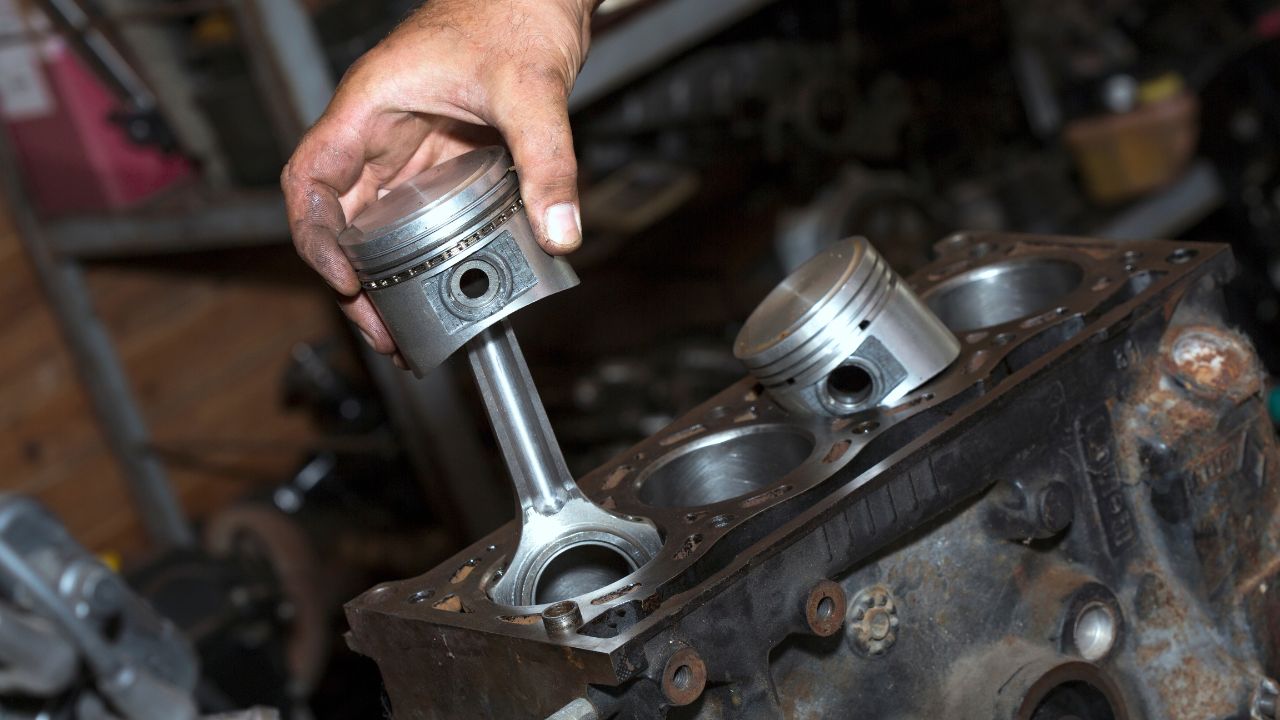
Discover The Car Parts That Go Unnoticed — Like Connecting Rod, Crankshaft, Oil Pan, Valves, And Spark Plugs — And Know Why These Parts Are So Important For Engine Performance.
Recently, Canaltech released a list of five car parts that are rarely mentioned but are absolutely essential for engine operation — including the connecting rod, crankshaft, oil pan, valves, and spark plugs.
Below, we present the highlights of this survey, reorganized to focus on the most important information first, so you can understand clearly and objectively how these car parts make a difference in daily life.
Car Parts: 5 Essential Components (Connecting Rod, Crankshaft, Oil Pan, Valves, And Spark Plugs) And Why They Determine Engine Health
1. Spark Plugs
The spark plugs, although small, are indispensable car parts in the combustion engine.
-
A French brand placed a car on four huge red balloons to prove that its suspension made the vehicle “float,” and the surreal scene became one of the most iconic and unusual images in automotive history.

-
Jeep Avenger begins production in Brazil, debuting as the brand’s new entry-level SUV and inaugurating an unprecedented phase by becoming the first national Jeep manufactured outside of Goiana, as part of a R$ 3 billion plan.

-
Costing R$ 12,490, the new Shineray Urban Lite 150 “cheap one” arrives in Brazil with a CVT transmission, digital dashboard, and LED lights, making it more affordable than the Biz and targeting those who want to abandon the bus.

-
Ducati brings to Brazil the Superleggera V4 Centenario: 228 hp that become 247 with a track kit, carbon fiber and carbon-ceramic brakes, estimated price between R$ 1.5 and 2 million, deliveries only in 2027.


They produce the electric spark that ignites the air-fuel mixture in the cylinder.
When they are worn, ignition failures, increased fuel consumption, and loss of performance occur — making this car part one of the first to check in preventive maintenance.
2. Valves: Gas Inlet And Exhaust Regulators
Inside the engine, the valves control the intake of the air-fuel mixture and the exhaust of the gases resulting from combustion.
In more modern engines, systems like VVT (Variable Valve Timing) allow automatic adjustments to improve performance and consumption — which shows that even seemingly simple car parts have evolved significantly.
3. Oil Pan: The Oil Reservoir That Protects The Engine
At the base of the engine is the oil pan, a metal tray that functions as the reservoir for the lubricating oil. This oil is pumped to lubricate other moving car parts.
In addition to storing oil, the oil pan helps dissipate heat.
And being located at the bottom of the engine, it is vulnerable to impacts — therefore, protecting the oil pan can prevent serious damage to other car parts.
4. Crankshaft: The Central Shaft That Generates Movement
The crankshaft (or crankshaft) receives the motion from the connecting rods and converts it from reciprocating motion into rotational motion, which is transmitted to the gearbox and wheels.
As an extremely critical car part, its misalignment or failure can cause vibrations, increased consumption, and even complete engine seizure — making preventive maintenance essential.
5. Connecting Rod: The Link Between Piston And Crankshaft
Finally, the connecting rod connects the piston to the crankshaft and converts the piston’s linear motion into rotation.
Due to dealing with high pressures at high RPM, if this car part breaks, the damage can be catastrophic to the engine.
Often, the failure requires the entire engine to be replaced.
Why Knowing The Car Parts Makes A Difference
- Understanding these car parts helps in preventive maintenance: knowing what to look for before a serious failure occurs.
- Recognizing signs of wear or malfunction in these car parts can avoid high costs with engine replacement or repair.
- When taking the car to the workshop, you will have more confidence to ask questions and understand the diagnoses — after all, you already know the role of these car parts.
Practical Maintenance Tips For Car Parts
To keep car parts in good condition, it is important to check the recommended replacement interval for spark plugs and adhere to that timeline.
Moreover, strange noises or vibrations in the engine may indicate problems with the crankshaft or connecting rod, requiring immediate attention.
It is also essential to confirm whether the oil pan is protected by a plate or shield, as impacts can damage this critical part.
If the vehicle is consuming oil above normal levels or emitting bluish smoke, there may be issues with the valves or wear on the connecting rod.
Finally, during inspections, it is advisable to ask the workshop to check the alignment and balancing of the crankshaft, a central part for the smooth functioning of the engine.
Often, we pay attention to more visible car parts — tires, brakes, suspension — and forget about these internal car parts, which work silently but are essential for the longevity and proper functioning of the engine.
By knowing and valuing components like spark plugs, valves, oil pan, crankshaft, and connecting rod, you elevate the level of care for your vehicle and avoid unpleasant surprises in mechanics.
Therefore, paying attention to these parts is always a good decision.
With information from CanalTech.









Seja o primeiro a reagir!