





 Portuguese
  English
  Spanish
  4 min of reading
  1 comment




What Leads a Car Manufacturer to Change a Car Name? Discover Five Models That Went Through This Process in Brazil and Understand the Reasons Behind Each Change.
In the automotive market, name changes can be strategic and even surprising for consumers. Several popular car models have undergone transformations over the years, adjusting their identity to better fit the public’s needs or the manufacturer’s strategies.
Next, we will explore five cars that changed names in Brazil and understand the reasons behind these modifications.
See Which Are the 5 Cars That Changed Again in Brazil
Citroën Aircross: The Return to the Original Name
The story of the Citroën Aircross in Brazil is a real roller coaster of names.
-
The car stored for 38 years: when opening the barn door, what appears is breathtaking and looks like a scene from a movie!

-
Fiat works miracles in the Brazilian market, lowers the price of its 0 km hatch to R$ 69,990, reestablishes the model as the cheapest car in the country, and reignites the battle against Kwid and C3.
-
Chevette with cooking gas: How the gas cylinder ends up being used in cars clandestinely and why this makeshift solution can result in leaks, explosions, damaged engines, and seized vehicles.

-
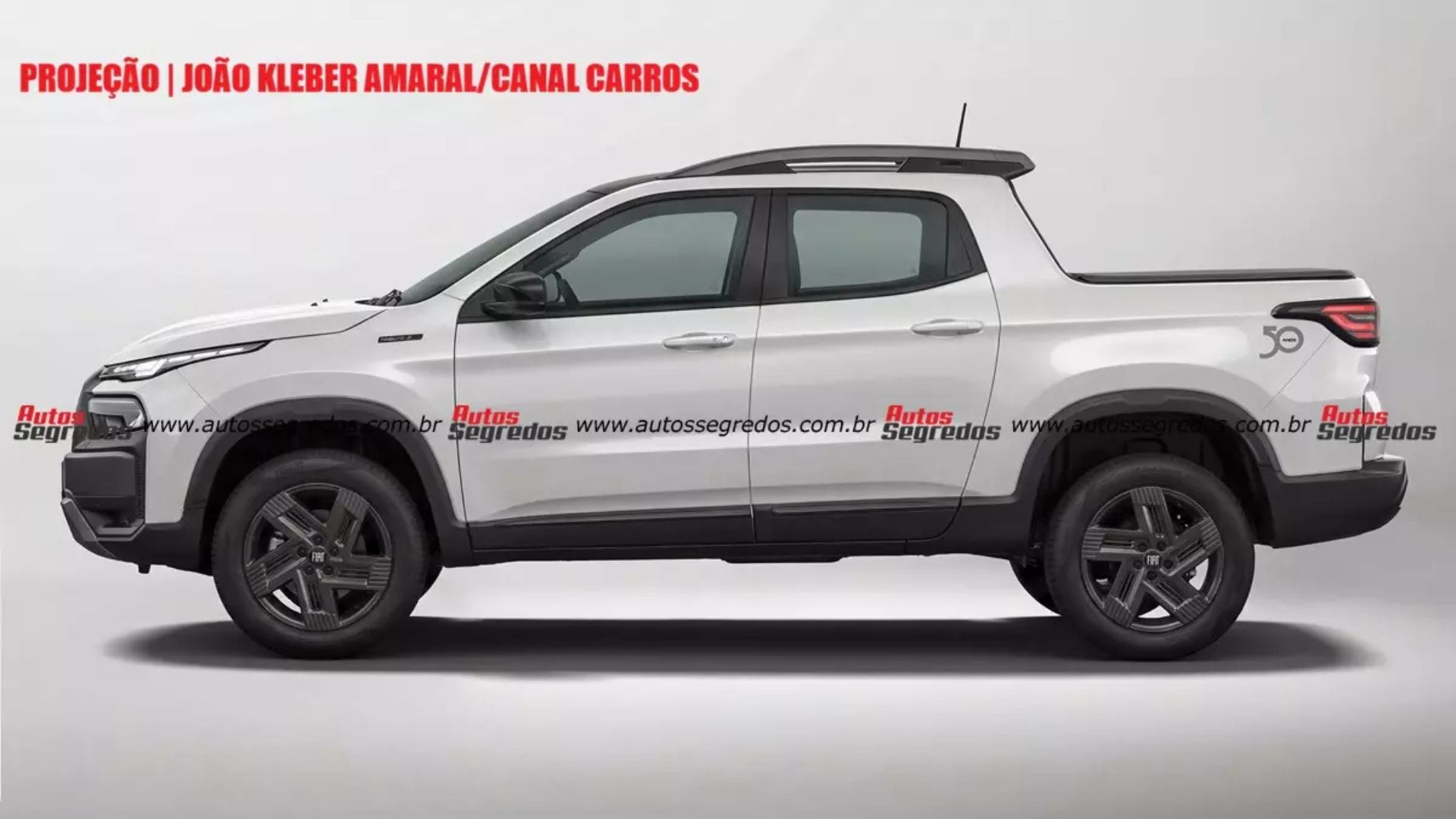
Fiat launches the new 2027 Toro hybrid with 48V, 176 hp, an electric motor of 15.5 hp, a 0.85 kWh battery, up to 7% fuel savings, 8% fewer emissions, and possible exemption from IPVA.

Originally launched as Aircross, an adventurous model with minivan design, it underwent a significant change when it became C3 Aircross to include the Picasso version.
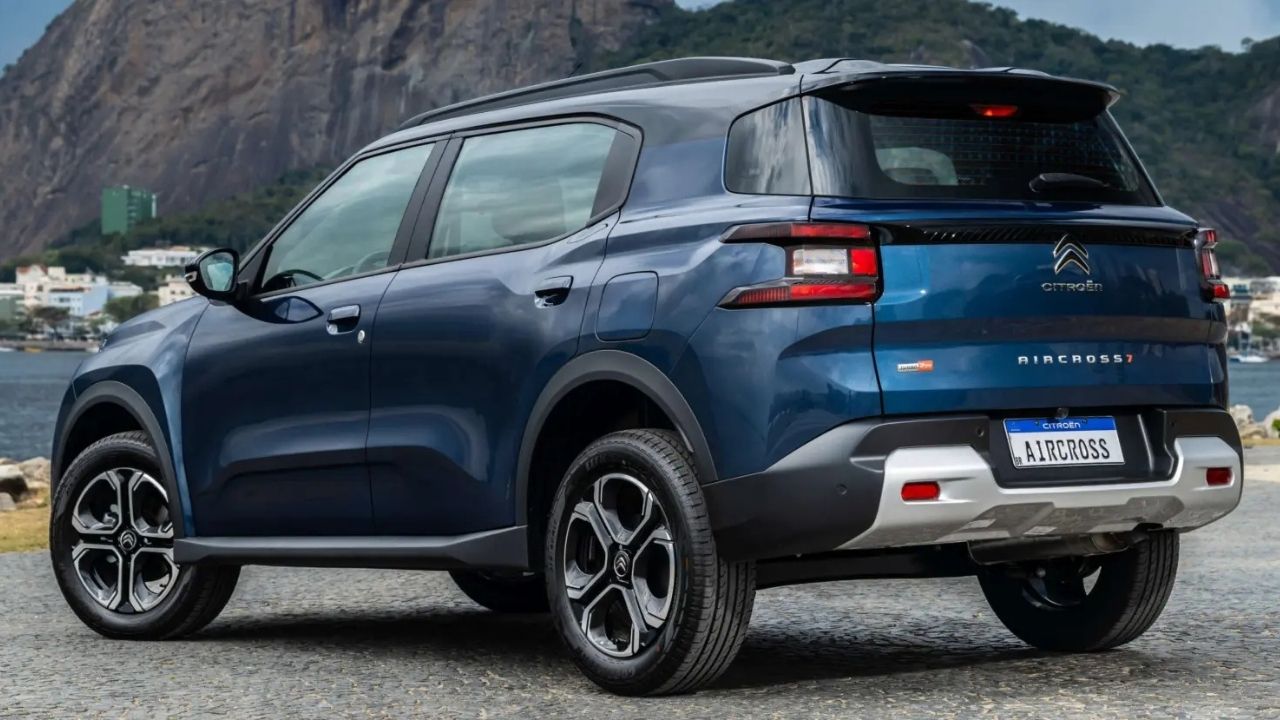
This change aimed to convey a more sophisticated image associated with the C3 line of the brand.
However, in 2026, Citroën decided to simplify and remove the “C3,” returning to the name Aircross.
Fiat Mille: From “Uno” to Icon of Economy
The Fiat Mille had a modest origin. Initially, it was a simpler version of the Fiat Uno, with a 1.0 engine that made it a quite affordable option.
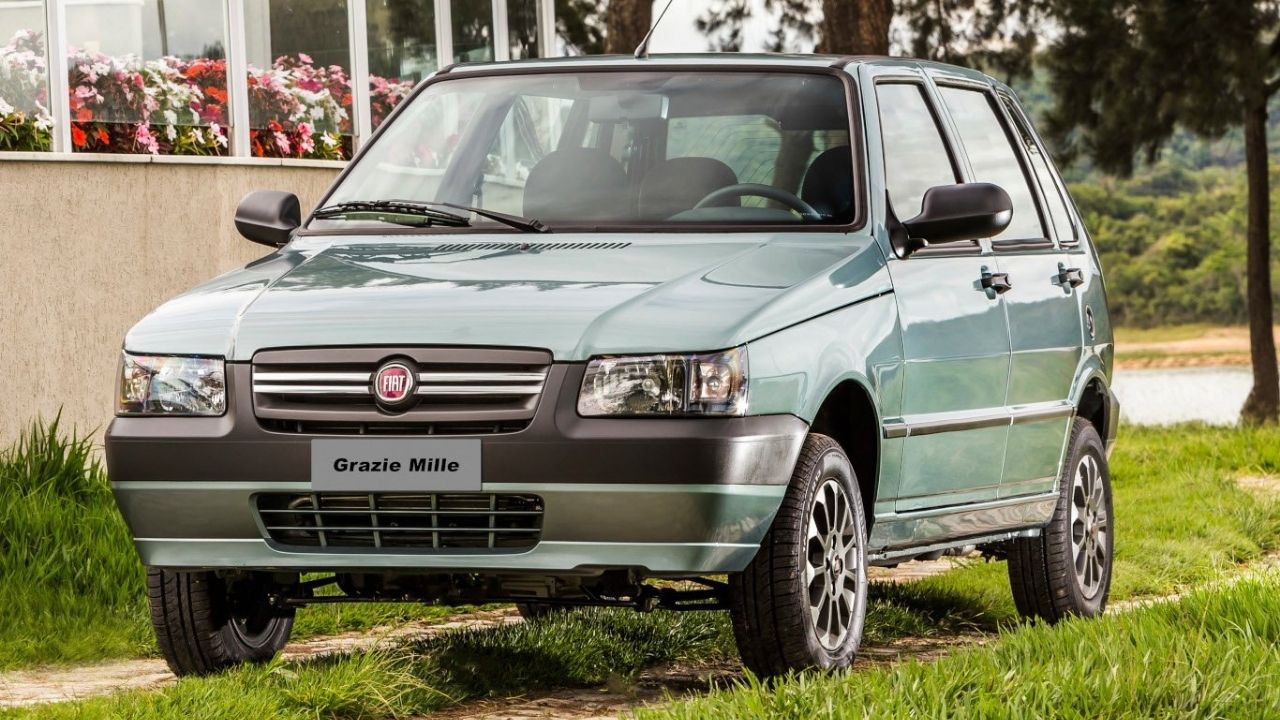
Over time, Fiat adapted the model and associated the name Mille with a more compact and simplified car, featuring more squared lines in its design.
The change from Uno to Mille was gradual and, with the second generation, the separation between the two models became even more evident.
Chevrolet Classic: The Corsa Sedan in a New Look
The Chevrolet Classic is, in fact, a Corsa Sedan of the second generation, but with an interesting marketing strategy behind it.
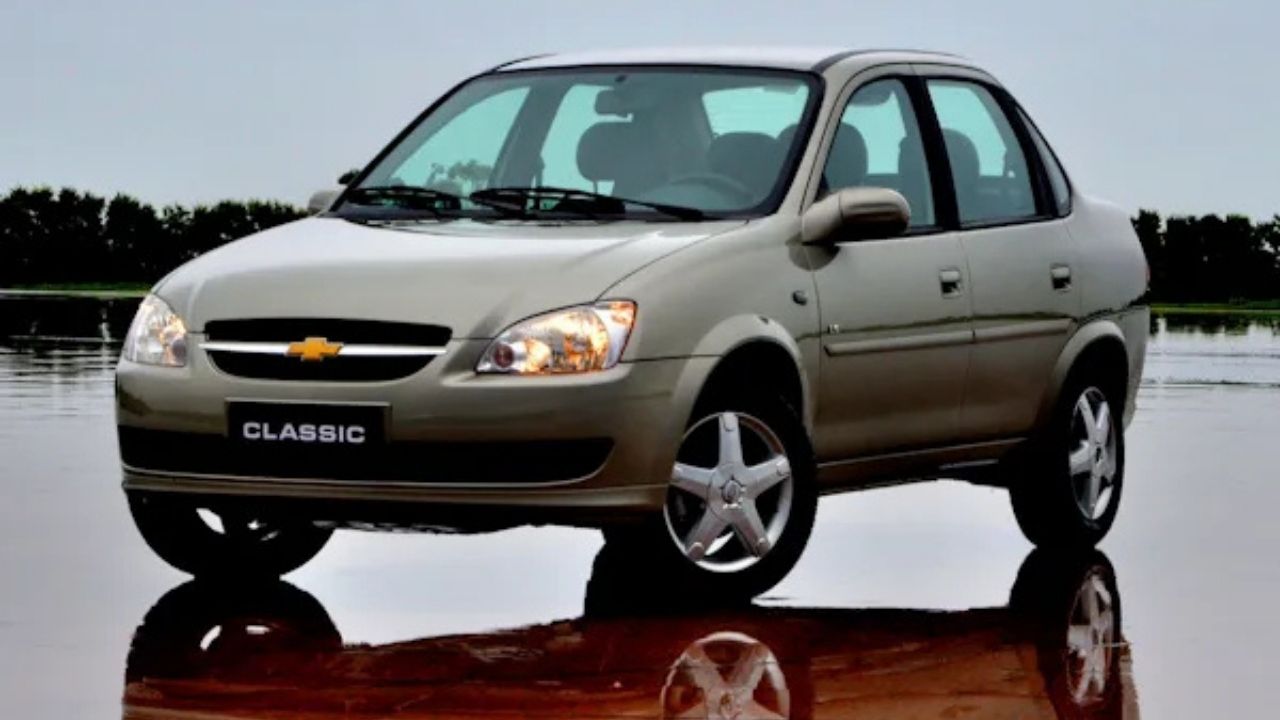
When Chevrolet decided to continue offering the sedan version of the Corsa alongside the new generation of the model, the manufacturer created the name Corsa Classic to differentiate it from the more modern versions.
Over time, the name was simplified to just Chevrolet Classic.
Toyota SW4: From Hilux SW4 to Independent SUV
When the Toyota SW4 was launched in the 1990s, it was known as Hilux SW4, derived from the famous pickup Hilux.
The association between the pickup and the SUV was clear, and many still referred to the model in the feminine form, as if it were a smaller version of the Hilux.
However, as the years went by and the SUV market grew, Toyota decided to highlight the SW4 as an independent model.
The manufacturer removed the name Hilux and began calling it simply Toyota SW4.
Ram 2500: The Creation of an Exclusive Brand for Pickups
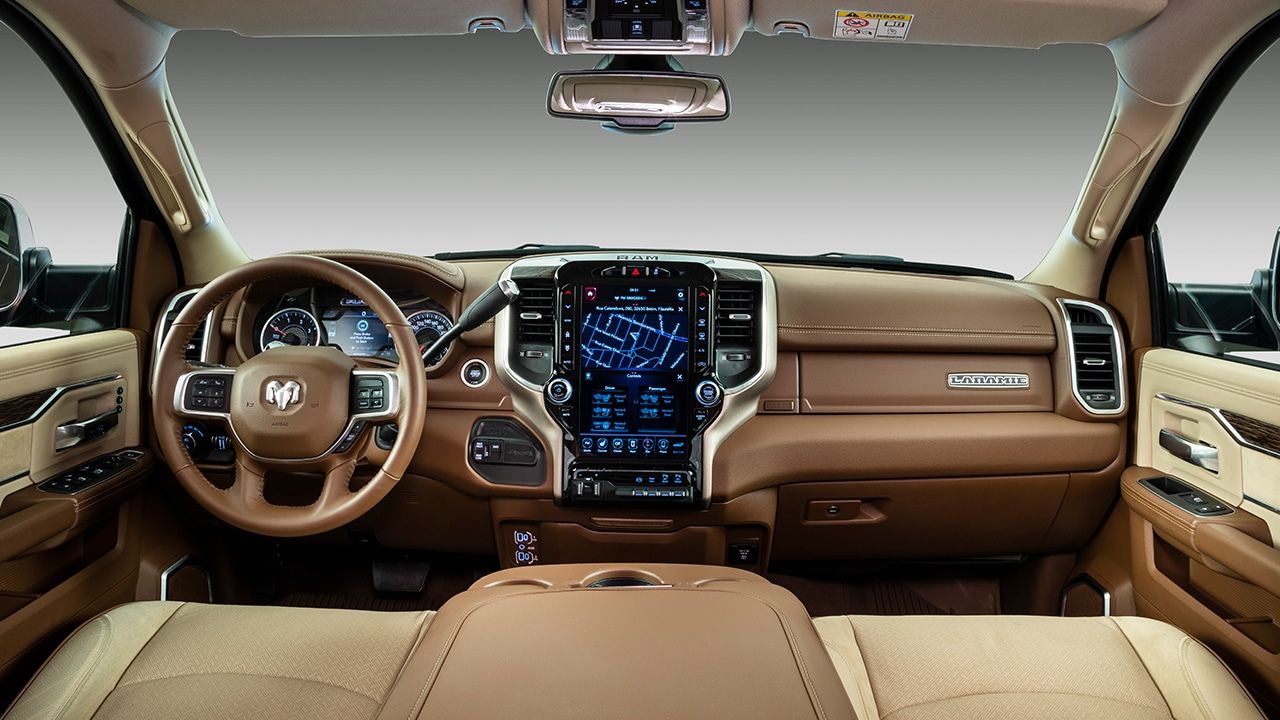
The name change of the Ram 2500 is more than just a simple model name alteration; it is a strategic change in the brand structure.
Before 2012, the trucks of Dodge were called Dodge Ram, but with the reorganization of FCA, now Stellantis, the manufacturer decided to separate the truck line and create a new brand called Ram.
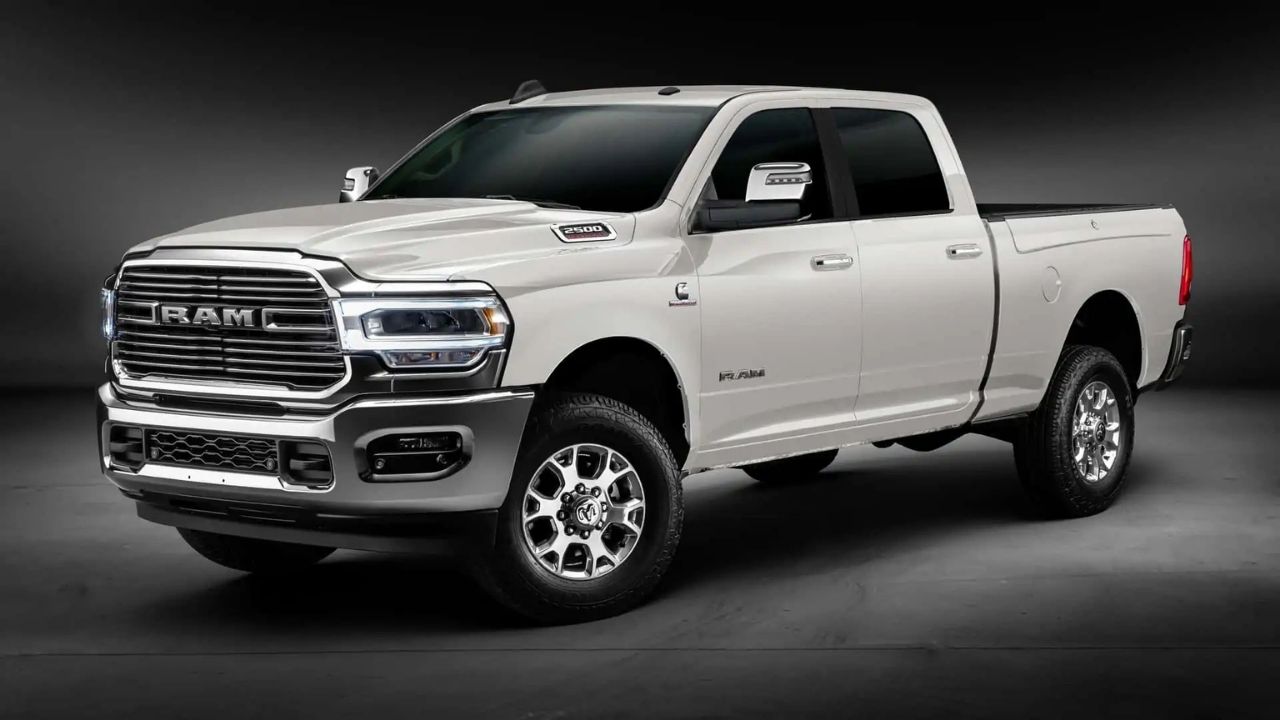
This meant that the models Dodge Ram 1500, Dodge Ram 2500, and Dodge Ram 3500 became just Ram 1500, Ram 2500, and Ram 3500, creating a distinct identity for the truck line.
This separation allowed Ram to focus exclusively on large trucks, while Dodge would focus on other market segments.
Why Do Manufacturers Change the Names of Their Cars?
There are several reasons for manufacturers to choose to change the names of their cars. In the case of the Citroën Aircross, the intention was to strengthen the image of the model as an affordable urban SUV, free from previous associations with the C3.
The Fiat Mille, on the other hand, was repositioned to focus even more on the audience looking for an economical car, while the Chevrolet Classic aimed to maintain an image of accessibility but with a simpler and more straightforward name.
In the case of Toyota, the change was an attempt to separate the SW4 from the Hilux, making the SUV more independent and distinct.
As for the Ram 1500, as part of a broader rebranding movement, it strengthened the identity of an exclusive brand for trucks.
These transformations help manufacturers reposition models and respond more directly to consumer preferences, as well as optimize marketing and reinforce the identity of each vehicle.
Name changes in the automotive market, as seen with the Citroën Aircross, Fiat Mille, Chevrolet Classic, Toyota SW4, and Ram 1500, reflect the repositioning strategies of brands and models in Brazil.
They aim to create a stronger connection with the public while responding to market transformations.
Whether to highlight a vehicle’s characteristic, reposition the image of a model, or even create a new brand, these name changes are an important part of the evolution of the automotive industry in the country.









Esclarecimento: A RAM virou marca depois que a Fiat assumiu a Chrysler, portanto no tempo da FCA , sendo criada também a marca esportiva SR/T , sendo então antes da Stellantis .