





 Portuguese
  English
  Spanish
  6 min of reading
  0 comments


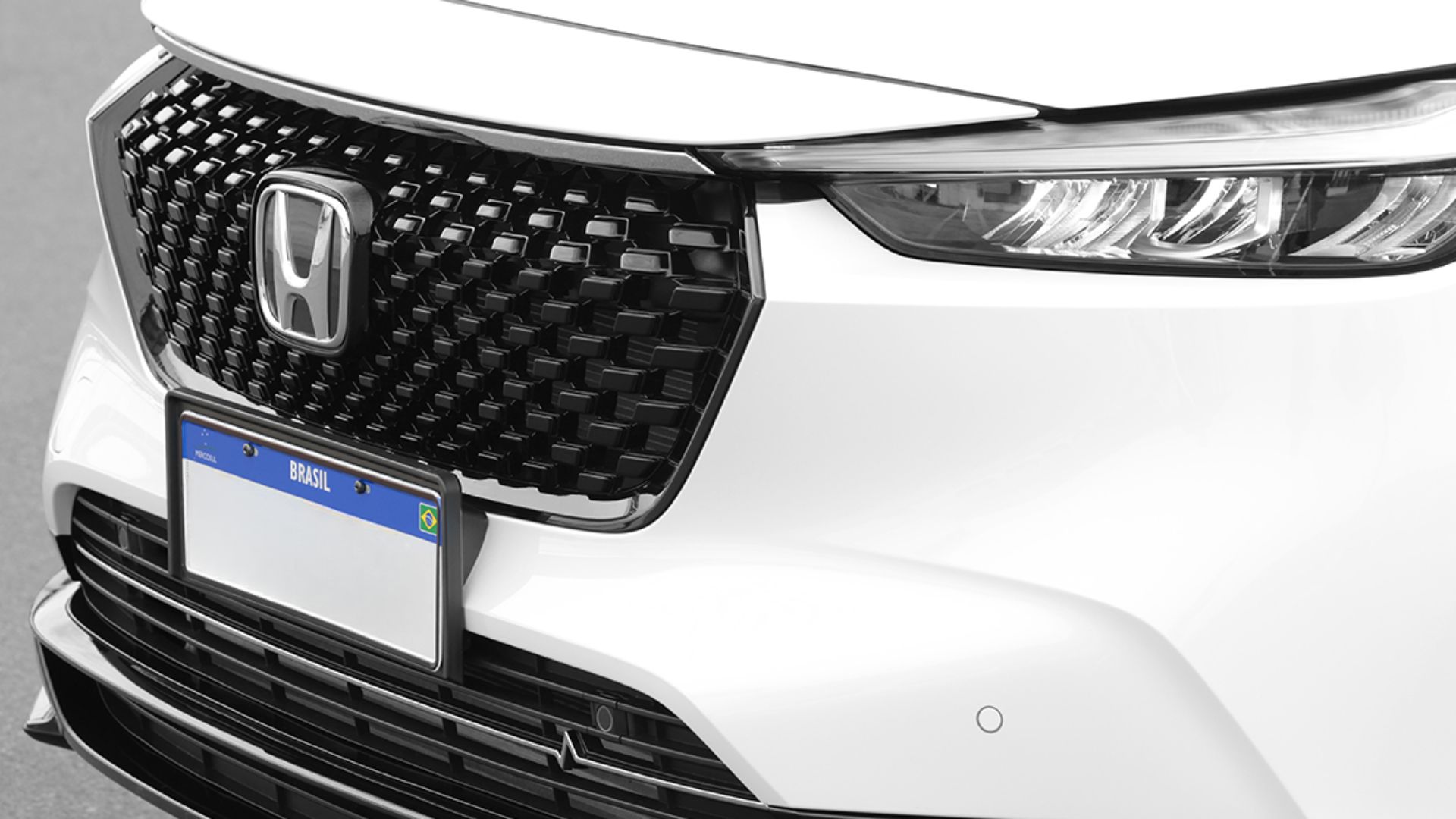
Models with Low-Displacement Turbo Engines Stand Out for Uniting Sporty Performance, Economy, and Design, Offering Options for Different Driver Profiles in the Brazilian Automotive Market. Learn How Technology and Efficiency Have Redefined the Concept of an Economical Car.
Cars with turbo engines and low fuel consumption have consolidated as a trend in the Brazilian automotive market, bringing together sporty performance, economy, and modern design across various categories.
In recent years, hatchback, sedan, and SUV models have begun to feature low-displacement turbo engines, allowing consumers to experience vigorous acceleration without sacrificing efficiency at the pump.
The choice for turbocharged engines of 1.0, 1.3, 1.4, 1.5, or 1.6 liters has grown, and today various options combine power and reduced consumption in a previously unseen way in the country.
-
The car stored for 38 years: when opening the barn door, what appears is breathtaking and looks like a scene from a movie!

-
Fiat works miracles in the Brazilian market, lowers the price of its 0 km hatch to R$ 69,990, reestablishes the model as the cheapest car in the country, and reignites the battle against Kwid and C3.
-
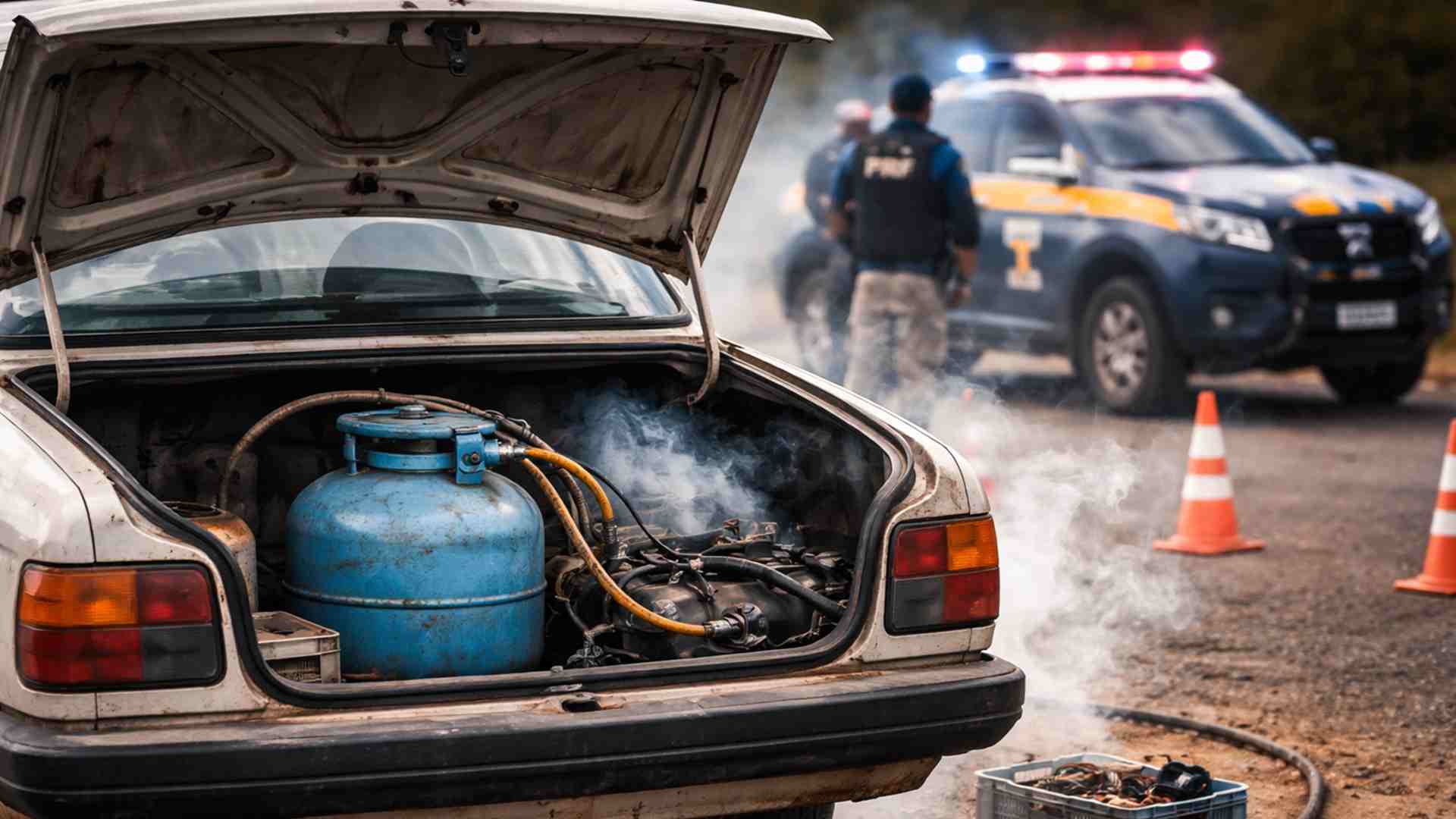
Chevette with cooking gas: How the gas cylinder ends up being used in cars clandestinely and why this makeshift solution can result in leaks, explosions, damaged engines, and seized vehicles.
-
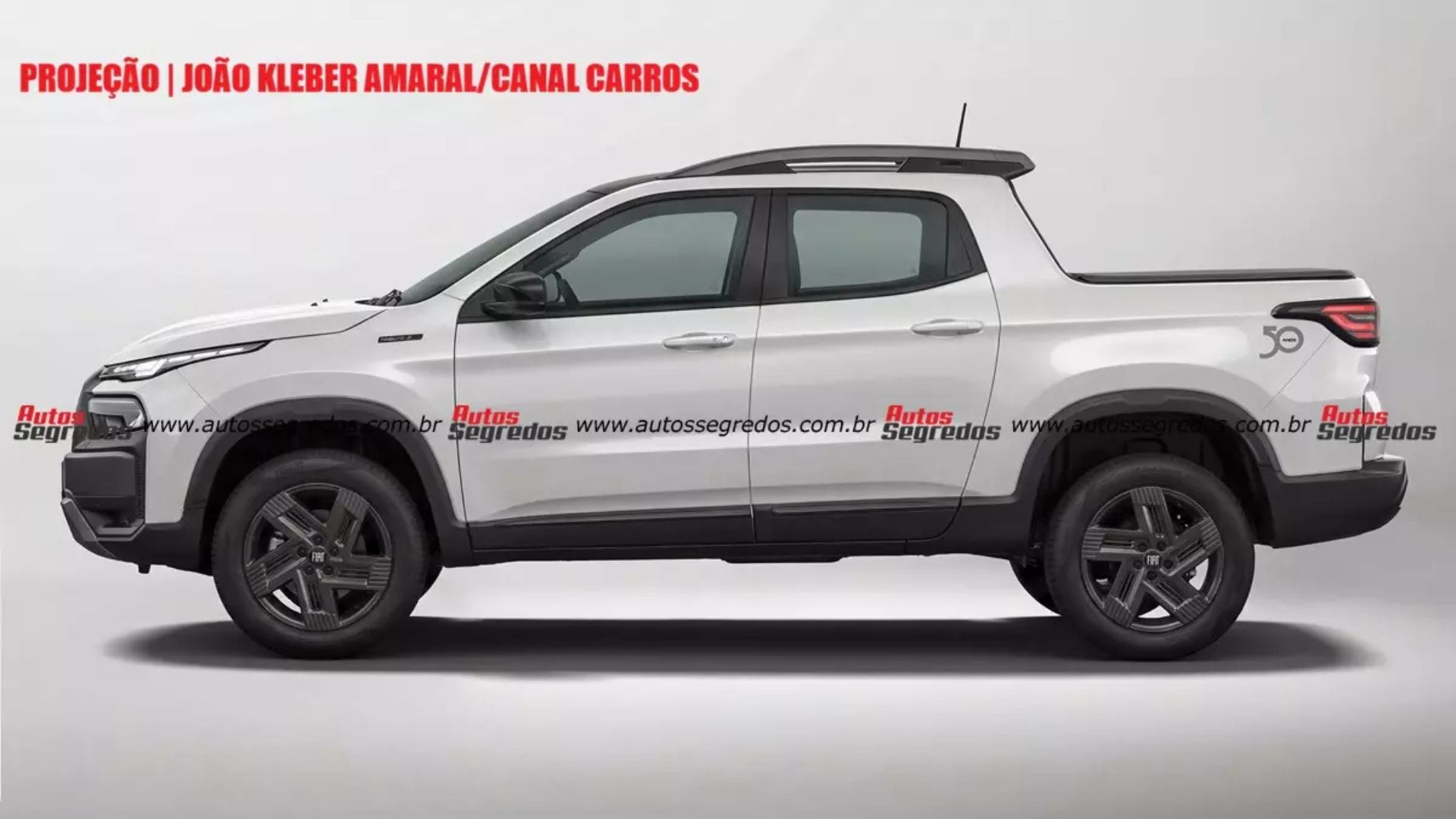
Fiat launches the new 2027 Toro hybrid with 48V, 176 hp, an electric motor of 15.5 hp, a 0.85 kWh battery, up to 7% fuel savings, 8% fewer emissions, and possible exemption from IPVA.

The popularization of these engines began in the last decade, driven by the search for more economical cars, especially following the rise in fuel prices and the demand for lower emissions of pollutants.
Currently, turbo technology has become established in the portfolios of major automakers.
The result is a generation of vehicles that delivers performance similar to or even superior to older aspirated 2.0 engines but with fuel consumption comparable to that of compact models, like the Renault Kwid, a national reference in fuel economy.
Check out the following five cars that stand out for combining powerful turbo engines, low consumption, and high levels of style and performance.
Some are still available at Brazilian dealerships, while others have recently been discontinued but remain references for cost-effectiveness and technical innovation.
Honda HR-V Touring 1.5 Turbo: Power and Efficiency in an SUV
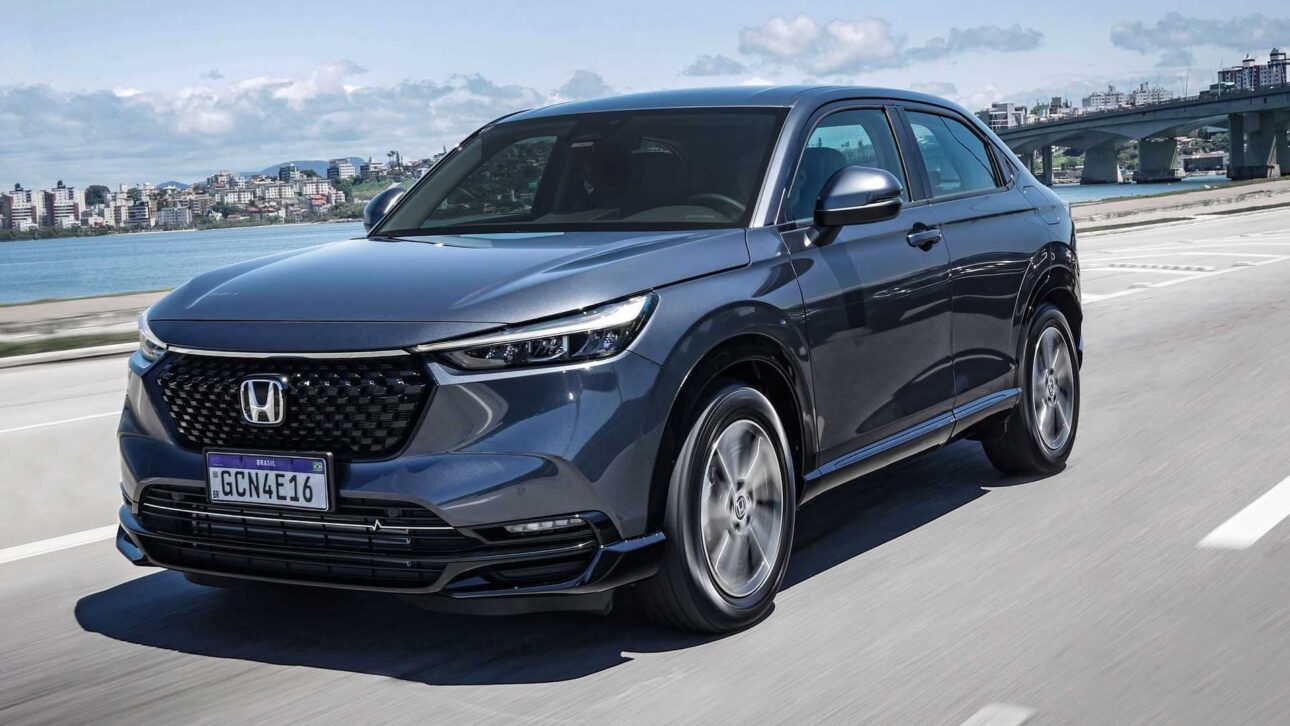
The Honda HR-V Touring 1.5 Turbo occupies a prominent position among the medium SUVs sold in Brazil, both for its performance and efficiency.
Equipped with a 1.5 turbo four-cylinder engine, direct injection, and an output of 177 horsepower, the model offers a torque of 24.5 kgfm, coupled with a CVT that simulates seven speeds.
This configuration, derived from the same mechanical family as the Honda Civic Touring, provides acceleration from 0 to 100 km/h in 8.9 seconds and a top speed of 200 km/h, results above the segment average.
In terms of fuel consumption, the HR-V Touring reaches 11.3 km/l in the city and 13 km/l on the highway with gasoline.
With ethanol, it records 8 km/l in urban cycles and 9.2 km/l on highways, according to official data from Inmetro (National Institute of Metrology, Quality, and Technology).
The model is set to receive a facelift in July 2025, with visual changes at the front and rear, enhancing its attractiveness in the national market.
Volkswagen Nivus GTS 1.4 TSI: Sportiness and Low Consumption
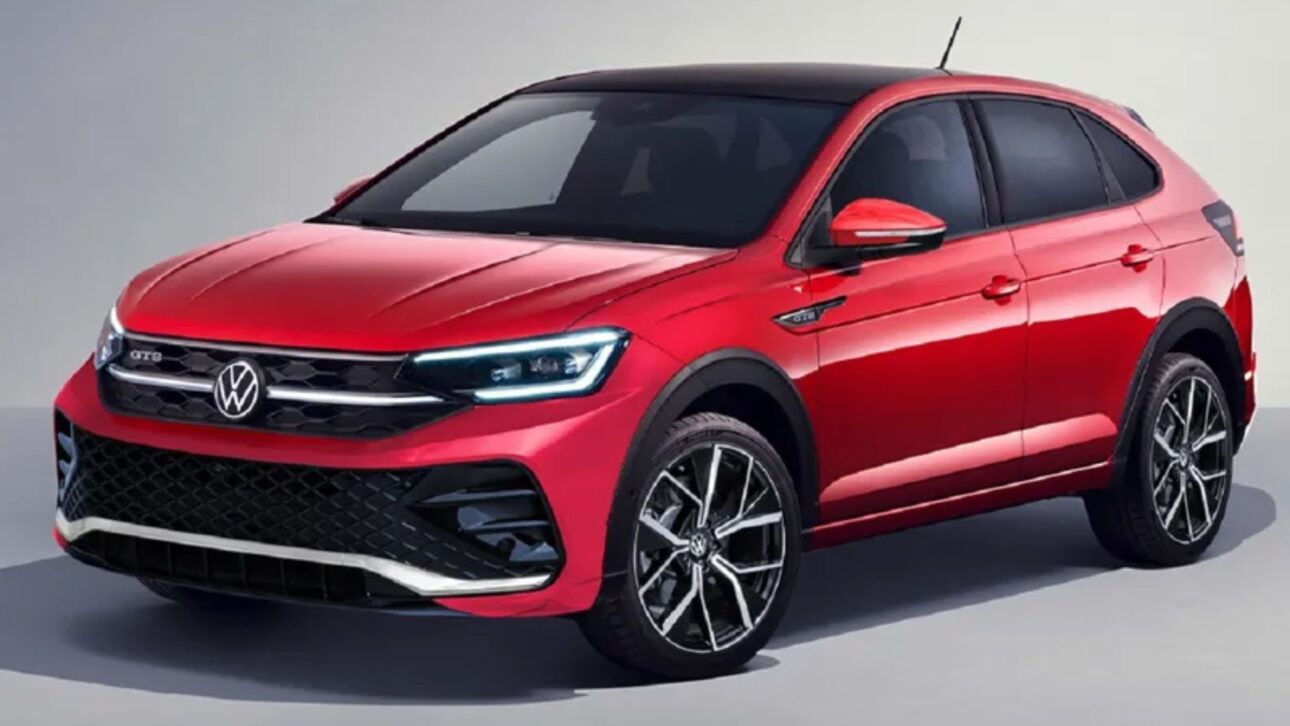
The Volkswagen Nivus GTS 1.4 TSI, launched in April 2025, marks the debut of the sporty version of the Brazilian compact SUV, bringing exclusive design and a differentiated dynamic setup.
Under the hood, the model features a 1.4 TSI four-cylinder engine with direct injection, delivering 150 horsepower and 25.5 kgfm of torque, always paired with a six-speed automatic transmission with a torque converter.
The Nivus GTS accelerates from 0 to 100 km/h in 8.4 seconds and reaches a top speed of 206 km/h, characteristics appreciated by those seeking agility and driving pleasure.
In terms of consumption, the model presents averages of 11.6 km/l in the city and 14.2 km/l on the highway with gasoline.
Using ethanol, it records 8.1 km/l in urban use and 9.9 km/l on highway trips, according to standardized tests from Inmetro.
Among the version’s highlights is the internal sound system that simulates a sporty exhaust note, adding a sensory experience behind the wheel.
Fiat Fastback Abarth 1.3 Turbo: Sporty Performance with Economy
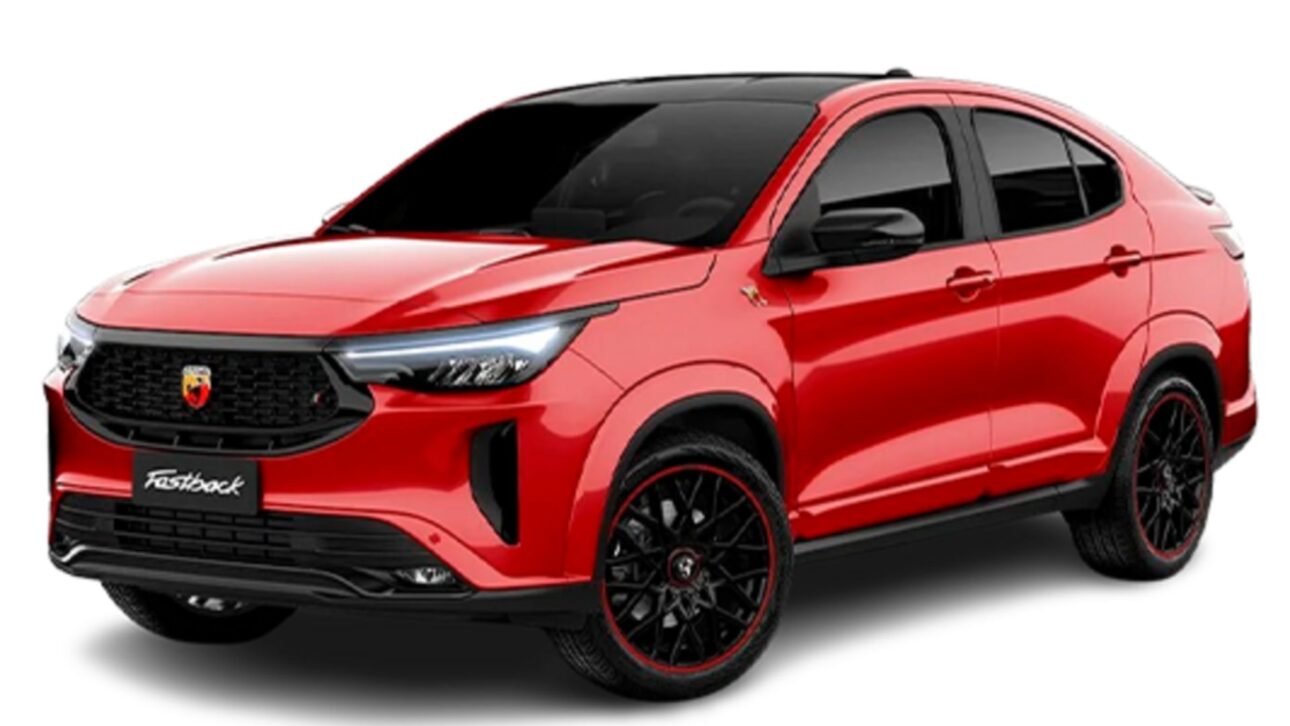
Recently updated in the 2026 line, the Fiat Fastback Abarth 1.3 Turbo reinforces the proposal of a coupe SUV with sporting vocation and competitive consumption.
Its 1.3 turbo four-cylinder engine, equipped with direct injection, delivers 180 horsepower with gasoline and 185 horsepower with ethanol, along with torque of 27 kgfm and 27.5 kgfm, respectively.
The six-speed automatic transmission with a torque converter ensures quick responses, taking the model from 0 to 100 km/h in just 7.6 seconds and reaching a top speed of 220 km/h.
Regarding fuel economy, the Fastback Abarth registers 10.8 km/l in the city and 12.9 km/l on the highway with gasoline.
With ethanol, it achieves 7.3 km/l in urban cycles and 9.1 km/l on highways, figures that are comparable to more compact vehicles.
In addition to performance, the model stands out for its renewed design, with updates to the front grille and sporty details that reinforce the identity of the Abarth line.
Chevrolet Cruze 1.4 Turbo: Reference Among Sedans
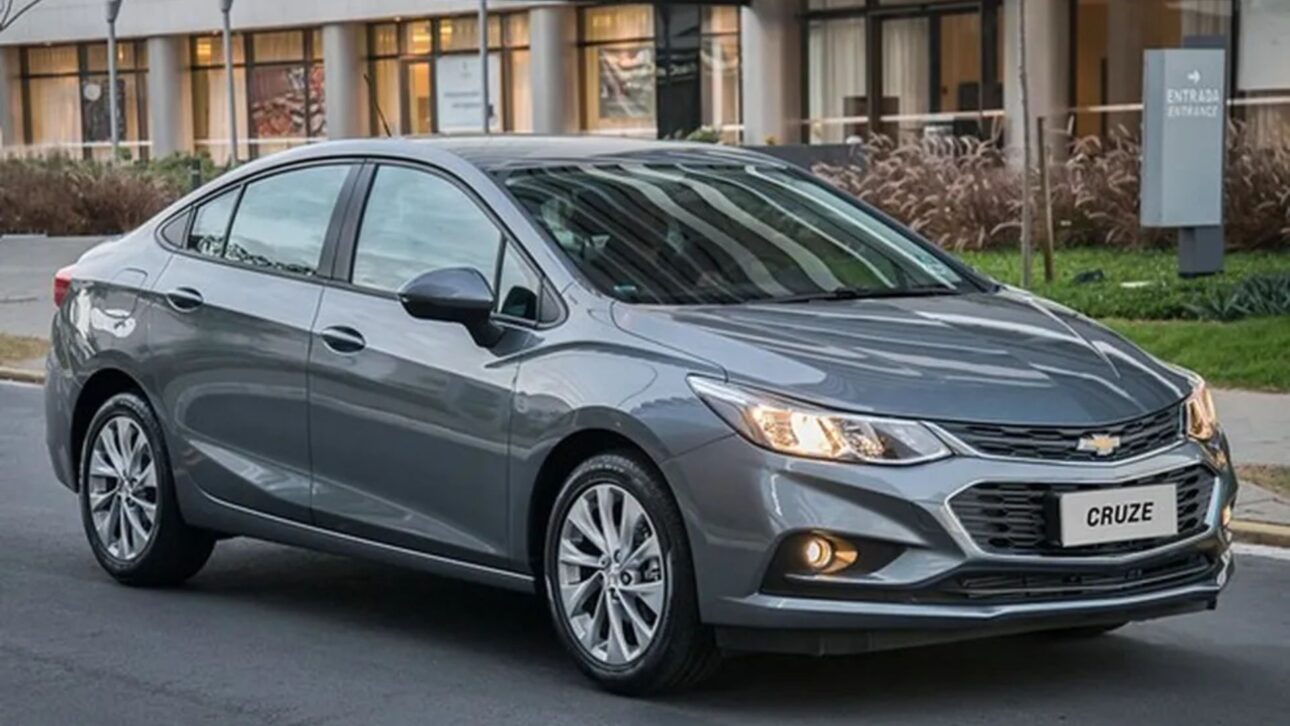
The Chevrolet Cruze 1.4 Turbo, although discontinued in 2023, remains a benchmark for balancing performance and economy in the medium sedan segment.
The decision to end its production in Brazil occurred amid General Motors’ strategy to prioritize sport utility vehicles, but the Cruze remains valued in the used car market.
Equipped with a 1.4 turbo four-cylinder engine, direct injection, an output of 150 horsepower, and torque of up to 24.5 kgfm, the sedan used a six-speed automatic transmission with a torque converter.
The acceleration from 0 to 100 km/h was completed in 9 seconds, with a top speed of 214 km/h.
In terms of fuel consumption, it delivered 10.5 km/l in the city and 13.9 km/l on the highway with gasoline.
With ethanol, the figures were 7.1 km/l in urban cycles and 9.7 km/l on highways, according to Inmetro.
Citroën C4 Cactus Shine Pack 1.6 THP: Performance in a Compact SUV
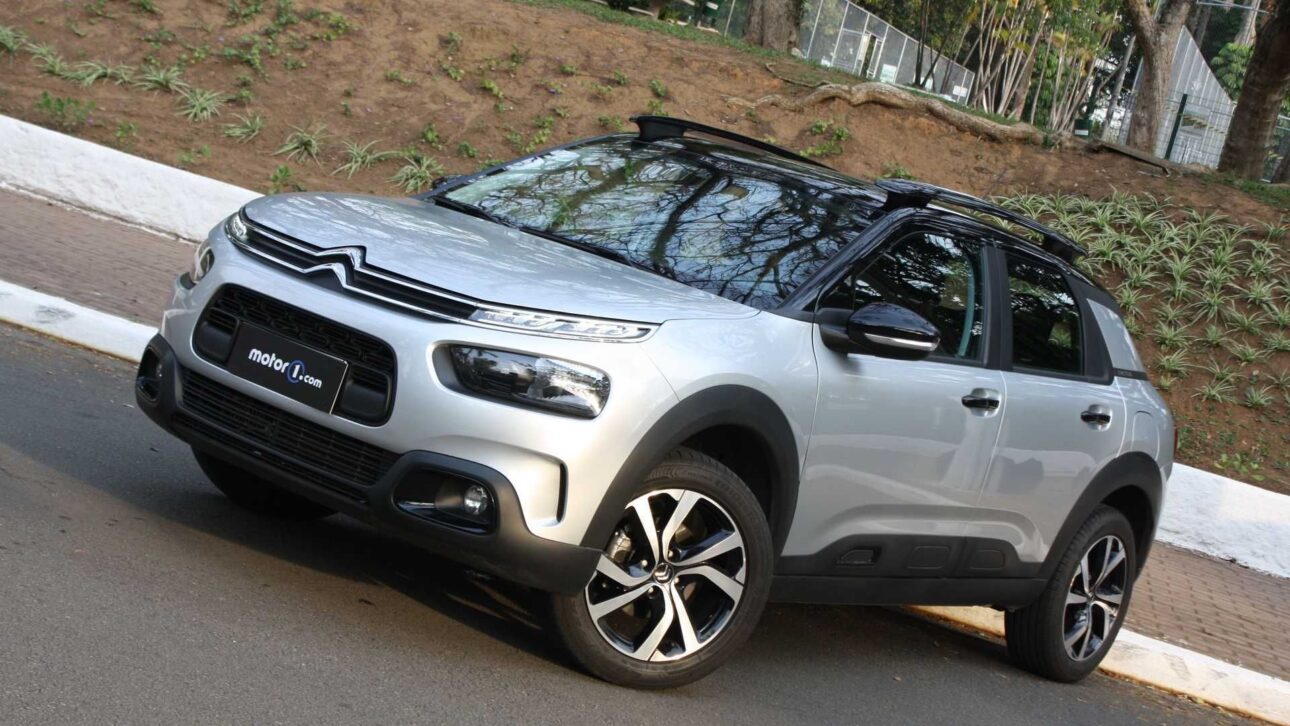
The Citroën C4 Cactus Shine Pack 1.6 THP, also discontinued since 2024, concluded its journey as one of the most powerful and economical compact SUVs in the country.
The model, equipped with a 1.6 turbo four-cylinder engine and direct injection, delivered 166 horsepower with gasoline and 173 horsepower with ethanol, along with torque of 24.5 kgfm.
The six-speed automatic transmission with a torque converter complemented the package, allowing acceleration from 0 to 100 km/h in 7.7 seconds and a top speed of 212 km/h.
Regarding consumption, the C4 Cactus registered 9.7 km/l in the city and 13.4 km/l on the highway with gasoline.
With ethanol, the figures were 8.2 km/l in urban use and 9.5 km/l on highways, all measured in standardized laboratory tests.
The end of production was motivated by Citroën’s repositioning in Brazil, which began to prioritize entry-level cars.
Low-Displacement Turbo Engines: Efficiency and Technology
The adoption of low-displacement turbo engines in vehicles of different sizes responds to Brazilian consumer demand for performance and economy, a trend that has intensified especially in the last five years.
Technological advances have allowed larger models to achieve fuel consumption averages similar to or even superior to those of popular cars like the Renault Kwid, a traditional leader in efficiency.
Official data from Inmetro, the body responsible for measuring the consumption of all vehicles sold in Brazil, indicate that these low-displacement turbo engines provide not only fuel savings but also lower emissions of polluting gases, benefiting the environment.
The analysis of these five models shows that it is possible to combine performance, economy, and style without sacrificing any of the essential pillars for the modern consumer.
Whether in SUVs, sedans, or hatchbacks, the evolution of low-displacement turbo engines has paved the way for a new generation of cars with unprecedented cost-effectiveness and efficiency.
Among the mentioned models, which one do you consider the best choice for daily use or long trips, considering a powerful turbo engine and Kwid consumption? Leave your opinion in the comments!






-

-

-

6 pessoas reagiram a isso.