





 Portuguese
  English
  Spanish
  6 min of reading
  2 comments


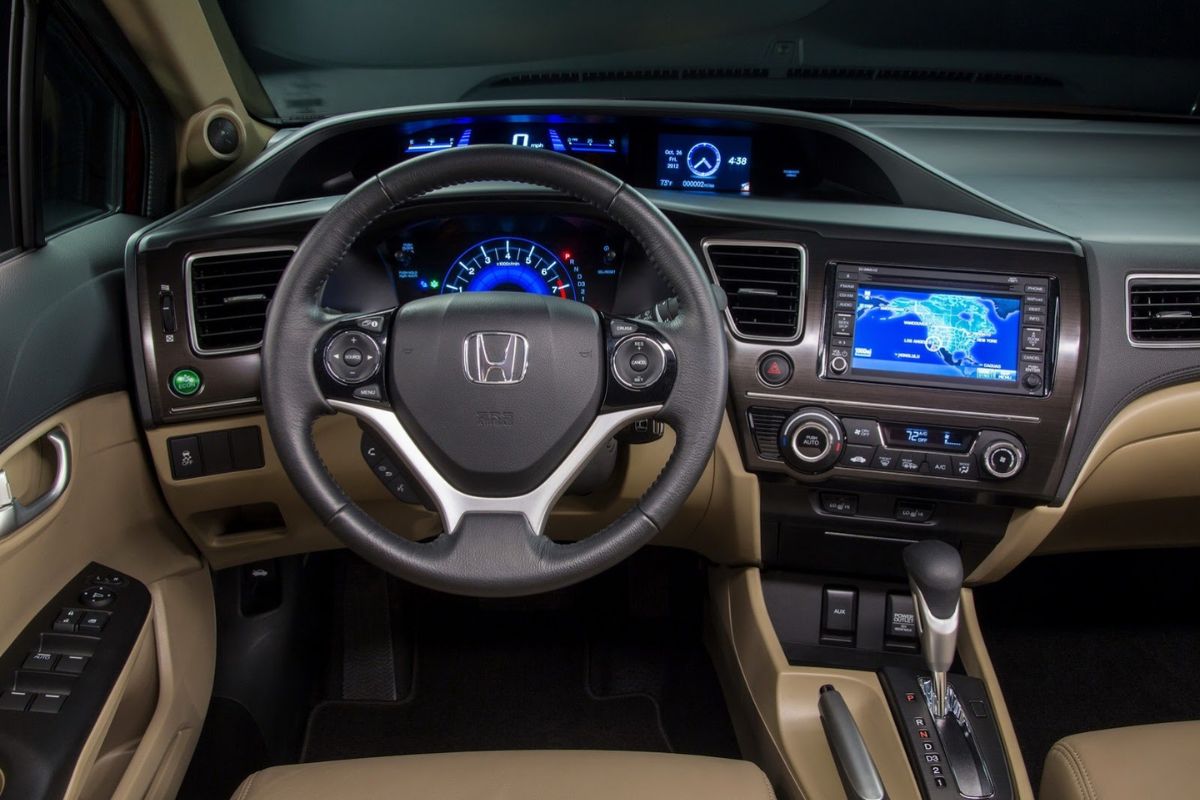


Looking For Used Honda Cars For Up To 50 Thousand To Drive A Lot, Spend Little, And Not Live In The Shop? We Selected Five Options With A History Of Robustness, Lean Consumption And Affordable Parts, Combining Urban Practicality And Breath For The Road.
The list of used Honda cars for up to 50 thousand is dominated by models that became famous for mechanical reliability and liquidity in the resale market. Fit, City, Civic, and even the CR-V appear with configurations and years that fit the budget, as long as you prioritize maintenance history and closely check sensitive items like transmission and suspension. The goal here is simple: to indicate options that combine low cost per kilometer, honest comfort, and the durability DNA of the brand.
The secret lies in combining lean engines, up-to-date maintenance, and versions with the right equipment package. With attention to the vehicle’s condition, you can take home a Honda that runs smoothly, consumes little, and retains resale value — even after many years of use.
How We Chose: Method, Limits And What Really Matters
The selection started from the ceiling of R$ 50 thousand, prioritizing models with a wide availability in the used car market, parts availability, and a good maintenance reputation. The cost per kilometer also weighed in: economical, robust engines without expensive “tricks.” Popular versions tend to have more predictable maintenance and an independent network accustomed to dealing with them.
-
The car stored for 38 years: when opening the barn door, what appears is breathtaking and looks like a scene from a movie!

-
Fiat works miracles in the Brazilian market, lowers the price of its 0 km hatch to R$ 69,990, reestablishes the model as the cheapest car in the country, and reignites the battle against Kwid and C3.
-
Chevette with cooking gas: How the gas cylinder ends up being used in cars clandestinely and why this makeshift solution can result in leaks, explosions, damaged engines, and seized vehicles.

-
Fiat launches the new 2027 Toro hybrid with 48V, 176 hp, an electric motor of 15.5 hp, a 0.85 kWh battery, up to 7% fuel savings, 8% fewer emissions, and possible exemption from IPVA.


Another criterion was real usability. It doesn’t help to have a car that consumes little if it doesn’t provide space, visibility, and comfort. We preferred simple mechanical sets, with less critical electronics so that annual expenses stay under control. In Honda, prevention is worth gold: fluids on time and valve adjustments when applicable prolong the life and silence of the engine.
1) Honda Fit 2nd Generation (2009–2014): The Smart Compact
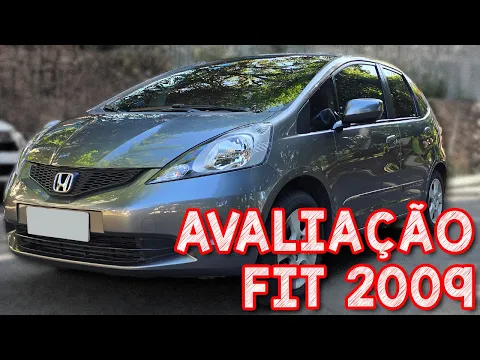

The Fit is the “Swiss Army knife” of the list. The modular interior with the folding seat system transforms the hatch into a mini pocket van, allowing you to carry everything from luggage to bicycles with ease. It consumes little, has excellent visibility, and typically runs a lot of kilometers without issues when maintained on schedule.
To get the purchase right, prioritize documented maintenance and attention to valve adjustment at the recommended mileages. Automatic units use a 5-speed transmission (not CVT in this generation), making life easier in independent shops. It is one of the most balanced choices for intense urban use.
2) Honda City 1st Generation (2009–2014): The Rational Sedan

If the Fit symbolizes versatility, the City stands for trunk space and family comfort. The shared mechanical base ensures economy and robustness, while the three volumes deliver better isolation at highway speeds. The 1.5 i-VTEC engine is elastic, and the suspension tuning favors stability, even though it can be a bit stiff on rough surfaces.
When checking, look at trunk seals and window operation, as well as noises in the front suspension. The City from this generation offers one of the best balances between purchase cost, consumption, and interior space in the compact sedan segment.
3) Honda Civic 8th Generation (2007–2011): The “New Civic” That Still Seduces

A classic in the used car market, the “New Civic” combines very competent dynamic tuning and the reliable 1.8 i-VTEC. On the road, it is stable and quiet for its age. The two-tier dashboard design and low driving position continue to please enthusiasts, maintaining good demand and liquidity.
Keep an eye on suspension bushings and confirm the timely changes of the 5-speed automatic transmission fluid. Also check completed airbag recall campaigns. Those who take care of the basics can enjoy a satisfactory consumption and predictable maintenance for its size.
4) Honda CR-V 3rd Generation (2007–2011): Space And Comfort Without “SUV Drama”

Need a generous trunk and elevated position? The CR-V from this generation, in the older versions, already appears in the range when well negotiated. It delivers a travel posture, good ergonomics, and a reliable 2.0 engine. It is not the most economical, but compensates with comfort and driving safety superior to compacts.
Before closing the deal, evaluate the steering system (play and noises), tires, and brakes. Like every SUV, suspension parts cost more than hatches/sedans, but nothing out of the ordinary if the history is clean. It is recommended to prioritize units with proven preventive maintenance to avoid concentrated expenses right after purchase.
5) Honda Fit 1st Generation (2003–2008): The Unstoppable Champion Of Economy
The “old Fit” continues to be the cost/benefit champion for tight budgets. The 1.4 i-DSI (two spark plugs per cylinder) specializes in low consumption, and the 1.5 VTEC delivers more energy without sacrificing efficiency. The cabin is surprisingly spacious, and the driving position makes daily city driving easier.
Extra attention to the CVT in the automatic versions: jolts and noise under load require diagnosis. Specific fluid changed at the correct interval is mandatory. Check coils and leaks at the valve cover. Following the manual, the result is a simple Honda, cheap to maintain, and very honest.
Engines And Consumption: What To Expect In Practice
The i-VTEC family balances low economical rpm and a fuller response when needed. In real use, Fit/City typically deliver good urban averages and excellent highway numbers with smooth driving and well-inflated tires. The Civic demands a bit more in heavy traffic, but compensates with stability. The CR-V, due to weight and aerodynamics, consumes more, but without exaggeration if maintenance is up to date.
There are no miracles: car condition defines consumption. Off-sized tires, expired filters, worn spark plugs, and incorrect alignment destroy any average. Quality fuel and preventive measures on schedule make more difference than a “magic year” of manufacture.
Maintenance And Parts: The Myth Of “Expensive Honda”
Good-quality parallel parts and a wide replacement line have debunked the myth of prohibitive costs. In independent specialized workshops, basic maintenance stays at competitive levels with direct rivals. What hits the wallet is delaying structural service (e.g., complete suspension) or ignoring specific transmission fluids.
Items to pay attention to by model:
Fit/City (2009–2014): valve clearance as scheduled, bushings and stabilizer links.
Civic (2007–2011): control arm bushings, AT fluid, and airbag history.
CR-V (2007–2011): steering system and bushings, four larger profile tires.
Fit (2003–2008): correct CVT fluid, coils, and valve cover sealing.
Versions And Years That Usually Pay Off
For used Honda cars for up to 50 thousand, intermediate versions are almost always the sweet spot: they come with air conditioning, power steering, power windows, sound system, and sometimes automatic transmission without inflating the price. According to [Insert main source], Fit/City 1.5 with a maintained history and Civic LXS/LXL with revised AT are safe bets. In the CR-V, focus on the more intact units — condition supersedes year in this range.
Quick Checklist Before Closing The Deal
Run an OBD scanner to catch hidden errors. Ask for a careful report and check the chassis number on the body. Test the car cold and hot, on bad streets and highways, listening for suspension and transmission sounds. Inspect for irregular tire wear (alignment/suspension) and request proof of fluid changes. If it’s CVT (1st generation Fit), don’t buy without driving and confirming the correct fluid in the history.
If the priority is economy and space, the 2nd generation Fit is the most complete choice. Want a sedan with trunk space and controlled costs? 1st generation City. Looking for comfort and dynamics? 8th Civic with a clean history. Need a large trunk and a high cabin? 3rd CR-V in good condition still counts. Maximum occupancy on a minimum budget? 1st generation Fit well maintained remains unbeatable.
And you, which of these used Honda cars for up to 50 thousand convinces you the most for your daily use — smart Fit, rational City, comfortable Civic, or spacious CR-V? Have you owned any of them and confirm the maintenance cost? Share your experience in the comments; your account helps those who are deciding now.


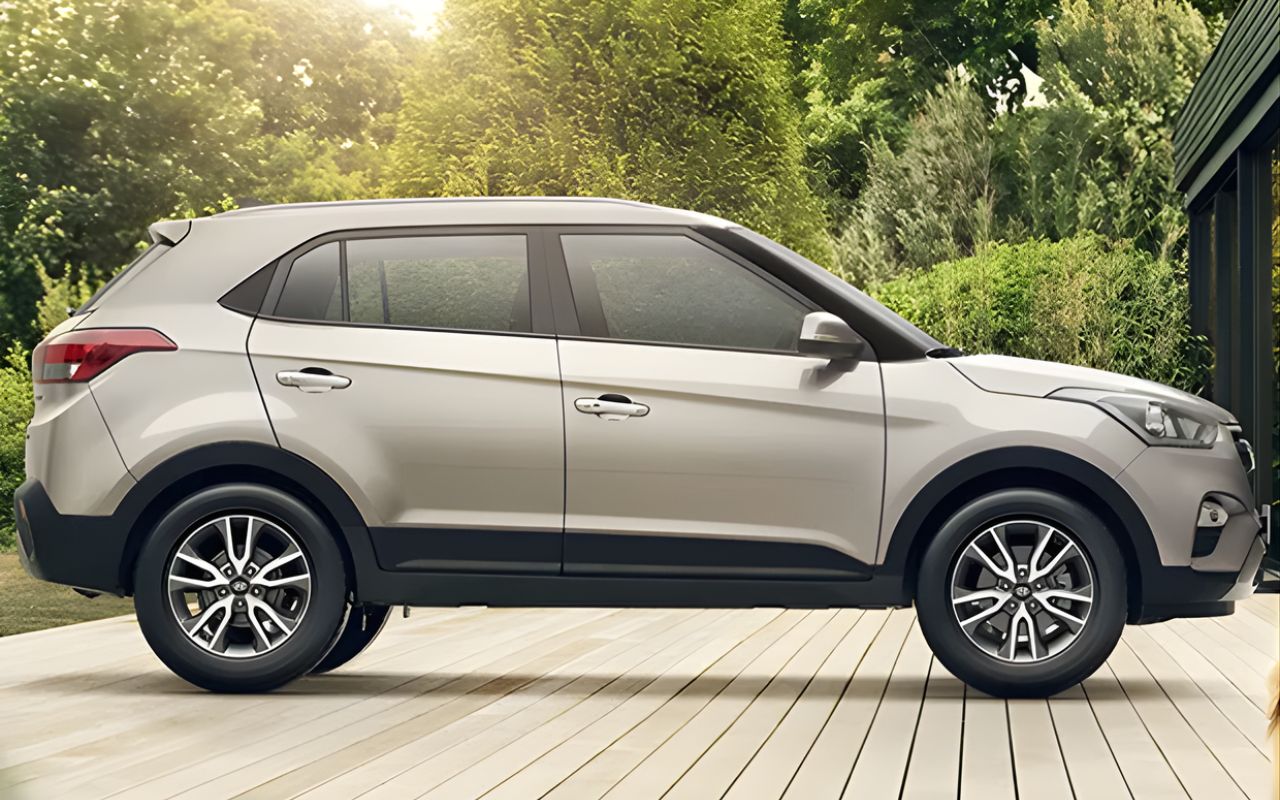







City sport manual 12.5 com gasolina na cidade com ar ligado. Na estrada de 15.5 com litro até 18.5 com gasolina dependendo do trajeto médio 100 km p/hora
Civic