





 Portuguese
  English
  Spanish
  4 min of reading
  0 comments


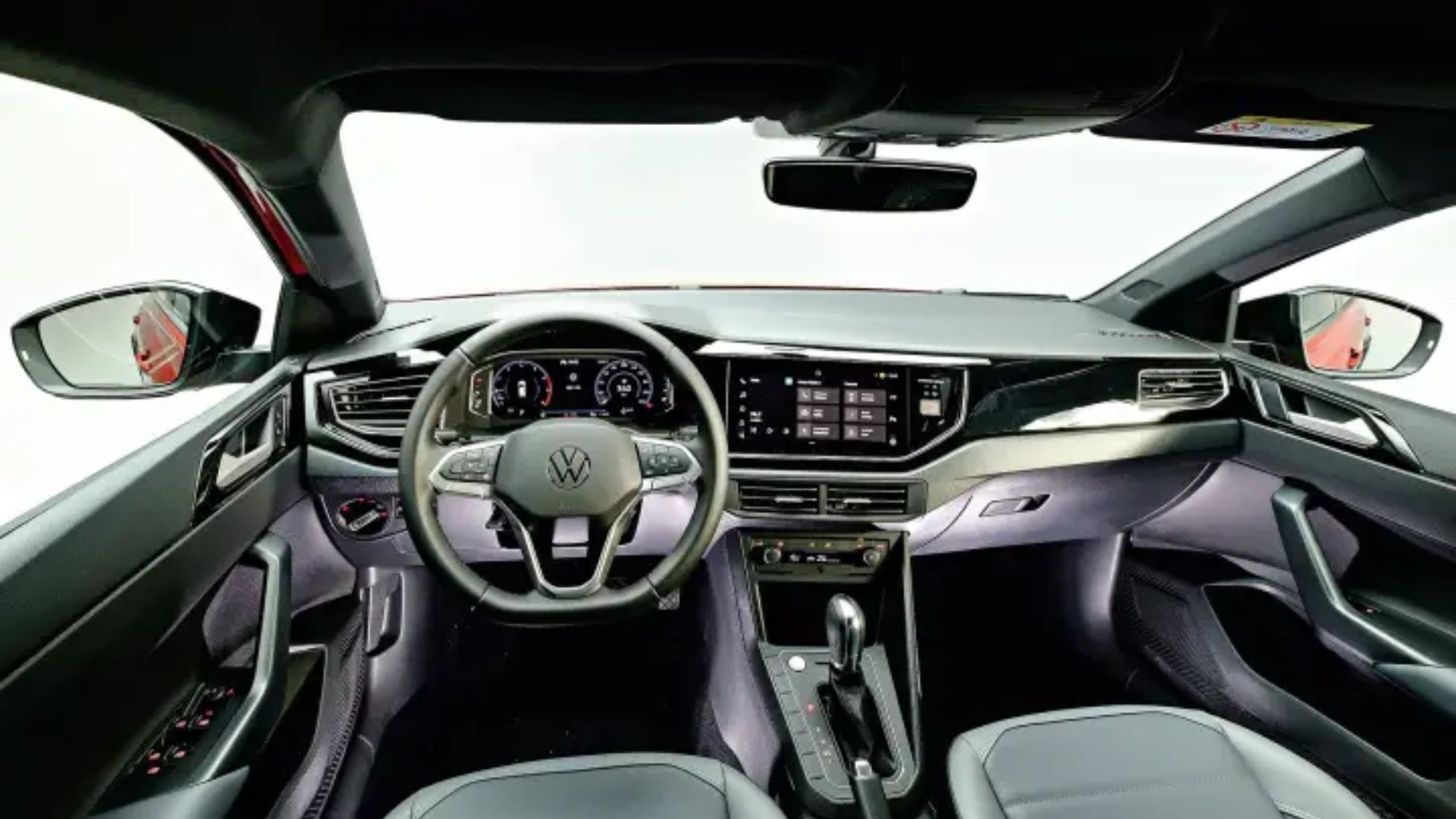
Popular Cars Continue to Fall in the Brazilian Market, But Five Models Still Cost Less Than R$ 94 Thousand and Maintain Intense Dispute Among Major Manufacturers.
The Brazilian automobile market records, in November 2025, five brand new models with a list price below R$ 94 thousand, according to official data from manufacturers.
The survey considers the most affordable versions available on the brands’ websites, excluding promotions, conditions for PCD, or special programs such as Sustainable Car.
The Renault Kwid leads the list as the cheapest new car in the country, followed by Fiat Mobi, Citroën C3, Fiat Argo, and Volkswagen Polo.
-
The car stored for 38 years: when opening the barn door, what appears is breathtaking and looks like a scene from a movie!

-
Fiat works miracles in the Brazilian market, lowers the price of its 0 km hatch to R$ 69,990, reestablishes the model as the cheapest car in the country, and reignites the battle against Kwid and C3.
-
Chevette with cooking gas: How the gas cylinder ends up being used in cars clandestinely and why this makeshift solution can result in leaks, explosions, damaged engines, and seized vehicles.

-
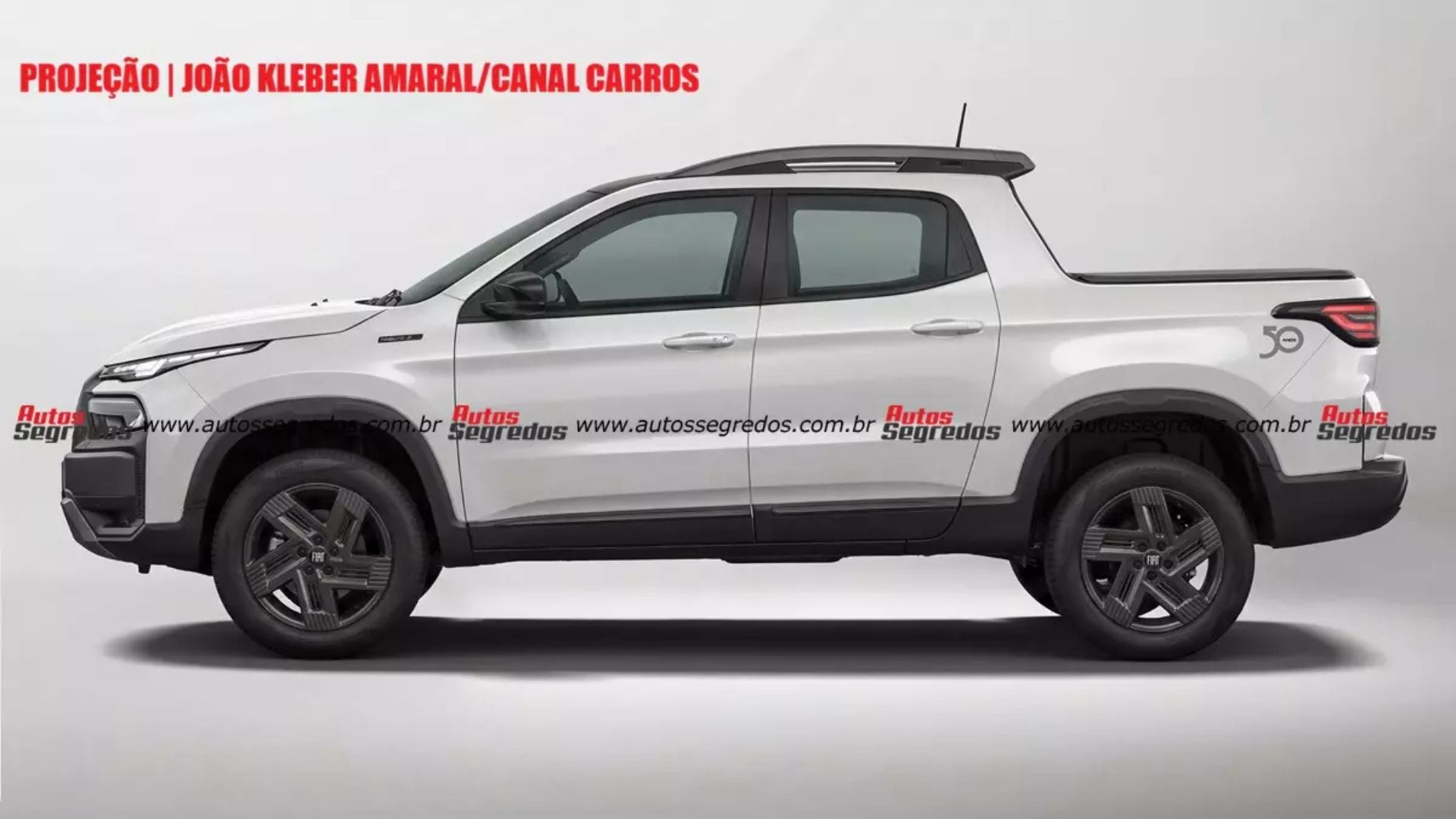
Fiat launches the new 2027 Toro hybrid with 48V, 176 hp, an electric motor of 15.5 hp, a 0.85 kWh battery, up to 7% fuel savings, 8% fewer emissions, and possible exemption from IPVA.

The lowest starting price is R$ 78,690.
Survey Criteria
The reported prices are the public list prices suggested by manufacturers, valid in November 2025.
The ranking considers all body types, engines, and transmission types (manual or automatic).
The total sales accumulated until September 2025 were included to contextualize the performance of each model in the national market.
According to analysts in the automotive sector, the entry-level segment has been shrinking in recent years, both due to rising production costs and changes in consumer profile, which has shifted towards seeking more features and connectivity even in compact models.
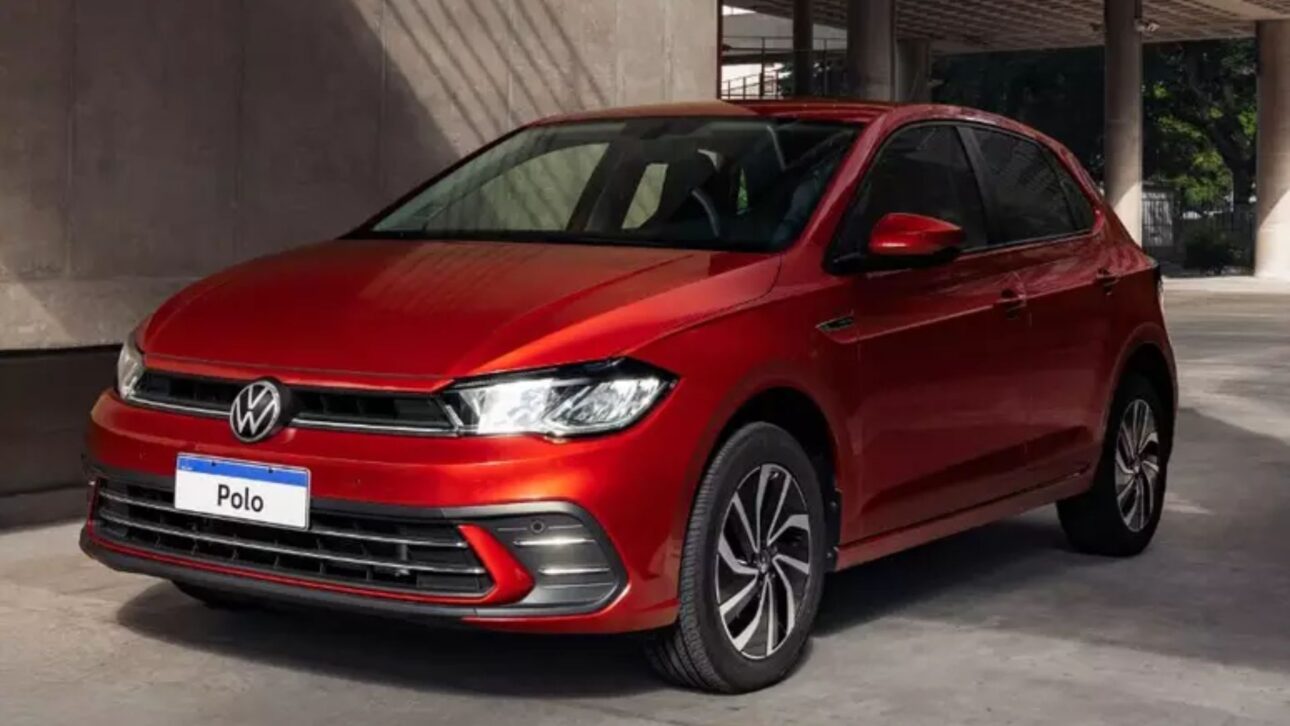
5th Place: Volkswagen Polo
The Volkswagen Polo occupies the fifth position with a price range between R$ 93,990 and R$ 133,490, depending on the version.
The model offers 1.0 flex engine with 84 hp and 120 Nm or 1.0 turbo flex engine with 116 hp and 165 Nm, with five-speed manual transmission or six-speed automatic transmission.
From January to September 2025, the Polo registered 93,707 units sold, according to registration data from Fenabrave (National Federation of Motor Vehicle Distributors).
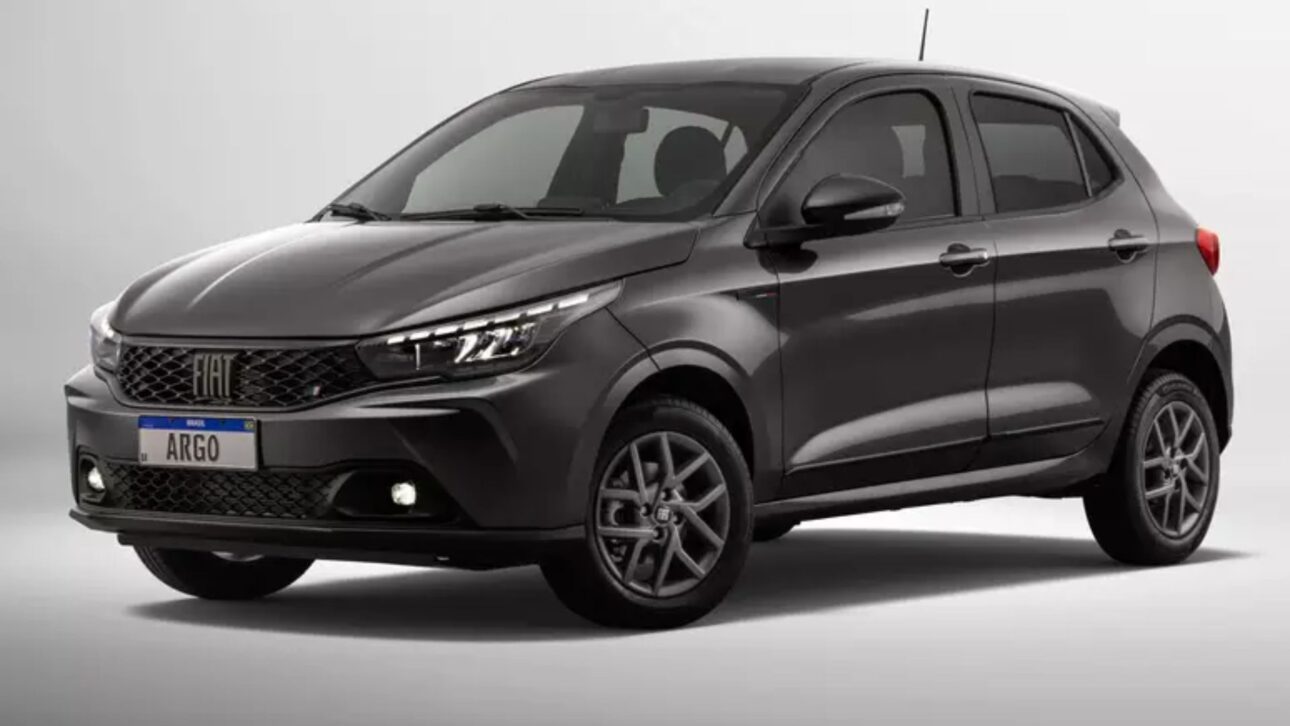
4th Place: Fiat Argo
Just above is the Fiat Argo, which starts at R$ 92,990 and can reach R$ 108,490 in the most complete versions.
Engine options include 1.0 flex with 75 hp and 105 Nm and 1.3 flex with 107 hp and 131 Nm, with manual transmission or CVT.
According to Fenabrave, the Argo accumulated 74,011 registrations until September 2025.
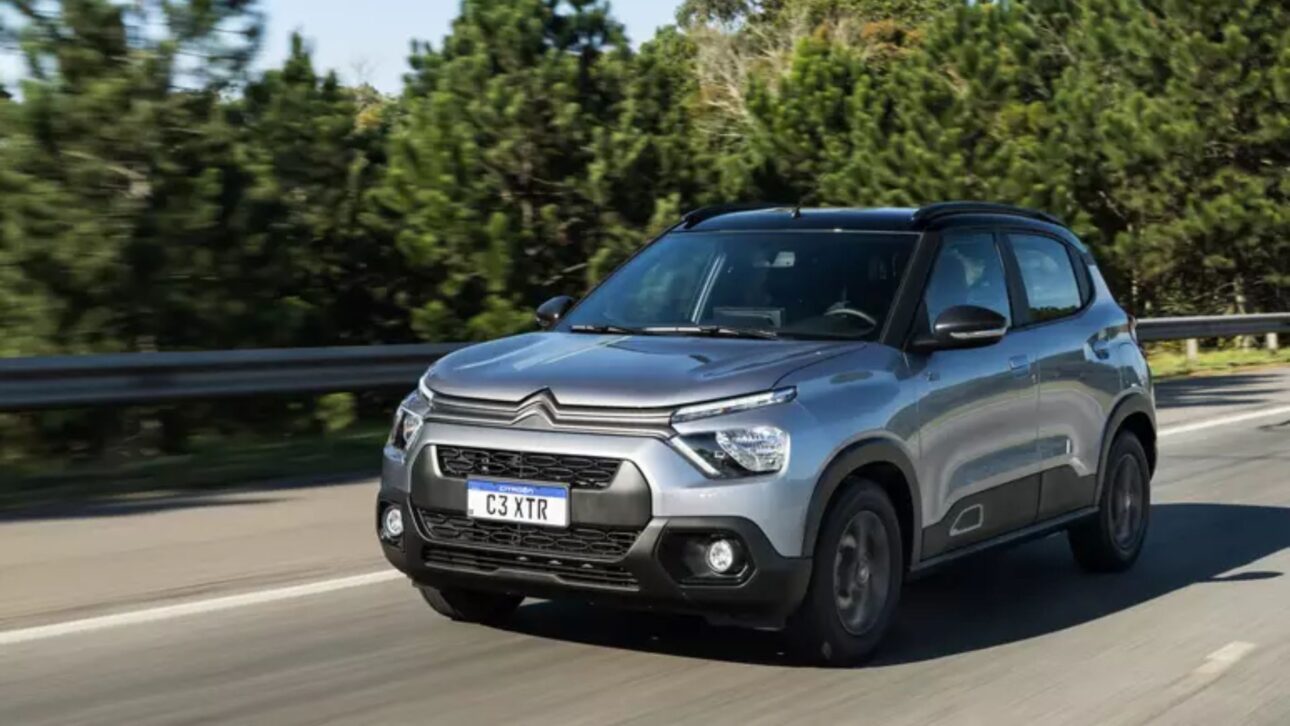
3rd Place: Citroën C3
The Citroën C3 appears in third place, with prices ranging from R$ 82,990 to R$ 106,990.
The model is produced in Brazil and, according to the brand, aims to meet the needs of consumers looking for a compact hatch with greater ground clearance and competitive maintenance costs.
The data on engine and transmission, as well as the exact number of registrations until September 2025, have not been disclosed in the reference material.
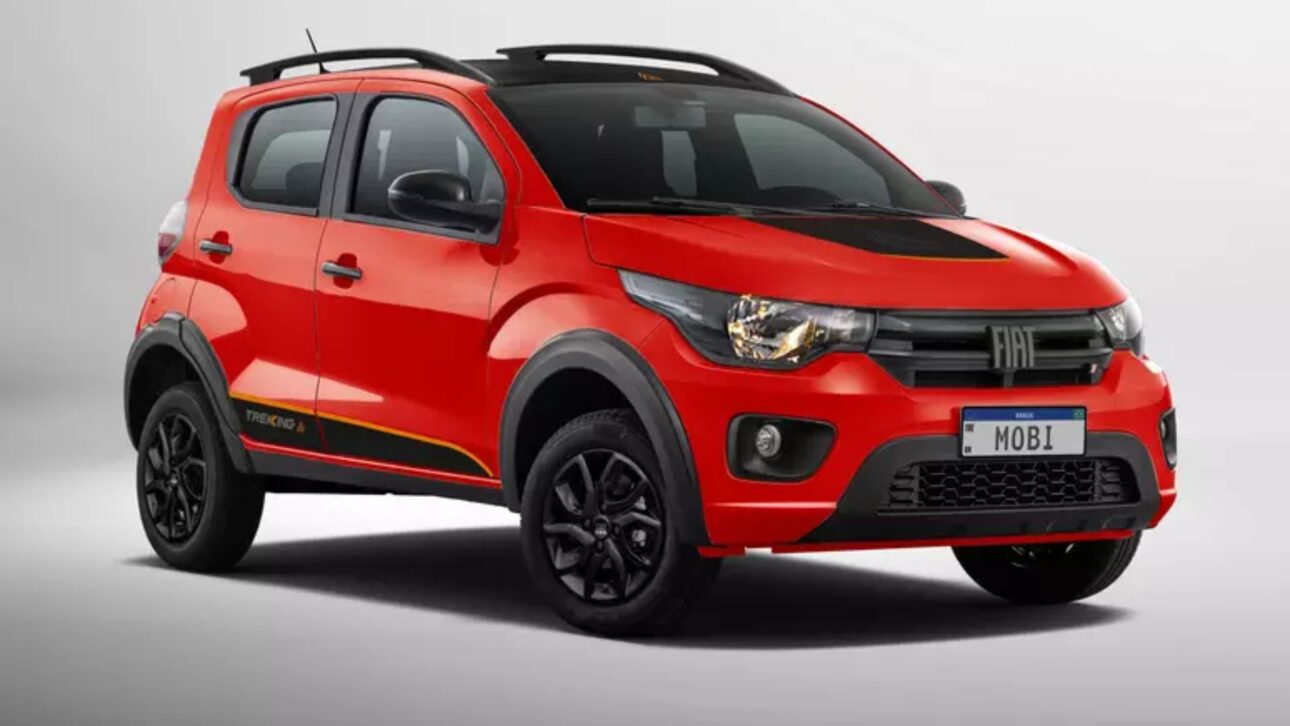
2nd Place: Fiat Mobi
In second place is the Fiat Mobi, with values ranging from R$ 80,060 to R$ 81,990.
The car uses a 1.0 flex engine with 75 hp and 105 Nm with a five-speed manual transmission.
According to data from Fenabrave, the Mobi achieved 53,115 units sold in the total for 2025 until September.
Industry experts point out that the model remains competitive by offering compact dimensions and low maintenance costs, features valued in the urban segment.
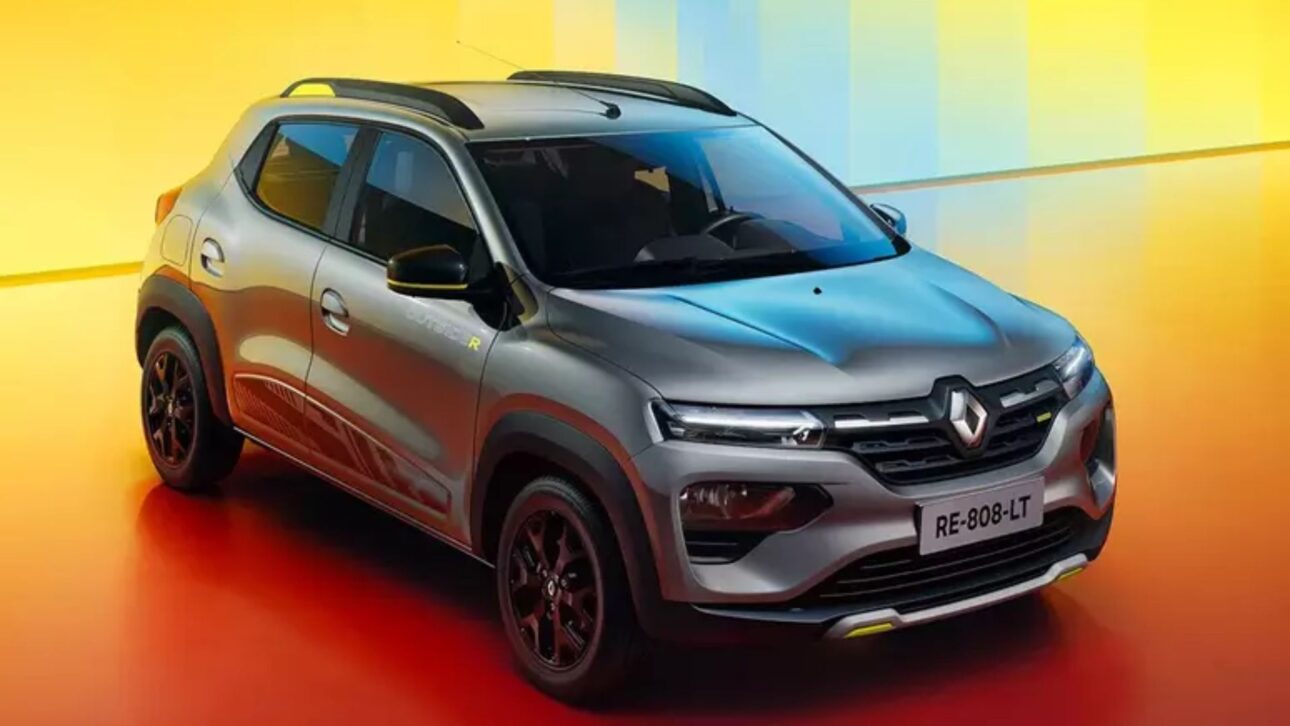
1st Place: Renault Kwid
The Renault Kwid remains the cheapest new car in Brazil, with prices ranging from R$ 78,690 to R$ 85,290.
The model uses a 1.0 flex engine with 71 hp and 98 Nm, always paired with a five-speed manual transmission.
Between January and September 2025, the Kwid registered 40,569 registrations, according to market data.
Renault highlights that the hatch is one of the most economical options in its line, aimed at consumers prioritizing low consumption and simple maintenance.
The Current Scenario of the Entry Segment
Industry data indicates that the average price of entry-level cars exceeds R$ 78 thousand in 2025, a figure that reflects an increase compared to previous years.
Industry sources explain that the adjustments are a result of factors such as inflation of inputs, currency devaluation, and increasing safety requirements.
Moreover, analysts state that consumers looking for models below R$ 90 thousand tend to opt for compact vehicles with essential comfort and safety, while those seeking greater performance or automatic transmission migrate to intermediate versions.
For automotive economy specialists, this trend towards rising costs reinforces the growth of used cars and subscription plans, modalities that offer access to vehicles with lower initial outlay.
What to Consider Before the Purchase
According to market consultants, the list price is just one of the factors in the purchasing decision.
Costs such as insurance, IPVA, maintenance, and availability of parts should be evaluated, as they vary by state and can alter the total cost of ownership.
The recommendation is to check the standard equipment of each version directly on the manufacturer’s website, as the presence of items such as stability control, hill start assist, and ISOFIX anchor points may vary throughout the model year.
A Market in Transformation
The shrinking supply of cars below R$ 80 thousand reflects structural changes in the automotive industry, according to specialists interviewed by industry portals.
The trend is that entry-level vehicles will begin to incorporate more technology and efficiency, even if this results in an increase in the final price.
The presence of Renault, Fiat, Citroën, and Volkswagen still maintains some competition in this segment, but manufacturers have focused launches on higher-margin categories such as compact SUVs and light electric vehicles.







Seja o primeiro a reagir!