





 Portuguese
  English
  Spanish
  5 min of reading
  0 comments


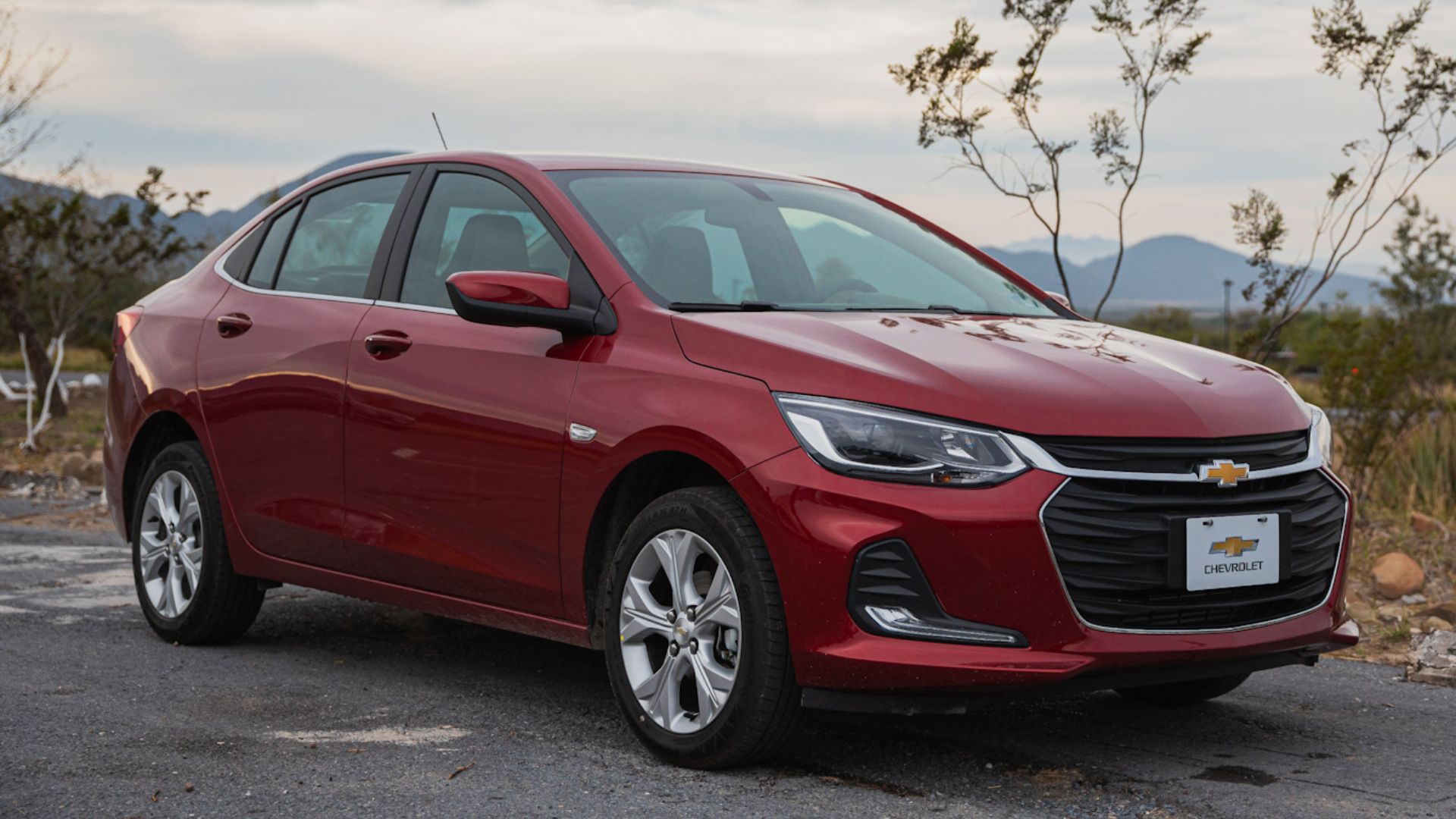
Accelerated Devaluation Hits Popular Cars, Pickups, and Electric Vehicles in 2025, According to Fipe Table Data, with Expressive Losses in Just 12 Months That Raise Alerts for Those Planning to Buy with an Eye on Resale and the Behavior of the Used Car Market.
Devaluation remains one of the main concerns for those buying a car in Brazil, especially in a scenario of high prices and an unstable market.
In 2025, recent data from the Fipe Table indicates that well-known models, including electric and popular vehicles, registered significant value drops in just 12 months, raising a red flag for consumers attentive to resale.
A survey by Auto+ analyzed five cars priced up to R$ 300 thousand that experienced the largest losses in value over the past year.
-
The Toyota Hilux is R$ 75.5 thousand cheaper and bets on the 2.8 turbodiesel engine with up to 204 hp and 50.9 kgfm to catch up with the VW Saveiro, which leads with 4,472 sales.
-
The new Renault Koleos has a screen exclusively for the passenger that is invisible to the driver, heated rear seats, and 29 assistance systems, but its Chinese competitors cost R$ 40,000 less and deliver more power.
-
The car stored for 38 years: when opening the barn door, what appears is breathtaking and looks like a scene from a movie!

-
Fiat works miracles in the Brazilian market, lowers the price of its 0 km hatch to R$ 69,990, reestablishes the model as the cheapest car in the country, and reignites the battle against Kwid and C3.
The calculation considers how much these vehicles cost when they were new in 2024 and the current average value indicated by Fipe in December.
The results show losses of over one quarter of the original price, reflecting changes in the market for new and used vehicles, in addition to the impact of the advancement of electrified models.
Among the factors explaining these declines are the cooling of new car sales, increased supply of updated versions, frequent price adjustments by manufacturers, and, in some cases, the difficulty of certain models to maintain consistent demand in the used car market.
The presence of electric vehicles among the most devalued is noteworthy.
Despite their technological appeal and high performance, these models still face resistance from some Brazilian consumers, whether due to charging infrastructure or the rapid technological evolution that makes newer versions more attractive and pressures the prices of used models.
In the case of popular pickups and sedans, the explanation lies in fierce competition, the arrival of new generations, and aggressive promotions in the new car market, which ultimately pulls resale values down.
Ford Ranger XL Sees Significant Drop in Resale Value

The Ford Ranger XL, the entry-level version of the brand’s midsize pickup, appears among the negative highlights of the survey.
Designed mainly for work but equipped with a double cab, it had a suggested price of R$ 246,990 when it was new in 2024.
Currently, the average value in the Fipe Table is R$ 208,399.
The difference represents an approximate devaluation of 15.6% in 12 months, or just over R$ 38 thousand.
Even being a traditional model in the Brazilian market, the Ranger XL felt the impact of fierce competition in the segment and the arrival of more updated versions of its own line.
Additionally, frequent promotions and special conditions offered in the new car market contributed to pressuring the prices of used vehicles, reducing resale value in a relatively short span.
Chevrolet Onix Plus LT Surprises Among Popular Cars

Among popular cars, the Chevrolet Onix Plus LT 1.0 Turbo caught attention due to the intensity of the devaluation.
Historically one of the best-selling sedans in the country, the model has always had a reputation for good cost-benefit, making its resale a positive point for many buyers.
In 2024, the LT 1.0 Turbo version was sold for R$ 119,190.
According to the current Fipe Table, the average value has dropped to R$ 91,982.
This represents a loss of around 22.8% in just one year, a high percentage for a car considered popular.
The scenario partly reflects the strong competition in the compact sedan segment and the change in consumer preference, which has shifted toward more compact SUVs.
Furthermore, price adjustments and updates to the Onix line ended up directly impacting the perceived value of earlier versions.
BYD Seal Leads Financial Losses Among Electrics

The BYD Seal is one of the most emblematic cases on the list.
Launched in Brazil with a strong sports appeal, the electric sedan stood out for its high-performance set, with 531 hp of power and 60.2 kgfm of torque, as well as advanced design and technology.
Nevertheless, the devaluation was significant.
In 2024, the model cost R$ 299,800 when it was new.
Currently, Fipe indicates an average value of R$ 224,249.
This represents a drop of 25.2% in 12 months, or more than R$ 75 thousand.
The result reinforces a trend observed in the electric segment.
The rapid technological evolution and aggressive pricing policies adopted by some brands directly impact resale value.
For those who bought the model thinking about changing cars in a short time, the financial loss was expressive.
JAC E-JS1 Also Registers Significant Devaluation

Another electric that ranks among the most devalued is the JAC E-JS1.
The urban compact had a price of R$ 132,900 in 2024, considering the 2025 model.
Today, the Fipe Table indicates an average value of R$ 101,049.
The difference corresponds to an approximate devaluation of 23.9% in just one year.
Although the E-JS1 is one of the most affordable electric vehicles on the Brazilian market, it faces challenges similar to those of other models in the segment.
Growing competition and frequent updates in pricing and equipment directly influence the behavior of the used car market.
Moreover, the resale market for compact electric vehicles is still limited, which restricts demand and pressures prices down.
Renault Megane E-Tech Leads Devaluation Ranking in 2025

The model that lost the most value during the analyzed period was the Renault Megane E-Tech.
Presented as one of the most modern electric cars in the category, the midsize hatch arrived in Brazil with a strong technological pitch and premium proposal.
In 2024, the full price of the model was R$ 292,690, without discounts.
Currently, the Fipe Table indicates an average value of R$ 215,785.
The drop reaches 26.3% in 12 months, the highest among the five cars analyzed.
The devaluation reinforces the challenge faced by higher-value electric vehicles in Brazil.
Even with a good technology package and adequate performance, the sales rate and competition with newer and, in some cases, cheaper models directly influence the price in the used car market.
With such expressive losses in just one year, these numbers reinforce the importance of assessing not only the purchase price but also the vehicle’s behavior in the market over time.
In a scenario of rapid transformations, especially as electrification gains ground, how much the car will be worth in the future can weigh just as much as consumption, performance, or equipment.
Which of these models surprised you the most with the recorded devaluation in such a short time?









-

-

2 pessoas reagiram a isso.