





 Portuguese
  English
  Spanish
  4 min of reading
  0 comments


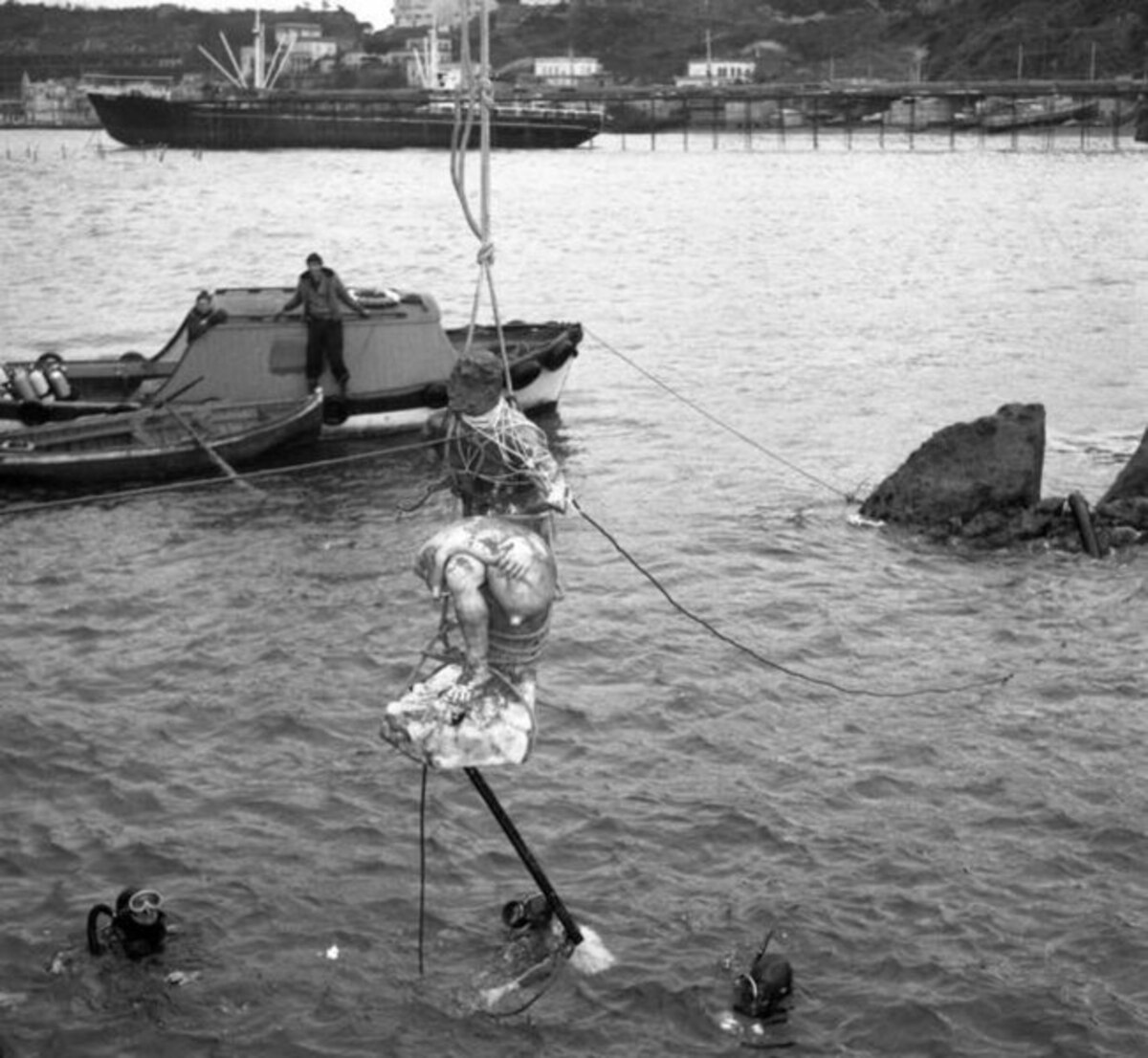
From Baia, Italy, to Port Royal, Jamaica, These Sunken Cities Hide Astonishing Stories of Power, Tragedy, and Survival
All over the planet, it is possible to find cities that disappeared underwater. Some were sunk by natural disasters. Others, by human actions. But all share a past that survives today only in ruins, beneath lakes, seas, or reservoirs. Here are five of those stories.
Baia, Italy: The Las Vegas of the Roman Empire That Sank
More than two thousand years ago, Baia, or Baiae in Latin, was one of the most coveted destinations for the Roman elite. Located about 30 kilometers from Naples on the west coast of Italy, the city was known for its hot springs, parties, and luxurious buildings.
Emperors such as Julius Caesar, Nero, and Hadrian had summer homes in the city. Emperor Hadrian even died in Baia in 138 AD.
-
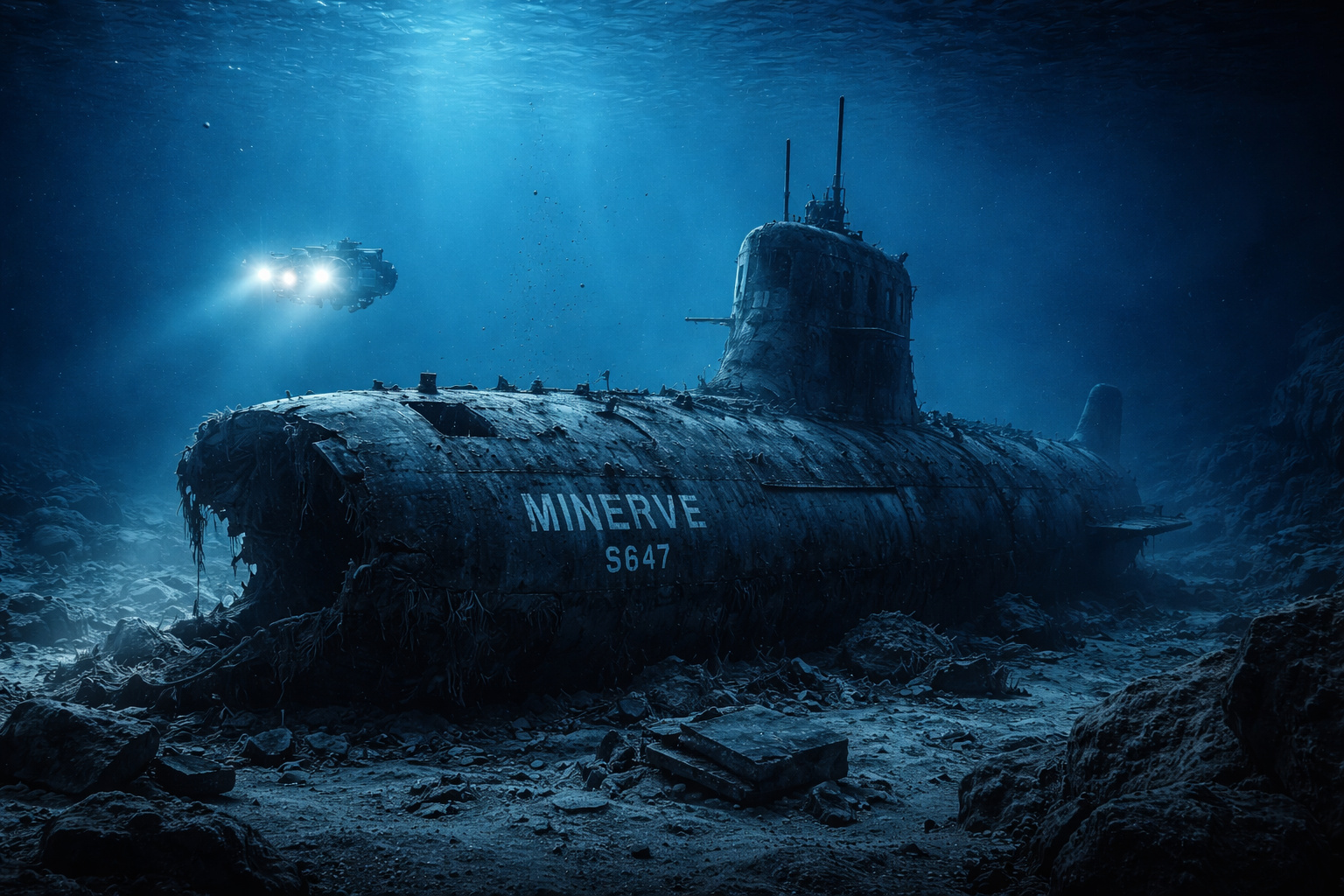
Few remember, but the submarine that disappeared in 1968 with 52 crew members was found after 51 years at the bottom of the sea at more than 2,000 meters, intriguing the entire world.
-
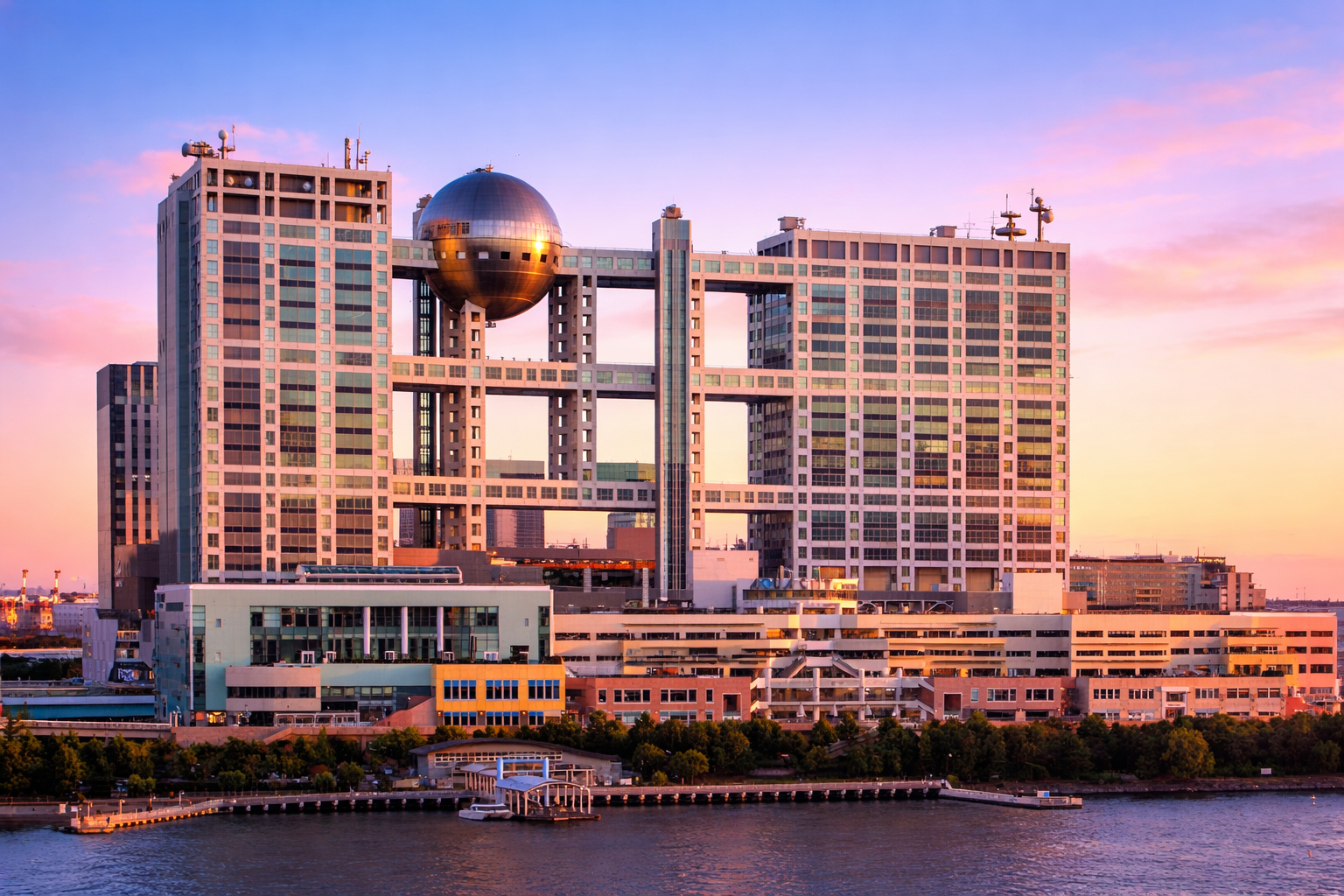
With 1,200 tons suspended, the Japan mega-structure in a grid shape with a floating sphere from Fuji TV features two 25-story towers connected by elevated walkways, titanium panels, and impresses the world with its ability to reduce wind impact.
-
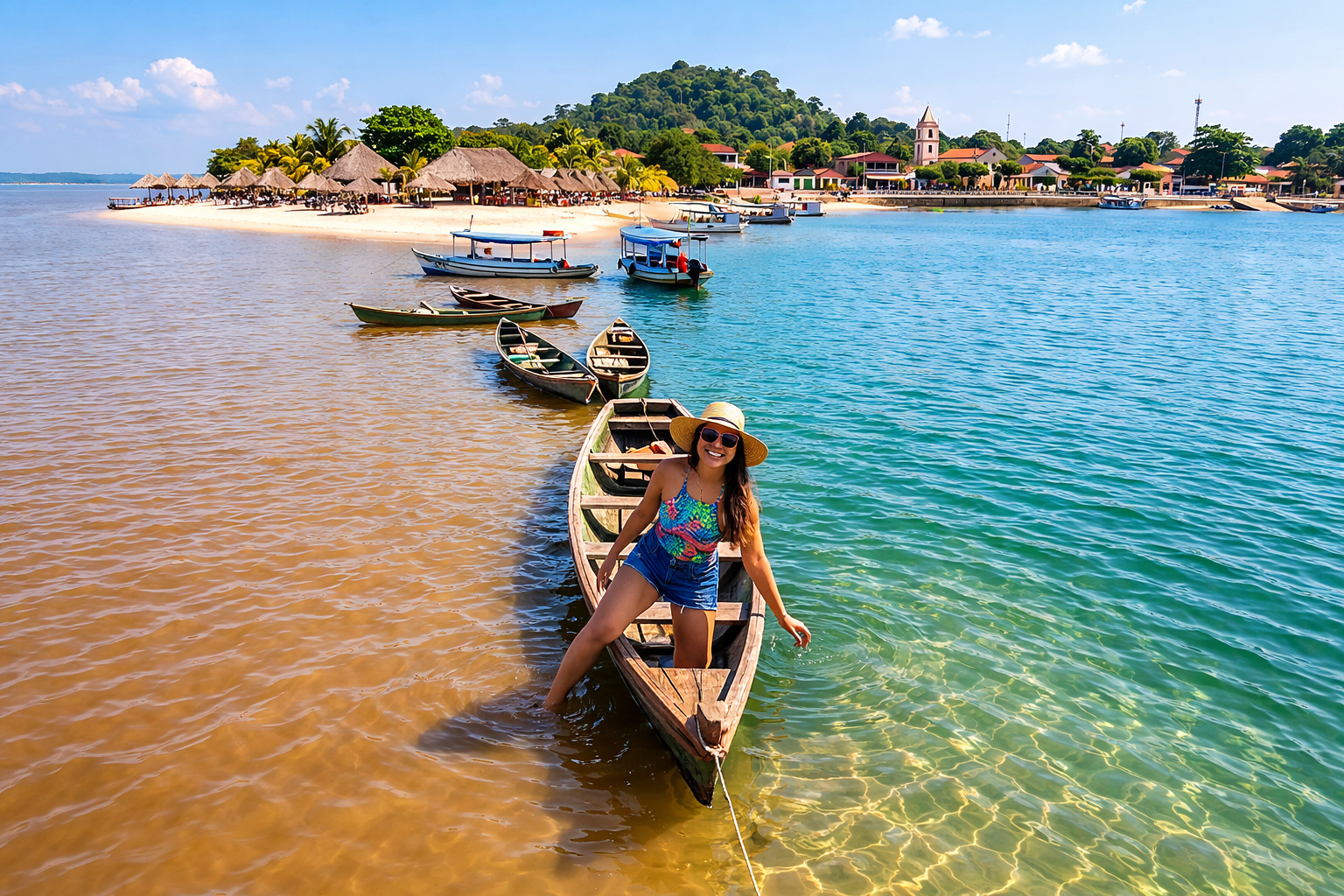
The village where two rivers run side by side without mixing in Santarém and Alter do Chão reveals some of the most beautiful freshwater beaches on the planet.
-
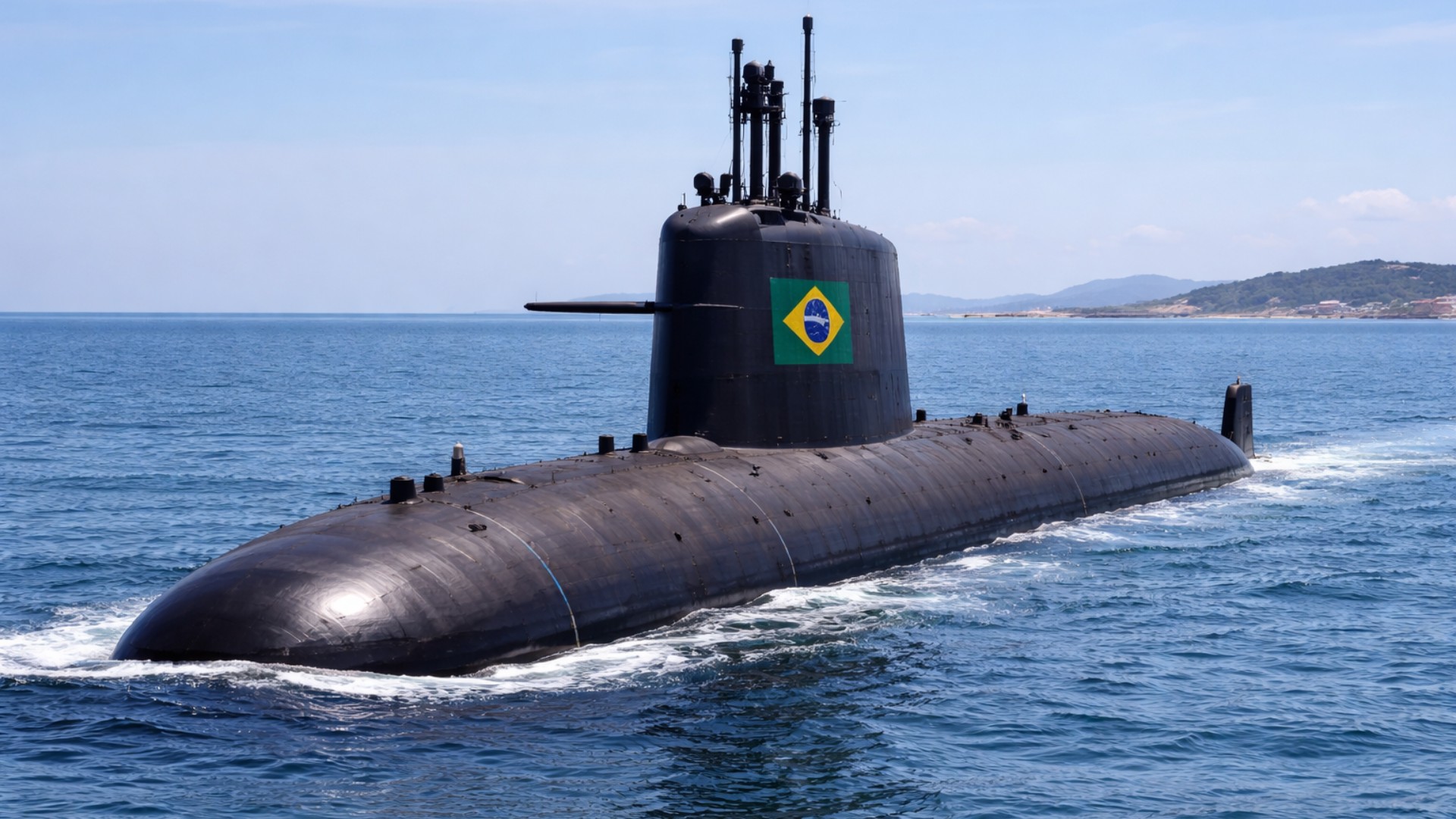
Brazil’s nuclear submarine with a speed 5 times greater than normal advances after nearly 50 years and R$ 40 billion spent.

But the same volcanism that created the hot waters also doomed the city. Baia was built on the Campi Flegrei, an active supervolcano.
Over time, seismic and hydrothermal activity caused a phenomenon called bradyseism—a slow movement of the ground, which sank the city between four and six meters.
Since 2002, the submerged area has become a Marine Protected Area. Access to the submerged ruins is allowed only for licensed divers accompanied by local guides.
Thonis-Heracleion, Egypt: Where Hercules Is Said to Have Tread
Thonis-Heracleion is a legendary city, located at the western mouth of the Nile River. It was a busy port that received goods from all over the Mediterranean.
According to ancient accounts, it was where the hero Hercules first set foot on Egyptian soil. It is also said to have been visited by Paris and Helen before the Trojan War.
Thonis was the Egyptian name. Heracleion, the Greek name in honor of Hercules. The city had a network of canals and intense commerce, evidenced by the discovery of 60 shipwrecks and more than 700 anchors.
Among the most important finds is the Decree of Sais. This is a two-meter-high stone slab inscribed with hieroglyphs from the 4th century BC. The text contains information about taxes and confirms that Thonis and Heracleion were, in fact, the same city.
Derwent, England: Submerged City to Become Reservoir
The village of Derwent, in Derbyshire, was deliberately flooded in the 20th century. The reason was the construction of the Ladybower Reservoir to supply growing cities like Derby, Leicester, and Sheffield.
Initially, there were plans to save the village by building two reservoirs: Howden and Derwent. But it soon became clear that a third would be needed. Construction began in 1935, and by 1945, the village was submerged.
During very dry summers, the water level drops, and the ruins of the village reappear, attracting curious visitors.
Villa Epecuén, Argentina: Reemerged After 25 Years
Founded in 1920, Villa Epecuén was a spa on the shores of Lake Epecuén, in the province of Buenos Aires. Its waters were known for alleged healing properties. The site attracted thousands of tourists.
But in the 1980s, heavy rains raised the lake’s level. A wall was built to protect the town. Still, in November 1985, a storm broke the dam. The city was engulfed by up to 10 meters of saltwater.
The residents managed to evacuate safely. Villa Epecuén remained submerged until 2009, when the lake began to recede, exposing the remains of the city again.
Port Royal, Jamaica: Sunken by Earthquake and Tsunami
In the 17th century, Port Royal was a bustling city known for piracy and trade. In 1662, it had 740 inhabitants. Thirty years later, that number had surpassed 6,000.
The city thrived on maritime trade and had houses up to four stories high. But at noon on June 7, 1692, an earthquake followed by a tsunami devastated the region. Two-thirds of the city was submerged. About 2,000 people died.
Today, Port Royal is a fishing village. But beneath the waters, there are still preserved ruins and shipwrecks. Diving there is only permitted with official authorization.
Sunken Cities: Memories Beneath the Water
Each of these cities holds remnants of different eras, buried not by land, but by water. And even submerged, they continue to tell stories of power, trade, faith, tragedy—and also of resilience.
With information from BBC.





Seja o primeiro a reagir!