





 Portuguese
  English
  Spanish
  5 min of reading
  7 comments


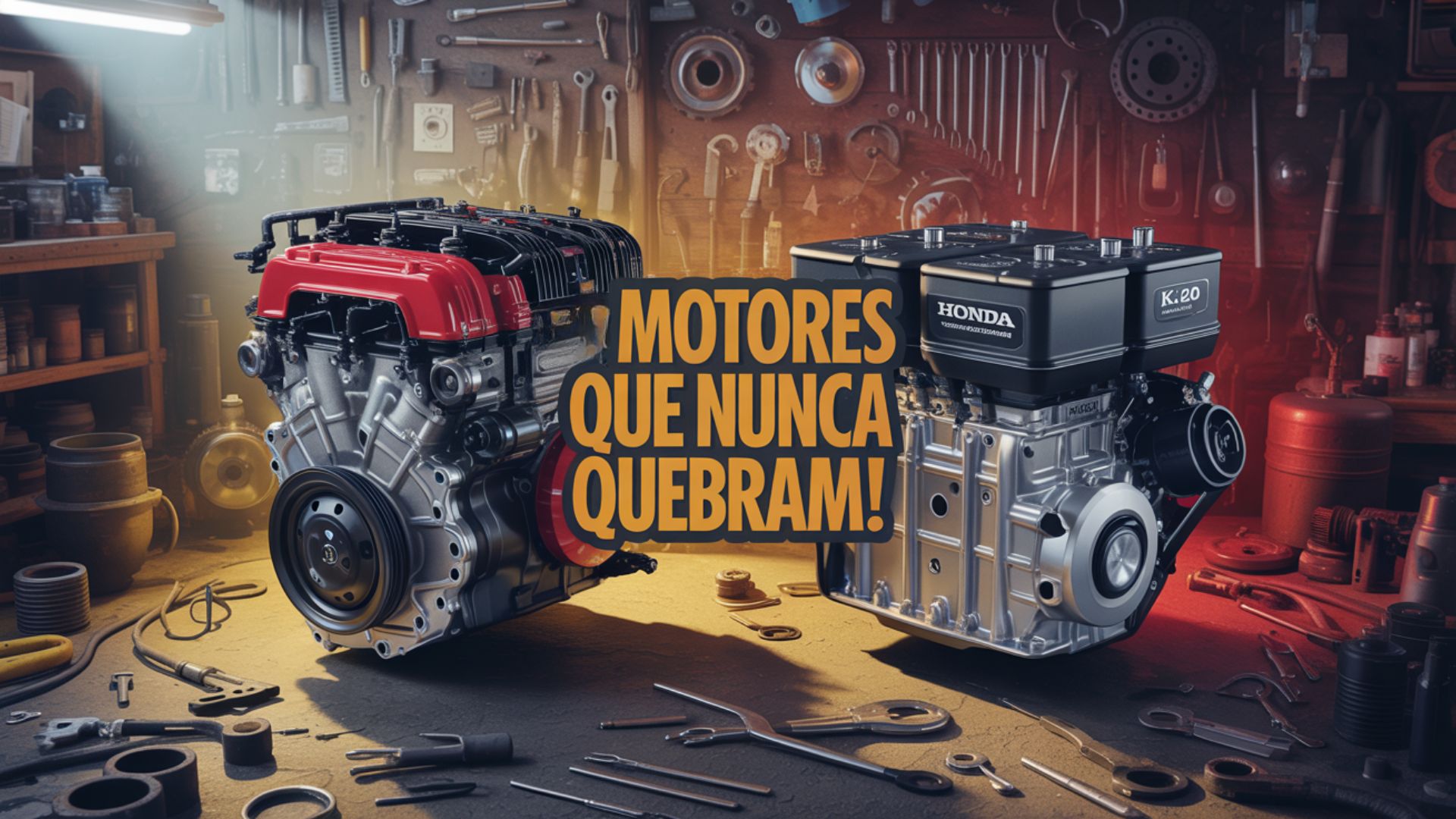


Engine Models Known for Durability Marked Generations of Vehicles in Brazil and Are Still Remembered Today for Their Reliability, Simple Maintenance, and Resistance Even in Intensive Use.
Engines that combine simple design, abundant parts, and predictable maintenance often travel hundreds of thousands of kilometers without issues.
This group includes Volkswagen AP, Fiat Fiasa, Ford CHT, GM Family II, and Honda K20.
In common, they all gained a reputation for being durable in daily use and, when well cared for according to the manual, stay away from the workshop for a long time.
-
The car stored for 38 years: when opening the barn door, what appears is breathtaking and looks like a scene from a movie!

-
Fiat works miracles in the Brazilian market, lowers the price of its 0 km hatch to R$ 69,990, reestablishes the model as the cheapest car in the country, and reignites the battle against Kwid and C3.
-
Chevette with cooking gas: How the gas cylinder ends up being used in cars clandestinely and why this makeshift solution can result in leaks, explosions, damaged engines, and seized vehicles.
-
Fiat launches the new 2027 Toro hybrid with 48V, 176 hp, an electric motor of 15.5 hp, a 0.85 kWh battery, up to 7% fuel savings, 8% fewer emissions, and possible exemption from IPVA.


What Makes an Engine Durable
In addition to the robust design, longevity is directly linked to compliance with the maintenance schedule.
Oil changes at the correct intervals, use of quality parts, and attention to the manufacturer’s recommendations are crucial for the mechanics to survive high mileage intact.
When this roadmap is followed, the engines below are among the most reliable ever sold in Brazil.
Volkswagen AP: Robustness and Low Maintenance Cost
Born from the EA827 family, the AP debuted here in 1985, equipping models such as the Gol and Voyage.
It quickly gained ground due to the combination of easily found parts, mechanical simplicity, and high resistance to severe use.
It also became a favorite among tuners, thanks to the wide availability of components and its ability to handle power gains without breaking.
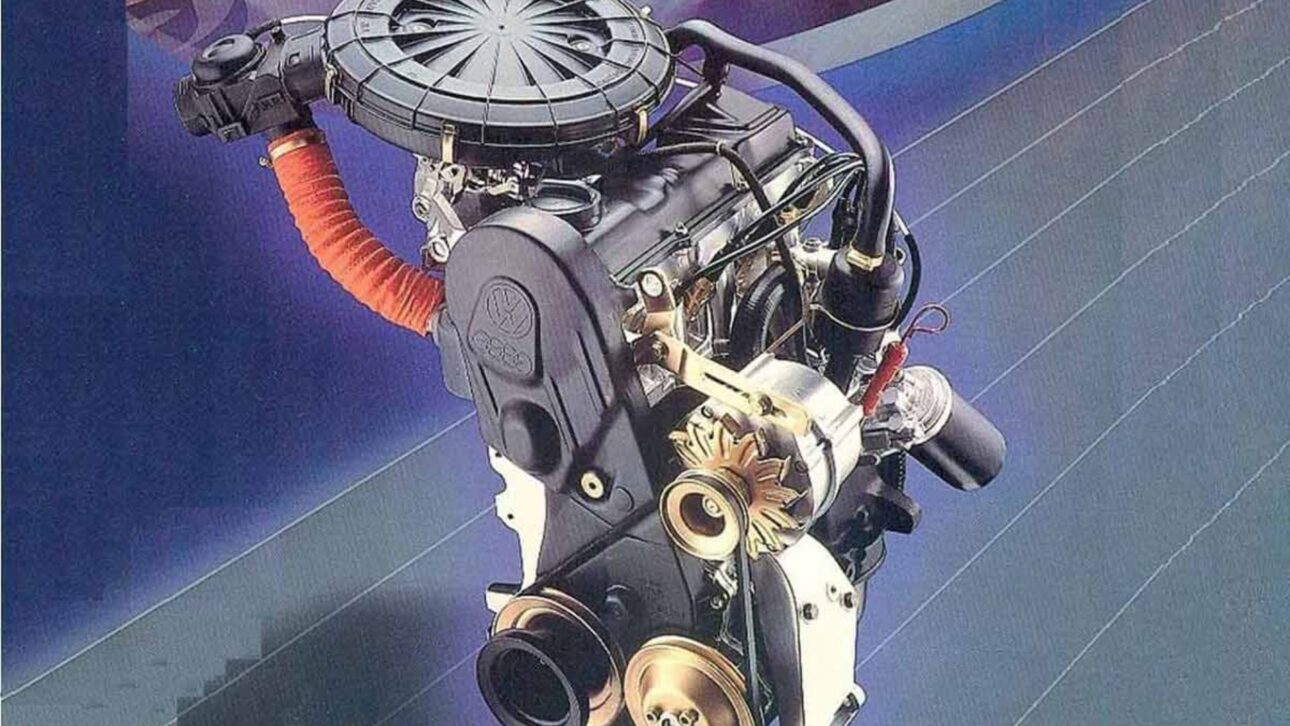
The farewell of the AP in passenger cars occurred in 2012, in the Parati, after nearly three decades of service.
While in line, the AP appeared in various displacements and applications, went through generations of the Gol, and maintained low maintenance costs.
This combination solidified its reputation among owners and mechanics and placed it among the most remembered engines when it comes to reliability.
Fiat Fiasa: Simplicity That Crossed Decades
Created under the guidance of Aurelio Lampredi, the Fiasa emerged in 1976 in the Fiat 147 and later powered a lineage of national compacts.
The secret was the simple project, with an iron block, aluminum cylinder head, and belt-driven camshaft, a solution that combined adequate performance with low repair costs. In the early 2000s, the arrival of the Fire began the transition.
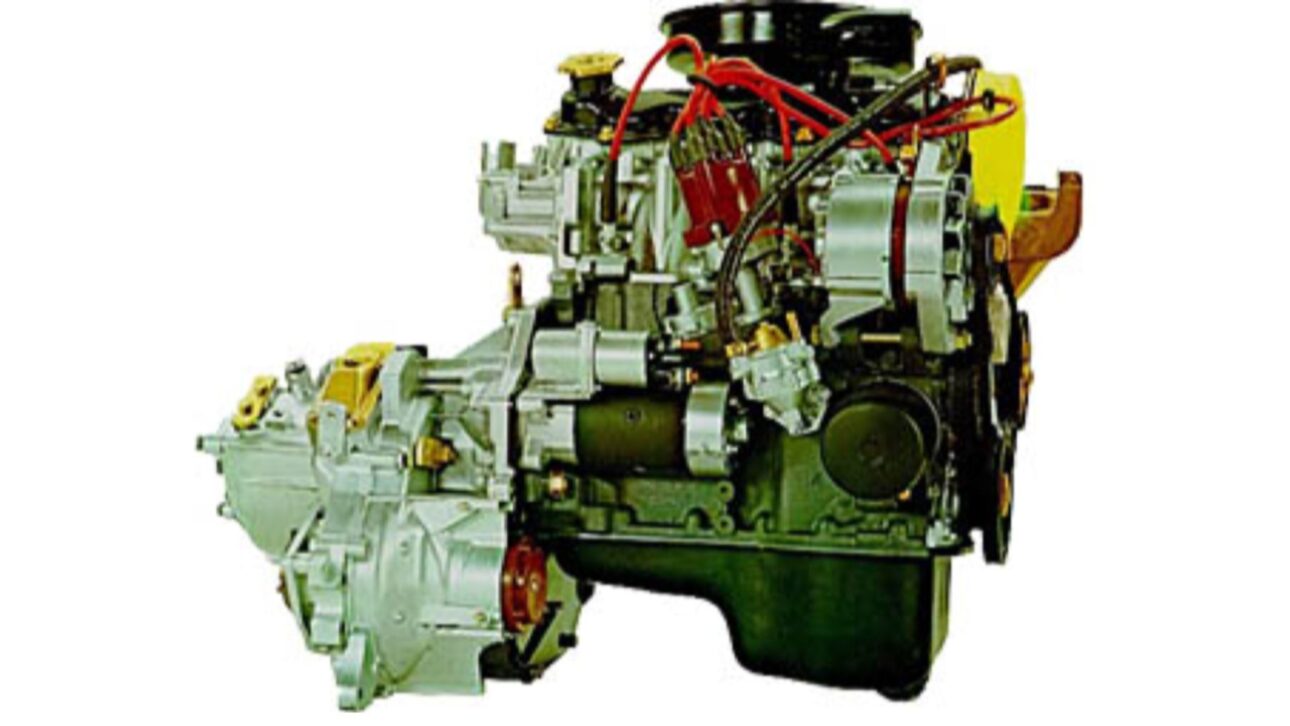
Even so, production and application records indicate that 1.5 versions of the Fiasa continued in some utility vehicles and basic versions until the 2003/2004 line, marking the end of its journey on Brazilian streets.
In practice, those who lived with the Fiasa remember cheap services and long intervals between more complex interventions.
For fleet owners and those needing a workhorse, it was a recipe for reliability with good cost-effectiveness.
Ford CHT: French Heritage, Brazilian Tuning
Resulting from an evolution of the Renault Cléon-Fonte project, the CHT was Ford’s response to Brazil’s need for an economical and smooth engine for the passenger line.
It debuted in the 1984 Escort line, followed by applications in Corcel, Del Rey, and later in entry-level versions of the Gol during the Autolatina period.
The family also produced the well-known AE 1.0 in the early 1990s. However, the CHT phase was limited to the 1980s and mid-1990s, when it was replaced by more modern setups.
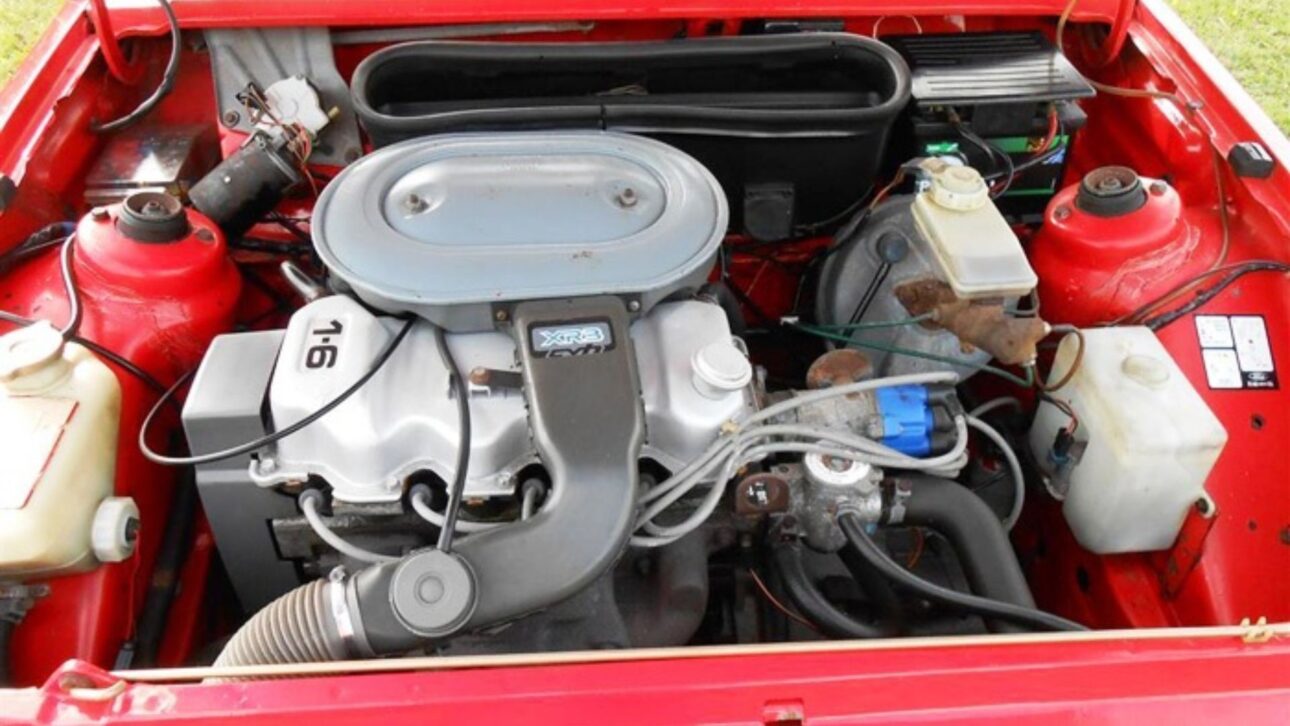
Even without extravagant numbers, the CHT carved out a space due to its moderate consumption and resilience in urban use.
In workshops, it is remembered as a motor with simple maintenance, as long as intervals are respected and correct components are used.
GM Family II: From Monza to S10, a Long Career
The Family II arrived in Brazil in 1982 with the Monza and spread across an extensive list of models, such as Kadett, Vectra, Omega, Astra, Zafira, Blazer, and S10.
The recipe included an iron block, aluminum cylinder head, and a wide range of displacements and configurations, from the 1.6 carbureted to the 2.0 and 2.4 with injection, including 16V versions.
In passenger cars, its operation ended in 2012, as in the case of the Zafira. In pickups, the last breath came in 2016, when the S10 abandoned the 2.4 Flex.
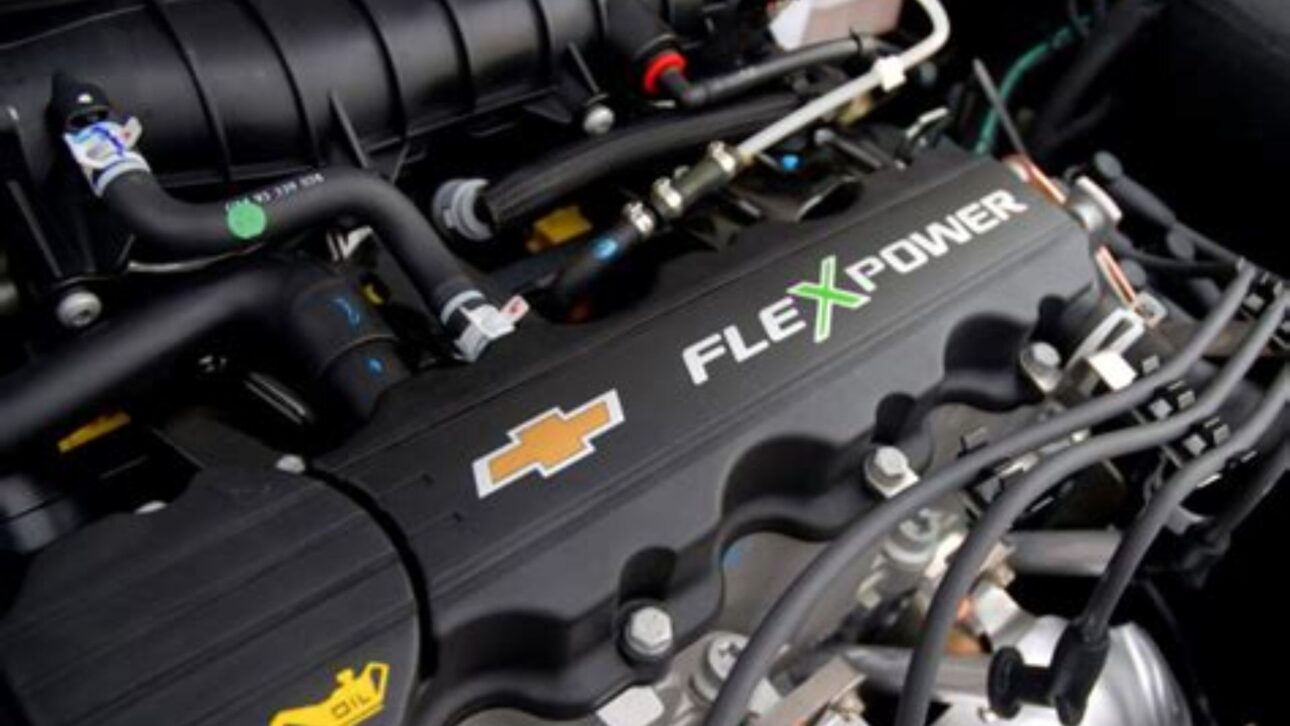
In other words, it was 34 years in the national market, a rarity in any industry. Robustness and ease of maintenance explain its longevity.
Meanwhile, it became popular in tuning projects due to the availability of parts and compatibility between different Chevrolet models.
Honda K20: High Revving with Reliability
Among street performers, the K20 became known for uniting high RPM with a level of reliability that inspired a global community of enthusiasts.
In Brazil, the engine landed in the 2007 Civic Si, in the K20Z3 specification with 192 hp and a six-speed manual transmission.
The national cycle of this configuration lasted until 2011. The next line migrated to the 2.4 K24.
Besides performance, the K20 stood out for the robustness of its assembly and a positive history in intensive use, from track day trails to moderate tuning.
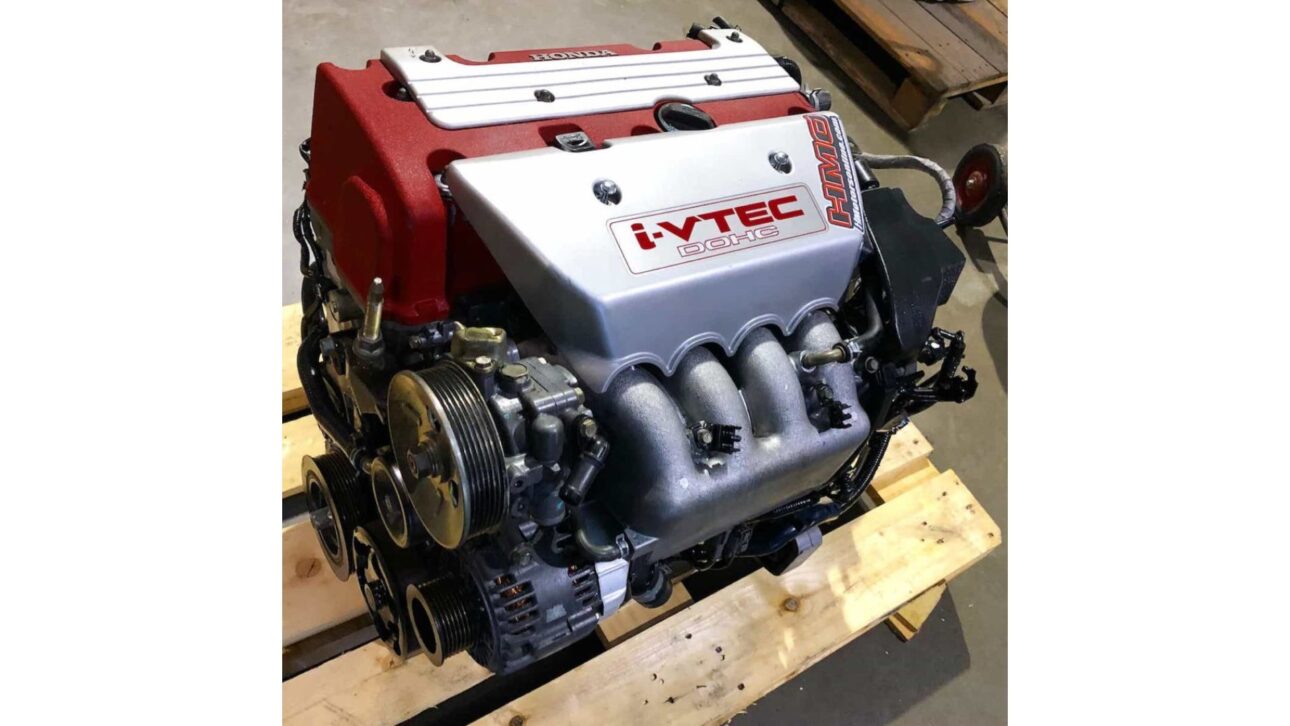
The reputation of being “unbreakable” is not a matter of chance. The engineering of the K series prioritizes materials, machining, and solutions that reduce friction and increase the resistance of the valve train and block.
This helps explain why so many engine swap projects worldwide choose the K family as a base.
Timely Maintenance Is Part of the Equation
Even the engines most famous for handling the strain depend on preventive maintenance to uphold their reputation.
Correct grade oil, quality fuel, inspected cooling, and timely replacement of belts and filters are the way to last years of use without surprises.
Furthermore, knowing the peculiarities of each project — such as clearances, torques, and inspection deadlines — is what separates a good history from a schedule of visits to the workshop.
That said, which of these engines marked your life — and why does it deserve or not the reputation of being “unbreakable”?







Esqueceram o Mitsubishi, tenho um Outlander GT4 V6 2013, já rodei 330.000 desde zero, não baixa óleo, só troquei velas, filtros e óleo, não deixa não mão de jeito nenhum. Prá mim um espetáculo de motor.
Melhor custo benefício foi o AP, o família 2 tem nome sugestivo, tão bom que o consumo se equipara a 2 famílias.
De todos estes o AP foi o melhor de longe. Muito mais potente, econômivo e durável que qualquer outro em todas as cilindradas. As maldit@s normas anti-poluição tiraram o motor de linha. Hoje só Toyota e Honda tem motores que prestam. Os VW turbos não duram nada e quando quebram custam o valor do carro.
O AP de longe o melhor? Não concordo. O AP era grandalhão, tinha até que ficar inclinado no cofre do motor atrapalhando o design dos carros.. além de ser áspero. O alem disto é pesado, para o tamanho dele, não tem nem fluxo cruzado, o que ele tinha de bom era a grande resistência e se quebrar a correia dentada não ocorria nada. Sem contar que ele é ótimo com turbo. Este motor é um projeto dos anos 60. Nós anos 80 prefiro os motores GM familia II. Nos noventa o Fire. E depois os Toyota.
Nao tem fluxo cruzado? Áspero? “Você tem certeza?” (Leia com a voz do Silvio Santos)
Aliás, até onde eu sei qualquer motor atropela válvula no caso de quebra da correia dentada.