





 Portuguese
  English
  Spanish
  5 min of reading
  0 comments


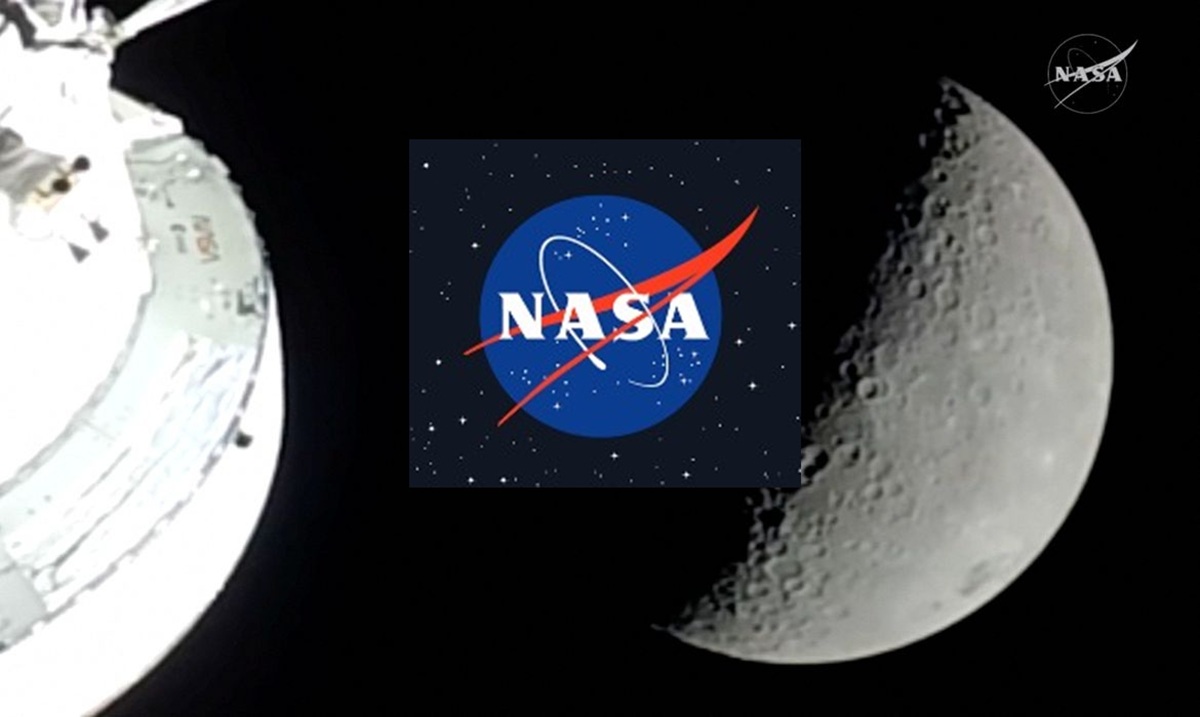
With the advancement of the Artemis program, NASA is refocusing efforts on the Moon and paving the way to investigate the origin of the satellite, the presence of water at the south pole, its internal structure, the difference between its faces, and the enigma of the ancient lunar magnetic field.
For a long time, the Moon was seen as a static body, without atmosphere, without water, and with few remaining secrets, which explains the Artemis mission.
This understanding changed with the advancement of orbital instruments and robotic missions, which revealed a much more complex scenario and left fundamental questions open about the origin of the satellite, its water, its interior, its geological asymmetry, and its ancient magnetic field.
The proposal for the new lunar phase goes beyond occasional visits and seeks to establish bases for a continuous presence.
-
Goodbye common charger: users around the world are replacing the old item with this more compact, powerful, and efficient GaN model that charges a phone, tablet, and laptop at the same time.

-
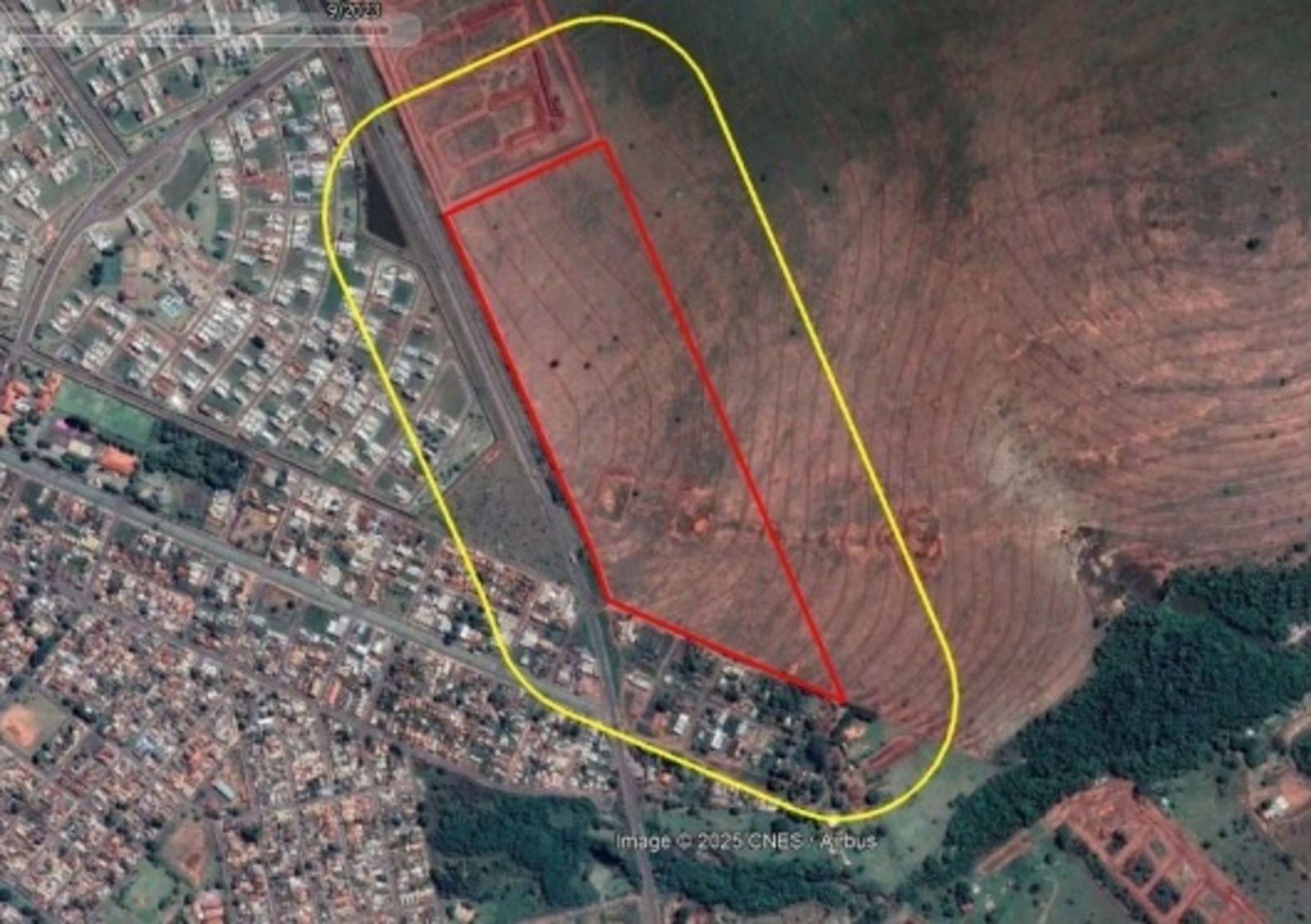
New high-end condominium in Campo Grande comes under scrutiny for being too close to an archaeological site and may have construction affected.
-
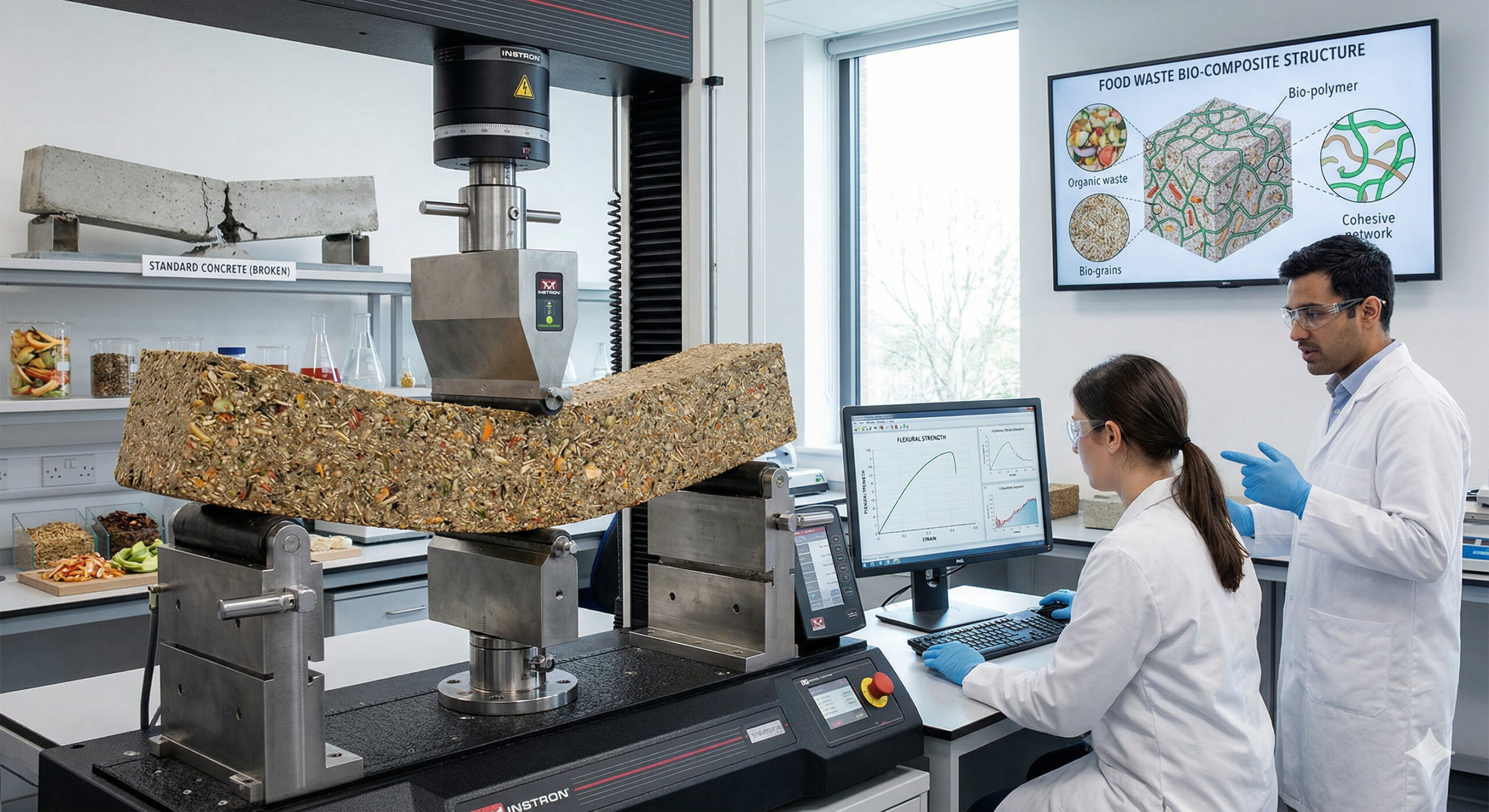
Researchers transform food waste into a material stronger than concrete, made without cement, using cabbage, peels, and coffee grounds, which can still be consumed in an emergency.
-
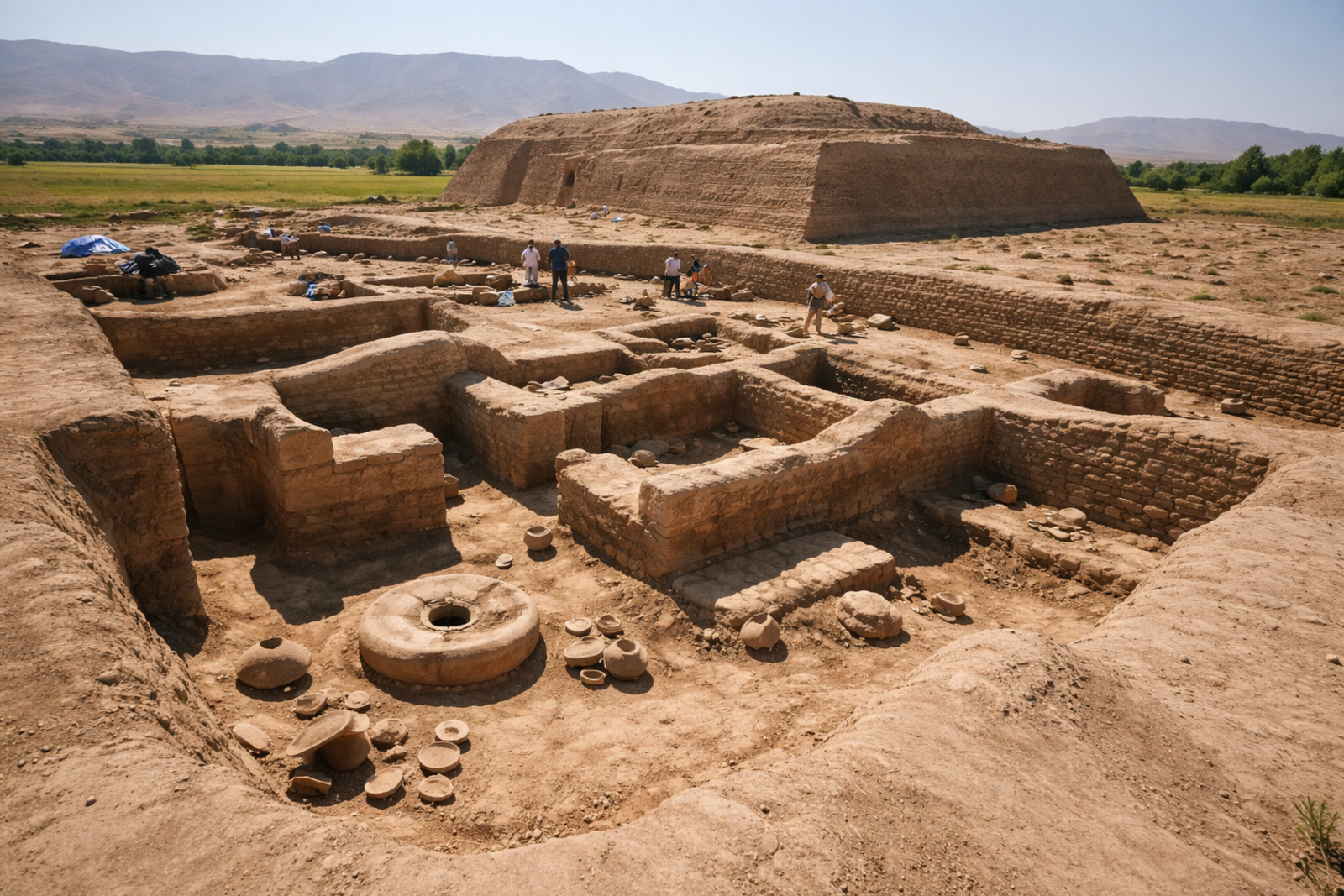
A 3,000-year-old city found in a “hidden treasure” in Uzbekistan reveals a preserved wall, interconnected rooms, and artifacts that help explain how urban life emerged along the ancient Silk Road.
With this, the expectation is that researchers will have constant access to new materials, observations, and measurements, expanding analytical capacity in the coming decades.
Artemis and the search for the origin of the Moon
One of the central themes involves the very origin of the Moon, still predominantly explained by the giant impact hypothesis that occurred about 4.5 billion years ago. In this scenario, a planet the size of Mars would have collided with a proto-Earth, and part of the material ejected into space eventually coalesced to form the satellite.
Although this theory remains the most accepted, it still relies on complex simulations and a limited set of samples collected by the Apollo missions 50 years ago. Access to new rocks, especially deep and unaltered materials, could decisively strengthen the evidence about how the Moon was formed.
Obtaining fragments of the lunar mantle, exposed in craters or impact areas, is seen as an important step in this process. Another essential front is the reconstruction of the chronology of the ancient lunar magma ocean, a task that will require reaching difficult regions but could advance with the new scientific infrastructure linked to Artemis.
Lunar water and the challenge of the south pole
Another decisive enigma lies in the amount of water present on the Moon and how it manifests. A few decades ago, the prevailing idea was that the satellite was completely dry, but this scenario changed after the confirmation of ice in permanently shadowed craters at the south pole and the presence of water trapped in crystalline form within minerals on the surface.
The question has now shifted from merely knowing if water exists to focusing on its abundance, distribution, and viability for use. This has a direct impact on the possibility of sustaining future lunar bases, as the resource could be valuable for obtaining oxygen and fuel.
Future Artemis missions are expected to explore these craters to verify how ice is distributed. Scientists want to know if it appears mixed with regolith, in compact plates, or in purer deposits, which will determine whether extraction will be practical or unfeasible on a large scale.
In the most favorable scenario, the Moon could offer an abundant and processable resource. In the least favorable scenario, water will be so dispersed that its utilization will become extremely difficult, even with technological advancement.
The internal structure of the Moon is still a blind spot
The internal composition of the Moon remains one of the major gaps in lunar research. The seismographs installed during the Apollo era recorded deep and shallow tremors, but the data obtained were limited and concentrated in only one region of the satellite.
Today, gravitational and thermal models provide only a rough outline of the lunar interior. They help raise hypotheses about the core, mantle, and residual heat circulation, but still do not offer a detailed picture.
With a more prolonged human presence, it will be possible to install seismographs in areas never before studied and expand the global coverage of measurements. A modern network of sensors could significantly enhance the resolution of the Moon’s interior and allow for a more precise definition of the core size, mantle structure, and internal heat distribution.
This expansion may not produce a perfect image of the lunar interior immediately. Nevertheless, the result could represent the most complete portrait ever obtained of the internal structure of the Moon.
Why is the far side so different?
The difference between the two faces of the Moon remains one of the most intriguing problems in lunar geology. While the near side is smoother and covered by basaltic seas, the far side appears more rugged and irregular, even though it is part of the same celestial body.
Various models have been proposed to explain this asymmetry. Among them are hypotheses related to differences in heat at the beginning of lunar history, variations in the crystallization of the magma ocean, and gravitational effects caused by the Earth, but none of these models has managed to provide a complete answer.
The advancement of Artemis may pave the way for the first human expeditions to the surface of the far side. If new samples are obtained, it will be possible to measure the age, composition, and thermal evolution of these regions, gathering data considered essential to address a question that has persisted for half a century.
The ancient magnetic field of the Moon
The samples brought back by the Apollo missions presented an unexpected finding by revealing magnetized rocks. This record suggests that the Moon may have harbored a powerful internal dynamo capable of generating a strong global magnetic field at some point in its history.
This point, however, comes into tension with current knowledge about the size and interior of the satellite, which indicate a small and too cold body to sustain such a field for an extended period. The contradiction has turned lunar magnetism into yet another of the great mysteries still unsolved.
The new phase of exploration could help reconstruct when this dynamo existed and what its intensity was. With new samples from different regions, well-dated rocks, and more precise magnetic measurements, Artemis could contribute to defining when this process occurred and how it relates to the internal evolution of the Moon.
More than an isolated destination, the Moon is being treated as a starting point for a new phase of space exploration. Over the next 10 to 20 years, Artemis could transform old doubts into concrete answers and expand understanding of rocky worlds, planetary formation, and human exploration with new lunar rocks in hand.







Seja o primeiro a reagir!