Portuguese
  Spanish


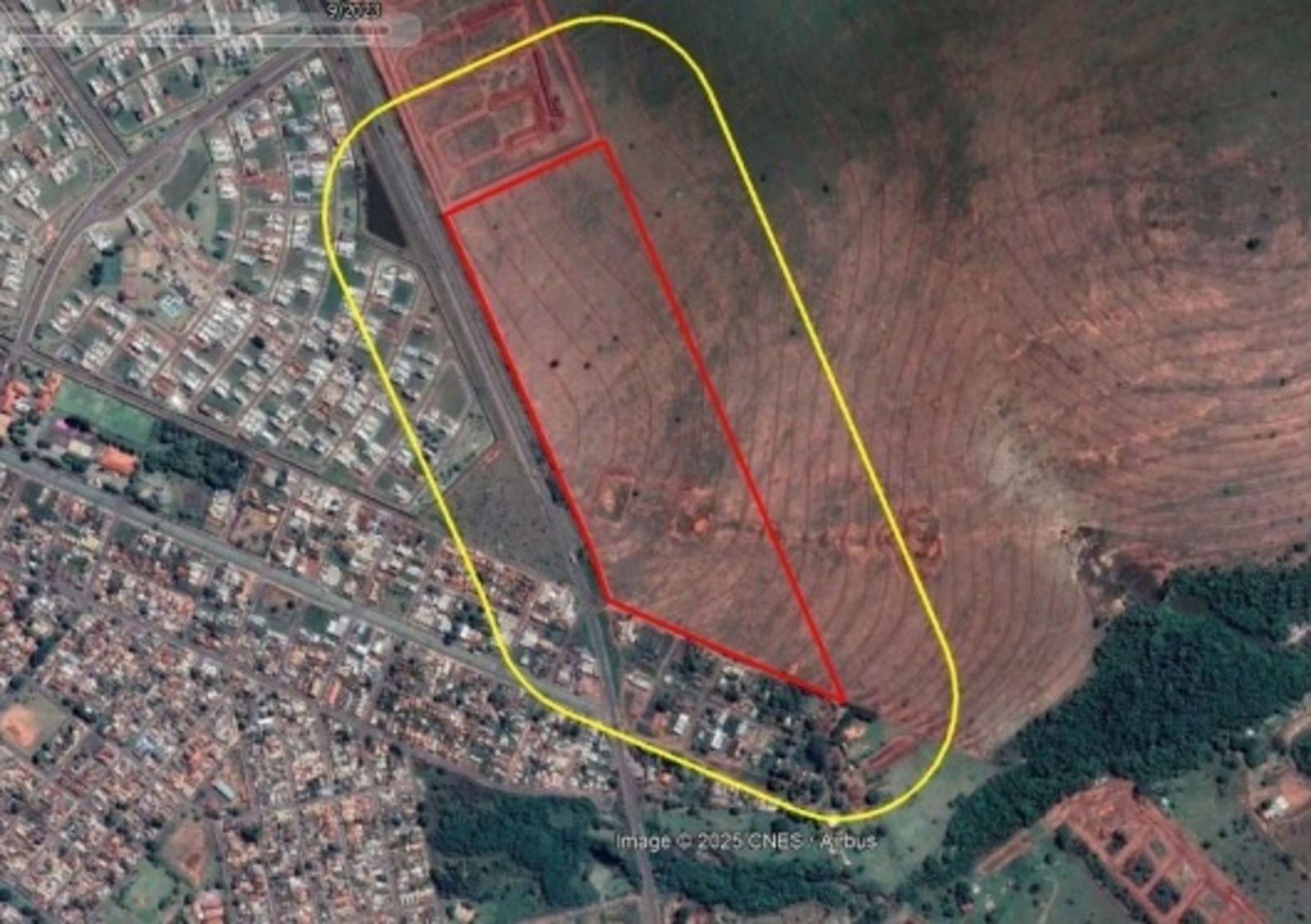

High standard condominium in Campo Grande goes through archaeological studies required by Iphan due to proximity to registered pre-colonial site
The construction of a high standard condominium in Campo Grande led Iphan to require archaeological studies in the area, as it is about 4.5 kilometers from the Ribeirão das Botas 2 Archaeological Site, which may affect traces linked to ancient human occupation.
Iphan Requirement
The development will be implemented in the Terras Alpha region, near Jardim Montevidéu, where the Alpha 3 and 4 residential areas already exist.
The alert was triggered due to the proximity to Ribeirão das Botas 2, an open-air pre-colonial site.
-
Brazilian Researchers Develop Floor Tiles That Convert Student Footsteps into Electricity to Reduce University Energy Costs

-
Cambridge Scientists Achieve Solar-Powered Plastic Recycling, Converting Waste into Valuable Chemicals Without Fossil Fuels, Paving the Way for a Low-Carbon Circular Economy

-
In Ghana, Makafui Awuku Turns 250-300 Water Sachets Into Each 30-Year-Lasting School Desk, Lifting Children Off Classroom Floors
-
In September 2035, Mars to Shine Brightest Since 2003, Aligning with NASA and China’s Planned Human Mission to the Red Planet



Classified as a lithic site, the location gathers records associated with the use of stone by human groups prior to the arrival of Europeans.
This type of area may concentrate stone tools, ceramics, and other artifacts used by indigenous peoples.
In light of this scenario, Iphan opened a process and determined the conduct of archaeological studies on the land.
The measure aims to prevent damage to historical-cultural heritage and expand knowledge about the ancient and historical occupation of the region.
Archaeological Potential
According to João Henrique dos Santos, superintendent of the agency in Mato Grosso do Sul, the location of the development suggests archaeological potential.
The justification considers the proximity to other already registered sites, linked to pre-colonial groups and the historical period of the municipality’s formation.
The new residential area, neighboring Alphaville, will have 626 lots, with 617 designated for residential use. The forecast is for full occupancy in 20 years.
The project will be implemented in an area of the old Fazenda Botas, on the way to Cuiabá, near BR-163.
How the Study Will Be Conducted
The Iphan project was classified at level III, a classification indicating medium to high interference in the soil.
Therefore, preventive archaeology in the area foresees surface and subsurface prospecting to verify the existence of traces.
Walks are scheduled every 50 meters and the execution of 96 test pits. Excavations may reach one meter in depth, according to the plan developed to assess the impact of the development on local heritage.
In addition to the technical stage, the study includes heritage education actions for the surrounding community and school audiences.
The goal is to raise awareness about cultural preservation and expand understanding of the importance of these assets.
Release and Responsibility
The definitive release of the development depends on the approval of the archaeological reports.
The results may allow the continuation of the works or indicate the need for further research if relevant traces are found.
Mato Grosso do Sul has over 800 registered archaeological sites.
Iphan informs that the analysis process can take four to six months, depending on the complexity of the project and the results obtained in the field, in works carried out on site.
In the procedural document, Alphaville Urbanismo states that it is aware of the process. The company also takes responsibility for the impact study on intangible assets and commits to suspend works or activities in areas where intangible cultural assets are identified.
With information from Campo Grande News.