





 Portuguese
  English
  Spanish
  3 min of reading
  3 comments





Jewelry, Carpentry, and Creative Sewing Lead List of Profitable Trades with Growing Demand and Low Initial Cost
Manual professions are gaining prominence as a profitable alternative to formal employment, with trades that can generate over R$ 6,000 per month. The appreciation of handmade products, combined with the ease of online promotion, allows small artisans and independent professionals to turn manual skills into profitable businesses.
According to industry research and reports from autonomous professionals, activities such as handmade jewelry, custom carpentry, and creative sewing have shown profit margins exceeding 60%. The trend is driven by the appeal of exclusive, sustainable, and made-to-order products — especially on social media and marketplaces like Elo7, Etsy, and Instagram Shopping.
Which Manual Professions Earn Over R$ 6,000 Per Month?
Below are some of the trades with highest monthly earning potential, according to market data and experiences reported by industry entrepreneurs:
-
The Mar Sem Lixo program has already removed 133 tons of waste from the São Paulo coastline and pays more than R$ 1 million to fishermen.

-
With over 1 million bottles per year and 1.2 million vines, winter wines are advancing and gaining a strategic laboratory worth R$ 3.4 million in the Midwest.

-
Elderly individuals aged 65 or older who have never contributed to the INSS can receive R$ 1,621 per month in 2026 without having paid any contributions in their lifetime: learn how the benefit works that already supports nearly 7 million Brazilians.

-
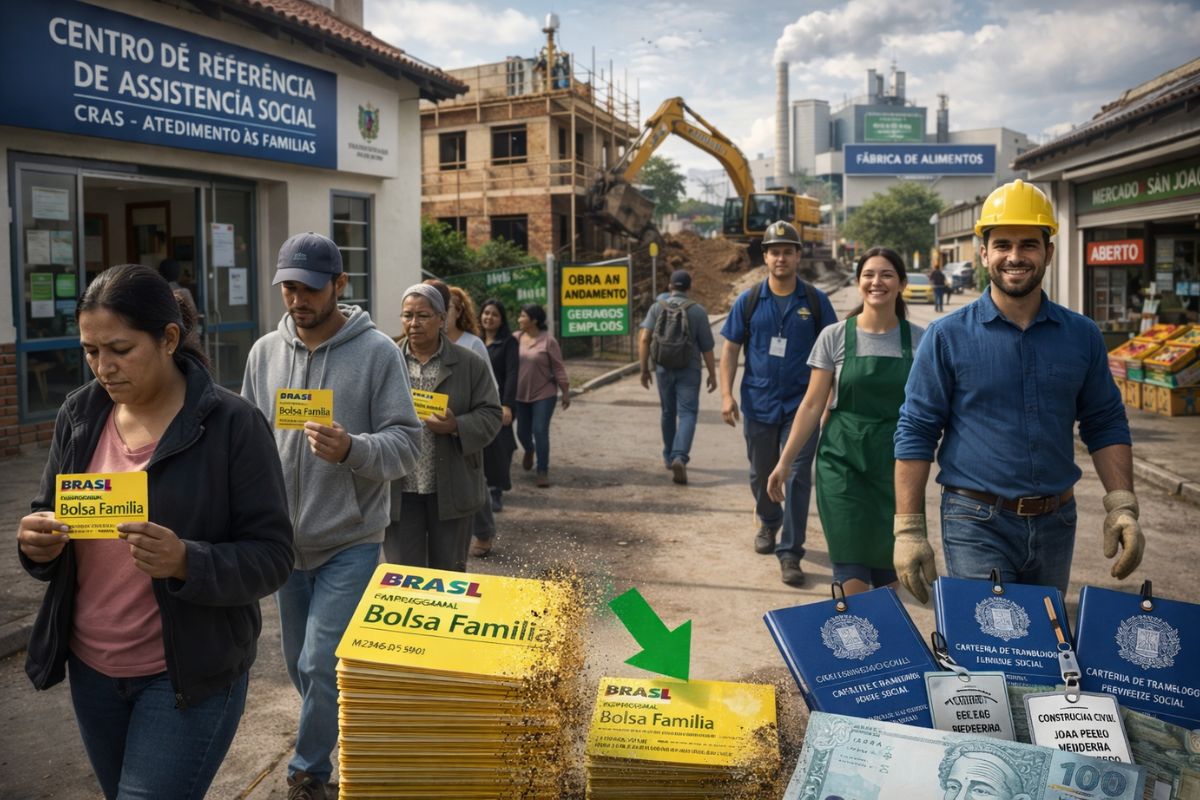
The gaucho city reduced the number of Bolsa Família beneficiaries by almost 40% in just a year and a half with active outreach that connects each registered person directly to job vacancies in Bento Gonçalves in Rio Grande do Sul.

Handmade Jewelry: pieces such as rings, earrings, and custom necklaces can be sold for R$ 200 to R$ 2,000. With refined techniques and noble materials, the profit can exceed 70% per unit.
Custom Furniture Carpentry: resin tables, unique headboards, and planned shelves are in high demand and provide significant returns, with an average ticket above R$ 3,000 per piece.
Creative Sewing and Made-to-Order Production: bags, children’s clothing, costumes, and personalized pieces generate recurring profit, fostering customer loyalty.
Handmade Bookbinding and Custom Stationery: planners, notebooks, and handmade invitations are highly valued in wedding, event, and bullet journal niches.
Sculptures and Art in Cement, Clay, or Resin: handmade decor objects have gained popularity, especially among architects and decorators.
How to Turn a Manual Skill into High Monthly Income?
The first step is to identify a niche with high demand that aligns with your profile. Next, it is essential to improve techniques through quick and accessible courses. Platforms like Domestika, Senai, and Sebrae offer specific training in jewelry making, carpentry, bookbinding, and more.
In addition to production, digital positioning is crucial. Investing in good photos, creating videos showing the process, and responding quickly to customers makes all the difference. Networks like Instagram, TikTok, and Pinterest are powerful allies for attracting an audience and closing sales.
Is it Possible to Scale Production Without Losing Quality?
Yes. Experienced professionals indicate that over time, it is feasible to invest in automated tools — such as laser cutters, industrial sewing machines, or ceramic kilns — that increase productivity without compromising quality.
Another tip is to delegate operational tasks, such as packaging and customer service, to maintain focus on creation and marketing. This way, the business can grow in a structured and sustainable manner.
What is the Initial Investment Required?
It all depends on the area. Check average estimates:
- Creative Sewing: R$ 800 to R$ 1,200 (basic machine + fabrics and trims)
- Handmade Jewelry: R$ 3,000 to R$ 5,000 (metals, stones, precision tools)
- Carpentry: R$ 4,000 to R$ 7,000 (tools, wood, adequate space)
- Stationery and Bookbinding: R$ 600 to R$ 1,000 (special papers, guillotine, glue, covers)
Even with a reduced investment, many professionals report returns within the first 3 to 6 months, provided there is discipline, quality, and active presence on social networks.
Can Manual Work Replace a Formal Job?
With planning and consistency, yes. Many artisans report leaving formal jobs after stabilizing their clientele and ensuring a steady flow of orders. The secret is to treat the craft as a real business — with goals, financial control, and a production calendar.
In addition to financial gain, there are benefits such as autonomy, flexible hours, and creative freedom, which have attracted more and more professionals seeking quality of life.
Have you ever thought about living off a manual job? Or do you know someone who turned a skill into a main source of income? Share your story in the comments — your experience can inspire others to follow the same path.








Trabalho com lençóis com dimensões diferenciadas dos convencionais para que não fique soltando do colchão, detalhe nas fronhas e também faço colcha de Petworck. Amo trabalhos Artesanal.
Trabalho com papel machê, com decupagem,cerâmica fria etc💕
Eu trabalho com cacos de granito material com sobra de Marmoraria a 27 anos