





 Portuguese
  English
  Spanish
 4 min of reading
  0 comments


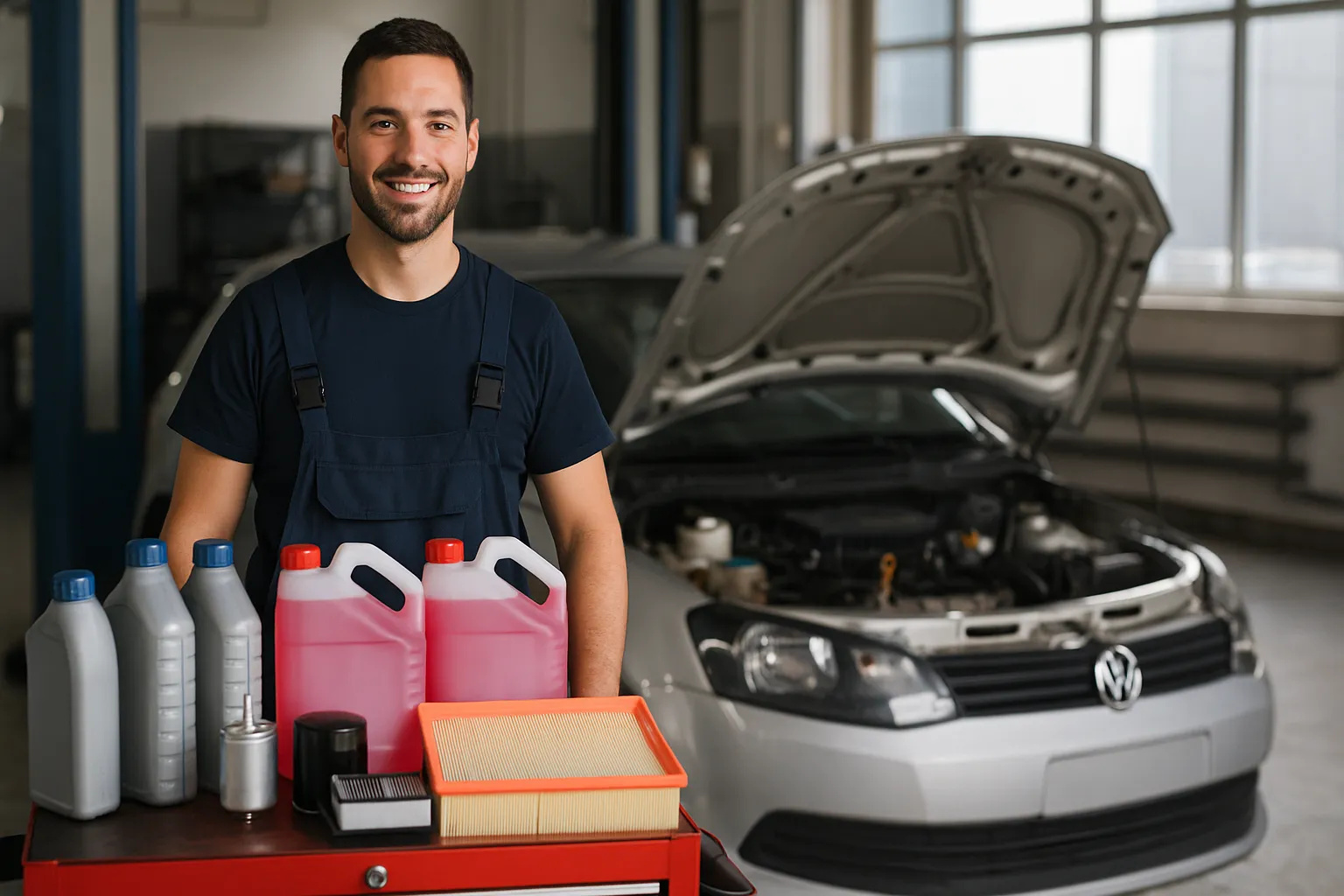
Those who have owned a Volkswagen Gol know: there is something legendary about this car. It’s that kind of engine that seems to never die, running strong even when the odometer has surpassed 200,000 kilometers. But what separates the owners who manage to take the VW Gol engine beyond 300,000 km from those who face premature reconditioning and headaches? The answer lies in simple habits — but ones that require discipline.
VW Gol Engine: The Secret Lies in Consistency, Not Luck
Many drivers believe that the secret to durability lies solely in the type of fuel or the car’s year. In fact, the most determining factor is the maintenance routine. The Gol was designed to last, but it needs the owner to do their part. Regular oil changes, respecting the warm-up time, and using original parts are pillars for keeping the engine strong. Moreover, small daily care makes all the difference in the long run.
1. Changing Oil at the Right Time is More Important Than It Seems
It may sound basic, but this is the number one mistake among Gol owners. The AP engine — famous in models until the 2000s — is robust, however, dirty or expired oil forms sludge that compromises the lubrication flow. This generates excessive friction and internal wear.
-
Honda performs miracles in fuel consumption with a hatch that marks 13.2 km/l in the city and 15 km/l on the highway, leaving Polo, HB20, 208, and Onix behind and becoming a reference among compact cars without resorting to turbo or hybrid systems.

-
Six diseases that seem common but can prevent the renewal of the driver’s license for the elderly throughout Brazil and surprise experienced drivers — could any of them affect you without showing clear signs?

-
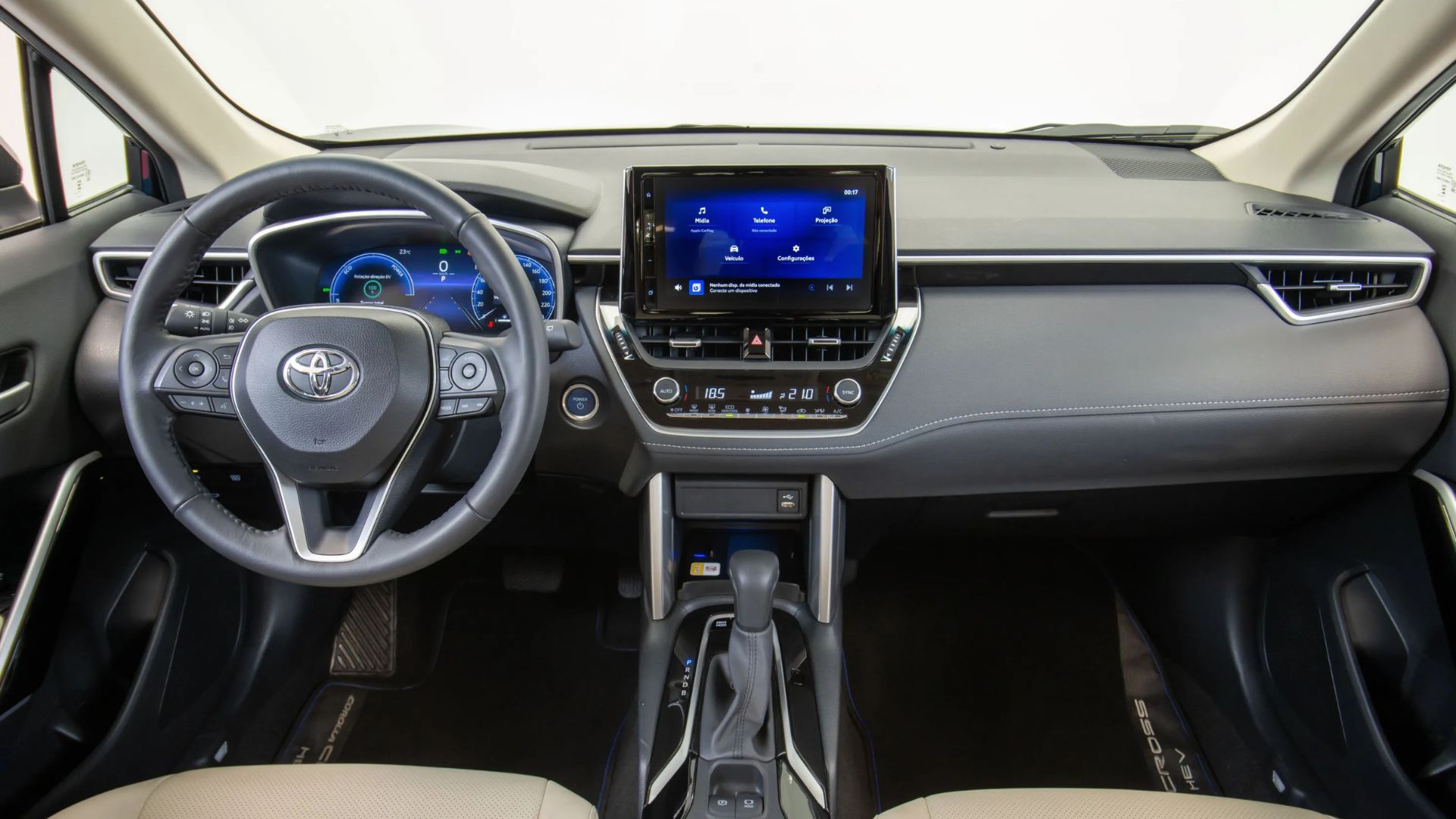
With 122 hp, fuel consumption of up to 17.7 km/l, and a trunk capacity of 440 liters, this hybrid SUV impresses even though it costs up to R$ 47,000 more than the Yaris — meet the Toyota Corolla Cross.
-
600 km with three Chinese plug-in SUVs, same mode and air conditioning on: Jaecoo 7, BYD Song Plus, and Haval H6 hit the road, and the pump reveals who was truly the most economical.


The ideal is to follow the manual: change the oil and filter every 5,000 or 10,000 km, depending on the type of oil. In very hot regions, where the car faces heavy traffic, it is ideal to perform the change sooner. A good synthetic oil guarantees more protection and thermal stability.
2. Never Accelerate Hard with a Cold Engine
This is the habit that most shortens the lifespan of the VW Gol engine. In the first minutes after starting the car, the oil has not yet reached the ideal temperature and does not circulate efficiently. If the driver accelerates hard at this moment, it stresses the pistons and the crankshaft, increasing friction and premature wear.
The correct approach is to wait about two minutes with the car idling before driving, and for the first few kilometers, maintain light acceleration. This simple action can add an extra 50,000 kilometers to the engine’s lifespan.
3. Quality Fuel is an Investment, Not an Expense
Fueling with cheap gasoline may seem advantageous, but it’s a trap. Contaminated fuel causes irregular detonation, carbon buildup, and ignition failures. Additionally, it damages spark plugs, injectors, and valves — and worst of all: it drastically reduces compression.
To keep the VW Gol engine healthy, prefer reputable gas stations and, from time to time, use an additive to clean the injection system. In flex-fuel engines, it’s good to alternate between ethanol and gasoline every two or three tanks, to prevent drying out of components.
4. Avoid Always Driving in Low or High Gears
Driving incorrectly also ages the engine. When the Gol constantly runs in very low gears, the RPM rises too much, increasing bearing wear. On the other hand, running in high gears with very low RPM causes vibrations and unnecessary strain.
The ideal range is to keep the engine running between 2,000 and 3,500 RPM. This balances consumption, and the internal components endure less strain. Many 1.0 Gol drivers make the mistake of “forcing” the car uphill — which, over time, compromises the rings and pistons.
5. Preventive Maintenance is the True Miracle of Durability
The VW Gol engine is like an athlete: it requires constant monitoring. Simple check-ups — such as changing spark plugs, cleaning the throttle body, and checking the cooling system — prevent overheating and chronic failures.
The coolant, for instance, should be changed every two years. Many people ignore this and end up cooking the cylinder head. The timing belt should be replaced every 50,000 km, and the tension should be checked periodically.
More importantly: always use original parts or OEM brands. It’s the kind of cost-saving that seems small, but determines whether the car reaches 300,000 km without needing to open the engine.
An Engine That Ages Well is a Reflection of Daily Care
The Gol has won the hearts of Brazilians not only for its simplicity but for its durability. And the truth is that, with the right care, it can exceed 300,000 kilometers running smoothly, without noise and with stable performance.
Taking care of the VW Gol engine is more than a mechanical task — it’s an act of respect for the history of the car that mobilized Brazil. And those who follow these five secrets know: the engine may age, but it never loses its breath.









Seja o primeiro a reagir!