





 Português
  Inglês
  Espanhol
  3 min de leitura
  0 comentários


Discover The Versions Of The Iconic Fiat Uno That Made Success Around The World, But That Brazilians Never Had The Chance To Drive
The Fiat Uno is one of the most beloved and iconic cars in Brazil, affectionately known as “little orthopedic boot” and famous for its versatility and economy. However, its fame extends beyond the Brazilian borders, with several special versions launched in other markets. In celebration of the 40th anniversary of the Uno’s global launch, check out five amazing versions that were never sold in Brazil, including one that was produced locally, but never sold here, according to the website Automaistv.
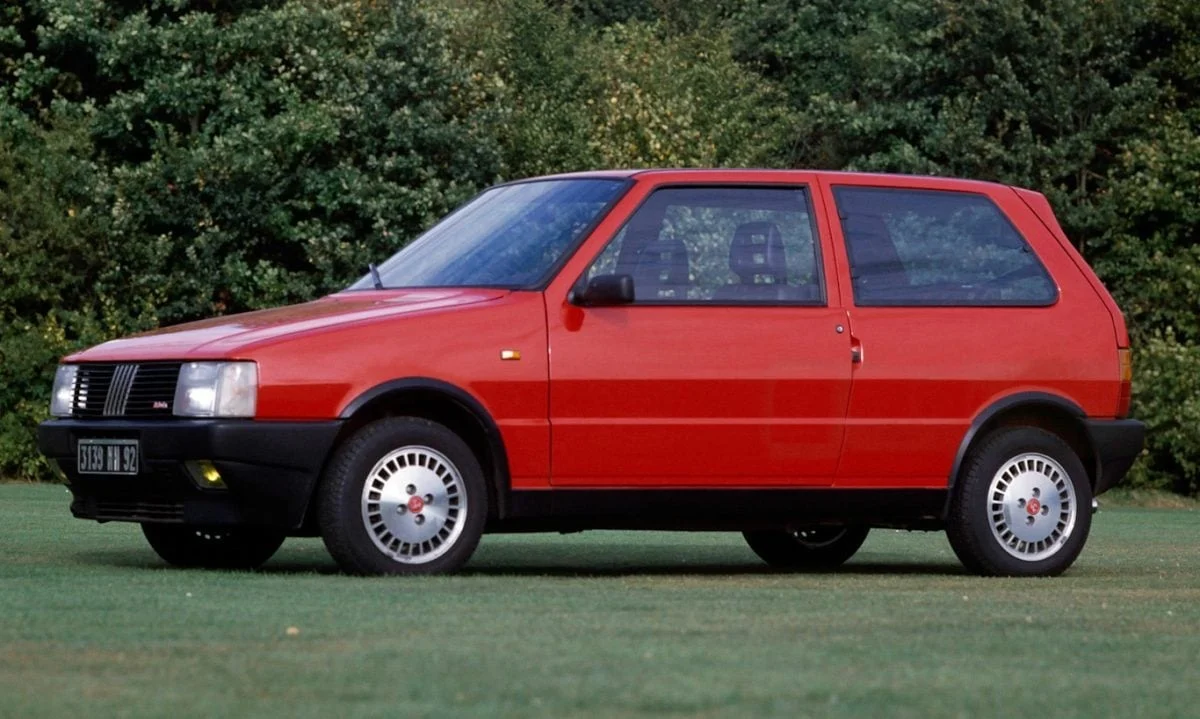
1. Uno Turbo i.e. (High Front)
Introduced in April 1985, the Fiat Uno Turbo i.e. was a glimpse of what it could have been in Brazil. Equipped with a 1.3 turbo engine with Bosch multipoint injection, the Turbo i.e. started with 1299 cc, but was soon updated to 1,301 cc due to Italian laws that favored cars with this capacity.
2. Uno Selecta
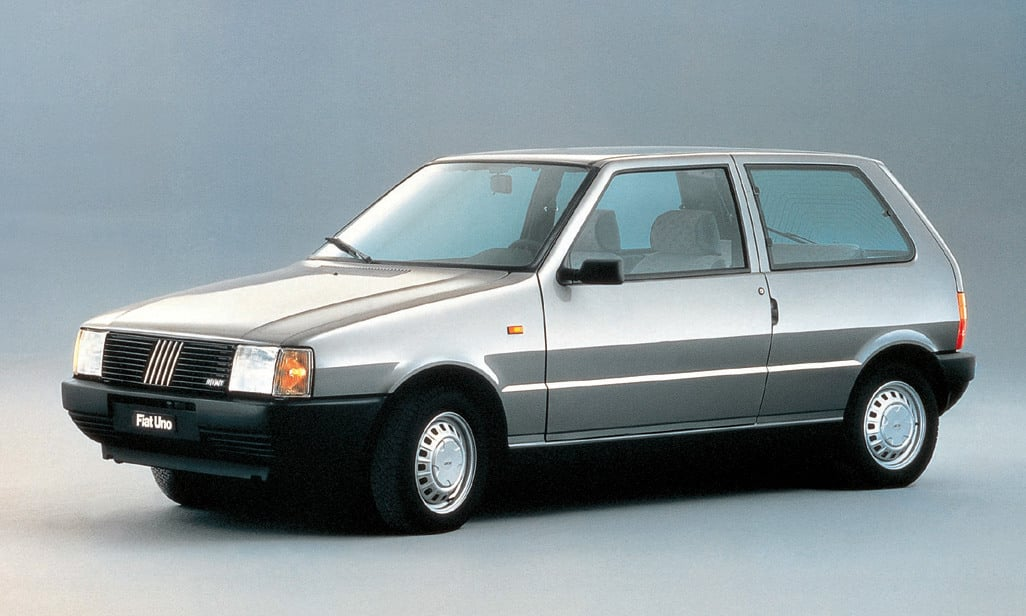
Long before the advent of the Dualogic automated transmission, the Uno had already experienced a true automatic transmission. In 1987, the Uno Selecta was launched, a version equipped with a CVT transmission. This Uno CVT was powered by a 1.1 liter four-cylinder aspirated engine with 58 hp. However, due to the aversion to automatic transmissions at the time, the version did not last long. After the Selecta, the Uno only got an automatic transmission again with the Fiat Pulse.
-
OMODA & JAECOO grows in Europe in 2026 with an integrated strategy of sales, innovation, local production, and technological advancement in the United Kingdom, Italy, and Spain.

-
OMODA & JAECOO expands after-sales service in Brazil with competitive maintenance, a 7-year warranty, and high availability of parts for technological SUVs.

-
OMODA & JAECOO appoints Alessandra Souza as executive marketing director in Brazil and accelerates brand expansion with a focus on innovation, networking, and hybrid portfolio.

-
Jaecoo 7 with super hybrid SHS system exceeds 1,200 km of combined range with a 1.5 turbo engine, high-density battery, and intelligent energy management.

3. Fiorino Panorama
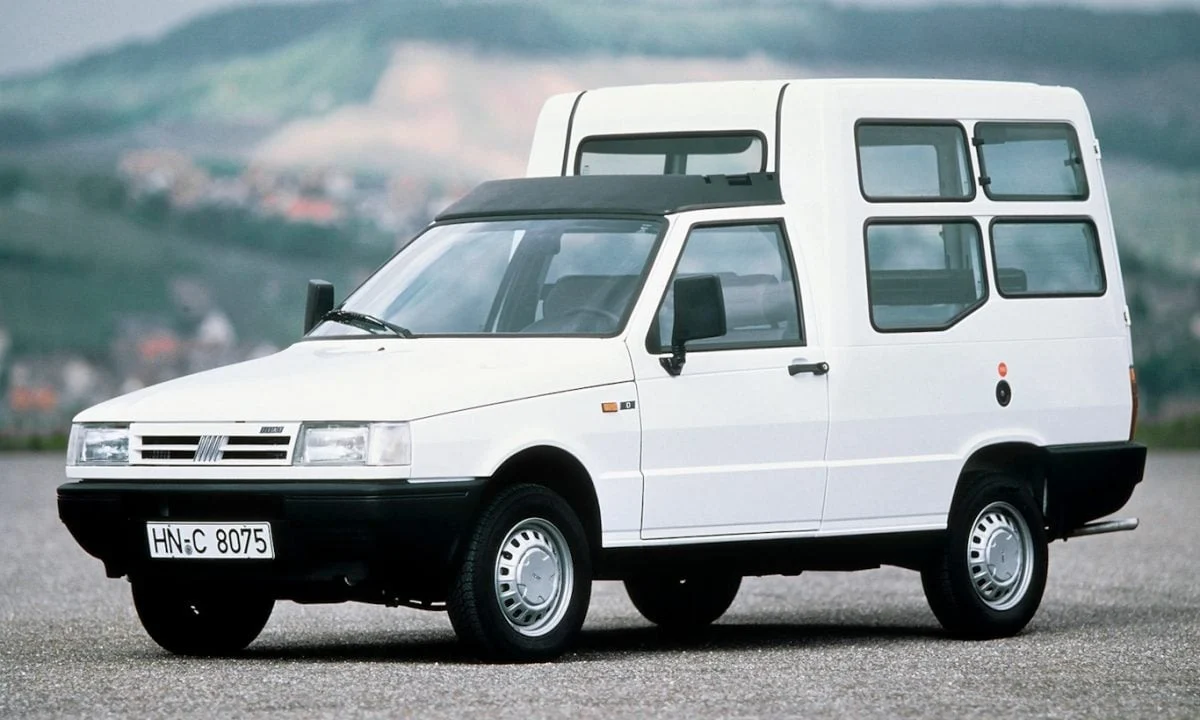
Ironically, the Fiorino Panorama was produced in Brazil, but was never sold here. Unlike the utilitarian version known to Brazilians, the Panorama was a variant with windows in the sides of the cargo area, turning it into a more family-friendly vehicle. In Europe, the model started with two side windows and, after a facelift, it had four windows in two rows. In addition to the windows, there was room for three more passengers and a spacious trunk.
4. Tipo Uno
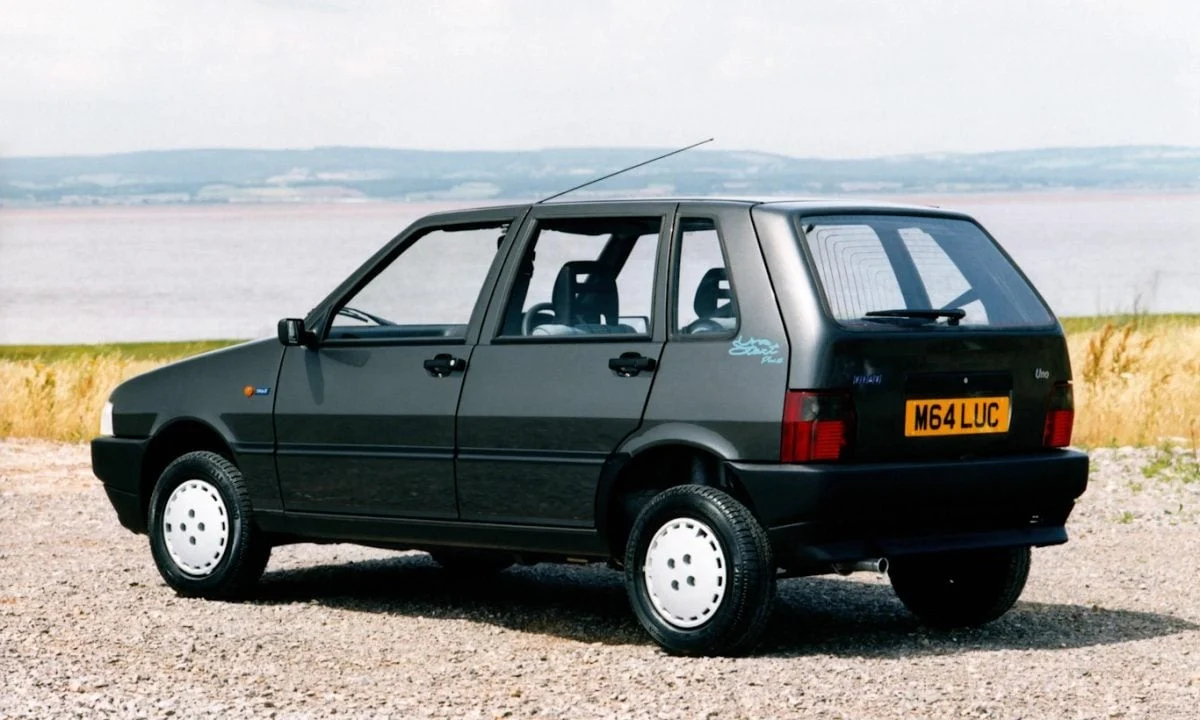
While the post-facelift Brazilian Uno is known as the low front, in Europe, it almost transformed into a mini Tipo. Redesigned in 1989, the European Uno gained a lower front with slightly rounded headlights and an encompassing bumper. The rear also underwent significant changes, adopting small and low taillights, visually similar to the Brazilian model launched nearly 20 years later. The rear hatch grew, becoming practically identical to that of the Tipo.
5. Panda 4×4
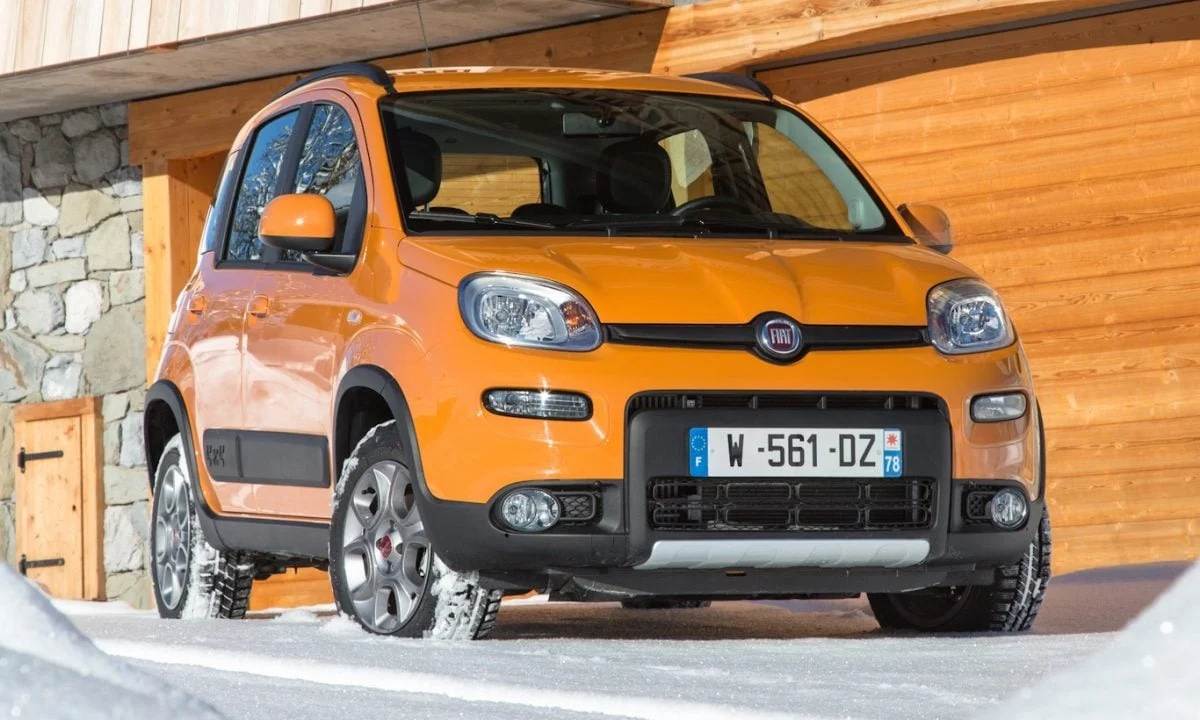
Although the Panda and the retired Uno share the same platform and several components, the Panda 4×4 is a version that never arrived in Brazil. Known for its robustness, the Panda 4×4 is not exactly a Jeep Renegade off-road, but can tackle trails with ease. It features an electronic locking system for the differential, active on all wheels, and four-wheel drive, allowing it to overcome obstacles like a true SUV. Available in diesel or gasoline versions, both turbocharged, the Panda 4×4 is an example of versatility and resilience.









Seja o primeiro a reagir!