





 English
  Francês
  Alemão
  Italiano
  Japonês
  Norueguês
  Portuguese
  Spanish
 3 min of reading


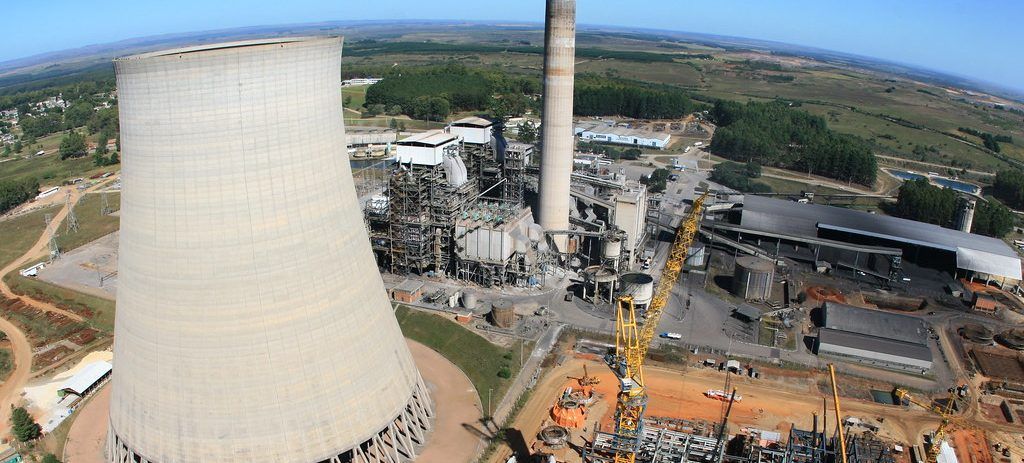
The Total Investment Will Be R$ 9 Billion, With Potential to Create 5,500 Direct and Indirect Jobs in Espírito Santo, Between the Construction and Operation Phases
About 3,200 jobs will be opened in Espírito Santo with the construction of the new thermoelectric plant in São Mateus. Petrocity Geração de Energia intends to install the new facility, which will have a capacity of 1.8 GW, a natural gas pipeline, and a regasification unit in the municipality. Once inaugurated, the plant will have a higher capacity than the Porto de Sergipe I thermoelectric plant, which was inaugurated this week in Barra dos Coqueiros, with a capacity to generate 1.5 gigawatts.
The good news is due to changes in national and state legislation that regulate the natural gas market, rewarding the state of Espírito Santo with the largest thermoelectric plant in Latin America.
U$ 1.2 billion (R$ 6.56 billion) will be invested for the installation of the new plant, with plans to start construction by the end of 2021. The construction phase is expected to create up to 2,500 jobs. Meanwhile, the operation of the thermoelectric plant will need 700 permanent employees in various areas.
-
Future profession with immediate earnings: Specialist reveals how a solar energy technician earns R$ 8,000 per month by taking advantage of the explosion in demand across the entire country.

-
Work from 8:30 AM to 5:30 PM with a 1-hour break at Sicredi as a Customer Service Assistant and receive a salary + benefits such as life insurance, dental plan, partnerships, Gympass, and much more in job openings across various states.

-
Subsea7 has job openings: the company has offshore and onshore positions available in 2026 for operators, pilots, supervisors, engineers, and much more.

-
Unimed is hiring candidates with and without experience! More than 10 job openings for Assistants, Analysts, Kitchen Assistants, and much more!


According to Ronaldo Badin, executive director of Badin Energia and responsible for the project, the thermoelectric plant will have three generating modules of 600 MW each, and the start of construction depends on government auctions, since this energy will enter the national distribution grid. The plant will use about 6 million m³ of gas per day, and currently, there is no legislation for that.
The new plant already has the Terms of Reference for the environmental impact studies and is now awaiting the final license from the Brazilian Institute of the Environment and Renewable Natural Resources (Ibama).
Check Out More Job Openings and Industry News
- Maintenance, boiler-making, machining, and welding company begins recruitment for job openings in Aracruz, Espírito Santo
- Pioneering offshore wind farm project by Equinor in Brazil begins in Rio de Janeiro and Espírito Santo
- Edison Chouest Group’s CV bank demands many offshore and onshore job openings for elementary, middle, and higher levels in Rio de Janeiro
The company is exploring three possible means to supply the plant: through the Cacimbas-Catu gas pipeline (Gascac, the largest section of Gasene), through a submarine route linked to the pre-salt of the Campos Basin, or via a methane ship (LNG carrier). Negotiations regarding the most attractive option should be concluded in the second quarter of this year.
“This same gas will supply the port retro-area (Centro Portuário São Mateus), serving as an energy matrix for any industry that wants to settle there,” said the executive.
But 90% of the workforce will be local. The works are expected to last up to four years, and among the companies evaluated for the project is the Japanese Mitsubishi, which will supply the generating units.
Centro Portuário São Mateus
The Centro Portuário São Mateus construction was authorized by the federal government in May, and includes, in addition to the port terminal, a project for a railway spanning 560 kilometers to the municipality of Sete Lagoas, in Minas Gerais. The works still depend on an environmental license, currently under review by the State Institute of the Environment and Water Resources (Iema).
The total investment will be R$ 9 billion, with potential to create 5,500 direct and indirect jobs in the region, between the construction and operation phases.
The new port will have a capacity of 18 million tons of ornamental rocks, containers, supplies, grains, steel, cellulose, wood, among others, coming from Southern Bahia, Minas Gerais, Northern and Northwestern Espírito Santo, and the Central-West region of Brazil. The estimate is for construction to begin by the end of 2021, with operations starting in 2024.
In addition to the port, Petrocity Geração de Energia, which has Badin Energia as a partner, will build a thermoelectric plant with a capacity of 1.8 gigawatts at the complex, making it the largest in Latin America, which will supply energy to the ventures established in the port. Both projects are scheduled to have construction start by the end of 2021, with operations commencing in 2024.








Seja o primeiro a reagir!