





 Portuguese
  English
  Spanish
  5 min of reading


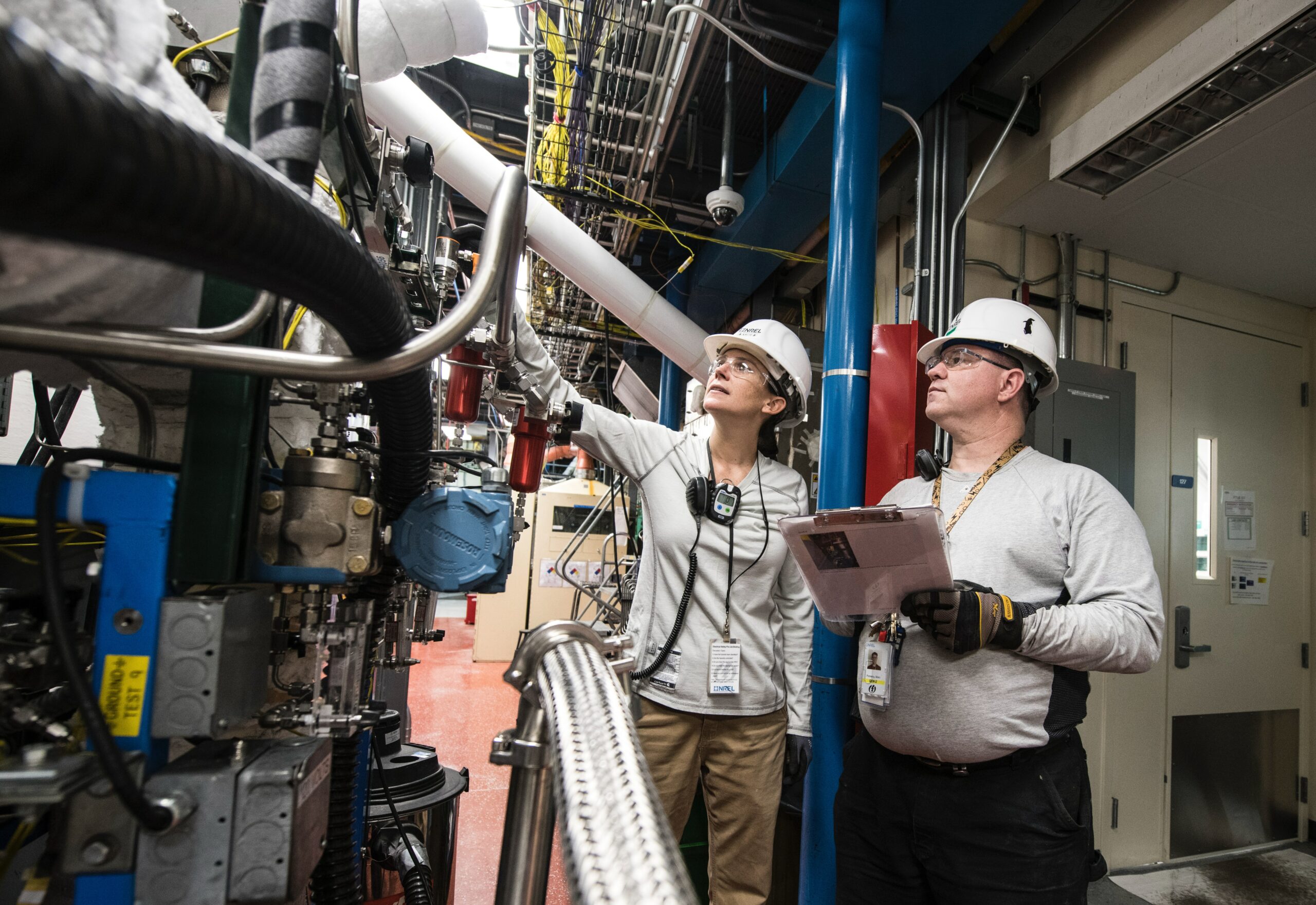
Industry 4.0, “The Fourth Industrial Revolution,” Is The Future of The Global Economy
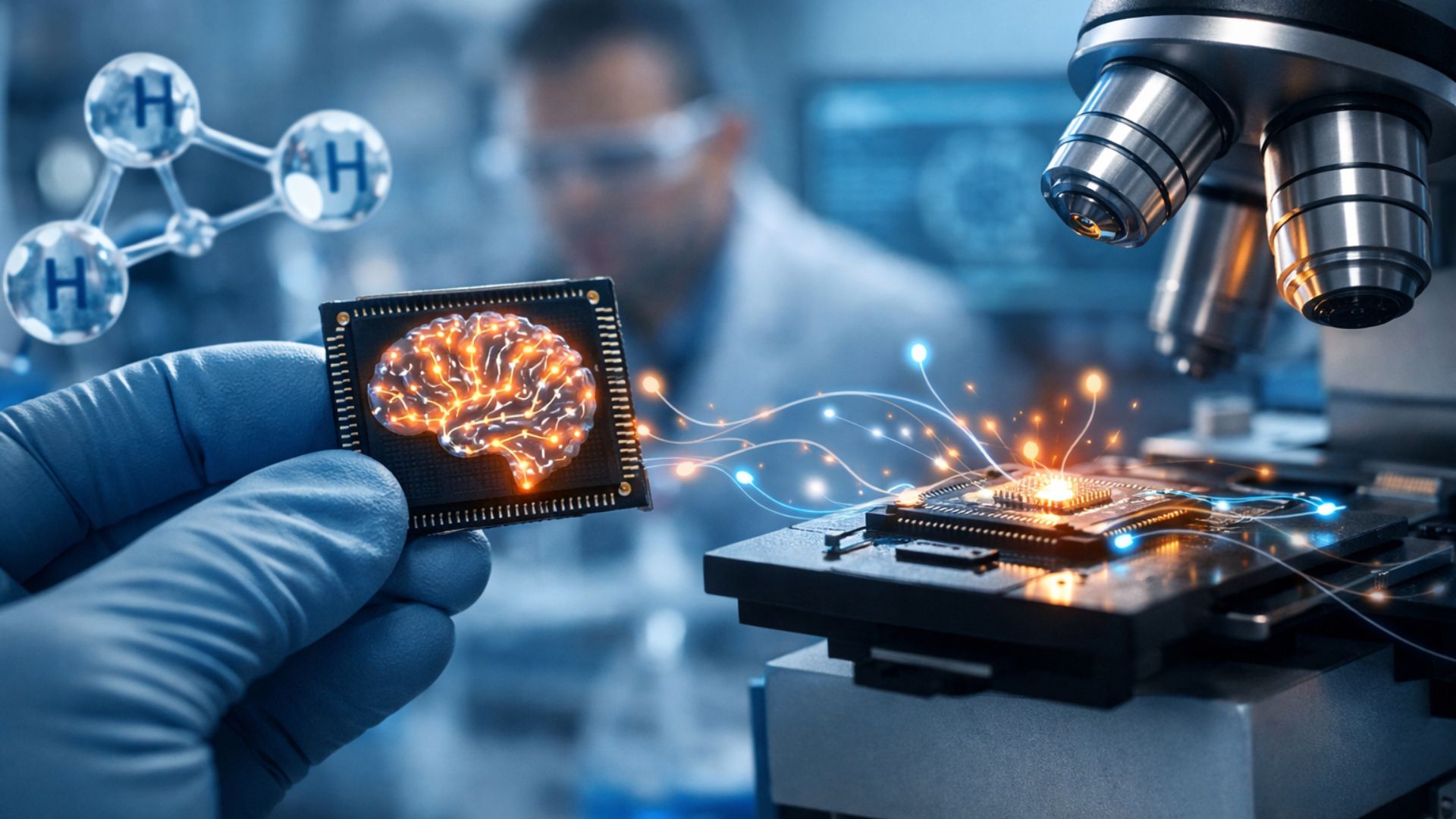
Industry 4.0 is not a new concept, but it is only now developing in Brazil. The COVID-19 crisis highlighted the importance of robotics, artificial intelligence, the Internet of Things, cloud computing, and big data processing for work management and company organization.
See Also
- Amanco Wavin, the leader in the pipe and fittings market throughout South America, hires candidates without experience for internships in the industries of SP, SC, and PE
- VLI Logística do Brasil, the controller of freight railway concessionaires, calls for job openings for recent graduates in all areas, on this day (17/08), in its trainee program
- Candidates without experience of all ages, fields, and genders are called to work at Vale; one of the largest logistics and iron mining companies in the world opens openings in the 2022 trainee program
- Petrobras invests in technology for remote monitoring of platforms in the Campos Basin
The term 4.0 refers to the 4th Industrial Revolution, due to the ability of this set of technologies to bring significant results in competitiveness and productivity for companies. And for the potential to revolutionize the production methods of economies, especially industrial production.
Companies That Adopted Industry 4.0 Earned Much More and Created More Jobs
To get an idea of results and practical gains, it is important to know that companies that adopted Industry 4.0 earned and hired more than traditional manufacturing, according to recent research by the National Confederation of Industry (CNI), which surveyed around 500 industries of all sizes. Among those who adopted one to three digital technologies in production, 54% report a higher profit today than in the pre-pandemic period. This result is 7% above that recorded by analogue industry.
-
Historic bankruptcy of Centauro shocks the market, and the century-old company puts more than 500,000 products, machines, and complete infrastructure up for online auction.

-
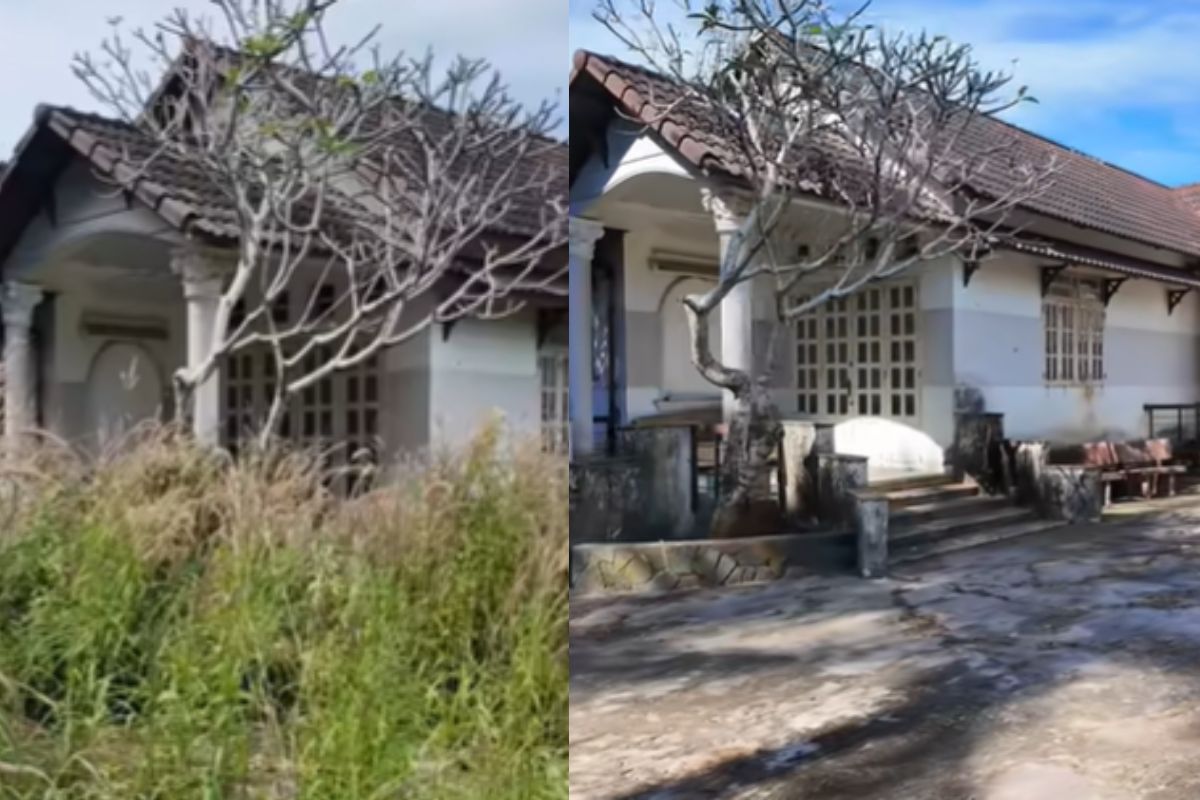
Abandoned house for 15 years disappears in the woods, shocks owner with unrecognizable scenery and is reborn in an intense transformation after almost 90 hours of work in just 10 days.
-
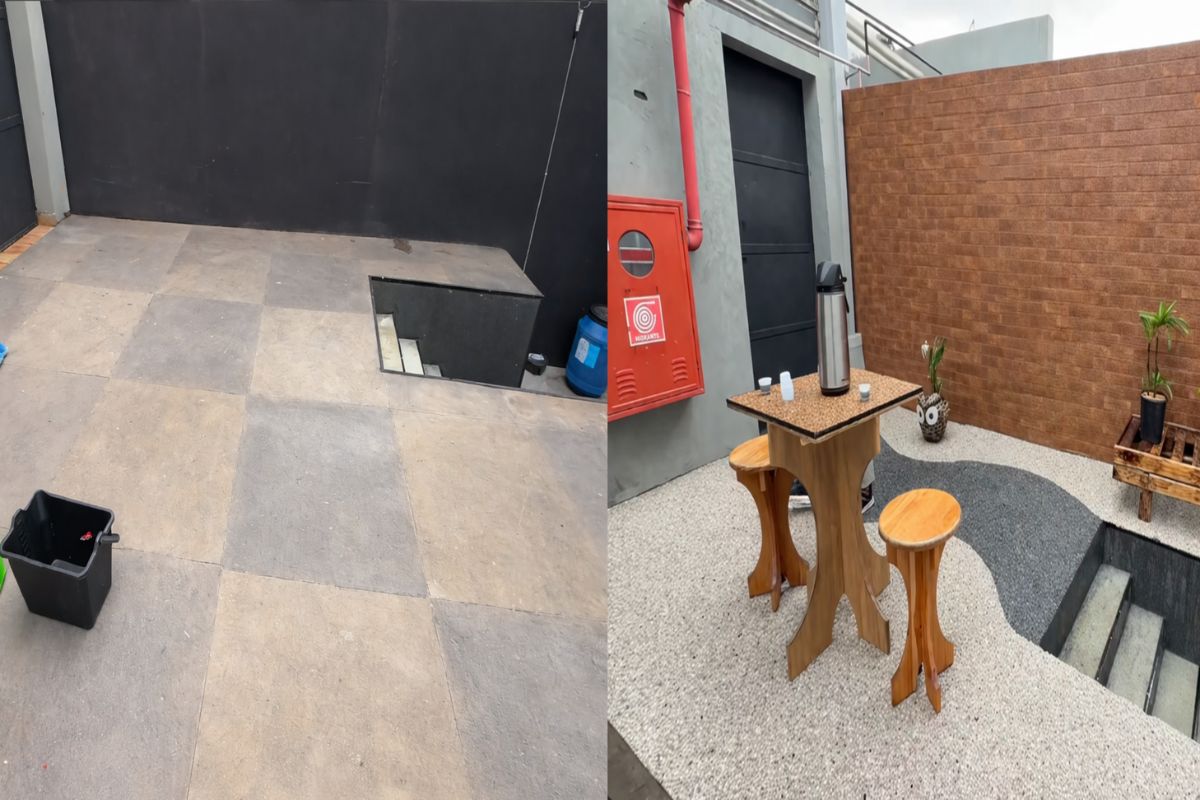
In just three hours, a natural stone floor transforms the entrance of the house with an organic effect, immediate drainage, and a sophisticated non-slip finish that doesn’t puddle water, dries quickly, and impresses with the final result.
-
‘Interlocking brick’ made of earth arrives in the construction industry with cost reductions of up to 40% on the project.

And the importance of automation goes beyond ensuring local competitiveness. Some developed countries are seeking to recover their industrial production plants that have been “lent” to other regions. The relevance of a 4.0 production plant for the reorganization of global value chains is immense.
Brazil has always participated in the global value chain through connections with other countries that use Brazilian inputs in their exports, but it is important to highlight that for our country to make better use of the global chain, it is necessary to participate in the stages of production with higher added value, and to stimulate investments in planning and the development of new products and services.
Creating Value With IoT and AI
When artificial intelligence is combined with the Internet of Things (IoT) – any technology that allows various objects to connect to the internet and interact with it – we begin to see some paths opening up for Industry 4.0, such as monitoring production through IoT sensors fully integrated with SaaS platforms and managed in real-time. These devices capture the operation of machines, motors, factory equipment, air conditioning systems, assembly lines, and along with algorithms can predict failures and alert maintenance managers before production needs to be halted.
Additionally, various variables can be monitored in industrial and corporate environments such as: cooling (refrigerators and freezers), utilities (water, energy, gas), environments (CO₂ / temperature / humidity / noise and brightness / people flow), and equipment location. Buildings, office floors, airports, shopping malls, data centers, large retail stores, banks, and healthcare are examples of areas benefiting from these technologies.
Intelligent software can also optimize work order scheduling, team management, service level management, and inventory management, allowing for automated management of these assets, which reduces company expenses.
This is how value is created with IoT, combining preventive maintenance with cost reduction, increasing productivity, differentiation in products and the value chain, while decreasing product/service complexity for the end consumer. All of this is competitive advantage. These trends are expected to fuel the growth of the global Industry 4.0 market, estimated at US$ 90.6 billion (approximately R$ 475 billion) in 2020, and projected to reach US$ 219.8 billion (R$ 1.15 trillion) by 2026, according to a report by Global Industry Analysts Inc. (GIA) published on July 14.
Internet of Things in Industrial Production
Going a bit beyond the Internet of Things in industrial production, it is interesting to see its use in different segments, with impactful results in city organization, improving air and water quality, accelerating medical treatments, and preserving the environment, always conditioned by the human capacity to analyze the data that connected devices generate.
Imagine if almost everything – streets, car bumpers, doors, hydroelectric dams – had a tiny sensor. And if all these sensors connected wirelessly to data centers, where millions of computers manage and learn from all this information. Would it be possible for these servers to send commands back to help the connected sensors operate more effectively? I believe so. It is expected that the evolution of technology will allow a house to automatically increase its heating before the cold arrives or for street lights to behave differently when traffic gets bad.
Or imagine an insurance company quickly resolving who should pay for what, an instant after a car crash, because it automatically received information about the accident. I see this as a huge process in which machines collect information, learn, and change based on what they learn. All in seconds. This is already happening in IoT projects managed by large companies like General Electric and IBM.
Technology 4.0 Is The Future of the Global Economy
Returning to the beginning of the reflection and considering that 4.0 technologies can optimize both retail and various industries, potentially reorganizing the production chain, distributing production, and reducing transport, I conclude that they will also allow for a more sustainable trajectory of industrial development. Especially because innovations help reduce waste of natural resources, contribute to decreasing pollution, and problems such as the generation of toxic gases. Thus, Industry 4.0 is still an ally in the fight against climate change.
In Brazil, we still have much to evolve, putting this debate into the country’s economic discussion. In developed countries, the debate on new technologies began shortly after the global crisis of 2008, meaning they have been designing policies for this purpose for over ten years. 5G is an industrial policy that will expand the horizon of Industry 4.0 in Brazil. We are eagerly awaiting the launch of fifth-generation networks. In the end, it will be innovation that defines the future of countries and the future of their economies.
by – Daniel Vilas, General Director of Solvian, a technology company of the ATMA group







Seja o primeiro a reagir!