





 Portuguese
  English
  Spanish
  3 min of reading
  0 comments


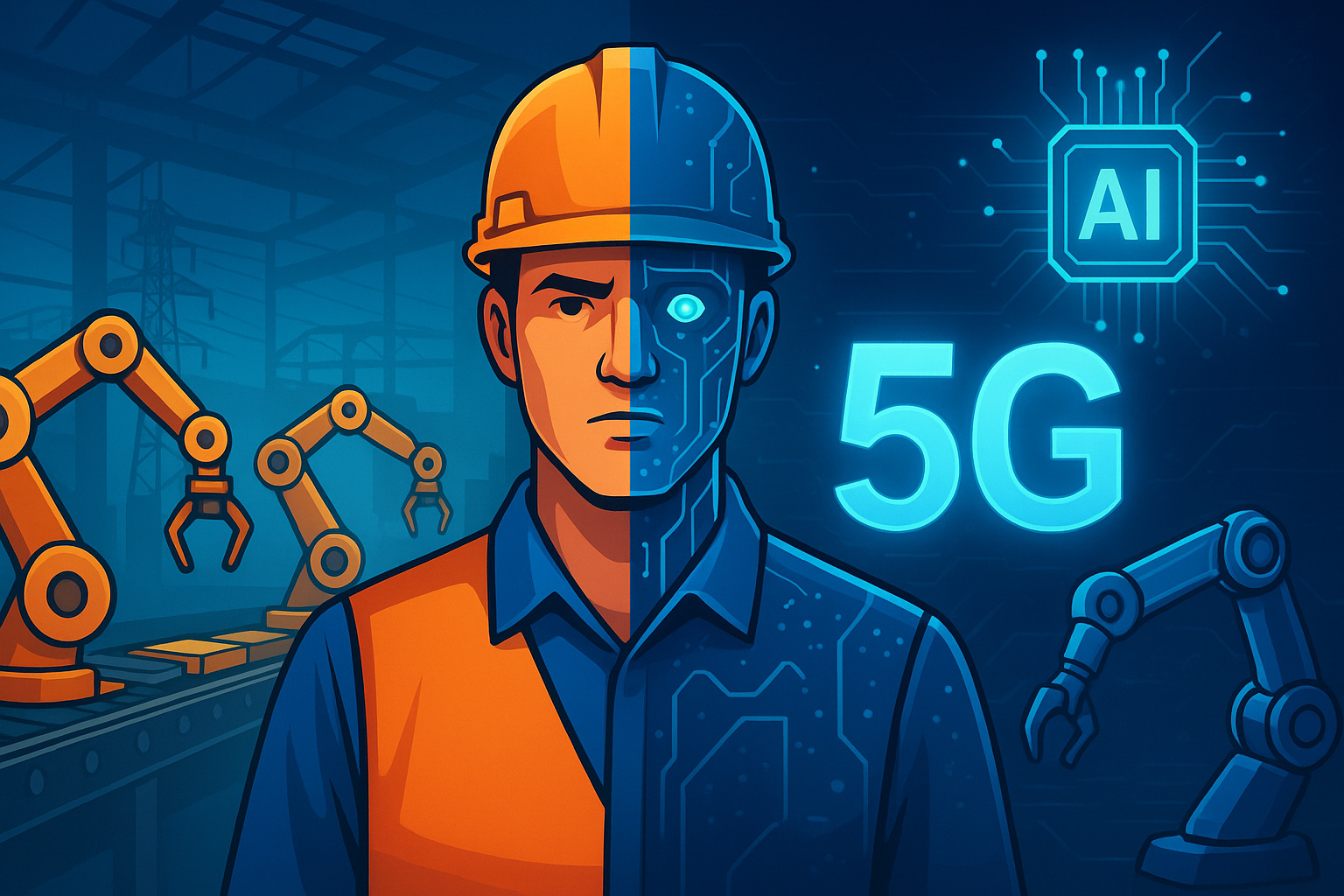
The Arrival of 5G and AI Is Revolutionizing Industry and Challenging IT Technicians on the Factory Floor.
5G and AI Change the Work of Technicians in Industry
The Brazilian industry is undergoing an accelerated transformation with the advancement of 5G, Artificial Intelligence (AI), and automation. In this scenario, a central question arises: will the work of IT technicians in industry disappear or become even more complex?
This is the reflection raised by Djalma Júnior, an instructor at Senai, who works directly in training professionals to face the new challenges on the industrial factory floor.
According to him, the pressure for quick responses, hostile environments, and the need to integrate technologies from different generations are among the biggest obstacles for those working with technology in the industry.
-
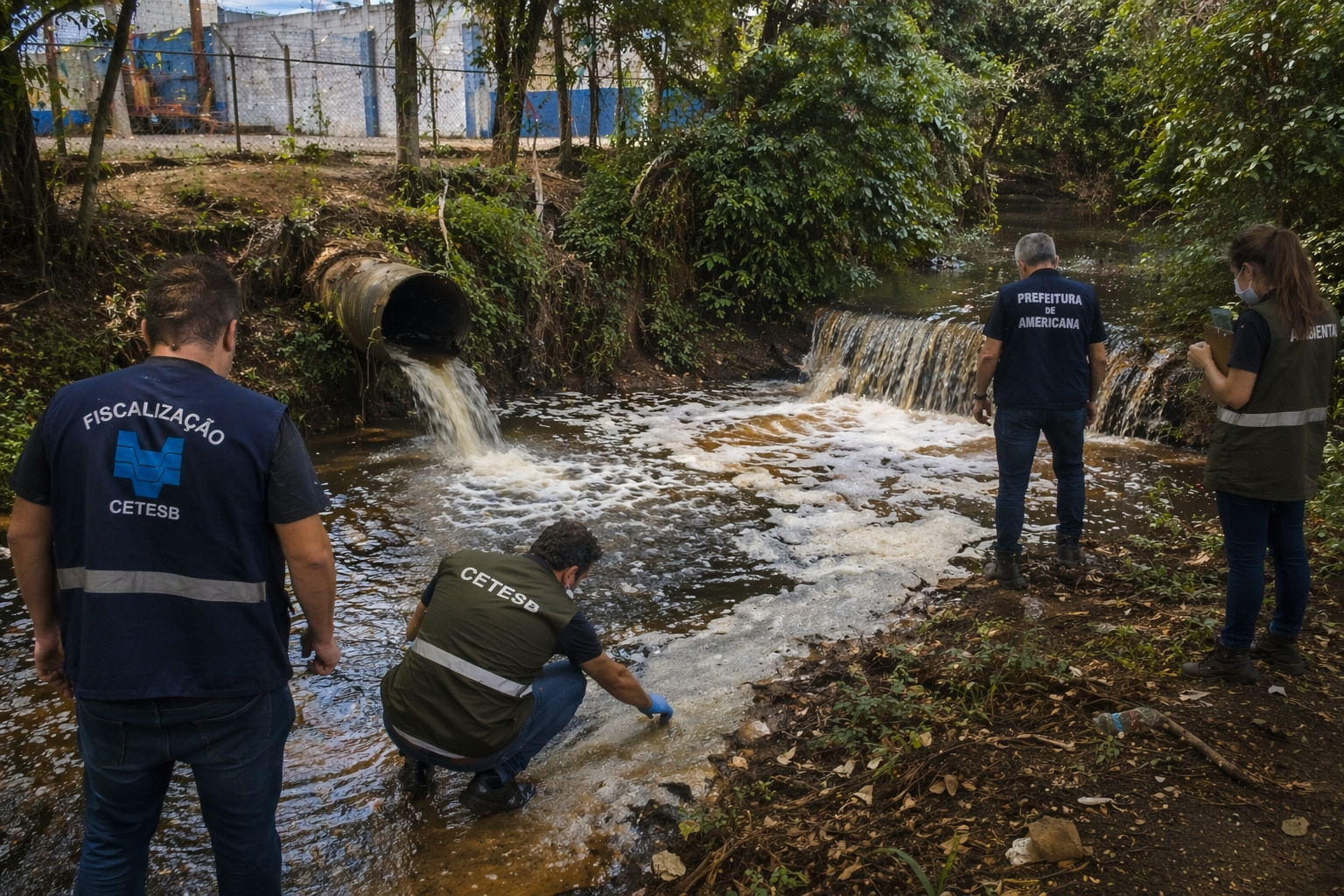
A fine of R$ 115 thousand places Goodyear at the center of an environmental case in Americana after oil and grease appeared in a stream and the company was required to act quickly.
-
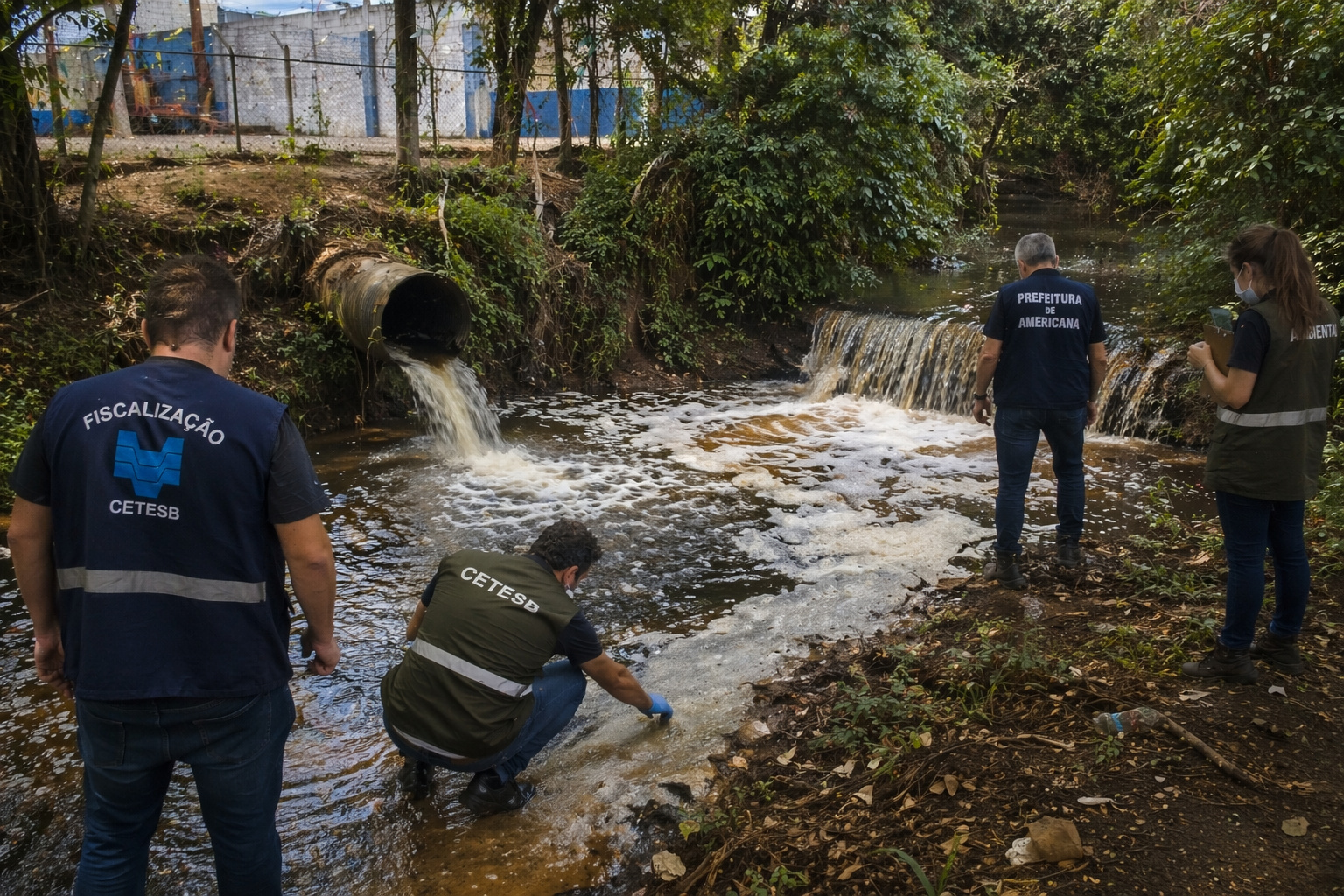
A fine of R$ 115 thousand puts Goodyear at the center of an environmental case in Americana after oil and grease appeared in a stream and the company was forced to act quickly.
-
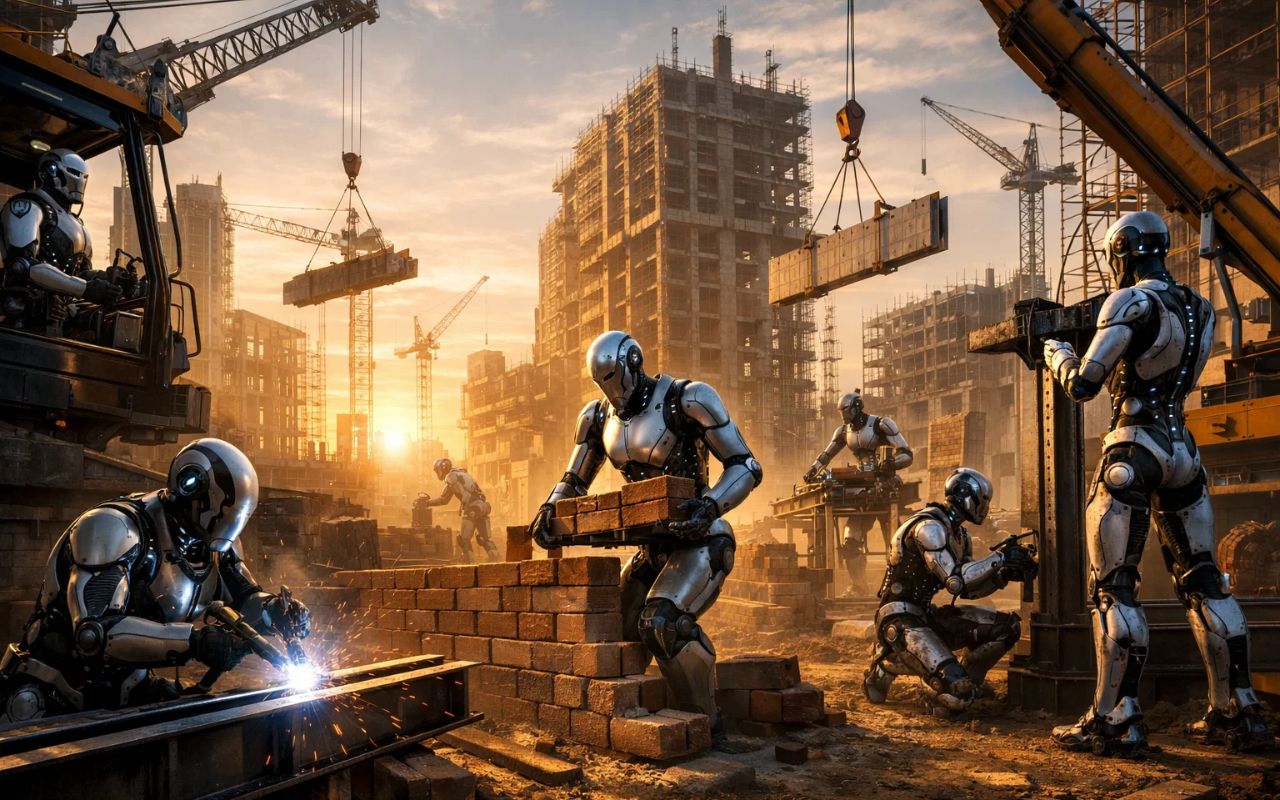
Lack of workers and an aging population: Japan bets on AI robots in factories, logistics, and infrastructure to keep the economy and essential services active.
-
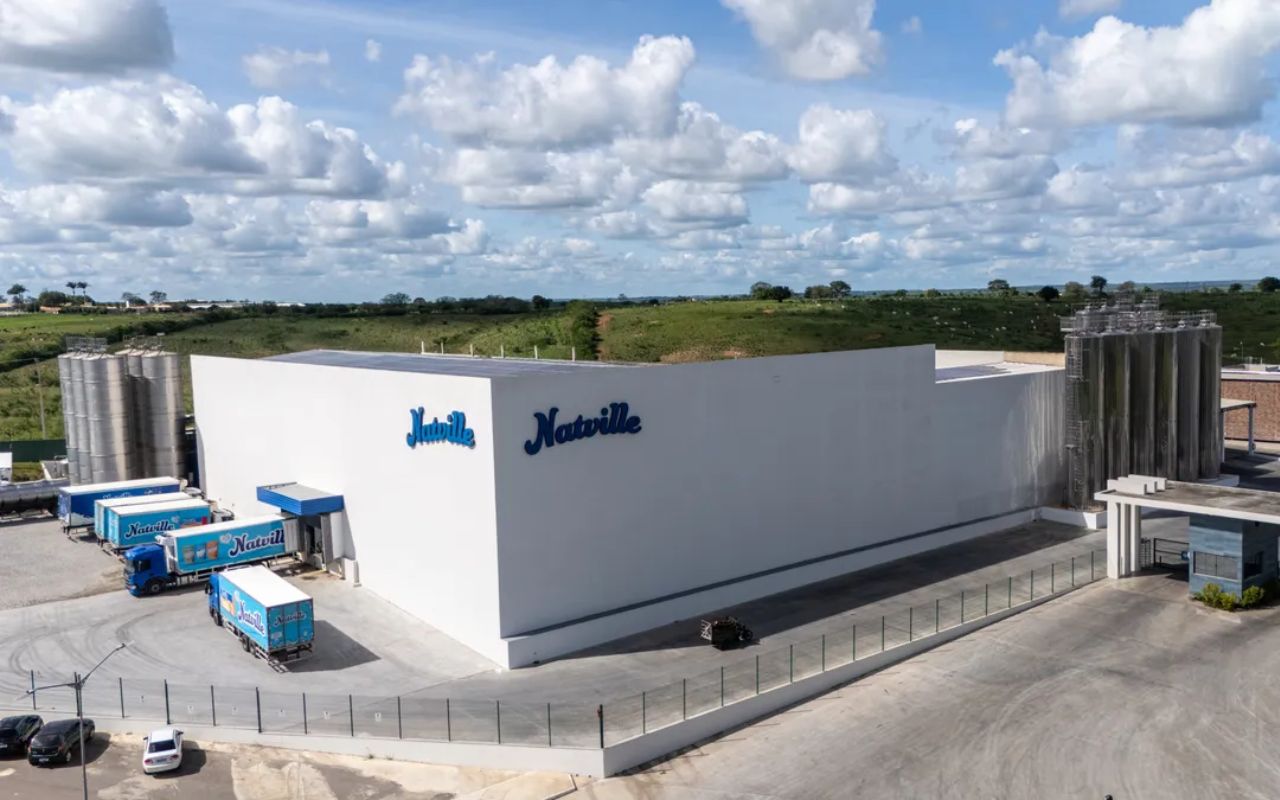
Natville puts R$ 700 million on the table for new factories in the Northeast, generating jobs and boosting the local economy.
The Digital Backbone of Industry
Today, the backbone of industry is not just iron or steel, but rather cables, servers, and digital signals. It is this network that connects machines, sensors, and control systems, ensuring synchronization and efficiency in production.
While in an office a network outage causes only slowdowns, in the industry, a few milliseconds of failure can halt an entire production line. The result? Million-dollar losses, contract breaches, and risks to worker safety.
Djalma emphasizes:
“Every minute counts. If the digital backbone stops for a minute, the machines stop, production halts, and accidents can happen.”
Industry: Hostile Environments and Constant Pressure
The work of industrial network technicians goes far beyond traditional maintenance. In addition to dealing with cables and servers, these professionals face heat, dust, vibration, noise, and electromagnetic interference.
Moreover, time is a constant enemy. Often, a problem needs to be solved within minutes, as the factory cannot stop. To complicate matters further, technicians need to ensure physical safety in environments filled with moving machines.
“It’s a job that requires study, technical knowledge, and composure to solve problems in adverse conditions,” explains Djalma Júnior.
The Achilles’ Heel: Integration and Documentation
Despite all the modernization brought by 5G and industrial automation, one of the biggest bottlenecks still lies in the integration between new and old machines. In industry, getting modern equipment to communicate with a 20-year-old one is not a simple task.
Another frequent problem in industrial networks is the lack of parts for old systems and, primarily, the absence of documentation. In many cases, technicians need to act like true detectives to discover how the infrastructure was originally set up.
Djalma warns:
“The integration of different generations, the scarcity of parts, and the lack of documentation are the main critical points of industrial maintenance.”
Most Valuable Skill: Diagnosing Under Pressure
Technological evolution has brought sophisticated software and intelligent systems, but nothing substitutes for the human ability to diagnose failures under pressure. For Djalma, more than mastering a tool, the differentiator lies in logical reasoning, quick reading of signals and alarms, and clear communication with the team.
“Technical knowledge is essential, but the ability to troubleshoot in critical scenarios is what sets a good professional apart.”
The Future of Work in the Technology Era
With the arrival of 5G, AI, and automation, IT technicians in the industry will not disappear but will need to reinvent themselves.
The role of these professionals is likely to become even more strategic, requiring constant updating, quick thinking, and the ability to adapt in increasingly digital environments.
Thus, instead of replacing the technician, technology is making their function more complex and indispensable. After all, without these professionals, the digital machinery that drives the industry simply halts.









Seja o primeiro a reagir!