





 Portuguese
  English
  Spanish
 4 min of reading
  1 comment


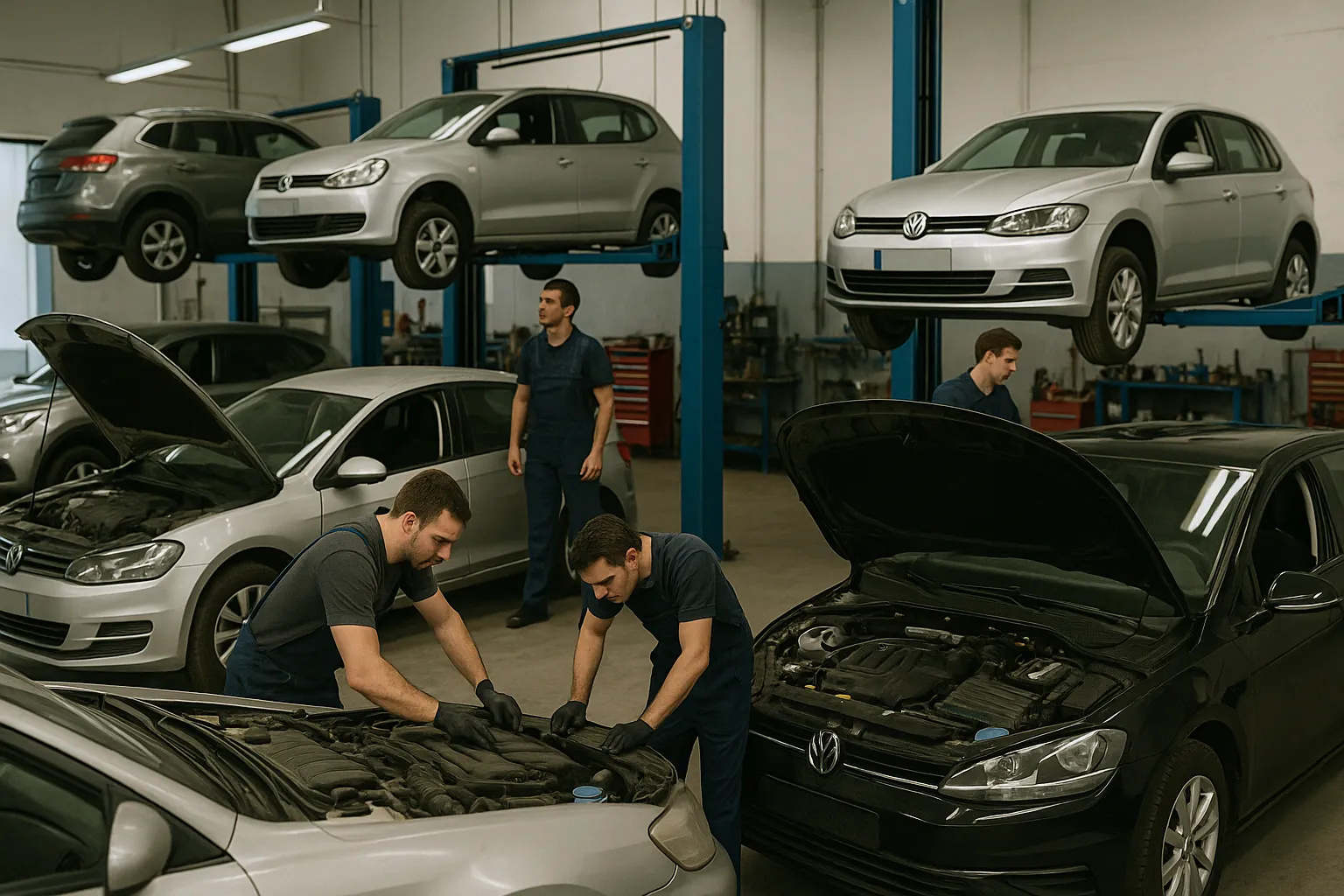


Few drivers imagine that the car changes its “personality” after 150,000 kilometers. The engine no longer responds as before, noises begin to appear, and the cost of keeping everything running smoothly requires heightened attention. However, contrary to what many think, this mileage is not the end of the line — it is the turning point. With the right care, a high-mileage vehicle can continue to be strong, economical, and reliable for many years.
Care for Cars Over 150,000km Driven
Reaching this milestone is like completing a marathon: the car has given all it has, but still has plenty of breath left if the owner knows how to care for it. Below are the main points that need constant review and attention to ensure performance and avoid greater expenses.
-
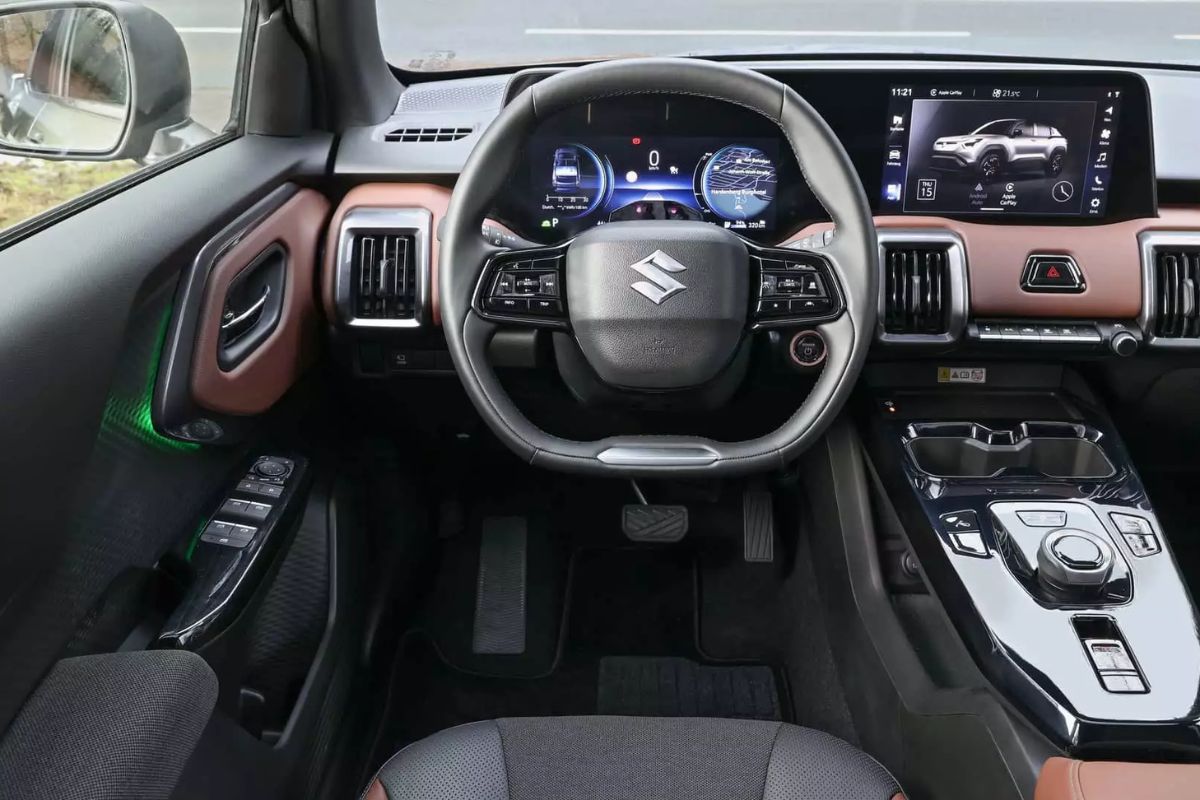
The 2026 electric Vitara arrives in Brazil and proves that Suzuki is not leaving: 4×4 traction, 184 hp, 61 kWh LFP battery, 293 km range, R$ 259,000, and a trunk capacity of 224 L.
-
Hyundai has unveiled the Boulder, a square SUV with a body-on-frame design, 37-inch mud tires, and carriage-style doors that seems to be made to take on the Ford Bronco and the Scout Traveller in the United States.

-
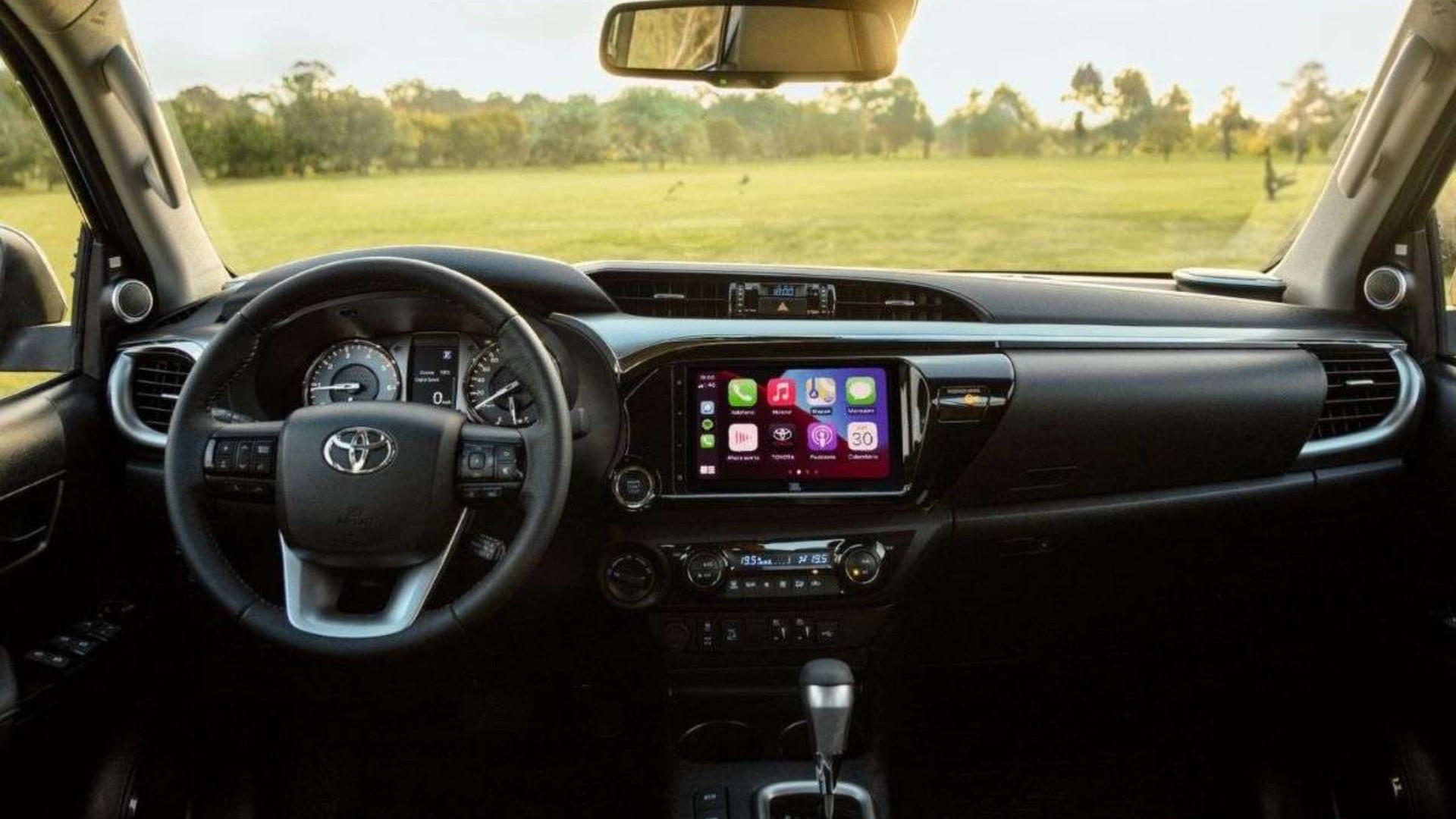
The Toyota Hilux is R$ 75.5 thousand cheaper and bets on the 2.8 turbodiesel engine with up to 204 hp and 50.9 kgfm to catch up with the VW Saveiro, which leads with 4,472 sales.
-
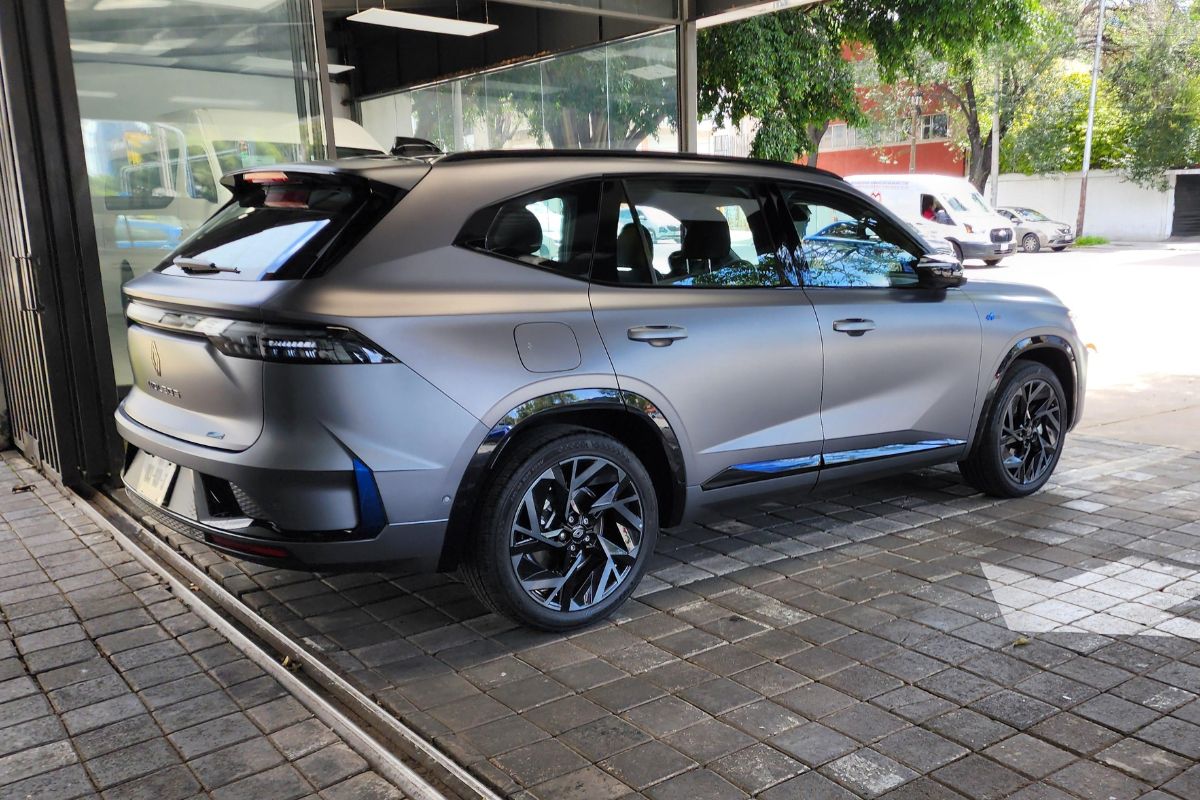
The new Renault Koleos has a screen exclusively for the passenger that is invisible to the driver, heated rear seats, and 29 assistance systems, but its Chinese competitors cost R$ 40,000 less and deliver more power.

1. Check The Condition Of The Engine With A Trustworthy Mechanic
The engine is the heart of the car — and at 150,000 km, it begins to show signs of natural wear. Leaks, excessive oil consumption, or loss of power are alerts that something needs attention. Oil changes should continue to be strict, always respecting the type and recommended interval.
A complete overhaul can cost between R$ 2,000 and R$ 7,000, depending on the level of wear. Inspecting the cooling system and avoiding overheating is essential to prevent turning a simple repair into a huge loss.
2. Suspension And Shocks: The Comfort Depends On Them
Cars over 150,000 km tend to produce noises from the suspension, especially on bumpy streets. Worn-out shocks affect comfort and safety, compromising braking and stability.
Replacing the entire set can cost between R$ 1,000 and R$ 2,500 — an investment that brings back the feeling of a new car and eliminates that instability in turns. Bushings, pivots, and stops should also be checked regularly.
3. Pay Attention To The Braking System
As the kilometers accumulate, the braking system undergoes constant wear. After 150,000 km, it is prudent to check the entire set — disks, pads, fluid, and ABS sensors.
Pads cost on average R$ 270 to R$ 550, while a new set of discs can range from R$ 300 to R$ 800. “Spongy” brakes or vibrations when pressing the pedal are warning signs that should not be ignored. Remember: a good braking system is what separates timely maintenance from a preventable accident.
4. Transmission And Clutch Deserve Special Care
The manual transmission may present noises or difficulty in engaging gears after many kilometers. Wear on the clutch disc, pressure plate, and bearing is expected but needs to be evaluated.
In automatics, changing the transmission fluid is mandatory. Ignoring this care can result in a loss greater than R$ 5,000 to replace the entire transmission. A preventive check-up, on the other hand, costs about R$ 600 to R$ 900 and avoids headaches.
5. Electrical System And Battery Under Surveillance
The electrical components age along with the car. Connectors oxidize, fuses fail, and the battery loses efficiency.
A complete electrical check-up costs on average R$ 250 to R$ 500, and can prevent breakdowns that leave the driver stranded. The alternator, coils, and sensors deserve extra attention — after all, an electrical failure can suddenly immobilize the vehicle.
6. Tires And Alignment: Safety That Comes From The Ground
Even with new tires, high-mileage cars need attention to alignment and balancing.
Each new tire costs between R$ 400 and R$ 800, and a complete alignment and balancing service costs around R$ 150 to R$ 250. A misaligned car consumes more fuel and wears tires unevenly, reducing the lifespan of the entire set.
Full Check-Up Is The Secret To Longevity
A car with more than 150,000 km can run for much longer if it receives the right check-ups. A good mechanic knows how to identify what is normal wear and what represents a risk. Reviewing filters, spark plugs, belts, and fluids at short intervals is a simple and cheap way to extend lifespan.
Many experts suggest setting aside from R$ 100 to R$ 200 per month just for preventive maintenance — a sort of “automotive savings account” that avoids surprises and spreads costs.
Resale Value And Cost-Benefit Ratio
Selling a car with more than 150,000 km is not synonymous with loss. If the vehicle has a complete maintenance history, it can still fetch a good price. In the current market, where new cars easily exceed R$ 100,000, well-maintained used models are more valued than ever.
A New Cycle Begins After 150,000 Km
Reaching this milestone is, in fact, a sign that the car has been well cared for. Each part tells a story of use, and maintaining this balance between wear and care is what ensures more kilometers ahead.
With preventive maintenance, patience, and attention to details, the driver transforms natural wear into a new phase of reliability and economy.
Maintaining cars over 150,000 km is, more than a challenge, proof that care and knowledge are worth more than the mileage on the odometer.










EU TENHO UM COM 156 MIL KM E PRETENDO PERMANECER UM BOM TEMPO COM ELE, POIS NÃO TENHO CONDIÇÕES DE TROCAR. MAS NÃO É FÁCIL DEIXÁ-LO EM DIA. É BOM QUE A MANUTENÇÃO DELE É BEM BARATA. MAS NÃO SEI ATÉ QUE PONTO VAI VALER A PENA FICAR COM ELE.