





 Portuguese
  English
  Spanish
  3 min of reading
  14 comments


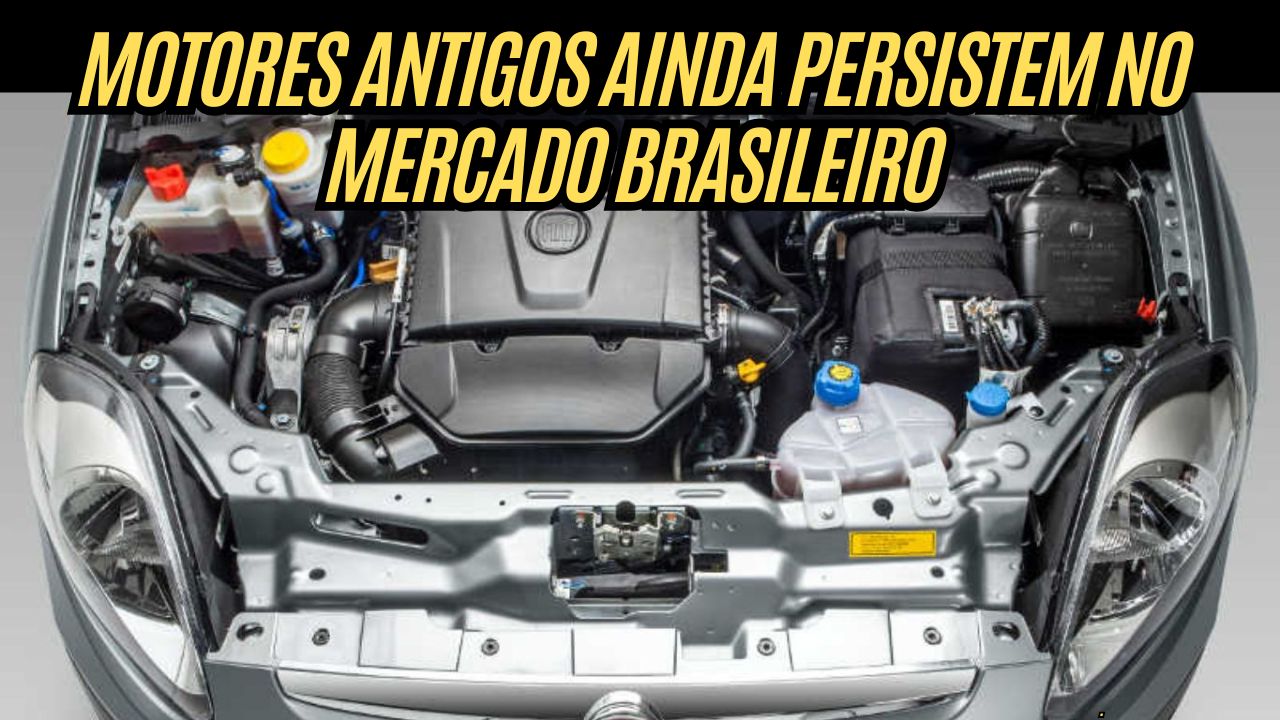


Even With So Much New Technology, Some Old Engines Remain Strong, Powering New Vehicles in Brazil.
In the world of cars, where technologies like downsizing and turbo engines dominate the news, it is curious to note that some old engines still endure. These engineering pieces, which could be in the “museum” of mechanics, continue to stand strong in new vehicles in Brazil. With a few updates over the years, they remain relevant, delivering cost-effectiveness for manufacturers and consumers.
Although innovation is the order of the day in the automotive industry, certain classic engines still have space due to their reliability and low production cost. On one hand, they may not impress in efficiency or cutting-edge technology, but on the other, they are a solid bet to keep the prices of new vehicles in Brazil competitive. Check out now the six engines that stand out for their longevity and relevance!
Old Engines in New Vehicles in Brazil
1. e.torQ by Stellantis
-
Honda performs miracles in fuel consumption with a hatch that marks 13.2 km/l in the city and 15 km/l on the highway, leaving Polo, HB20, 208, and Onix behind and becoming a reference among compact cars without resorting to turbo or hybrid systems.

-
Six diseases that seem common but can prevent the renewal of the driver’s license for the elderly throughout Brazil and surprise experienced drivers — could any of them affect you without showing clear signs?

-
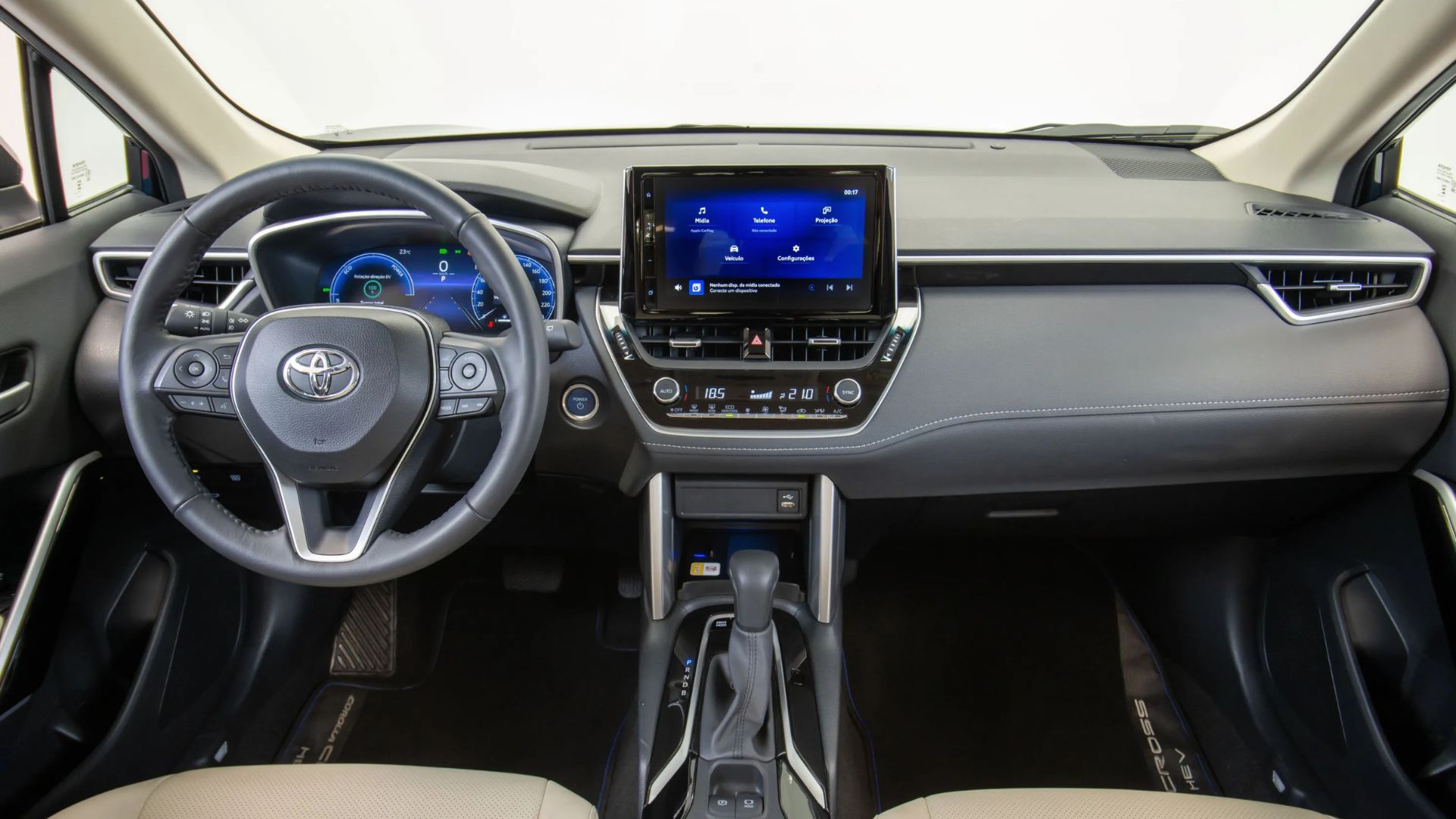
With 122 hp, fuel consumption of up to 17.7 km/l, and a trunk capacity of 440 liters, this hybrid SUV impresses even though it costs up to R$ 47,000 more than the Yaris — meet the Toyota Corolla Cross.
-
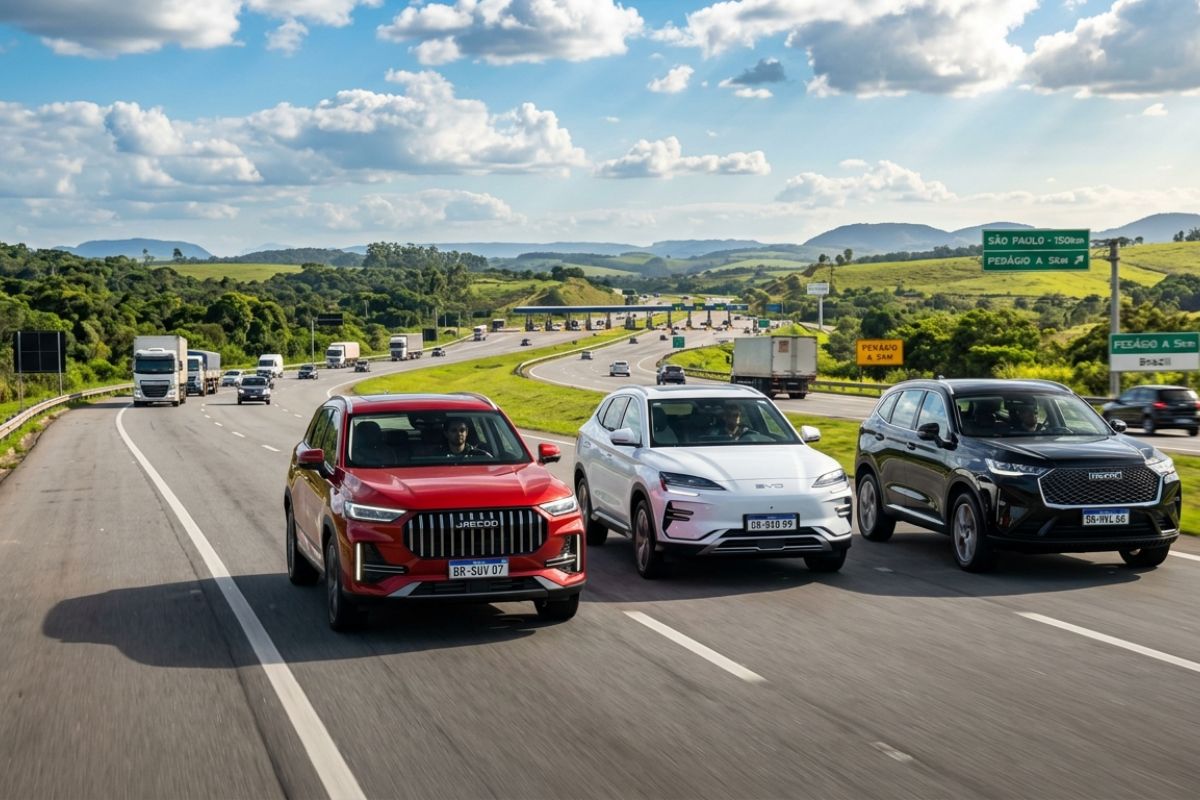
600 km with three Chinese plug-in SUVs, same mode and air conditioning on: Jaecoo 7, BYD Song Plus, and Haval H6 hit the road, and the pump reveals who was truly the most economical.

This engine was born from a partnership between BMW and Chrysler and arrived in Brazil through Fiat Chrysler Automobiles (FCA). Currently, it powers models like Fiat Argo and Jeep Renegade. Despite the arrival of more modern options, such as the GSE Turbo line, the e.torQ still has its place in new vehicles in Brazil.
2. Family I by GM
Launched in 1994 with the iconic Corsa, the Family I engine was one of the pioneers with electronic fuel injection in Brazil. Today, even after almost three decades, it still powers models like Chevrolet Joy and Spin, confirming its durability in new vehicles in Brazil.
3. EA111 by Volkswagen
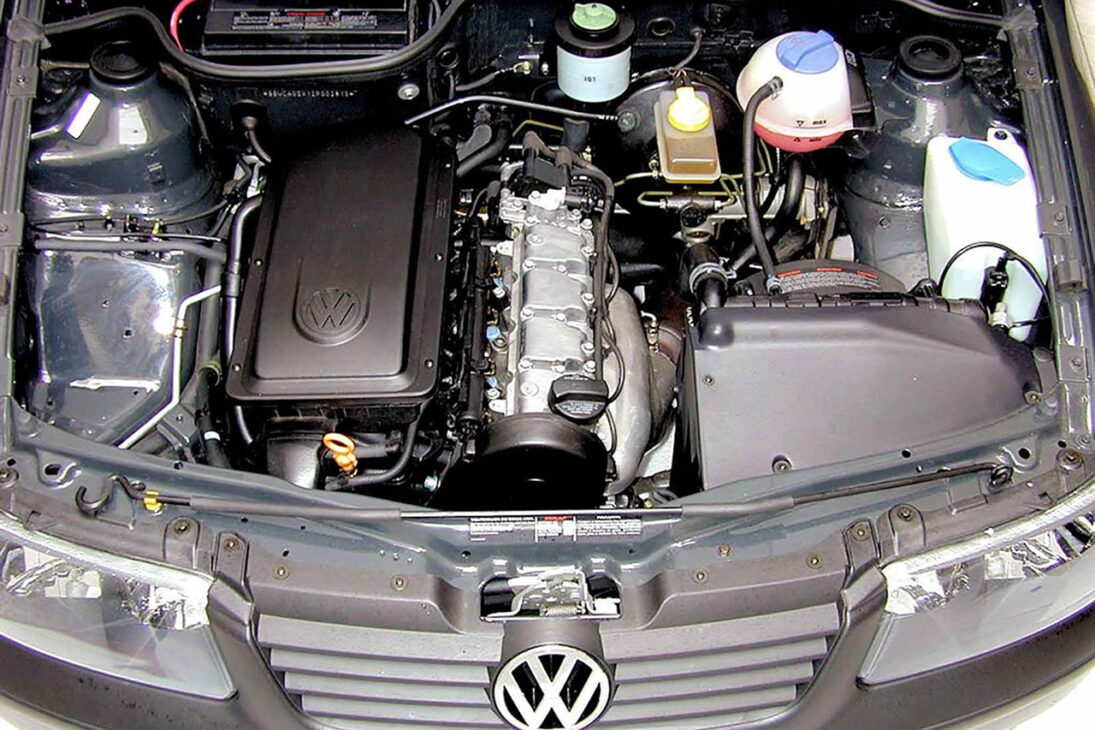
The EA111 emerged in 1996 to replace the CHT and has since equipped models like Gol and Voyage. Recognized for its robustness, this engine is a symbol of Volkswagen and, even after so many years, remains relevant for the brand’s entry-level lineup in Brazil.
4. Fire by Fiat
Introduced in 1985 and adapted to the Brazilian market in 2000, the Fire engine equips cars like Fiat Mobi, Uno, and Strada. It is impressive how a project with nearly four decades of history still finds space in new vehicles in Brazil, showing that simplicity and efficiency continue to be a good business.
5. 4B11 by Mitsubishi
Although outdated compared to other options from Mitsubishi, the 4B11 engine still powers SUVs like the ASX. Launched in 2005, this engine is one of the brand’s first with MIVEC variability, reinforcing its historical importance.
6. Theta by Hyundai
Finally, the Theta engine, launched in 2004, continues to be the heart of the Hyundai ix35. Although it is not the most modern, its reliability still guarantees its place in new vehicles in Brazil.
Old Technology, Modern Relevance
Even with the arrival of more technological options, such as the GSE Turbo line, many of these old engines remain relevant. They show how manufacturers can balance the use of established technologies with adapting to current market demands. In the end, they are clear examples that, in the automotive world, retirement is something that can wait!








Isso acontece no Brasil porque o consumidor brasileiro aceita. Temos carros com motores de tecnologia ultrapassada, e que dão lucro porque não exigem novos projetos ou investimentos.
No exterior esses motores de tecnologia ultrapassada já não são aceitos há muito tempo, o que forçou as fábricas a equiparem os novos carros com motores modernos e eficientes.
A situação descrita no Brasil é comum em países em desenvolvimento, onde a concorrência e as regulamentações são menos rigorosas. No entanto, é importante notar que as tecnologias mais eficientes e modernas podem ser mais caras e requererem investimentos significativos. Em países desenvolvidos, a demanda por tecnologias mais avançadas e a pressão dos reguladores ambientais forçam as empresas a investir em projetos mais eficientes. No Brasil, é necessário que os consumidores sejam mais exigentes e as políticas públicas incentivem a adoção de tecnologias mais eficientes.
Vc leu a matéria?
Motor novo custa caro pra comprar, caro pra manter e o Brasileiro não quer isso num carro de uso diário. Quer o auge da tecnologia compre um carro com essa proposta. Carro pro dia a dia tem que ser simples e não quebrar, performance não é muito importante no mundo real. E pra um cara da TI, quanto menos tecnologia tiver no carro, menos problema ele vai dar.
Esses motores “e-torq”, que de torque mesmo não tem nada, tbm equiparam a linha Punto com promessa de alto desempenho. Na prática foi uma grande enganação da Fiat.
Motores lerdos e beberrões… Tive um Punto 1.8, só passava raiva, tinha que ficar esguelando o acelerador o tempo todo como se fosse um 1.0 para obter um desempenho minimamente satisfatório.
Além disso, eram motores que passavam muito barulho para dentro da cabine.
Foi um dos piores motores que já usei.
Exatamente como vc falou, é fraco em baixa rotação, barulhento e ****.
Era muito melhor terem colocado um turbo no fire 1.4 então. Ou usado motor GM como já fizeram.
O motor EA111 – 1.6 não equipa nenhum veículo VW desde 2022, em razão da fase L7 do PROCONVE