





 English
  Francês
  Alemão
  Italiano
  Japonês
  Norueguês
  Portuguese
  Spanish
  4 min of reading


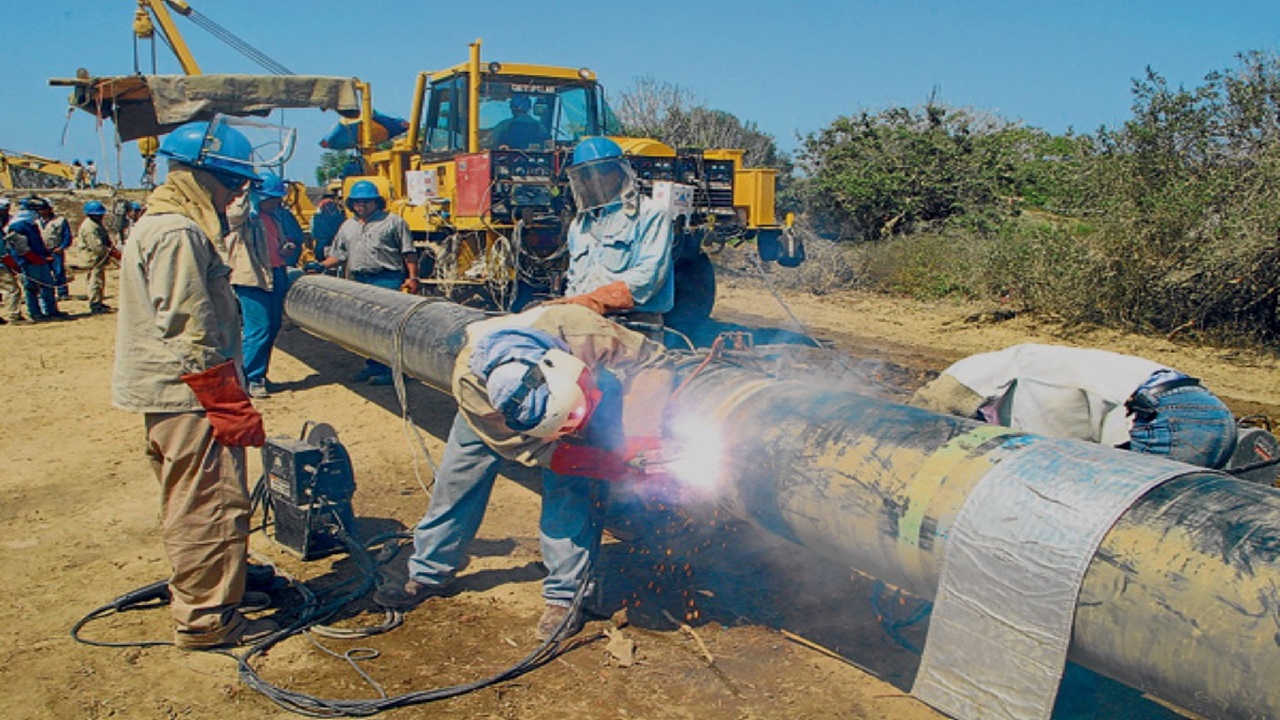
National Gas Is Being Injected Back into Offshore Fields While Brazil Increases Natural Gas Imports Due to Lack of Infrastructure to Bring It to Power Plants
Brazil has increased natural gas imports while the national gas, which could be used in the country, is being injected back into offshore fields due to lack of infrastructure to transport it to power plants. As a result, the cost of the input rises and consequently reflects in the electricity bill and in the pockets of Brazilians, as the country is experiencing a drought in hydroelectric reservoir levels. The looming water crisis caused by low rainfall “forces” the country to activate thermal plants (which pay more for imported gas), further increasing electricity costs.
Read Also
- Use of Ethanol in Combustion Engines Prevented the Emission of Over 566 Million Tons of CO2 in Brazil, Equivalent to the Annual Sum of 5 Neighboring Countries
- Raízen Will Help Brazil Expand Globally by Licensing 2nd Generation Ethanol Technology to Other Countries
- Gasoline, Ethanol, Diesel, and CNG Prices Keep Rising and the Newest Fuel GNC Has Come to ‘Save’ App Drivers, Taxi Drivers, and Workers
- Mega Oil Exploration Project Will Hire 100 Platforms, Build 50 Ships, Generate Over 400,000 Jobs, and Export 25 Million Tons of Oil by 2024 in the Arctic
- Sale of Hydrated Ethanol Between Distributors Was Definitely Prohibited by the National Agency of Petroleum, Natural Gas, and Biofuels
In 2021 alone, Brazil’s natural gas imports reached the highest level since 2016 for the months of January to April. In just four months, the country spent US$ 1 billion, nearly the total spent in the entire previous year and double the amount spent in the same period last year.
All this national gas, which could be used as an input for thermal energy generation, is being injected back into offshore fields, especially those in the pre-salt region. From January to April, the volume of natural gas distributed in Brazil fell by 14%, while imports of the raw material, priced in dollars and at international prices, are rising, according to the latest data released by the National Agency of Petroleum, Natural Gas, and Biofuels (ANP).
-
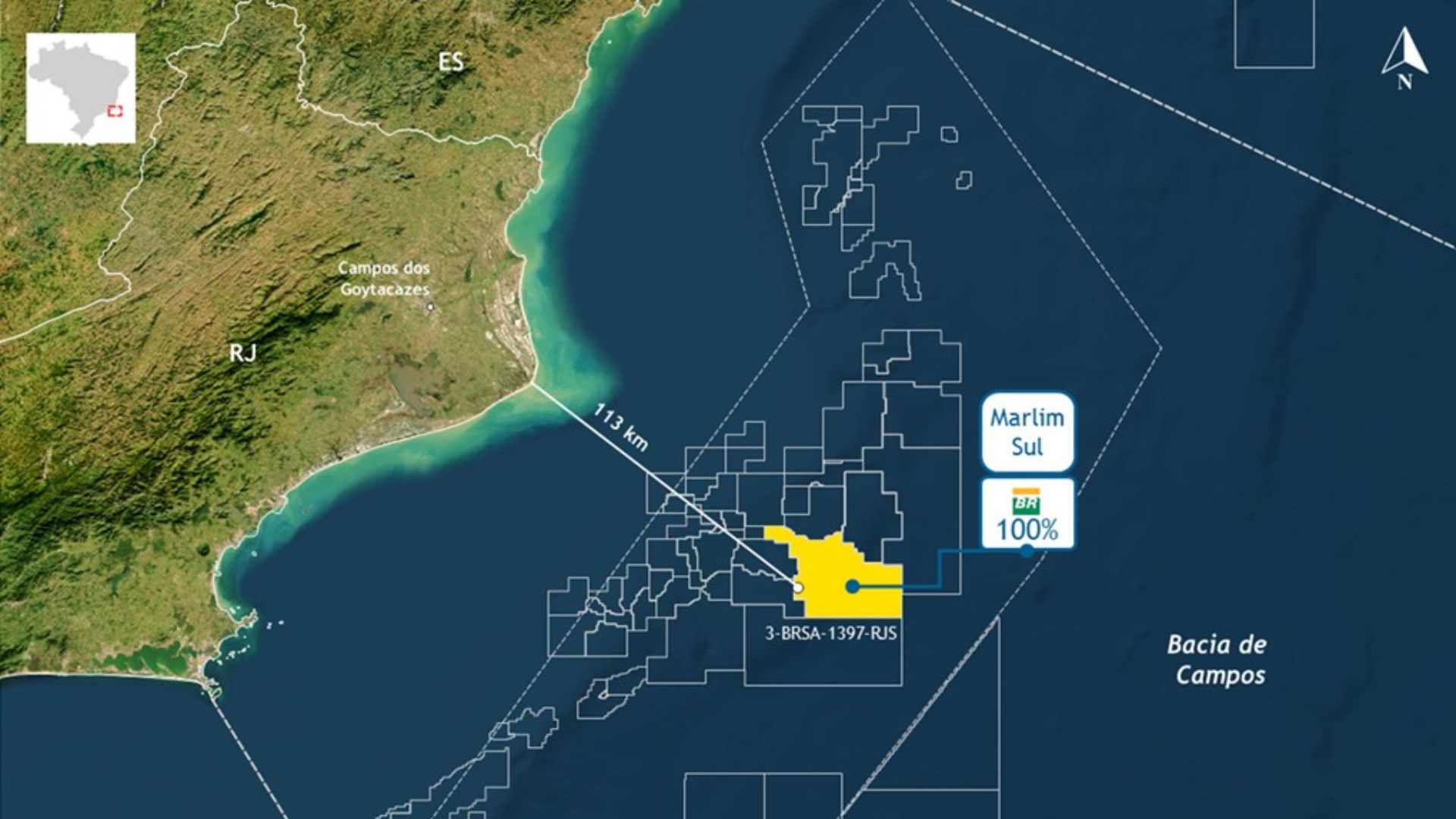
Petrobras finds high-quality oil in the pre-salt at 113 km from RJ and reignites expectations about strategic reserves in the Campos Basin.

-
Ocyan opens registrations for startups focused on innovation in the oil and gas sector and will select projects for Innovation Day with the support of Nexio.

-
Petrobras announces new oil discovery in the pre-salt of the Campos Basin and reinforces Brazil’s prominence with high-quality reserves that can increase production and energy revenues.
-
Alert in the fuel market: Analysts and a former director of ANP warn that oil prices may worsen in the coming months due to global instability.

60% of Brazil’s Natural Gas Returns to Offshore Fields Due to Lack of Infrastructure
According to information from the Agency, of the 131.4 million cubic meters of gas extracted in Brazil per day, only 53.5 million are offered for sale. This means that 60% of the total does not reach the market. This has been the trend since pre-salt began to gain relevance, due to the lack of infrastructure to transport all the production from the fields.
The federal government issued a decree last Wednesday that regulates the New Gas Law, enacted in April, aimed at modernizing the sector. The idea is to create a “open, dynamic, and competitive market,” according to the General Secretariat of the Presidency of the Republic.
Natural gas is the main input used in thermal energy generation, which gained importance during this period of water crisis. On May 31, these plants set a generation record of 17,130 megawatts average (MWmed) per plant, according to the National System Operator (ONS).
The direct consequence is the increase in electricity prices, as this type of generation is more expensive than hydroelectric generation. As an indication to consumers that the electricity bill is going to be more expensive, the government activated the red flag 2 at the end of May.
Thermal Power Plants Pay in Dollars for Natural Gas and Ultimately, It’s the Brazilians Who ‘Foot the Bill’
The increase in thermal demand is largely being met by imported gas, priced in dollars. The same logic applies to the national product, as the same variables used for the imported product are factored into its price calculation.
This business model, however, is increasingly being questioned by experts since, under these parameters, there is little difference between increasing domestic production or imports. The cost of the input and the impact on the electricity bill end up being the same.
In an attempt to improve purchasing conditions for its customers, the Brazilian oil company Petrobras recently announced the possibility of indexing the gas it supplies to Henry Hub gas (HH), offered in a market of American producers. This would be an alternative to contracts indexed to Brent crude in the London market.










Seja o primeiro a reagir!