





 Portuguese
  English
  Spanish
  4 min of reading
  0 comments


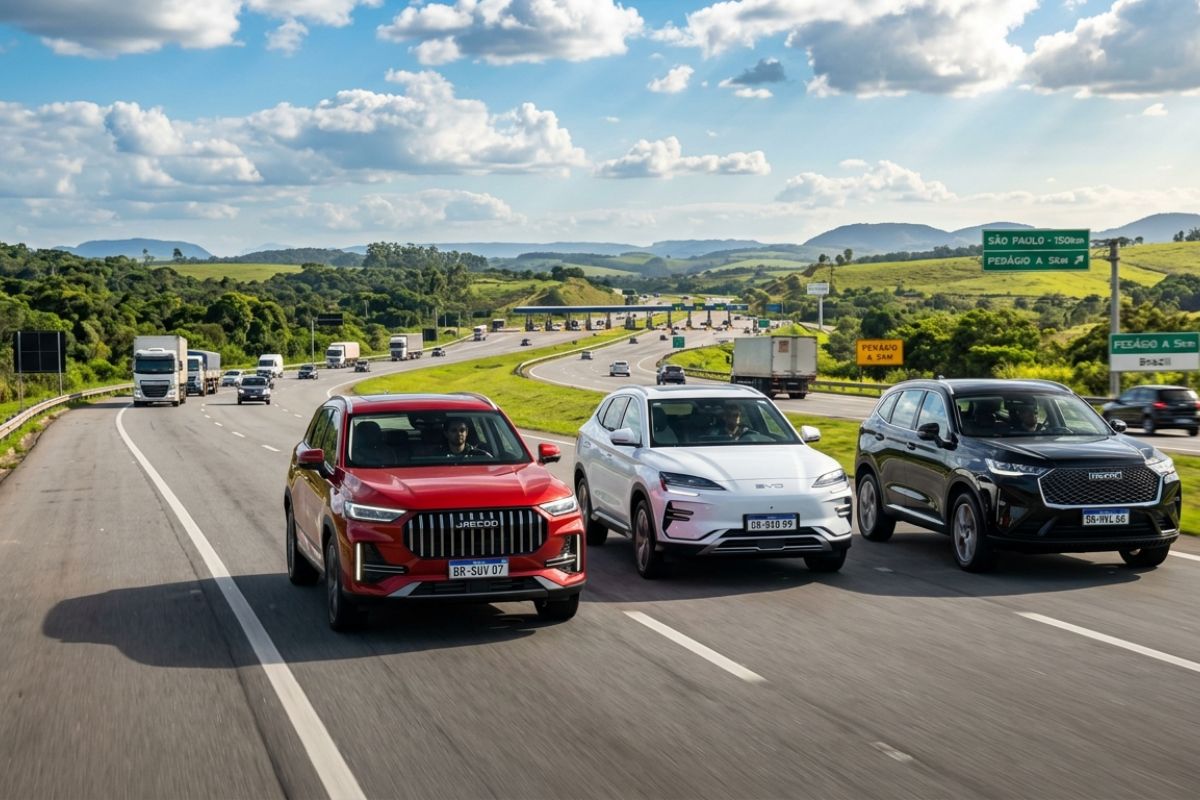
With SUVs running under the same conditions, battery close to 80% and full tank, Jaecoo 7, BYD Song Plus and Haval H6 made a round trip to Ribeirão Preto and the final bill came at the gas station
The SUVs plug-in hybrids from China have become a craze, but real consumption only shows up when the road ends and the pump speaks. Therefore, three SUVs were put through the same test: Jaecoo 7, BYD Song Plus and Haval H6, with 600 km driven, air conditioning on, and the same driving mode for everyone.
The proposal was simple and honest: no “driving for averages.” The SUVs were used as you would on a trip, with driver changes and refueling at the end to compare liters per kilometer, without relying solely on the onboard computer.
How the SUV test was set up to be fair

The comparison was made with three people for three cars, with 600 km per vehicle in total and driving in a relay scheme. Everyone drove all the SUVs, precisely to reduce the weight of one driver’s “foot.”
-
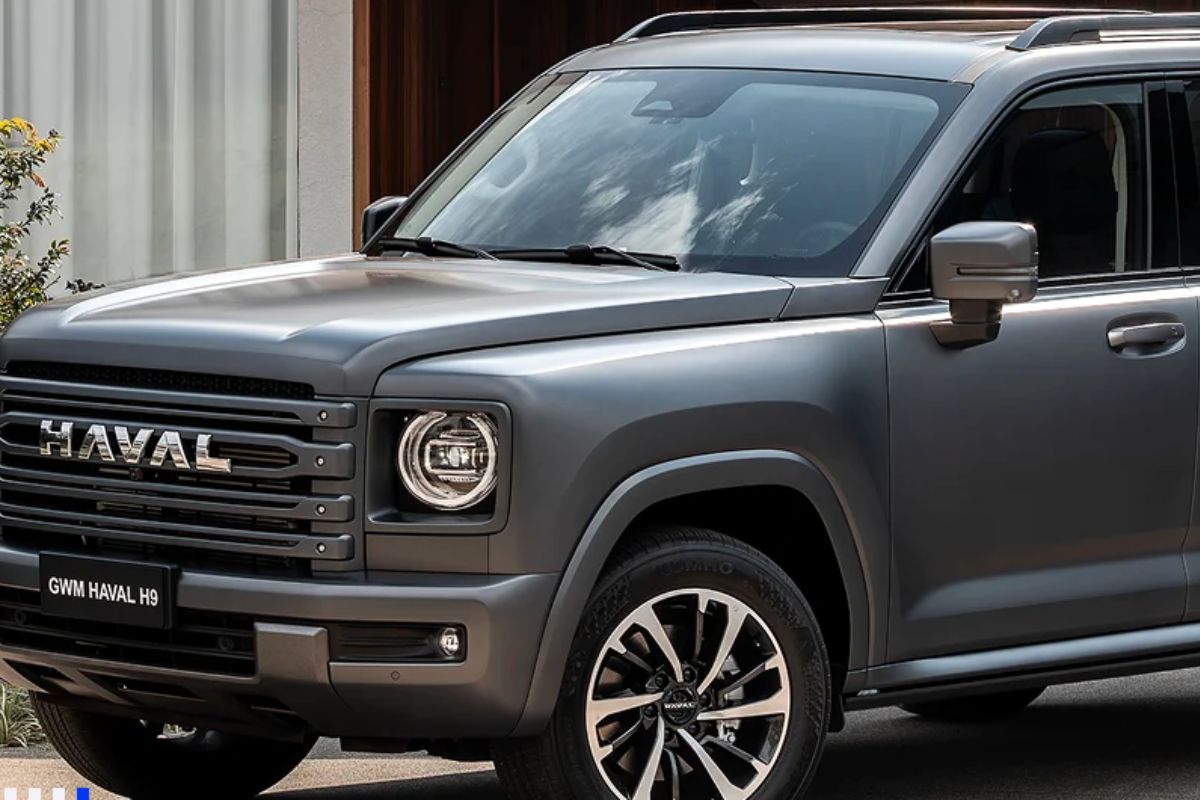
With a price almost R$ 100 thousand lower, the Haval H9 surpasses the SW4 for the first time in March, but Toyota still leads in the accumulated total for 2026; the Chinese SUV bets on technology and premium finishing to compete at the top.
-
6 used cars that cost less than a new Honda CG 160 Titan and still provide trunk space, four seats, and comfort that many new motorcycles cannot offer.
-
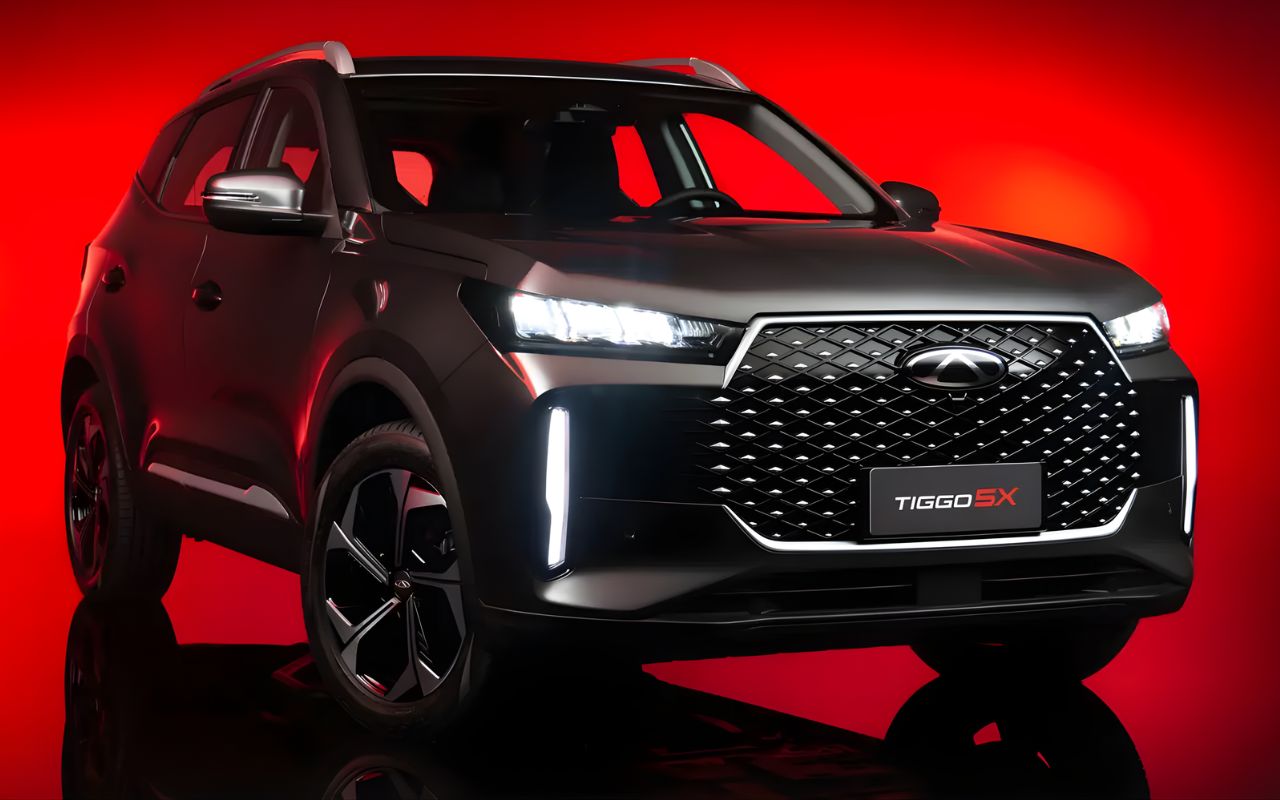
Caoa Chery Tiggo 5X skyrockets in sales in Brazil: a 2,318% increase and waiting lists of up to 4 months to acquire the model.
-
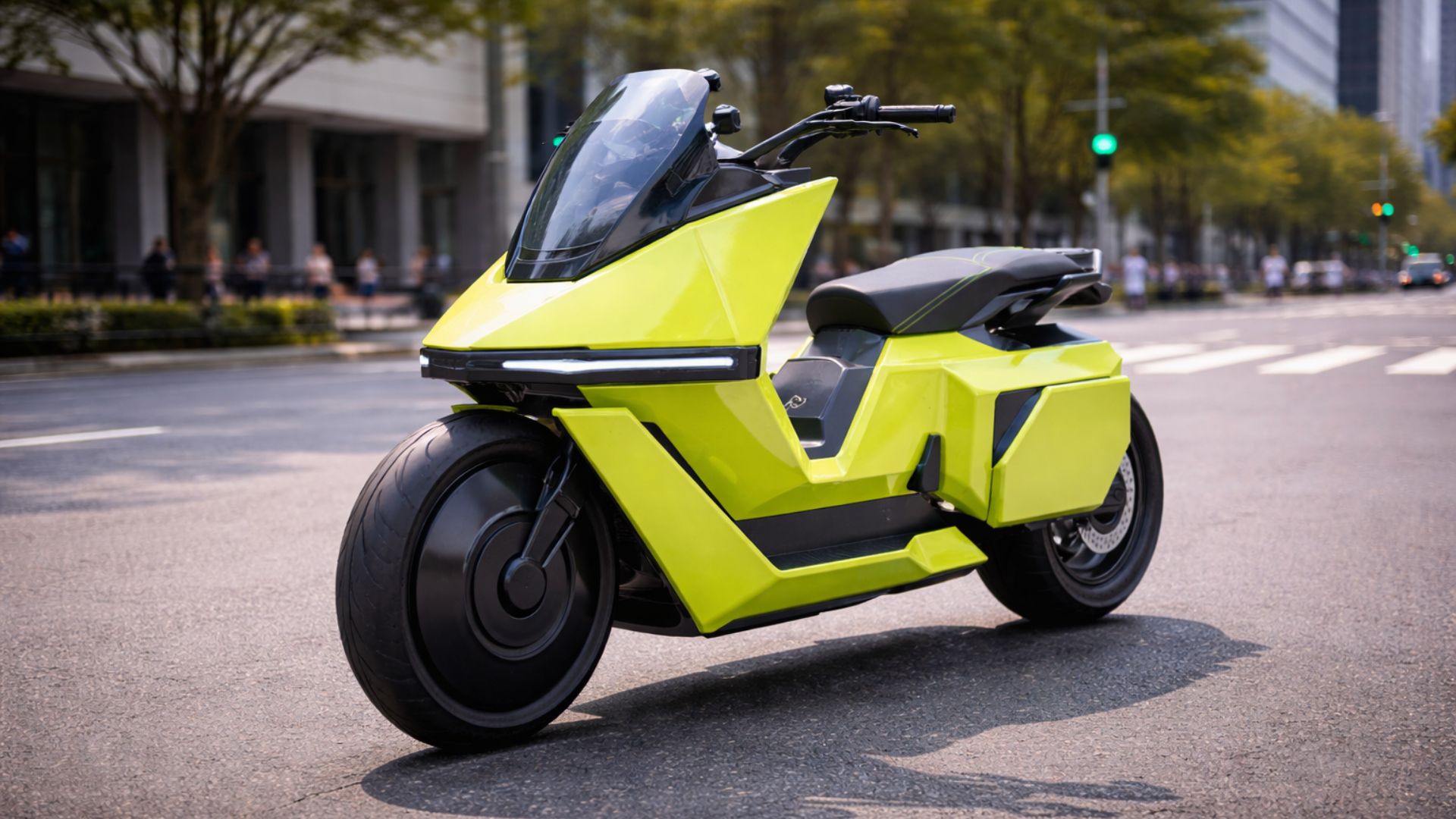
Goodbye falls: Singaporean company Omoway begins production of a motorcycle that doesn’t fall and surprises the market by offering automatic balance technology that reduces accidents and transforms the urban riding experience.
The rules were clear: same driving mode, air conditioning on at the same temperature, and normal road usage. The SUVs started with battery levels between 76% and 78% and full tanks, with the trip meter reset, so that the final result would be determined by the pump on the return.
Who were the SUVs and what each promised before the road
The three evaluated models had a similar proposal, all plug-in hybrids and with a price range close to R$ 250 thousand, with differences in power, battery, and range.
In the BYD Song Plus, the previous model was used, with a battery around 18 kWh and a combination of a 1.5 naturally aspirated engine and electric motor, cited with 235 horsepower. The focus here was to compare real consumption, not catalog technical specifications.
In the Jaecoo 7, the highlighted feature was the promise of greater combined range and hybrid system management. It was described with a 1.5 turbo engine, a battery around 18 kWh, and a cited power of 339 horsepower, in addition to an electric range close to 80 km according to the test.
In the Haval H6, the model used was the PHEV 34, described as the most powerful of the trio, with a larger battery and a cited power of 393 horsepower. The curiosity was precisely this: having more battery would not automatically mean being the most economical on the entire trip.
EV first, hybrid later: when the battery ran out, the SUVs “showed the truth”
The strategy was to start in electric mode and drive until the battery reached the minimum operational level cited in the test, around 30%. From there, each car began to function as a hybrid, and consumption started to reveal itself more clearly.
The report highlights an important point: the Jaecoo 7 drove about 60 km on the highway until it reached this minimum battery level, starting from close to 80%. This became a milestone of the test, as it showed proximity to what was declared in the initial electric use.
Partial halfway and the care with the convoy
At the first partial, with 100 km driven, optimistic readings appeared on the onboard computer, but the test itself made it clear that the main reference would be the pump at the end. To increase fairness, the cars were alternated at the front of the convoy to reduce aerodynamic advantage for those who would always be in the “slipstream.”
At the halfway point, with 300 km driven, the panels showed averages close between Jaecoo 7 and Haval H6, and the Song Plus also had competitive numbers. The test continued until the return to close the account in the most direct way possible: liters refueled after 600 km.
The pump decided: how much went into each tank
On the return, the moment of truth came. The three SUVs were refueled to calculate real consumption based on the liters replenished.
Haval H6: 35.484 liters
BYD Song Plus: 33.7 liters
Jaecoo 7: over 30 liters and closed at 31 liters
This was the most concrete data from the comparison, as it puts side by side what each one really required in fuel to complete the same marathon.
The final consumption ranking among the SUVs


With the account closed, the podium of the test looked like this:
- Jaecoo 7: 19 km/L
- BYD Song Plus: 17.4 km/L
- Haval H6: 16.8 km/L
In addition to leading in consumption, the Jaecoo 7 was also noted as having the lowest cost at the pump, as it took in less fuel during the final refueling.
What this result really means for those thinking of buying
The test shows a point that many people ignore: greater electric range does not guarantee victory in total consumption, especially when the trip includes long highway stretches and the car enters hybrid mode.
It also provides practical insight: the three SUVs delivered numbers considered good for their size and proposal, but the management of the hybrid system, when the battery drops, can be the deciding factor. This is exactly where the Jaecoo 7 stood out in the comparison.
In your daily life, do you prefer one of the SUVs for road consumption, for electric range in the city, or for performance, even if it costs more?









Seja o primeiro a reagir!