





 Portuguese
  English
  Spanish
  4 min of reading
  0 comments


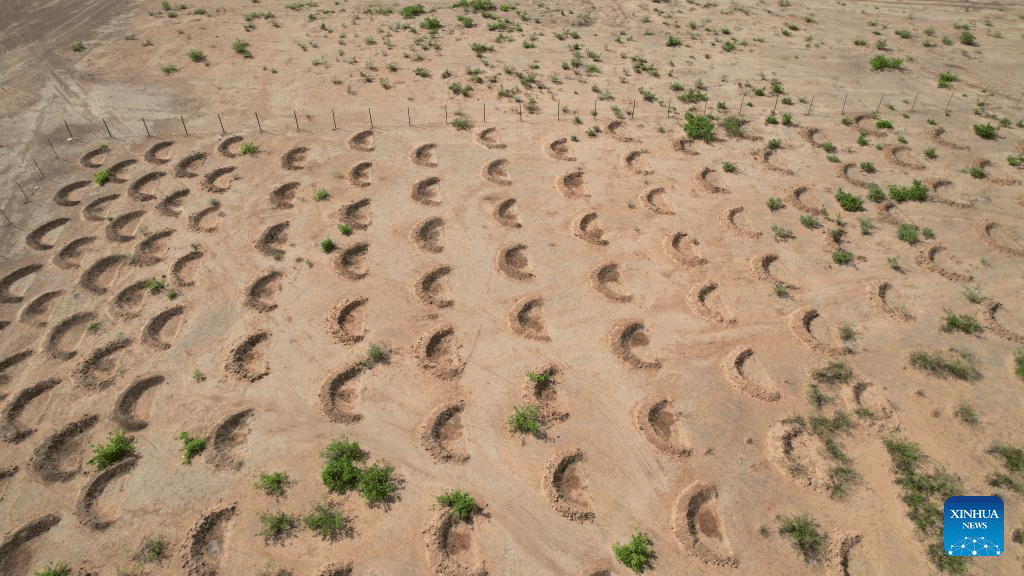
More Than 600 Thousand Workers Participated in the Creation of a 3,050 km Green Belt That Now Protects Railways, Highways and Generates Clean Energy in the Taklamakan Desert
A desert that was once a symbol of environmental devastation is now at the center of a massive ecological restoration project. The Taklamakan Desert, known for its extreme climate and disruption to agriculture and human health, is being transformed through the creation of a green belt. The initiative, developed over 40 years, is one of the largest in the world for arid areas.
40 Years of Work and 600 Thousand Workers
The green belt of the Taklamakan Desert is the result of four decades of continuous work. Since the project’s inception, more than 600 thousand workers have participated in creating a vegetation barrier aimed at stabilizing the moving dunes and containing the desert’s expansion.
The final stretch of the belt was completed in November 2022, marking the end of the planting phase.
-
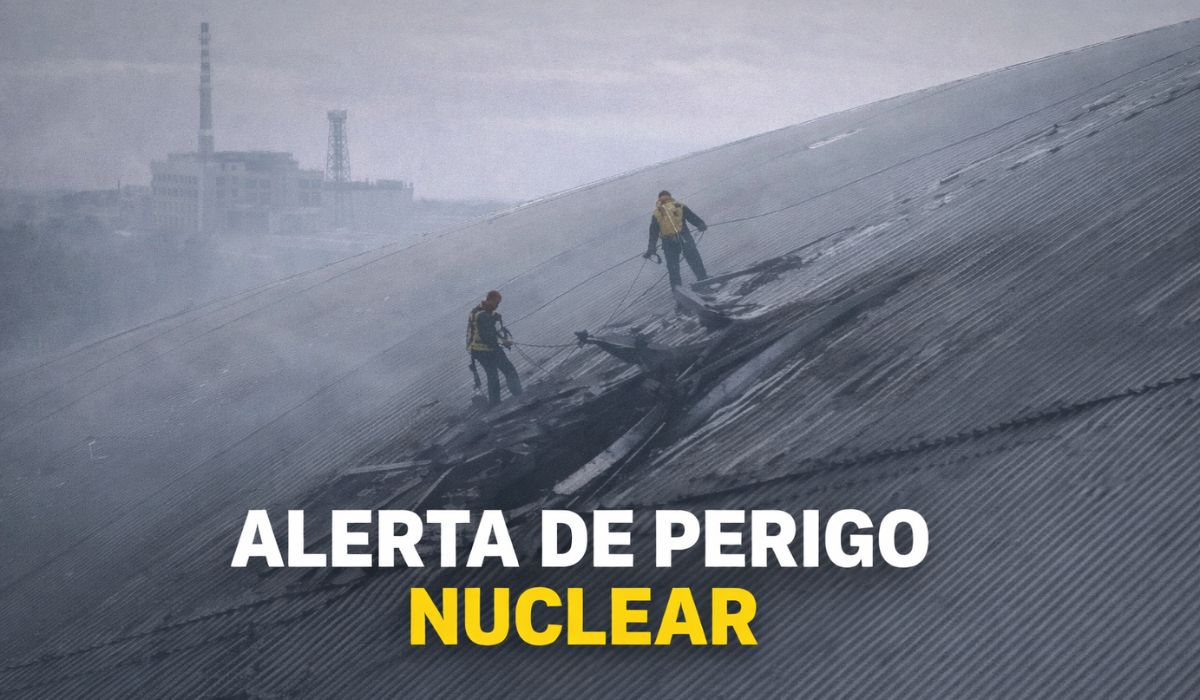
The gigantic steel shell built to contain Chernobyl for a century has been pierced by a drone, exposing a critical system and creating a hole that could cost over 500 million euros to repair.
-
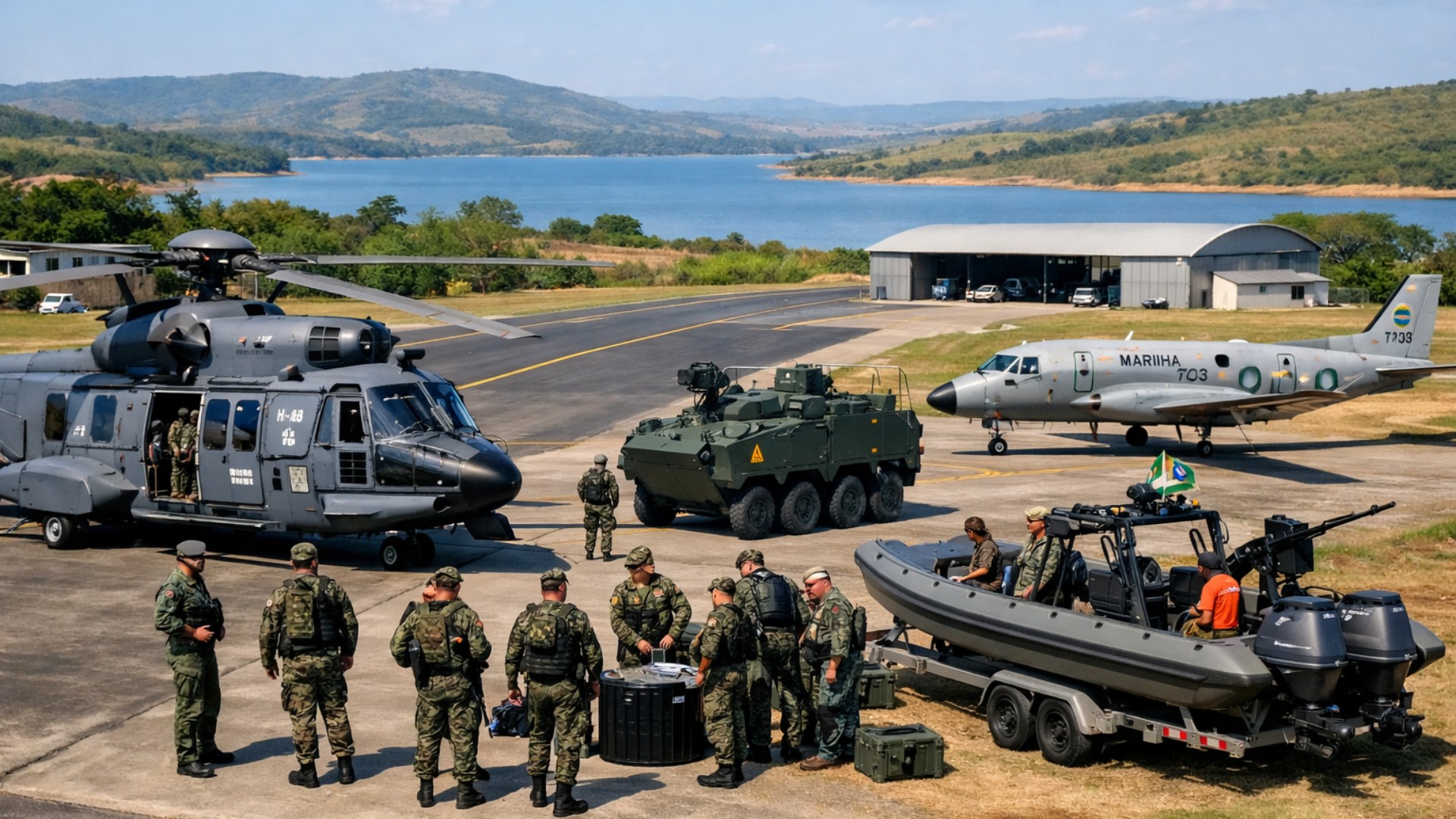
Brazilian Navy reaches a new level by taking over an airport with a 1,600-meter runway used by 1,800 military personnel and autonomous attack drone testing.
-
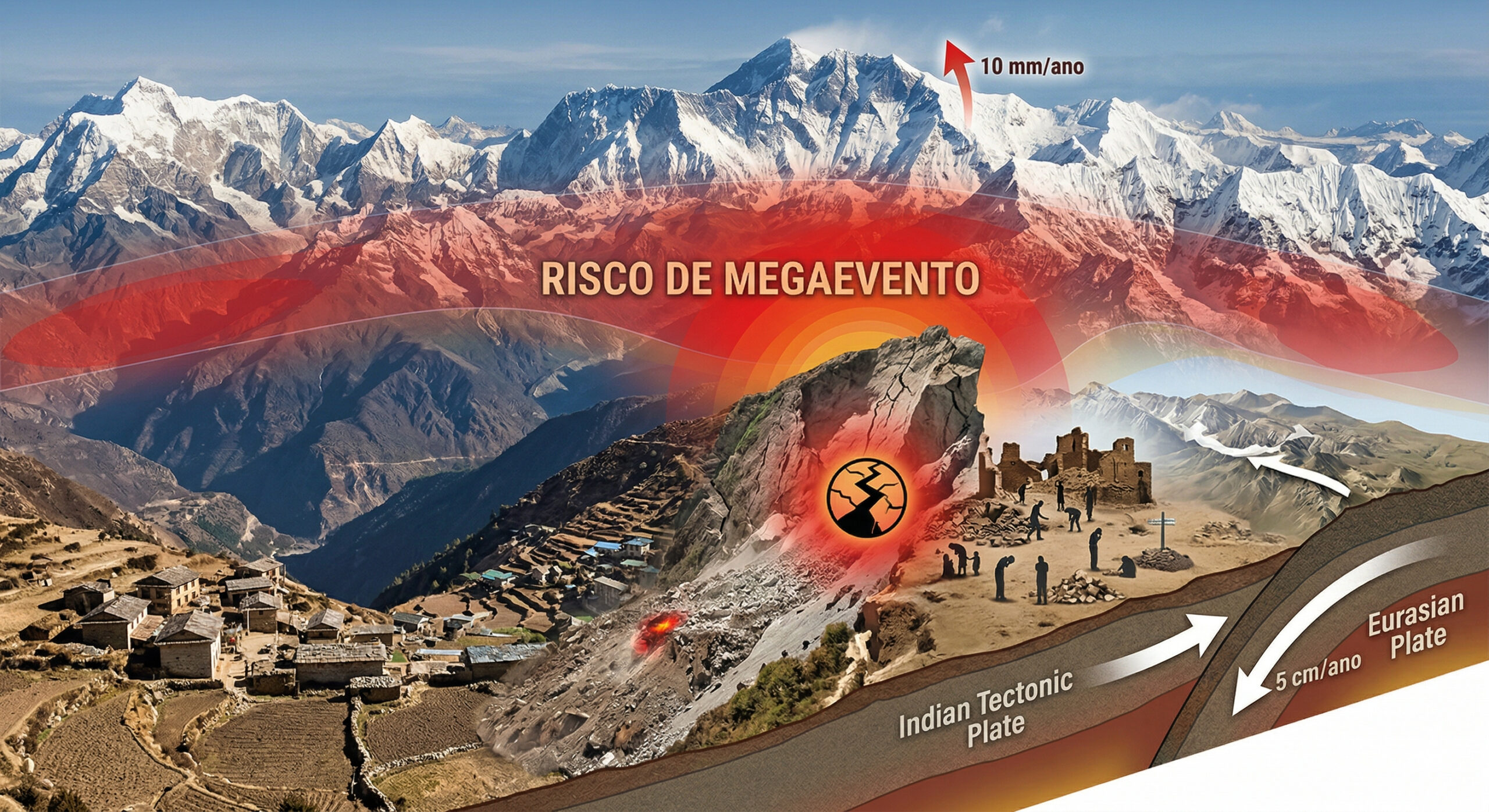
The Himalayas continue to grow to this day, with tectonic plates advancing 5 cm per year, mountains rising up to 10 mm annually, and the 2015 earthquake that killed 9,000 people may have increased the risk of an even larger seismic mega-event.
-
At an altitude of 400 km by astronauts from the International Space Station, Paris transforms at night into a golden mesh so precise that it reveals the outline of the Seine River, avenues, and entire neighborhoods like a luminous map drawn over the Earth.


With more than 3,050 kilometers in length, the belt protects essential infrastructures such as railways and highways. The species chosen for reforestation — such as the desert poplar, red willow, and saxaul tree — were selected for their drought resistance.
They can survive in a harsh environment and also help stabilize the soil, preventing the advance of sands.
One of the most innovative aspects of the project was the use of sand control technology powered by solar energy. This approach enables the plants to receive continuous support even in hard-to-reach areas with limited resources.
The use of renewable energy in such a remote area demonstrates a practical application of sustainability on a large scale.
By combining reforestation and clean energy, the project represents a pioneering model for sustainable desert management. The Taklamakan green belt has not only helped contain desertification but also transformed the desert into a testing ground for new environmental solutions.
Local Economic Impact
Despite its environmental focus, the project has also brought economic advancements. Some of the cultivated plants, such as the desert hyacinth, have medicinal value and can open pathways for the development of herbal medicine markets. This represents a new income opportunity for local communities.
The reforestation has also helped strengthen the economy by protecting transport structures and creating jobs during the decades of project implementation. With the soil stabilized, there is more security for developing other initiatives in the region.
A Railway in the Middle of the Desert
Another important milestone is the Hotan-Ruoqiang Railway, which runs through the Taklamakan Desert. This railway, with a length of 2,712 kilometers, is the first in the world completely surrounded by desert.
It connects several cities in the region, facilitating the flow of local products such as nuts and red dates.
The railway is a clear example of how infrastructure and the environment can work together. With the containment of the dunes, the safety of rail transport has increased, allowing regional trade to develop in areas previously considered inhospitable.
Renewable Energy Center Expanding
China has not stopped with reforestation. The Taklamakan region is being prepared to become a hub for renewable energy. China Three Gorges Corporation is leading the construction of a hybrid solar and wind power plant with the capacity to generate up to 12.5 gigawatts. The project includes 8.5 gigawatts of solar power and 4 gigawatts of wind power.
The proposal is to integrate the production of clean energy with environmental restoration, demonstrating that desert areas can be valuable sources of sustainable electricity. When completed, the complex will contribute to China’s energy mix and could serve as a model for other regions with similar conditions.
Green Belt: Model for the World
The success of the Taklamakan green belt is often compared to other global initiatives, such as Africa’s Great Green Wall, which aims to halt the advance of the Sahara Desert.
The Chinese experience demonstrates that reforestation, renewable energy, and economic incentives can be effectively combined.
Now that the planting phase has been completed, attention turns to the maintenance of the system. The goal is to ensure that the green belt functions in a self-sustainable manner. Research and new investments will be key to this.
With the green belt finalized, the Taklamakan Desert is no longer just a natural barrier. It now represents a showcase of environmental and energy innovation.
The transformation of the landscape shows that, with effort and technology, even the most hostile environments can give rise to sustainable solutions for the future.
With information from Jason Deegan.







Seja o primeiro a reagir!