





 Portuguese
  English
  Spanish
  2 min of reading
  8 comments


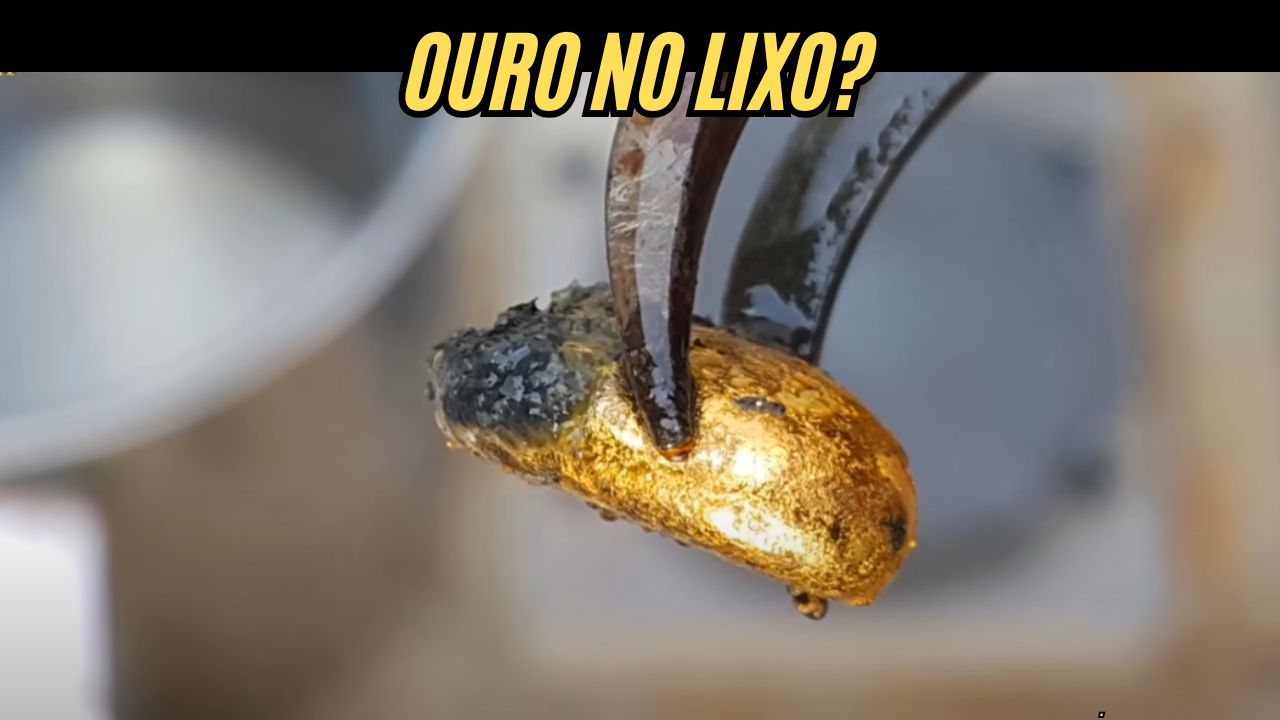


Discover How Urban Mining Is Turning Electronic Waste Into A Gold Mine.
Have you ever imagined finding gold in the trash? It sounds like something out of a movie, but this idea is gaining traction with the urban mining revolution. Technology is allowing urban miners to explore an unexpected resource: the printed circuit boards (PCBs) found in electronic waste. These boards, which were once discarded without much concern, are proving to be true “gold mines”.
Gold in Electronic Waste: The Potential of PCBs
To give you an idea, a ton of PCBs can contain up to 150 grams of pure gold, along with other precious metals such as silver, palladium, and copper. In terms of financial return, this means more than €19,000 per ton — a significantly higher value than traditional mining, according to data from The Economist.

Despite this potential, in 2022, the world discarded 62 million tons of electronic waste, but less than a quarter of that total was formally recycled. In other words, tons of gold in the trash are being wasted every year. Much of this waste ends up in landfills or goes through inadequate processes, such as burning or the use of strong acids, rendering the metals unusable and exacerbating environmental damage.
-
Brazil extracts 26.3 million tons of ore from what was previously treated as waste, transforming residues into wealth, producing over 3 million tons of sand, and demonstrating how national mining is relearning to generate value.
-
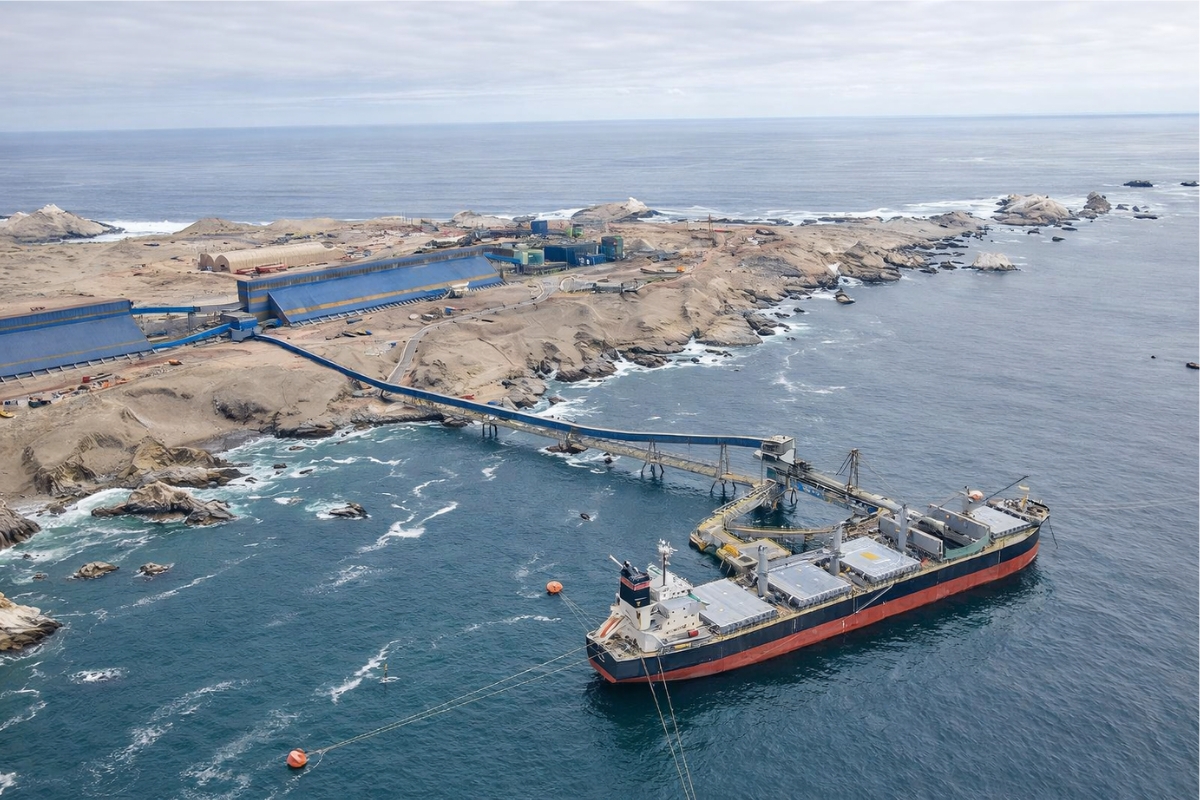
A $3.5 billion megaproject in Latin America pumps desalinated seawater at 1,050 liters per second over 194 km to keep a copper supermine in the Andes operational for another 20 years.
-
A hidden mine in the Andes valued at nearly R$ 1 trillion is starting to attract global attention, containing copper, gold, and silver, and raises an intriguing question: why do Argentina and Chile need to act together to exploit this gigantic wealth?
-
A silent discovery in the interior of Bahia could change the future of energy in Brazil: a uranium reserve in Lagoa Real has an estimated capacity to produce 400 tons per year and is already attracting the attention of energy sector specialists.

Mining with Innovation and Sustainability
To address these issues, more sustainable and innovative alternatives are emerging. One of the most promising is the use of bacteria in the process of extracting precious metals from PCBs. This technique allows for the clean and efficient recovery of gold from waste, reducing environmental impact and maximizing economic results.
A Future with Sustainable Gold
Urban mining is redefining what it means to exploit natural resources. With increased investments in clean technologies and awareness about electronic waste recycling, turning waste into wealth could be the next big step towards a sustainable future. After all, there is literally gold in the trash, and the challenge now is to find out how to harness it intelligently and responsibly.









Primeiro, o valor das placas variam dependendo da sua classificação. Há inúmeras classificações, como marrom, intermediária, pesada, leve, placa mãe entre outras. Sobre 150g a cada 1 tonelada, depende da placa, por exemplo, uma placa mãe de computador, tem em média 500g e varia de 0,1g a 0,5g de ouro, normalmente o lixo eletrônico contém entre 100 e 200 gramas por tonelada e 22 metais diferentes.
Se considerarmos smartphones, pode chegar a 340g de ouro a tonelada.
Edvar Silva
Técnico Eletrônico
Técnico em Finanças
Gestão de Processos Gerenciais
Especialista em Lean Manufacturing
Pós-graduando em Engenharia de Produção
Pós- graduando em Engenharia de Meio Ambiente Sustentabilidade e Geografia
23 anos de experiência em Manufatura de eletrônicos
Projeto científico de economia circular aprovado pela Unifae-SP, Conferência de Engenharia em Dubai, Conferência de Engenharia em Atenas e San Andreas.
Diretor da Reversa do Brasil, transformamos óleo residual em matéria prima para Biodiesel, Manufatura Reversa de eletrônicos e transformamos resíduos orgânicos em gás e fertilizante através do nosso Biodigestor.
Mas existem outros minerios no lixo .
Mas como sepearar em quantidades significavas.vender a sucata para uma empresa que faça isso?
SERIA IMPORTANTE SABER COLOCAR O TÍTULO CORRETAMENTE … NÃO SÃO 62 TONELADAS DE OURO E SIM DE LIXO ELETRÔNICO, Q PODERIA SER CONSIDERADO UM MINÉRIO DE OURO ATÉ MTO RICO, SE CHEGAR A 150 GRAMAS POR TONELADA CONFORME O TEXTO APRESENTADO …. POR OUTRO LADO, PARABÉNS UMA ÓTIMA INFORMAÇÃO!!!! LEIA-SE: #Apesar desse potencial, em 2022, o mundo descartou 62 milhões de toneladas de lixo eletrônico, mas menos de um quarto desse total foi reciclado formalmente. Ou seja, toneladas de ouro no lixo estão sendo desperdiçadas todos os anos. #Para se ter uma ideia, uma tonelada de PCBs pode conter até 150 gramas de ouro puro, além de outros metais preciosos como prata, paládio e cobre. Em termos de retorno financeiro, isso significa mais de 19 mil euros por tonelada.