





 Portuguese
  English
  Spanish
  4 min of reading
  0 comments


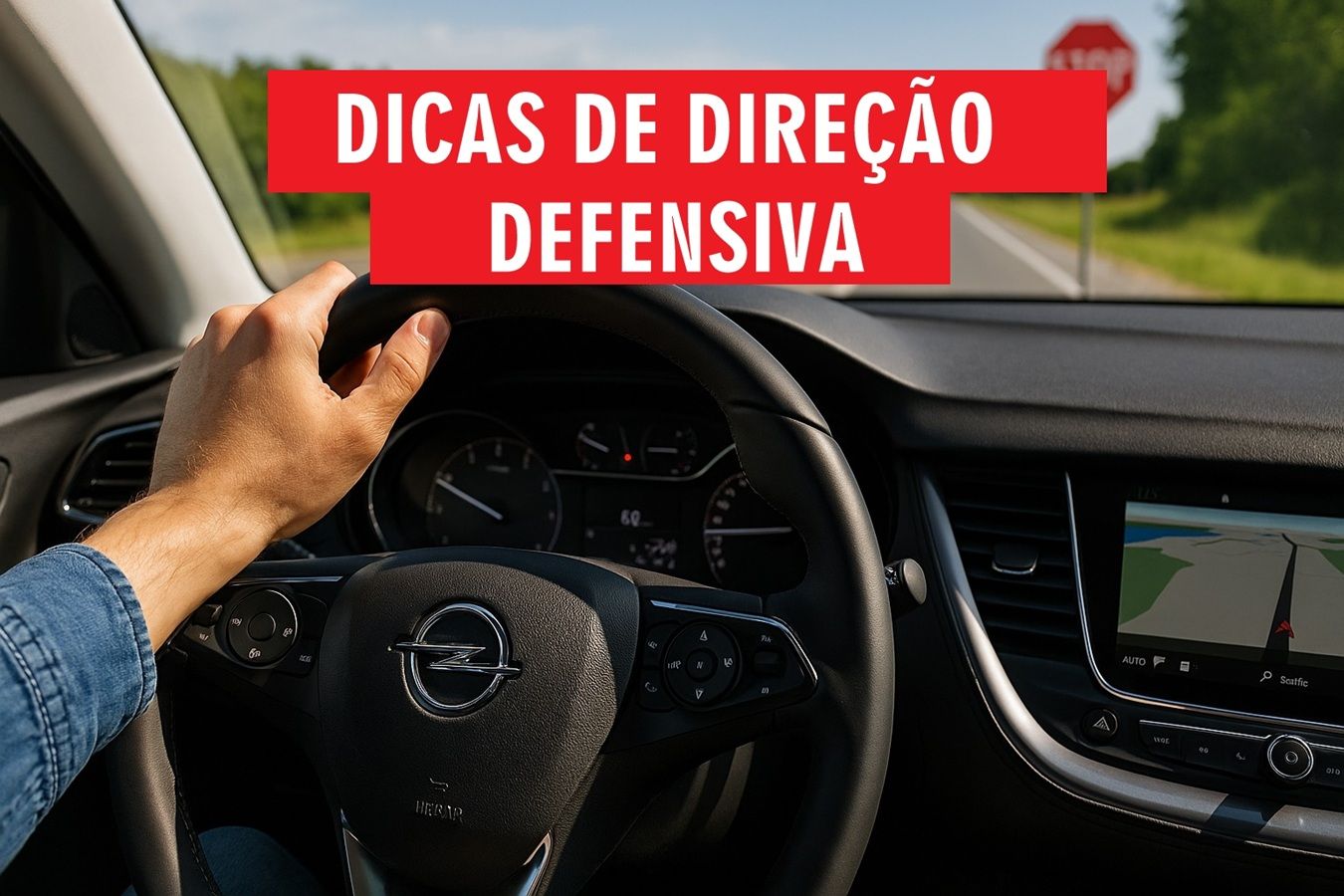
Being Behind the Wheel Demands More Than Knowing How to Steer or Accelerate. True Safety Comes From Attention, Respect for the Rules, and the Ability to Anticipate Risks. Defensive Driving Brings All of This Together in a Set of Practices That Can Save Lives
Defensive driving is a practice that goes beyond simply driving. It involves constant attention, respect for the rules, and care for all road users. This posture reduces accident risks and makes roads safer for everyone. Below, see seven tips to apply this concept in your daily life.
Give Total Attention to Traffic Signs
Traffic signs exist for a reason: to ensure safety. From traffic lights and stop signs to speed limits and crossing warnings, each sign has a specific role.
The most important thing is to respect all these signs, even those that seem simple. Distracted or hurried drivers often ignore signs and cause accidents. A simple oversight can have serious consequences.
-
Honda performs miracles in fuel consumption with a hatch that marks 13.2 km/l in the city and 15 km/l on the highway, leaving Polo, HB20, 208, and Onix behind and becoming a reference among compact cars without resorting to turbo or hybrid systems.

-
Six diseases that seem common but can prevent the renewal of the driver’s license for the elderly throughout Brazil and surprise experienced drivers — could any of them affect you without showing clear signs?

-
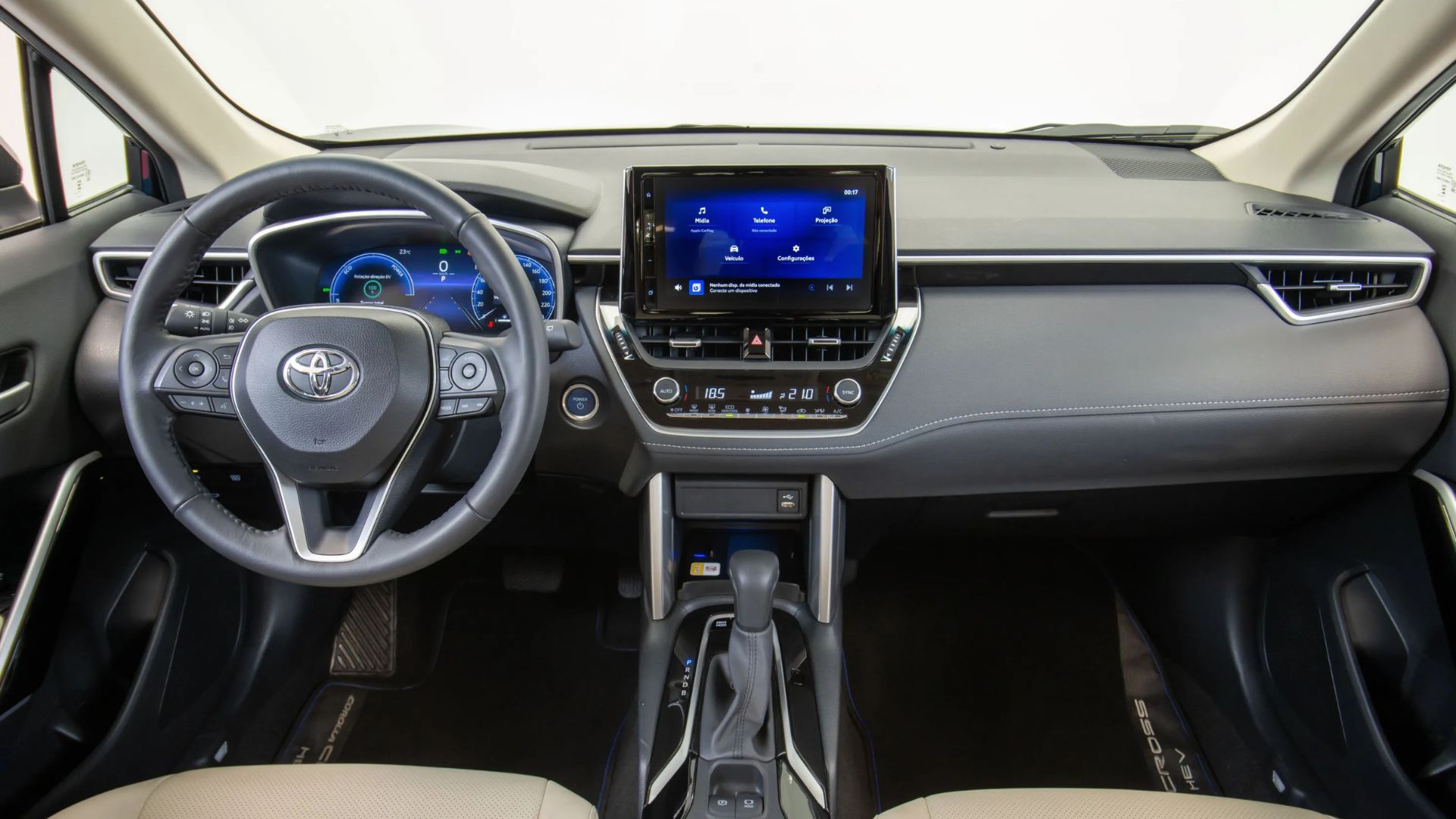
With 122 hp, fuel consumption of up to 17.7 km/l, and a trunk capacity of 440 liters, this hybrid SUV impresses even though it costs up to R$ 47,000 more than the Yaris — meet the Toyota Corolla Cross.
-
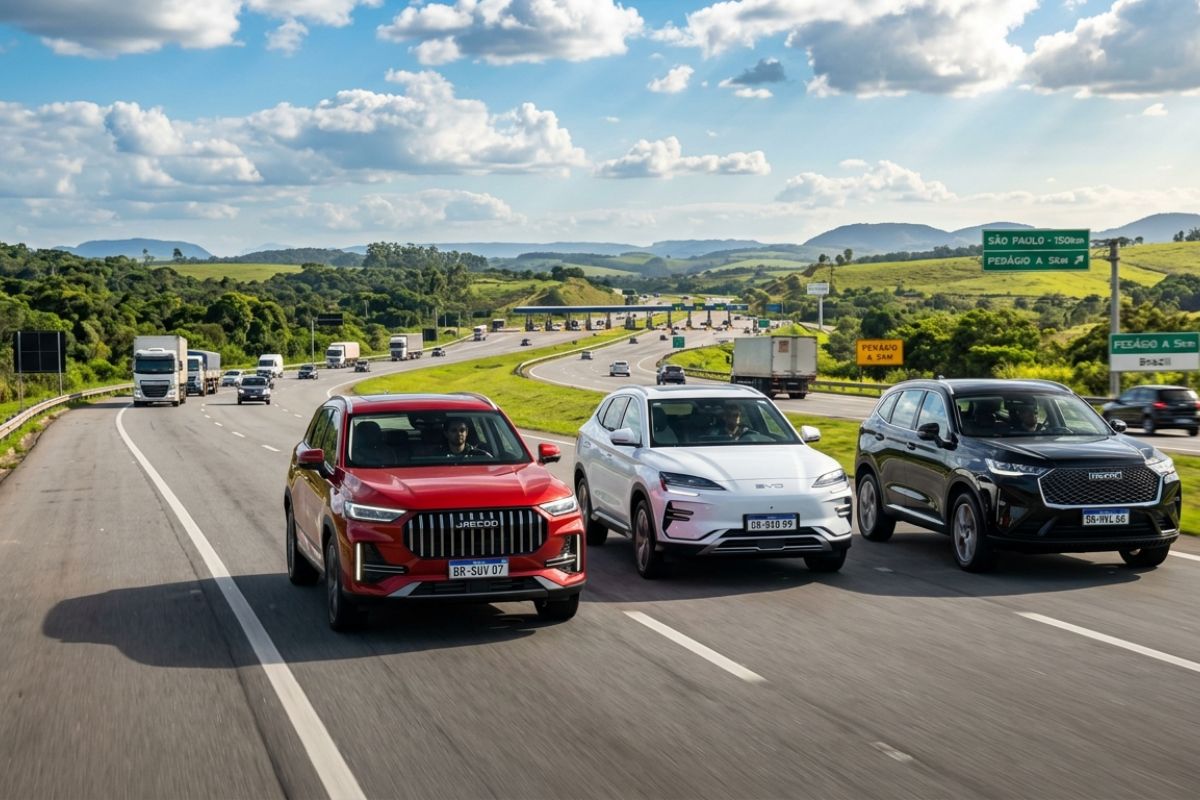
600 km with three Chinese plug-in SUVs, same mode and air conditioning on: Jaecoo 7, BYD Song Plus, and Haval H6 hit the road, and the pump reveals who was truly the most economical.

Therefore, always observe the signs and act accordingly. Saw a sign indicating a speed bump? Slow down. Is there an intersection ahead? Increase your attention. These are basic attitudes, but they make all the difference.
Keep a Safe Distance From the Car in Front
One of the main causes of collisions is the lack of distance between vehicles. According to the National Safety Council (NSC), the ideal is to maintain at least three seconds of distance from the car ahead.
This margin gives you time to react if there’s a sudden stop or a sudden change in the road. If it’s raining or visibility is poor, double that distance.
Additionally, maintaining a constant speed helps. The more space you leave, the better your chances of avoiding a collision. This practice protects not only you but also those behind you.
Stay Alert to What Happens Around You
Defensive driving requires total attention. This means avoiding any distractions inside the car. Cell phones, radios, GPS, or even a conversation can take your focus away from the road.
It’s important to remember: many accidents occur because the driver got distracted for just a few seconds. Therefore, no texting, adjusting the sound, or messing with apps while driving.
Also, expect the unexpected. A car may change lanes without warning. A pedestrian may cross outside the crosswalk. Thus, stay vigilant, especially at intersections and traffic lights.
Obey Traffic Rules Without Exceptions
Traffic rules are not optional. They were created to protect the lives of everyone on the streets. Driving responsibly means respecting each one of them.
Wear your seatbelt. Signal every time you change lanes. Never drive under the influence of alcohol. These are simple but vital measures.
Another important point: when you obey the laws, you encourage other drivers to do the same. Your example can positively influence those around you.
Respect Other Road Users
The roads are not exclusive to cars. Motorcyclists, cyclists, and pedestrians are also part of traffic and must be considered.
Defensive drivers have the responsibility to anticipate the movements of these users. Motorcycles, for example, often make quick maneuvers or weave between cars. Cyclists may appear suddenly at intersections.
The most important thing here is to maintain attention and patience. Avoid competing for space and respect everyone’s rights. This way, you contribute to a more harmonious traffic environment.
Use Your Vehicle’s Safety Features
Technology can be a great ally for safety on the road. Nowadays, many cars offer features that assist the driver in risky situations.
Among the main ones are airbags, seatbelts, ABS brakes, blind-spot alerts, lane assistance, and emergency braking systems. It’s also worth highlighting traction control and adaptive cruise control.
Therefore, check if these systems are functioning correctly. If possible, invest in updates that provide more safety. Good equipment can save lives when the unexpected happens.
Control Your Emotions and Avoid Confrontations
Road rage is one of the biggest enemies of defensive driving. Angry drivers make hasty decisions, speed, perform dangerous maneuvers, and put everyone at risk.
You will encounter such people in traffic. The key is not to retaliate. Stay calm, do not respond to provocations, and avoid any kind of dispute.
Remember: your priority is to arrive at your destination safely. It’s not worth losing control because of someone else’s recklessness.
Defensive driving is an attitude. More than just following rules, it’s a way of thinking about the collective. Protecting your life and that of others should be the main goal of any driver.
By adopting simple practices like keeping distance, staying attentive, and using the right resources, you contribute to safer traffic. Driving well goes beyond skill. It’s a matter of responsibility and respect.










Seja o primeiro a reagir!