





 Portuguese
  English
  Spanish
  3 min of reading
  0 comments


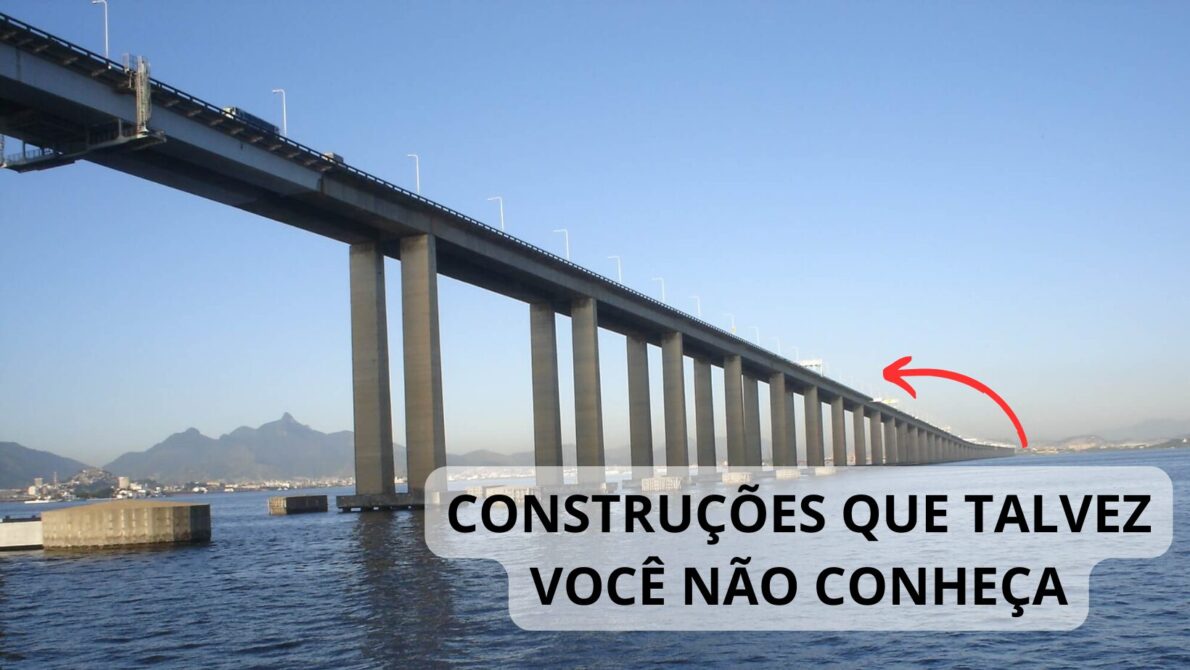
From Pioneer Power Plants to Engineering Landmarks, Discover Seven Notable Constructions That Transformed Brazil
Brazil, known for its cultural diversity and lush landscapes, is also home to constructions and infrastructures that often do not receive due attention. Although some of these engineering works are not as well-known as Christ the Redeemer or the Maracanã Stadium, they play crucial roles in the country’s evolution. Below, see seven impressive constructions that deserve recognition, according to the video from the Construction Time channel.
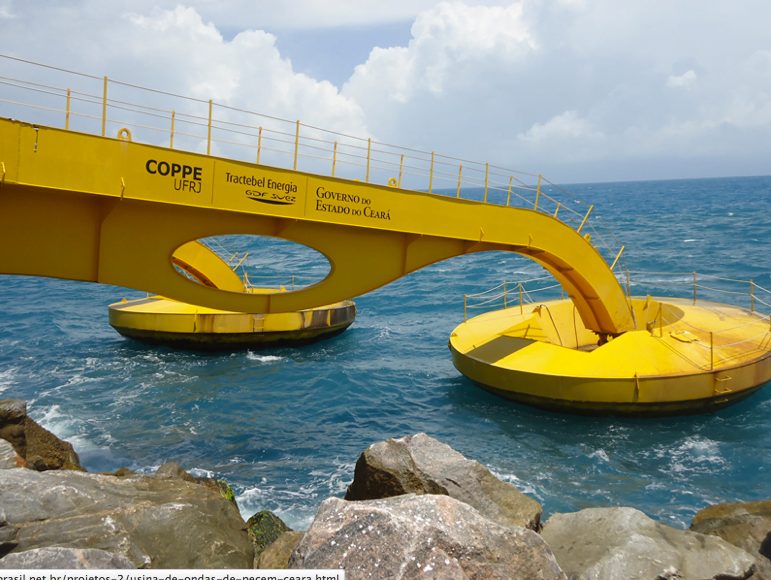
1. Pecém Wave Power Plant
Located at the Port of Pecém in Ceará, the Wave Power Plant was a pioneering project in Latin America. Inaugurated to generate up to 100 kW of energy, enough to supply approximately 60 homes, the plant was deactivated in 2018. Despite its deactivation, Pecém’s experience opened doors for new studies on the potential of wave energy, showcasing Ceará’s innovation in the search for renewable energy sources.
2. Mário Covas Beltway
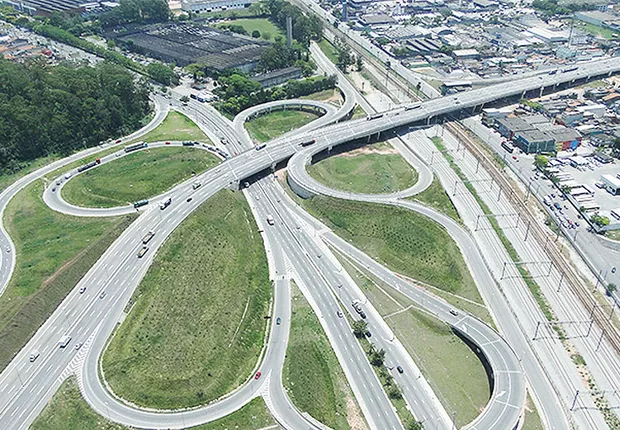
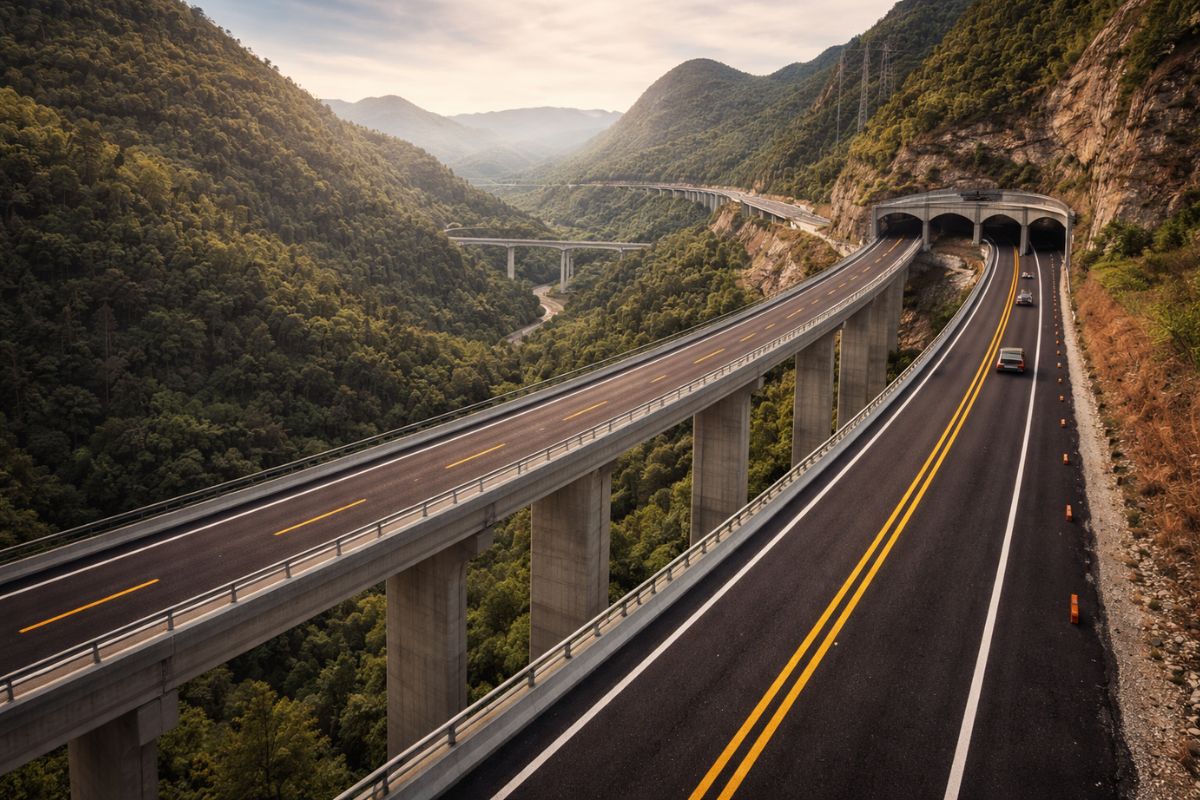
After 26 years of construction, the Mário Covas Beltway in São Paulo is nearing completion with the finishing of the Northern Beltway. This important infrastructure and engineering project promises to revolutionize traffic in the metropolitan area, by efficiently connecting the various highways that converge to the capital. Despite the obstacles faced, including environmental issues and bureaucratic hurdles, the Beltway represents a significant advance in improving urban mobility in one of Brazil’s largest cities.
-
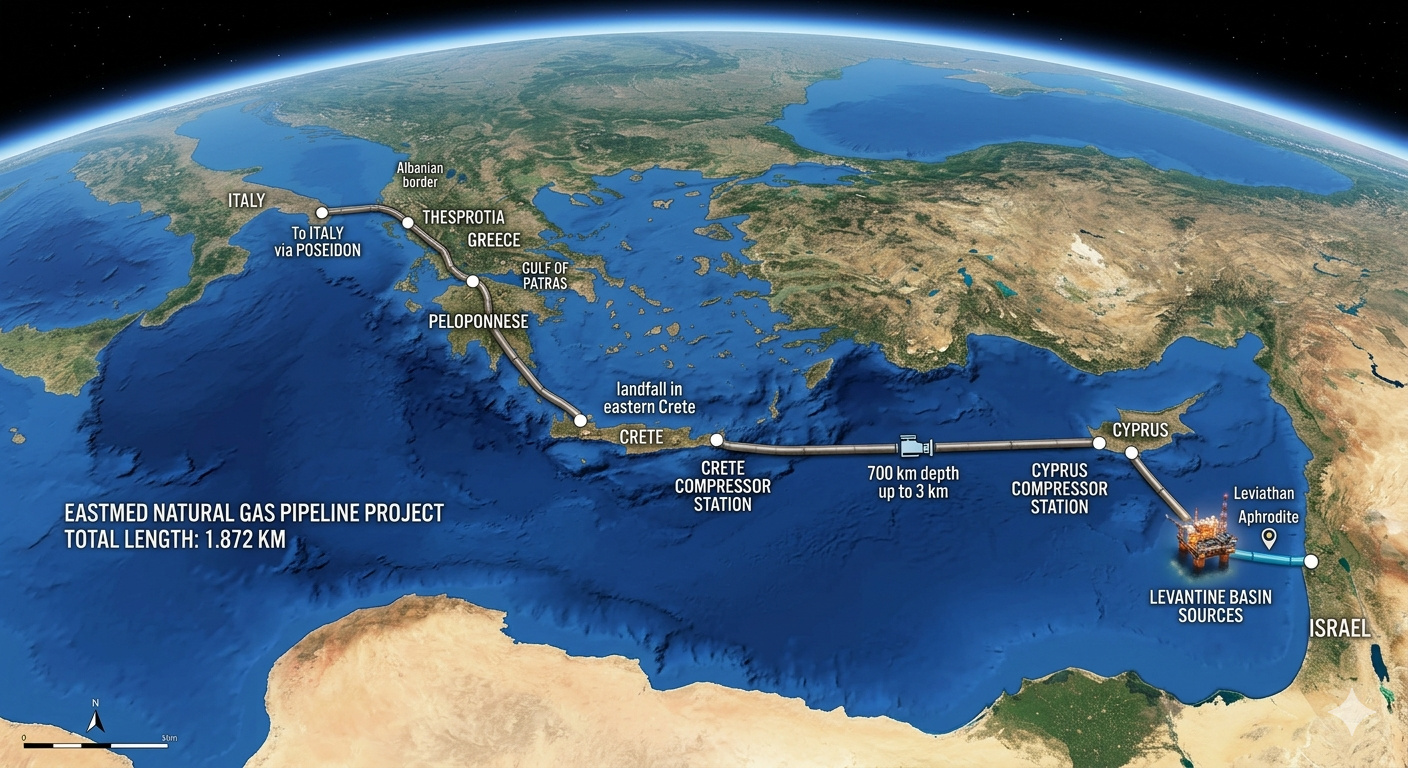
Israel, Greece, and Cyprus signed an agreement in 2020 to transport gas from the Mediterranean to Europe via a 1,872 km pipeline, but Turkey claimed sovereignty over part of the maritime route, and the project never materialized.
-
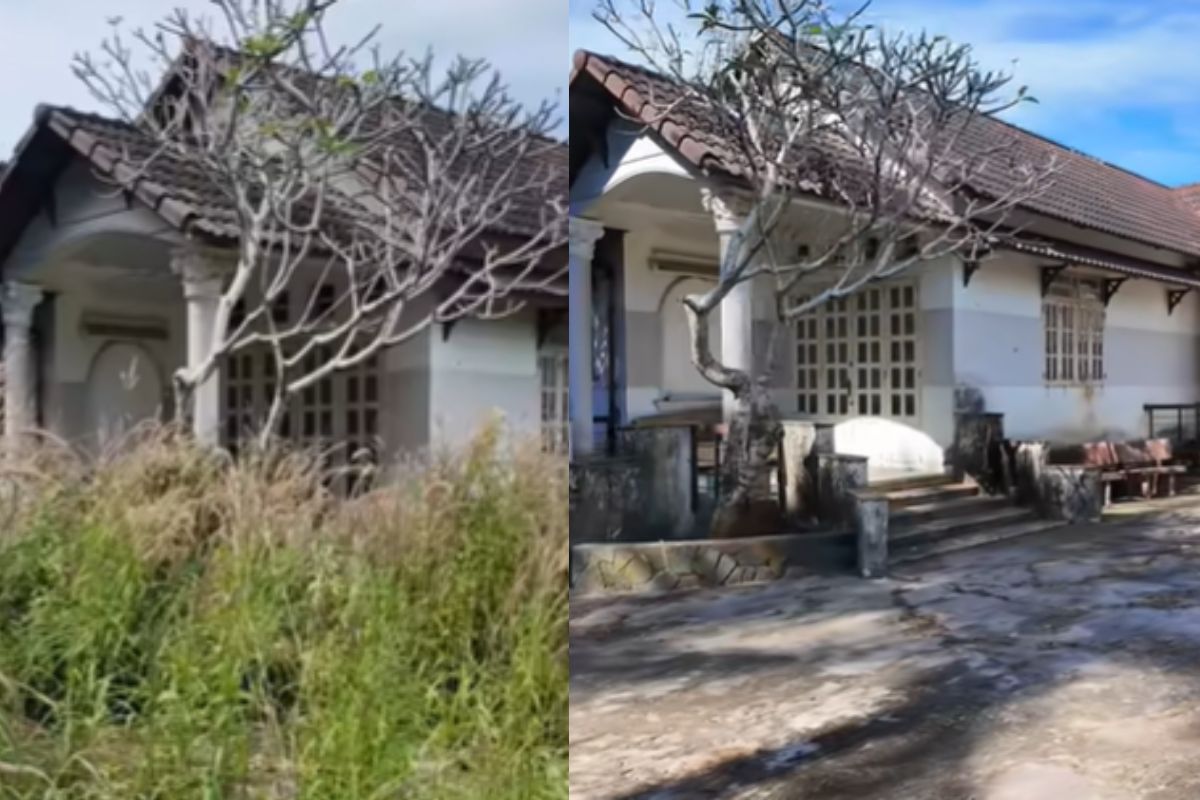
Abandoned house for 15 years disappears in the woods, shocks owner with unrecognizable scenery and is reborn in an intense transformation after almost 90 hours of work in just 10 days.
-
In just three hours, a natural stone floor transforms the entrance of the house with an organic effect, immediate drainage, and a sophisticated non-slip finish that doesn’t puddle water, dries quickly, and impresses with the final result.
-
‘Interlocking brick’ made of earth arrives in the construction industry with cost reductions of up to 40% on the project.


3. Crossing of the Paraná River and Hélio Cerejo Bridge
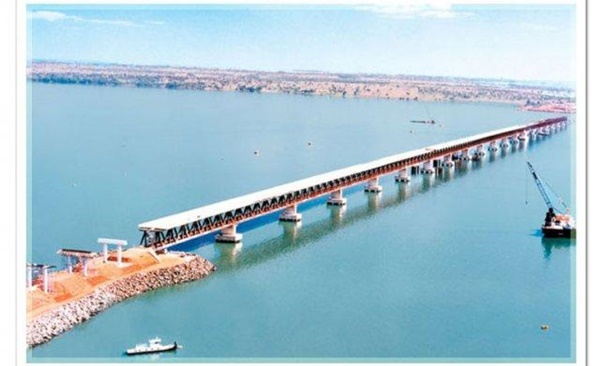
Completed in 1964, the crossing of the Paraná River, including the Hélio Cerejo Bridge, is a landmark in national integration and engineering. With a length of 2550 meters, the bridge connects the states of Mato Grosso do Sul and São Paulo, significantly reducing travel time and boosting the economic development of the region. This bold project was an example of technical achievement and advanced engineering.

4. Rolemberg Volo Road-Rail Bridge
The Rolemberg Volo Bridge, inaugurated in 1998, is the largest river bridge in Brazil, with a length of 3700 meters. Connecting São Paulo and Mato Grosso do Sul, this monumental structure was an engineering challenge that involved the use of advanced construction techniques and high-quality materials. The bridge plays a crucial role by allowing the simultaneous passage of freight trains and road vehicles, facilitating transportation and trade between the states.
5. Jirau Hydroelectric Power Plant
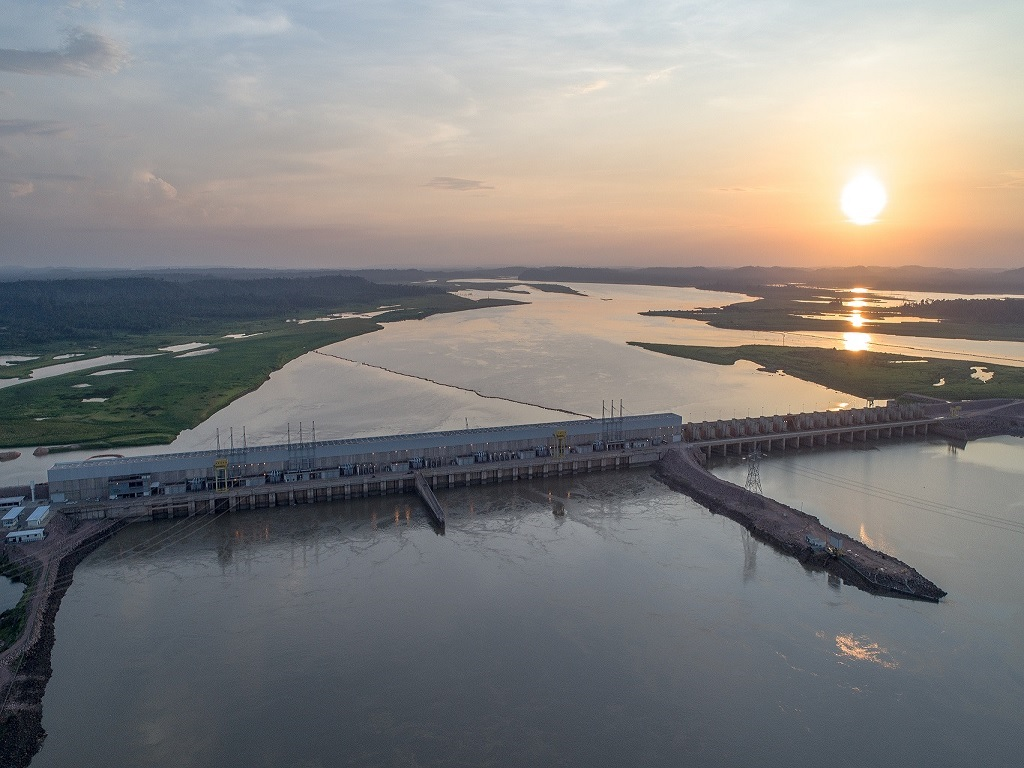
Located on the Madeira River, the Jirau Hydroelectric Power Plant is the fourth-largest electricity generator in Brazil, with an installed capacity of 3750 MW. With the ability to supply energy to over 40 million people, Jirau is essential to ensure the energy security of the country and promote sustainable development in the Amazon region. This project not only contributes to the Brazilian energy matrix but also represents a step forward in hydroelectric infrastructure.
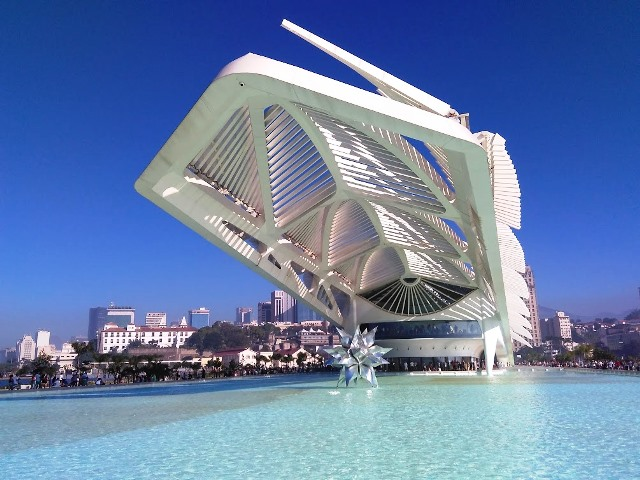
6. Museum of Tomorrow
The Museum of Tomorrow in Rio de Janeiro is an example of how modern architecture can be allied to science and education. Inaugurated in 2015 and designed by architect Santiago Calatrava, the museum offers an interactive experience about the future of humanity and sustainability. With its futuristic and innovative design, the Museum of Tomorrow is a remarkable addition to Brazil’s cultural and architectural landscape.
7. Banco do Brasil Cultural Center (CCBB) – Brasília
Although the CCBB in Brasília is known for its cultural programming, its architectural value is often underestimated. The building, designed by architect Marcos Tomanik, combines elements of modern architecture with traditional influences, creating a vibrant cultural space. Inaugurated in 1993, the center is an example of how architecture can enrich a city’s cultural life, providing a space for exhibitions, theaters, and cultural events.

These seven constructions represent just a fraction of Brazil’s impressive achievements in terms of architecture and infrastructure. Each of these constructions contributes uniquely to the development and transformation of the country, reflecting the innovation and progress present in its ongoing evolution.







-

Uma pessoa reagiu a isso.