






 Portuguese
  Spanish
  3 min of reading
  0 comments


Rise of BYD: From Battery Manufacturer to Global Leader in Electric Vehicles
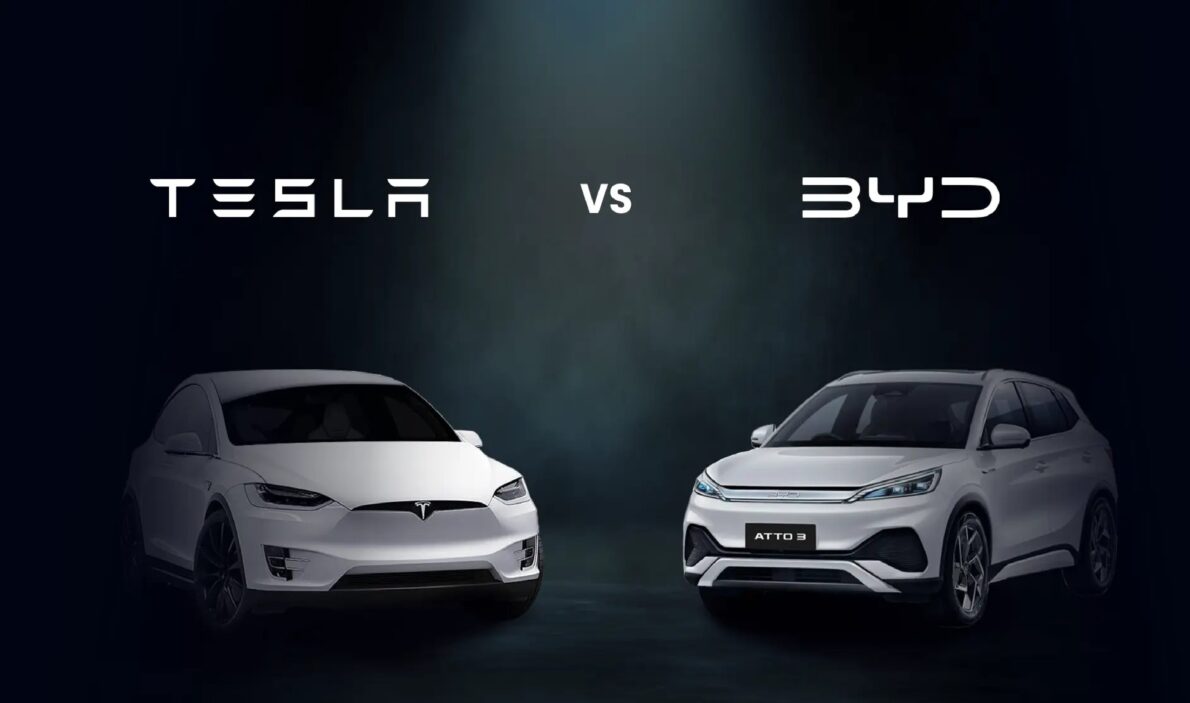
In recent years, you have probably seen or heard about BYD cars. This Chinese giant, which started as a battery manufacturer, has now surpassed Tesla as the world’s largest seller of electric vehicles. In just four decades, the Chinese automotive industry has gone from nearly non-existent to one of the largest global producers, with the potential to dominate a market that could be worth US$ 8.8 trillion by the end of the decade. The battle for leadership is not just a competition between brands, but also a rivalry between two of the world’s largest powers: China and the United States, according to a video from the Market Makers channel.
The Humble Beginning and the Ambitious Vision
Founded in 1995 by Wang Chuanfu in Shenzhen, BYD, which stands for “Build Your Dreams”, was born with the goal of revolutionizing battery production in China. Wang, a visionary with a background in chemistry and engineering, started his career as a researcher and assistant professor at Beijing University of Technology. With a passion for innovation, he founded BYD, initially focusing on the production of rechargeable batteries for cell phones, securing major clients like Motorola, Nokia, and Samsung.

Entry into the Automotive Market and Global Expansion
In 2003, BYD surprised everyone by acquiring Xi’an Tsinchuan Automobile, entering the automotive market. The first car launched was the F3, which quickly gained popularity in China. However, the major turning point came in 2008, with the launch of the F3 DM, a plug-in hybrid that marked BYD’s entry into the electric vehicle market. Despite early challenges, the company continued to invest in research and development, believing in the potential of electric vehicles.
-
New 0km electric car costs less than R$ 50,000 with an 18 hp engine, carries up to 6 people, travels over 100 km per charge, recharges in a regular outlet, and surprises by dispensing with airbags and limiting speed to 50 km/h in Mexico.

-
Pressure from residents forces a U.S. energy utility to suspend negotiations with a data center that could require 500 megawatts by 2032 and demand new lines, reinforcements in the power grid, and large infrastructure investments.

-
New Honda HooRide 125 scooter debuts in China with ADV styling, 17-inch wheels, TFT panel, Smart Key, and fuel consumption of up to 47.17 km/l, aiming to resemble an urban X-ADV with a 125 engine, CVT transmission, and an economical proposal for cities.

-
Volkswagen focuses on ethanol and tests a Saveiro 100% alcohol-powered with a recalibrated engine; the project may ensure tax reduction, targets corporate fleets, and revives technology that lost ground since the arrival of flex-fuel vehicles in 2003.


Battery Innovation and Support from Strategic Investors
One of BYD’s strengths is its ability to innovate in batteries. In 2020, the company launched the Blade Battery, an innovation in lithium iron phosphate, which is safer, more durable, and cost-effective. Additionally, the strategic decision to focus on vertical integration allowed BYD to produce 75% of its car components in-house, including batteries, motors, and chips. This not only reduced costs but also increased efficiency and quality control.
BYD’s growth strategy was meticulously planned, initially focusing on market segments like taxis and bus fleets, before entering the consumer market. Over time, the quality of its vehicles improved, and sales increased, driven by popular models like the Han and the Tang. In 2023, BYD became the number one brand in China, with an 11% market share and 2.4 million new vehicles sold.
Challenges and Rivalry with Tesla
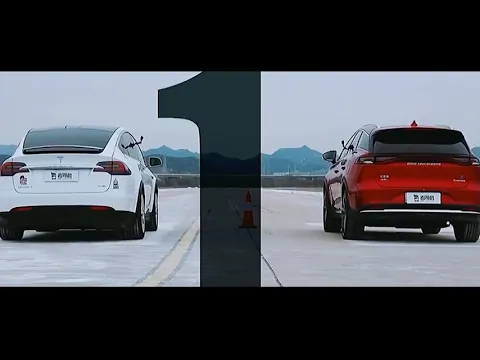
The rivalry between BYD and Tesla is one of the most intriguing in modern automotive industry. Elon Musk initially underestimated the Chinese competitor, but the reality is that BYD is outperforming Tesla in several aspects, especially in the Chinese market. In 2023, BYD produced over 3 million new energy vehicles, compared to Tesla’s 1.84 million. While Tesla had to cut prices to maintain sales, BYD continued to grow without such drastic measures.
BYD’s expansion has not been limited to China. The company quickly established itself in international markets such as Brazil, Latin America, Southeast Asia, and Europe. In 2023, BYD’s exports grew by 334%, reaching 276,000 vehicles sold in 70 countries. With an efficient production and distribution network, BYD is well-positioned to continue its global growth, challenging major powers like the United States and Europe.



-

1 person reacted to this.