





 Portuguese
  English
  Spanish
  3 min of reading
  11 comments


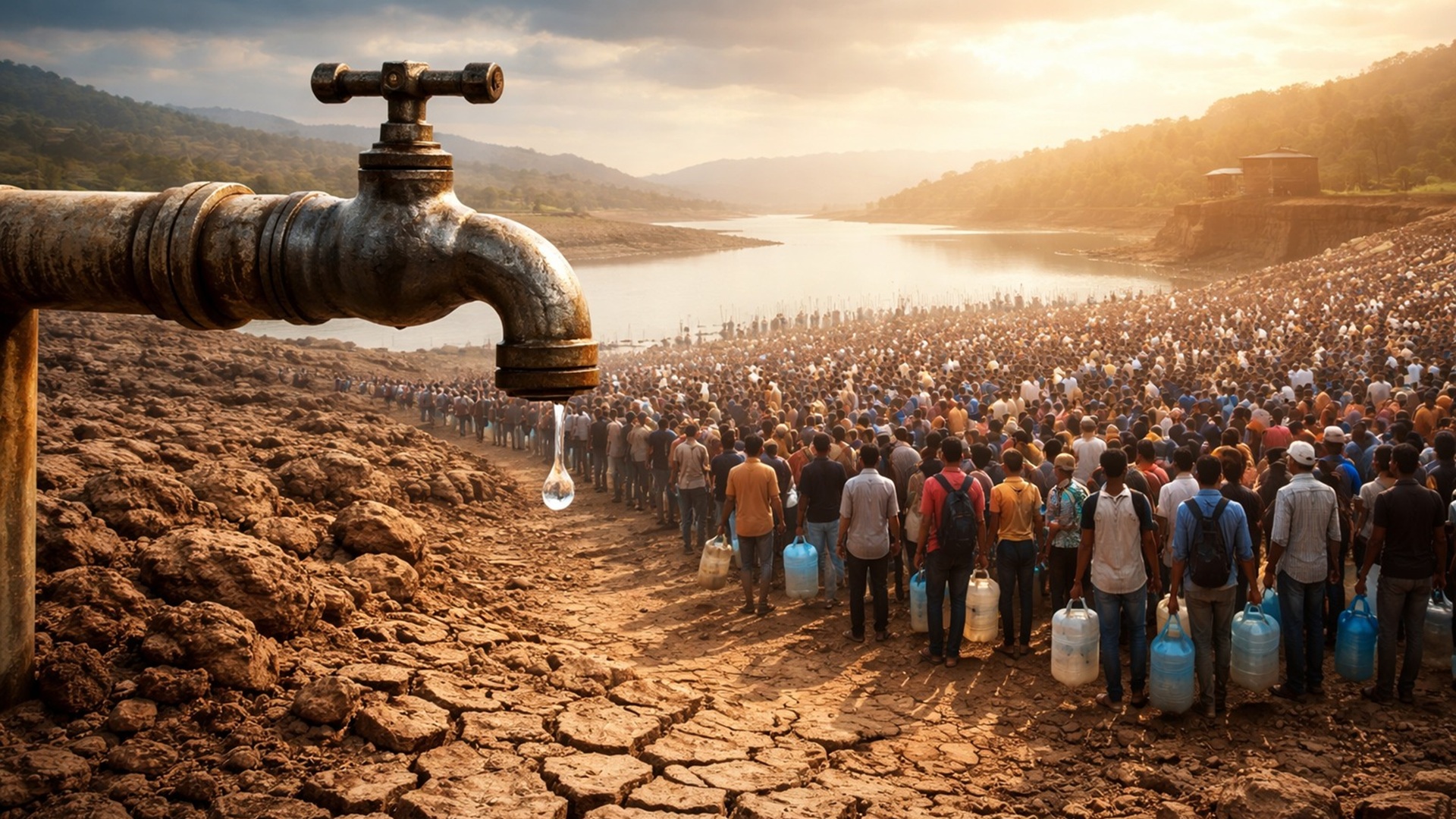


Based on Global Climate Simulations With SSP3-7.0 and SSP2-4.5 Scenarios, the Study Projects That Zero-Day Drought Events Could Affect 35% of Vulnerable Regions in Up to 15 Years, Putting Pressure on Cities, Rural Areas, Reservoirs, and the Water Supply for Up to 750 Million People by 2100
Published climate simulations in Nature Communications indicate an acceleration of Zero-Day Drought, when demand exceeds water supply, potentially threatening up to 750 million people by 2100, according to a study by the Climate Physics Center of IBS in South Korea.
What Is Zero-Day Drought and Why Does It Matter
Zero-Day Drought, or ZDD, defines the point at which local water demand exceeds the available supply from rain, rivers, and reservoirs. The concept allows for the identification of critical supply limits before the collapse of water systems.
Recent events in major cities have demonstrated urban vulnerability to water shortages. Early identification of these limits is considered essential for planning water management in urban and rural regions, as described in the study.
-
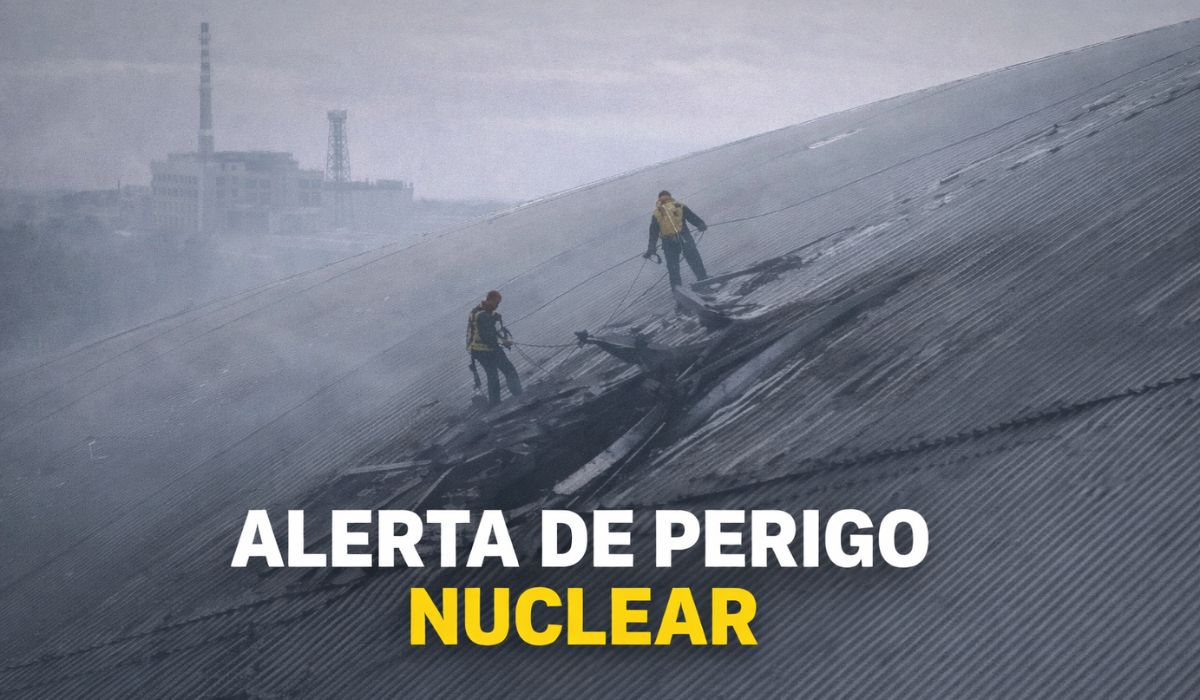
The gigantic steel shell built to contain Chernobyl for a century has been pierced by a drone, exposing a critical system and creating a hole that could cost over 500 million euros to repair.
-
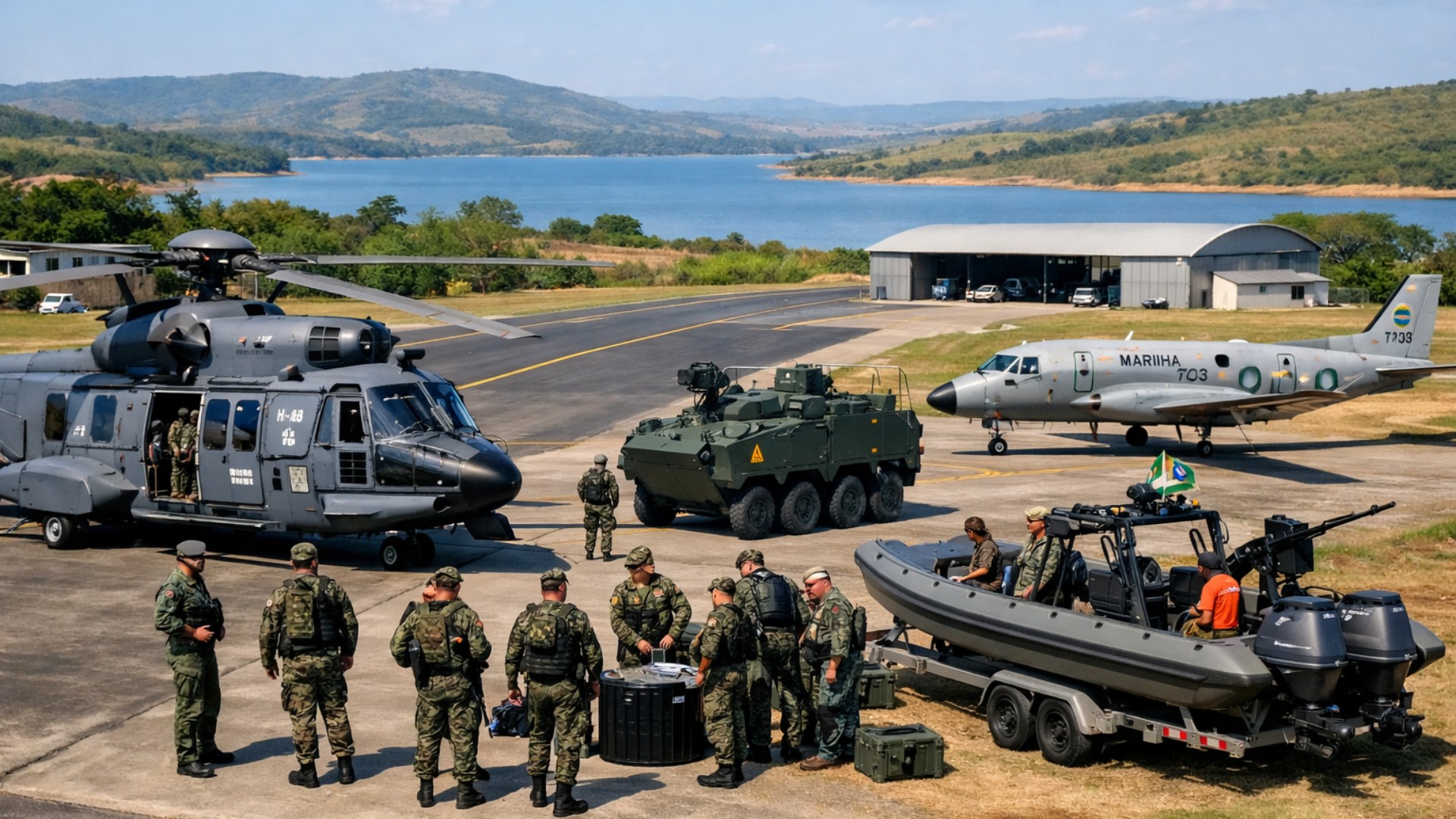
Brazilian Navy reaches a new level by taking over an airport with a 1,600-meter runway used by 1,800 military personnel and autonomous attack drone testing.
-
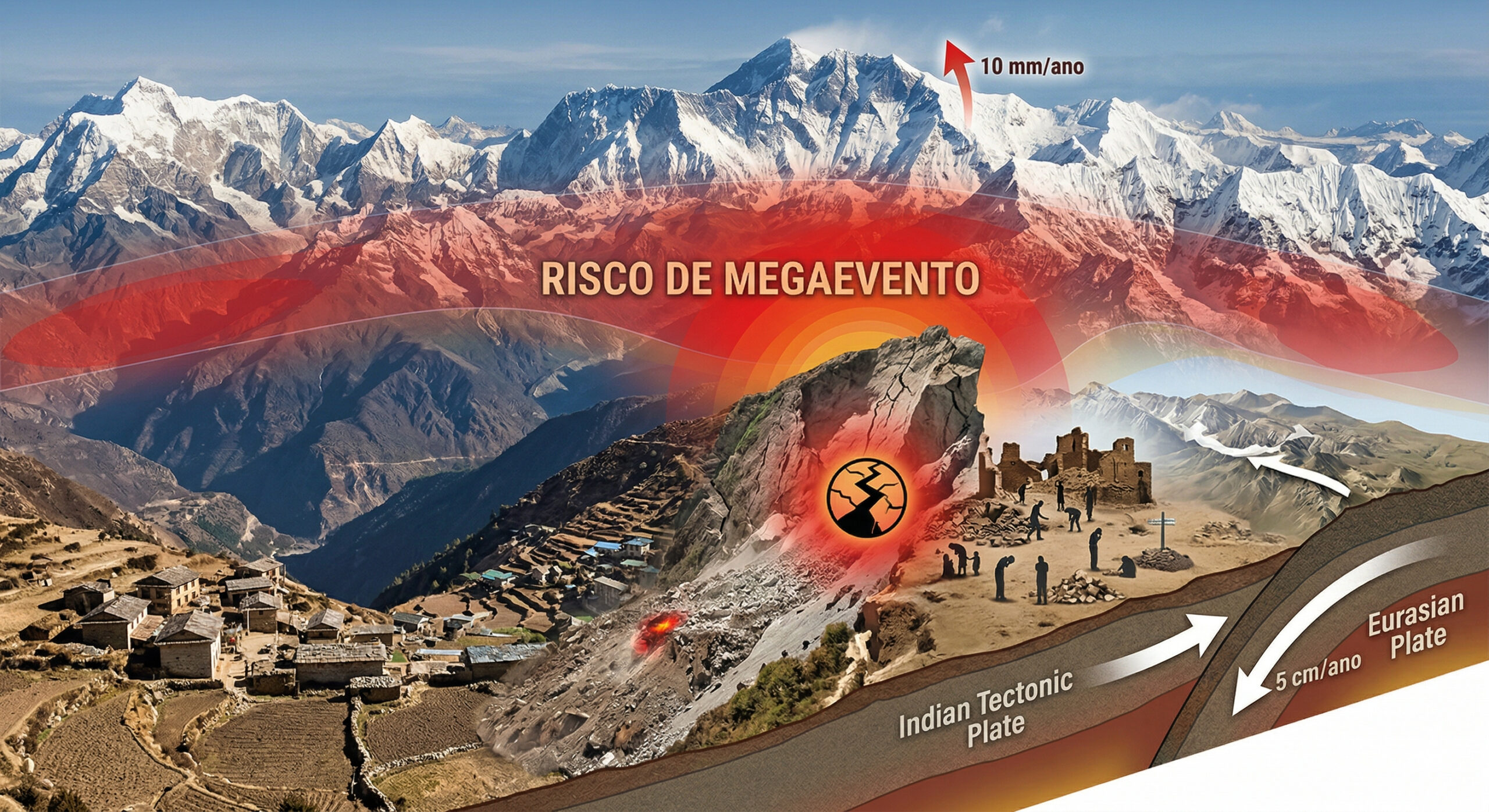
The Himalayas continue to grow to this day, with tectonic plates advancing 5 cm per year, mountains rising up to 10 mm annually, and the 2015 earthquake that killed 9,000 people may have increased the risk of an even larger seismic mega-event.
-
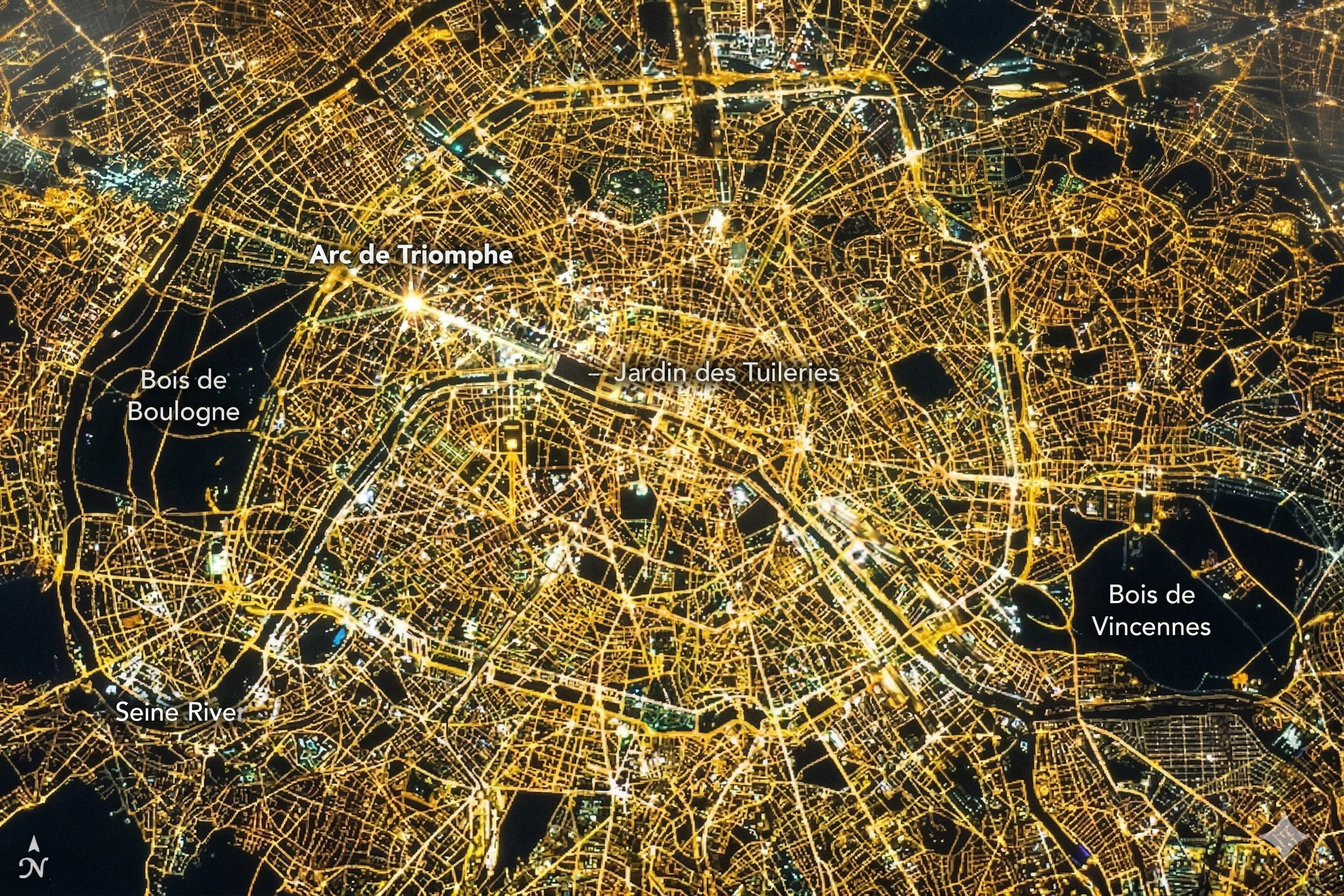
At an altitude of 400 km by astronauts from the International Space Station, Paris transforms at night into a golden mesh so precise that it reveals the outline of the Seine River, avenues, and entire neighborhoods like a luminous map drawn over the Earth.

Methodology and Analyzed Climatic Scenarios
The team used simulations from state-of-the-art climate models, based on greenhouse gas emission scenarios SSP3-7.0 and SSP2-4.5. The analyses integrated prolonged rainfall scarcity, declining river flow, and increasing water use.
The goal was to estimate when local demand would exceed the available supply, characterizing the first emergence of ZDD conditions. The results indicate that these events will occur much earlier than previous estimates suggested.
Most Exposed Regions and Risk Timeline
The simulations identified clear critical points of ZDD in the Mediterranean, southern Africa, and parts of North America. In these areas, cities and communities face elevated risk due to the combination of drier climate and high water demand water.
According to the study, ZDDs are likely to emerge in 35% of vulnerable regions within the next 15 years. By the end of the century, conditions could threaten about 750 million people worldwide.
Differentiated Impact Between Urban and Rural Areas
Of the projected total of people exposed to ZDD, about 470 million live in urban areas and 290 million in rural regions. The Mediterranean region has the highest urban exposure, according to the presented projections.
In contrast, North and South Africa, as well as parts of Asia, face the most severe rural impacts. In these areas, direct dependence on local water resources increases community vulnerability.
Reservoirs, Infrastructure, and Means of Livelihood
The study points out that global warming accelerates the occurrence of ZDD on a global scale. Even if the goal of keeping warming to 1.5 °C is met, hundreds of millions of people would still face unprecedented scarcity.
According to the presented calculations, 14% of major water reservoirs could dry up during their first ZDD events. This scenario implies severe impacts on livelihoods and water security.
Statements from the Authors and Immediate Implications
The first author, Ms. Ravinandrasana, states that Zero-Day droughts are no longer a distant scenario and are already occurring. Without immediate adaptation and sustainable water management, the risk is likely to rapidly increase.
The corresponding author, Prof. Christian Franzke, highlights that worsening hydrological stress raises the likelihood of reservoir collapse. The lack of immediate responses could lead to an unprecedented future water scarcity.
Reference and Institutional Support
The study “The First Emergence of Unprecedented Global Water Scarcity in the Anthropocene” was published on September 23, 2025, in Nature Communications, by Vecchia P. Ravinandrasana and Christian L. E. Franzke.
The research was conducted at the Climate Physics Center of the Institute of Basic Sciences and was supported by the Basic Science Institute of the Republic of Korea and the National Research Foundation of Korea, reinforcing the institutional base of the work.








Aq em registro sp a coisa ta **** em varios bairros na zona rural esta sem agua. Aq em casa mesmo sendo zona rural e o poço sendo perto de um rio o poço esta seco, inclusive o rio q dava 2 metros de fundura em 2015 agora em 2026 esta com menos de 10cm de fundura considerado seco e se fosse só meu poço seco. É todos os bairros aq estão seco… Só deus na causa
No final, Thanos estava certo.!!
Deus Jeová deu o livre arbítrio para o homescolher ou o bem ou o mal.Aquele que plantar colherá!
Blablablablabla…