





 Portuguese
  English
  Spanish
  6 min of reading
  1 comment


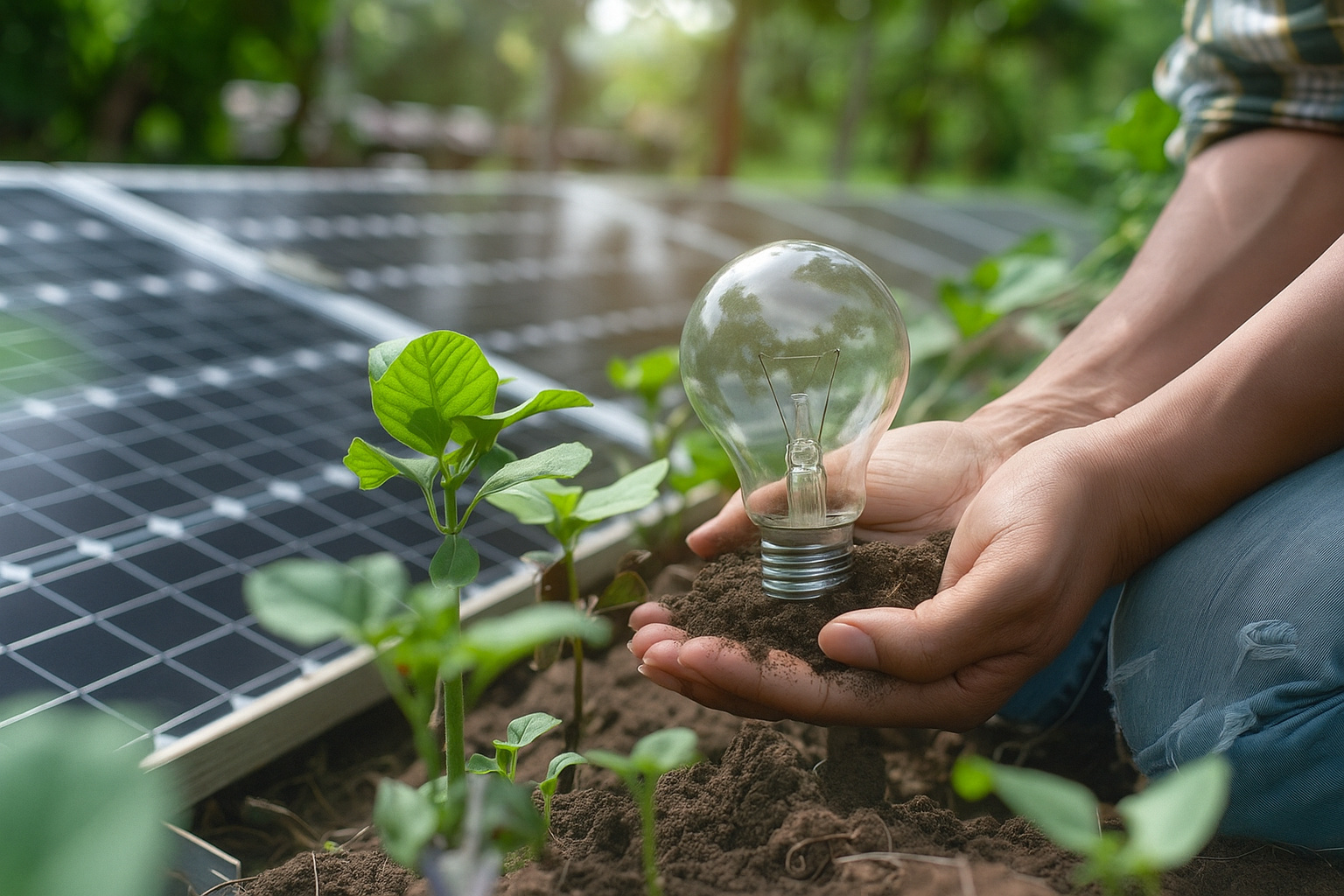

Discover Why The Use Of Renewable Energy Is Growing In Importance In Brazil, But Still Faces Challenges To Reach The Routine Of Most Of The Population.
The use of renewable energy is attracting more and more attention in Brazil and around the world. In fact, the concern for the environment and the search for clean alternatives for power generation are gaining ground in conversations, public policies, and business decisions.
However, there is still a significant gap between the appreciation of renewable sources and their adoption in everyday life.
A survey by Demanda Pesquisa e Desenvolvimento de Mercado, within the study “ESG Trends 2025,” shows that 76% of Brazilians consider the use of renewable energy important, but only 26% put this habit into practice.
-
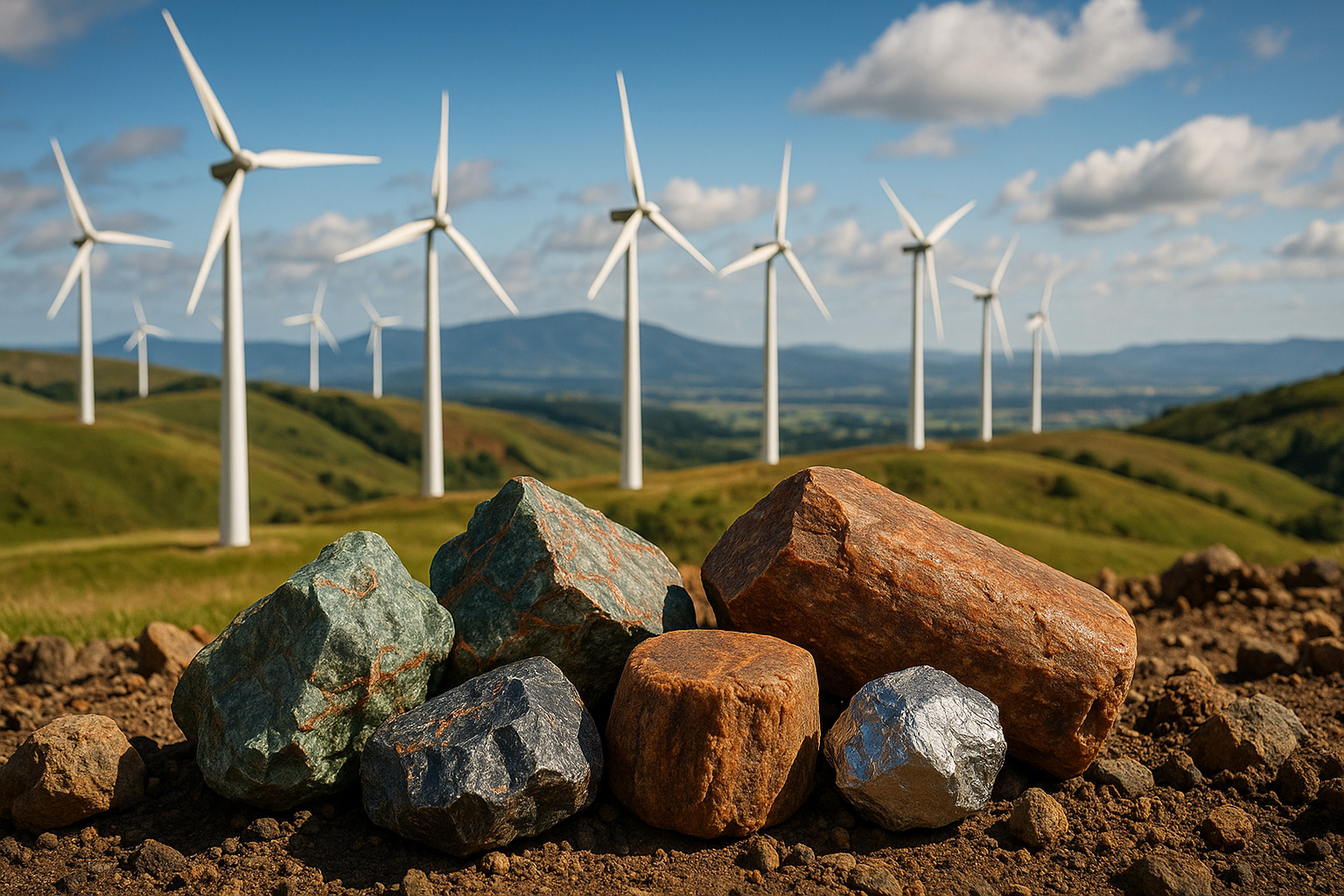
The Brazilian state accelerates industrial competitiveness with a focus on the extraction of strategic minerals to boost the energy transition in Goiás.
-
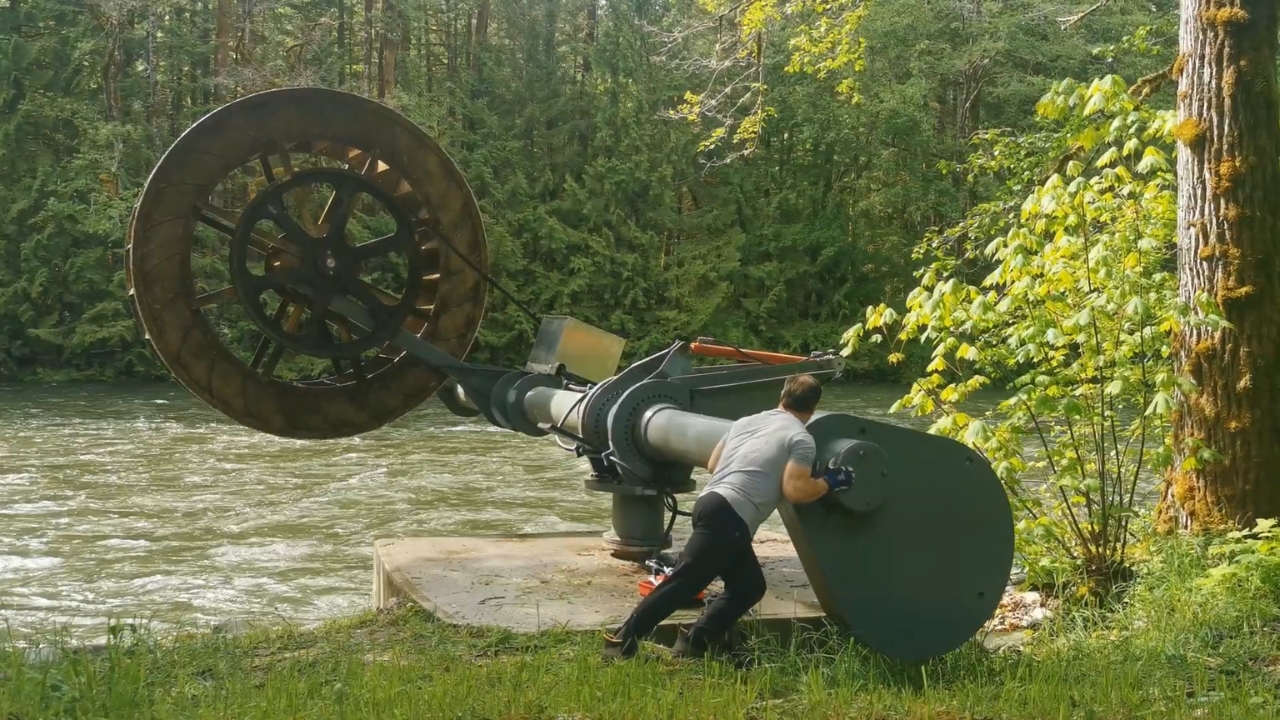
A Canadian retiree creates a hydroelectric system on a real river, generating energy continuously throughout the day and demonstrating how the power of water can supply a house with stability even in a simple structure.
-
Petrobras reaffirms its commitment to the market and ensures that it will carry out the energy transition safely to maintain national sovereignty.

-
Researchers discover a possible hydrogen deposit of up to 46 million tons beneath an ancient coal basin, and the volume could exceed half of the entire global production.


Therefore, this difference of 50 percentage points becomes the largest gap among the 24 sustainable habits evaluated in 13 countries.
Thus, the distance between discourse and action demonstrates that, although Brazil has a relatively clean energy matrix, there are still economic, informative, and cultural barriers that hinder the expansion of renewable sources in the daily lives of the population.
A Country With A Calling For Clean Energy
Historically, Brazil has a privileged relationship with renewable energies. Since the construction of large hydropower plants in the 20th century, the country has utilized natural sources to generate electricity.
Furthermore, the use of rivers, solar light, and wind has always represented a strategic asset for national development.
During the 1970s and 1980s, amid the oil crisis, the government created the National Alcohol Program (Proálcool), which encouraged the replacement of gasoline with ethanol.
Thus, this pioneering initiative in the search for cleaner energy marked the beginning of a sustainable energy awareness, even though it was motivated by economic needs.
In the 2000s, wind and solar energy began to gain momentum. Thanks to public incentives, auctions, and technological advancements, these sources became more accessible.
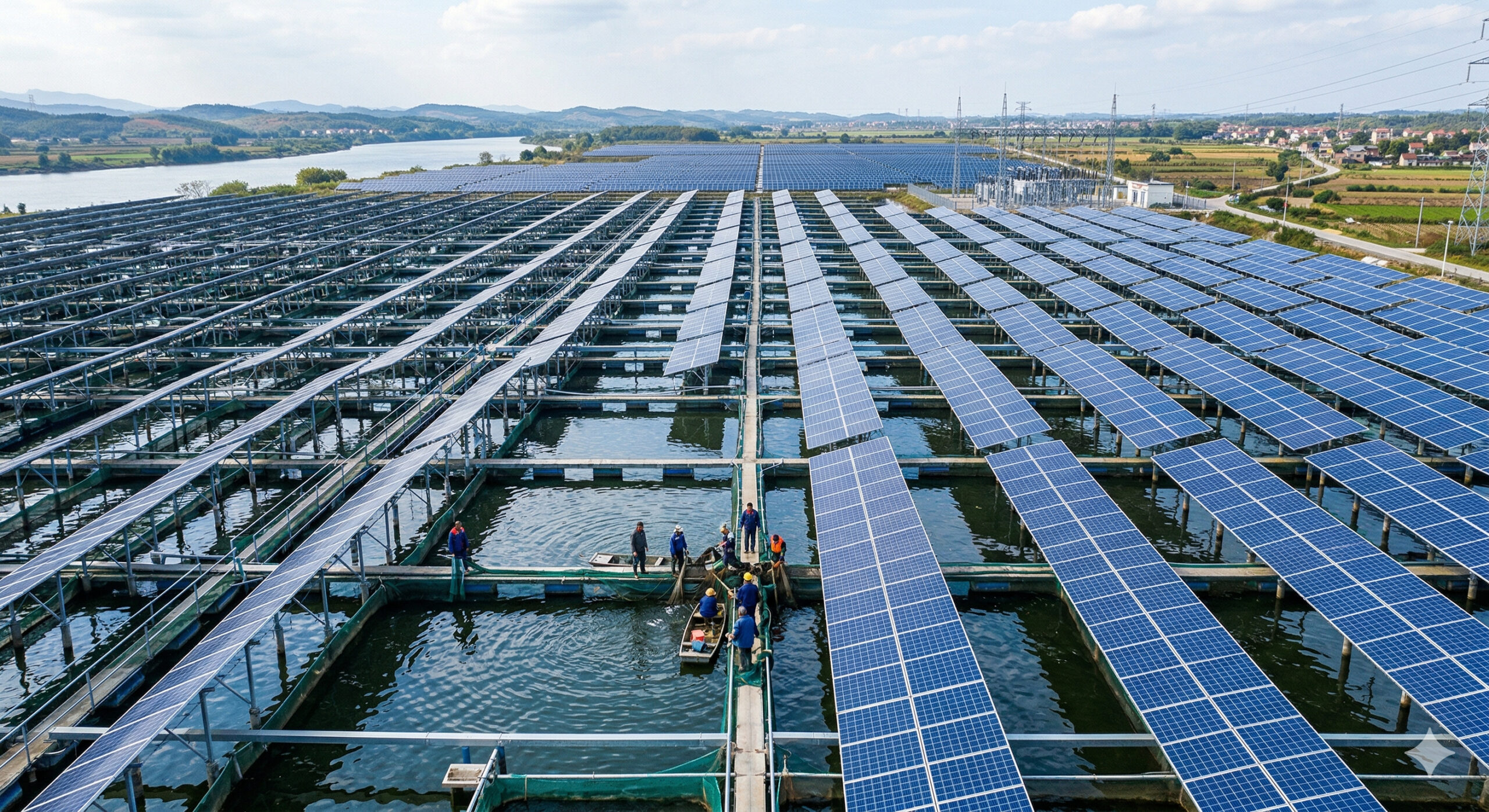
As a result, Brazil is currently among the largest producers of wind energy in Latin America and leads the growth of distributed solar energy, driven by photovoltaic panels in homes and businesses.
Despite the progress, access remains unequal. While some people recognize the value of clean sources, many still face financial difficulties or lack of information to adopt them.
In addition, this difference between appreciation and practice also has historical and social roots. Regions with older energy infrastructure rely on traditional sources, such as diesel and natural gas.
On the other hand, in urban areas, the energy transition advances more quickly, driven by local policies and specialized companies.
Challenges And Opportunities In The Use Of Renewable Energy
According to Silvio Pires de Paula, president of Demanda Pesquisa, the difference between what Brazilians consider important and what they actually practice results from a combination of economic and informative factors.
Limited access to clean energy suppliers, the perceived high cost, and a lack of information about viable alternatives still hinder the change.
While simple actions, such as reducing energy consumption or avoiding food waste, are already part of most people’s routines, measures that require an initial investment — such as installing solar panels — remain less common.
On the other hand, the perception that renewable energy is expensive or difficult to implement is beginning to change.
With new public policies and technological advances, renewable sources are becoming more competitive and accessible.
In recent years, the cost of solar systems has significantly dropped, and credit lines aimed at energy efficiency have expanded.
Additionally, the advancement of the free energy market is transforming the landscape, allowing companies and consumers to contract directly with renewable energy suppliers, offering more advantageous and predictable rates.
In this context, the digitalization of the electricity sector, driven by the energy transition 4.0, further accelerates this transformation.
Remote monitoring tools, smart meters, and integration of networks make consumption more transparent and help plan the rational use of electricity.
Information, Culture, And Energy Awareness
The challenge of increasing the use of renewable energy in Brazil is not only technological but also cultural and informative.
Many people wish to contribute to sustainability, yet they still do not know how to act practically.
Energy education remains a weak point.
There is a lack of clarity about the workings of renewable sources, the installation costs, the financial return, and the environmental impacts.
In many cases, investing in solar energy pays off in just a few years; however, this information does not always reach the consumer in an accessible manner.
Additionally, Adriana Hansen, director of Sustainability at CTE, emphasizes that new regulations should drive change.
The CGIEE Resolution No. 4 stipulates that, starting in 2027, public buildings will require energy efficiency labeling.
By 2030, this requirement will extend to private buildings.
Therefore, this measure is likely to increase awareness of consumption and encourage the use of sustainable technologies.
As a result, awareness tends to grow as the cost of conventional energy rises and the impacts of climate change become more visible.
Brazilian consumers, in turn, tend to react when they see practical and financial value in their decisions.
Thus, connecting environmental discourse with concrete benefits is essential to stimulate new behaviors.
Moreover, corporate communication plays a decisive role.
Brands that invest in clean energy and demonstrate how they reduce their carbon footprint strengthen their reputation and influence consumer behavior.
The Economic Reflection Of Sustainable Choices
Another point revealed by the research is that the most practiced sustainable actions by Brazilians are directly linked to the household budget.
Avoiding food waste, reducing energy consumption, and only buying what is necessary are attitudes that bring immediate financial benefits.
Consequently, this behavior shows that, although environmental awareness is growing, financial motivation still drives most habit changes.
Therefore, the transition to renewable sources needs to be seen as an economic opportunity.
With the drop in the price of solar equipment and the emergence of new financing modalities, investing in clean energy becomes a rational decision.
Thus, companies and homes that adopt photovoltaic systems reduce electricity costs and increase the value of their properties.
Moreover, the renewable energy sector generates jobs at a rapid pace.
It requires skilled labor, especially in the installation and maintenance phases.
According to the International Renewable Energy Agency (IRENA), Brazil is already among the largest employers in the sector in Latin America.
Therefore, this trend is expected to intensify as new solar, wind, and biogas projects expand throughout the country.
A Sustainable Future In Construction
Brazil has unique conditions to lead the global energy transition.
The wide availability of natural resources, the predominantly renewable electricity matrix, and the potential for expanding clean technologies place the country in a strategic position.
However, for the use of renewable energy to reach the majority of the population, the country needs to increase incentives, facilitate access to financing, and invest in environmental and energy education.
The integration between government, companies, and civil society is essential.
As sustainability consolidates as an economic and cultural value, the need to transform awareness into concrete practice increases.
Adopting renewable energy is not only an act of environmental preservation but also a smart choice for the future.
It reduces costs, improves efficiency, generates green jobs, and strengthens balanced development.
Additionally, strengthening energy cooperatives, providing incentives to isolated communities, and advancing storage technologies — such as lithium and green hydrogen batteries — are shaping the next chapter of the Brazilian energy story.
Thus, these solutions increase consumer autonomy and reinforce the country’s energy security.
The study “ESG Trends 2025” reveals a Brazil in full energy transition.
Brazilians value the use of renewable energy, but still face economic and informative barriers to applying it broadly.
The good news is that the scenario is changing rapidly.
With technological evolution, the free energy market, and energy efficiency policies, access to clean sources grows each year.
Thus, more than a trend, renewable energy represents the path to a sustainable future, where economy and environment walk hand in hand.
Therefore, the challenge now is to transform environmental awareness into daily action, bridging intention and practice and consolidating Brazil as a global reference in clean energy.








Fui diagnosticada com doença de Parkinson há quatro anos. Por mais de dois anos, dependi da levodopa e de vários outros medicamentos, mas, infelizmente, os sintomas continuaram piorando. Os tremores se tornaram mais perceptíveis e meu equilíbrio e mobilidade começaram a declinar rapidamente. No ano passado, por desespero e esperança, decidi experimentar um programa de tratamento à base de ervas da NaturePath Herbal Clinic.
Sinceramente, eu estava cética no início, mas, poucos meses após o início do tratamento, comecei a notar mudanças reais. Meus movimentos ficaram mais suaves, os tremores diminuíram e me senti mais firme ao caminhar. Incrivelmente, também recuperei grande parte da minha energia e confiança. Tem sido uma experiência transformadora. Me sinto mais eu mesma novamente, melhor do que me sentia há anos. Se você ou um ente querido está lutando contra a doença de Parkinson, recomendo muito que você considere a abordagem natural deles. Você pode visitar o site deles em www. naturepathherbalclinic .com