





 Portuguese
  English
  Spanish
 5 min of reading
  0 comments


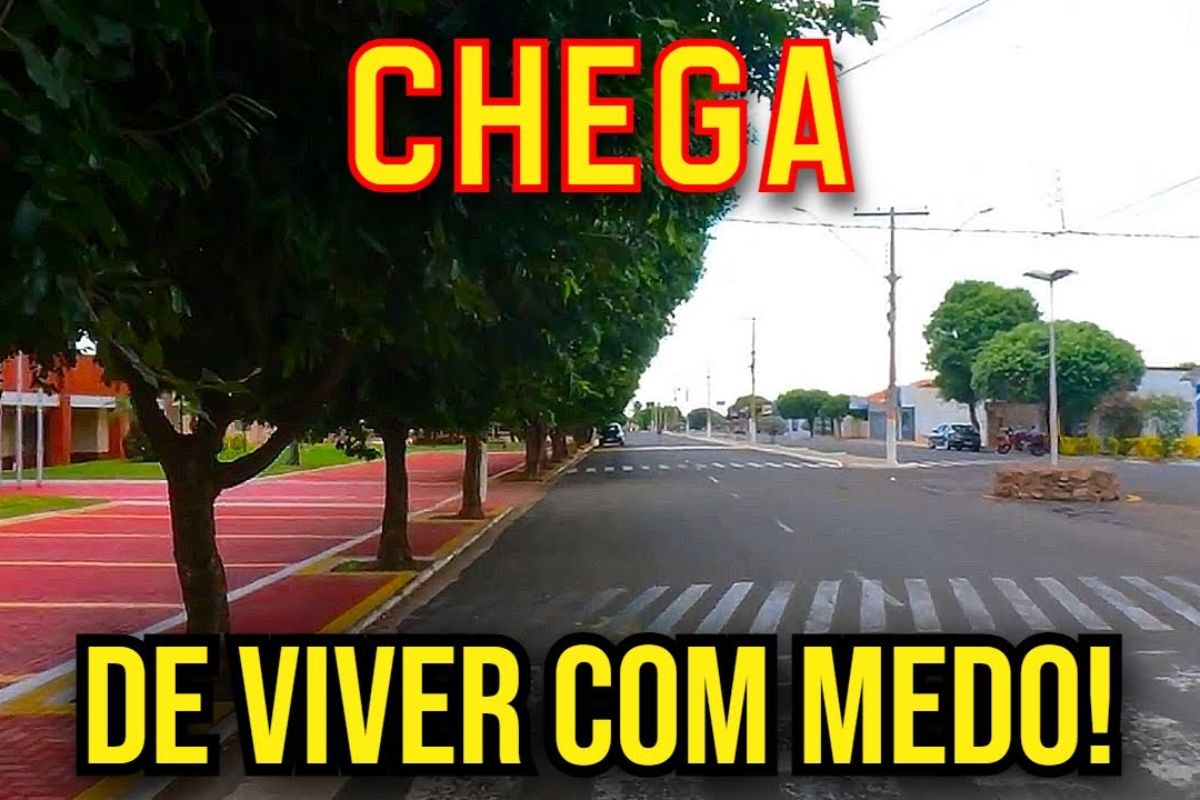
The So-Safe Cities of the Interior of São Paulo Catch Attention for the Tranquil Routine, Children in the Streets and Real Sense of Peace, with Close Neighborhood, Low Crime Occurrence and Quick Access to Regional Poles
Eight so-safe cities in the interior of São Paulo have become a reference for those looking to live in calm, raise children on the street, and regain a sense of belonging. The profile is of small, well-maintained municipalities close to major cities, which facilitates services and travel without sacrificing everyday safety.
In daily life, the reports repeat: occupied squares, nearby commerce, tree-lined streets, and little urban stress. For many, the decision to migrate is not just about cost of living. It is about quality of life, shorter commuting time, and an active community support network that helps explain why these places feel “like another world”.
Santo Expedito: Open-Door Routine Near Presidente Prudente
The city of Santo Expedito stands as a synonym of a lively street and a neighborhood where everyone knows each other by name.
-
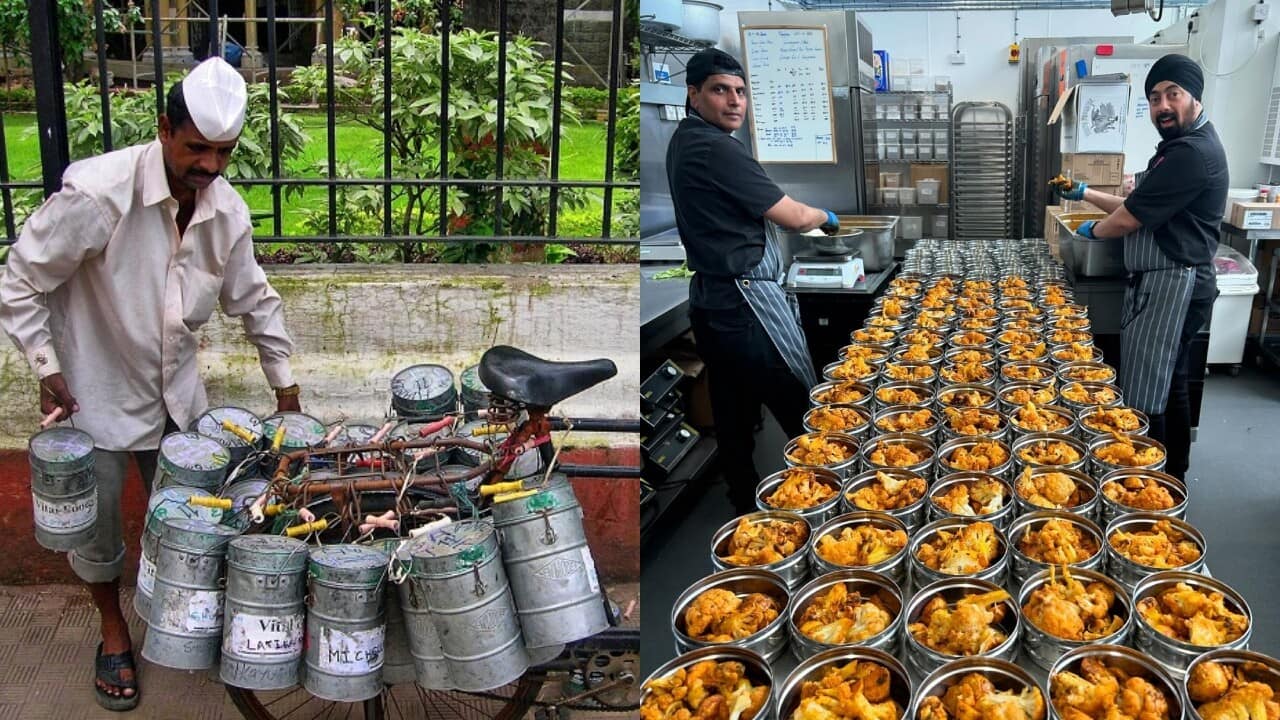
How 5,000 Indian dabbawalas manage to deliver around 200,000 lunchboxes a day in Mumbai for over 130 years using bicycles, crowded trains, and a manual system that continues to operate with impressive accuracy.
-
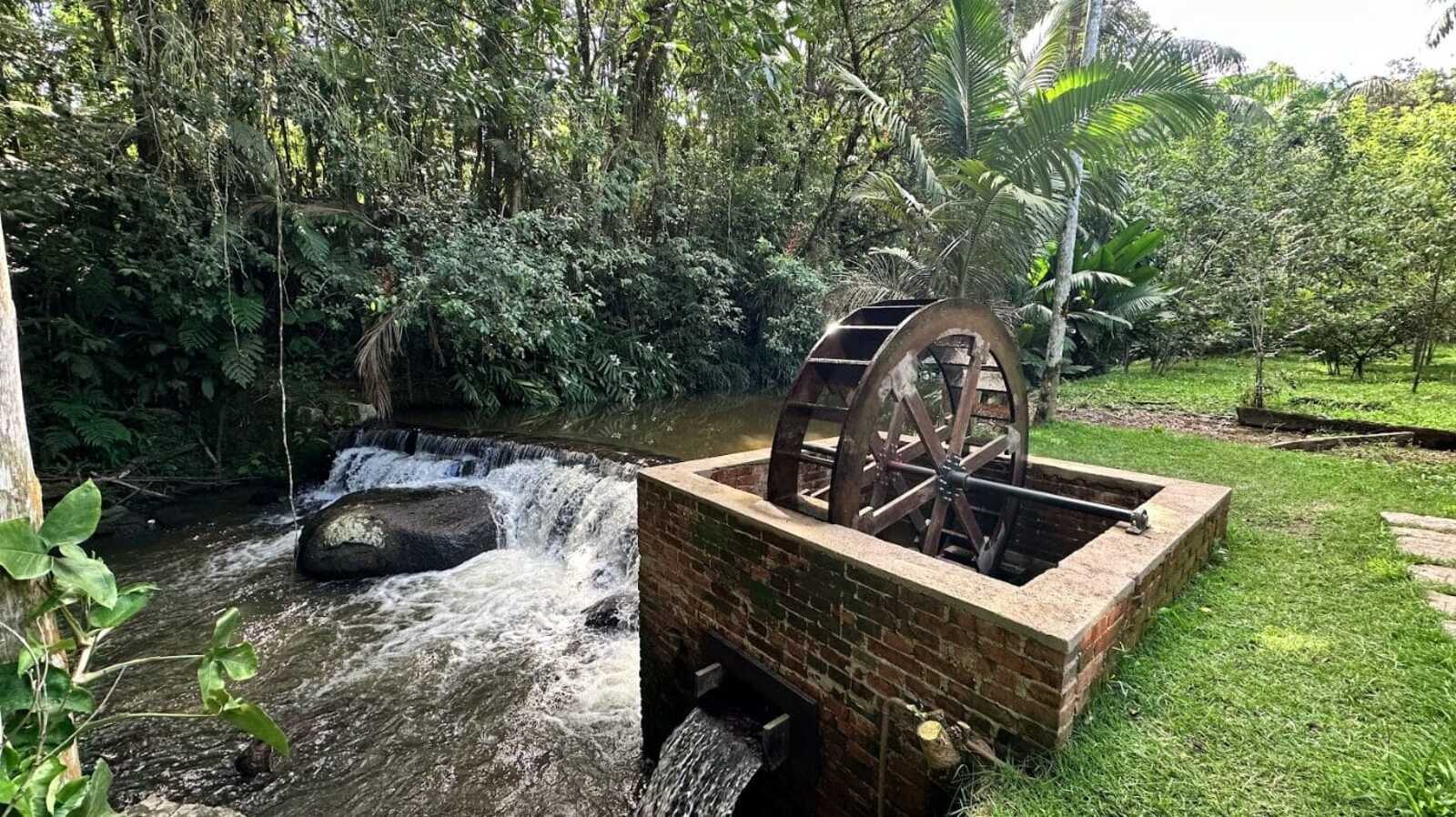
While restoring a historic mansion from 1910, a brick structure with an old turbine that generated energy from the Rio do Testo emerged, along with a hidden door and a rare floor concealed under layers of wax.
-
Italian researchers have detected what appears to be a second Sphinx buried under the sands of Egypt, and satellite scans reveal a gigantic underground megastructure hidden beneath the Giza Plateau for over 3,000 years.

-
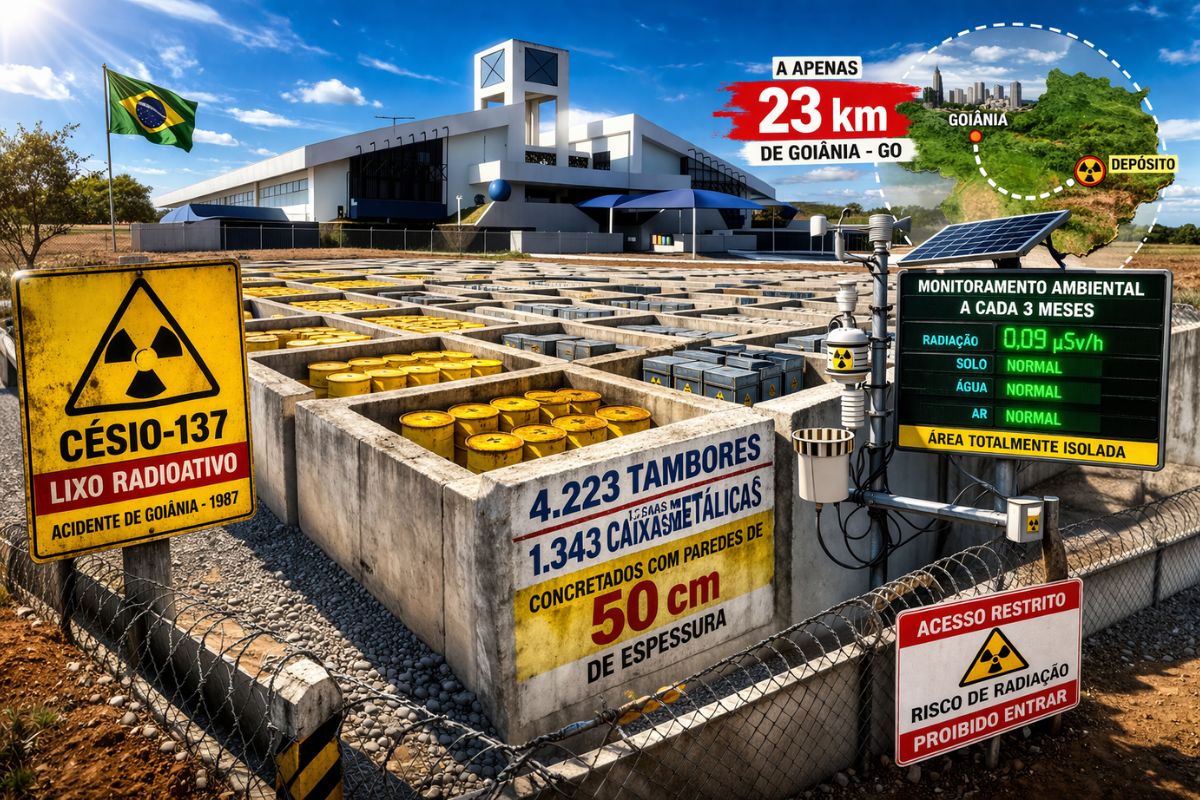
There are 4,223 drums and 1,343 metal boxes concreted with 50-centimeter walls that store the radioactive waste from Cesium-137 in the worst radiological accident in Brazil, just 23 kilometers from Goiânia, with environmental monitoring every three months.

With about 40 km to Presidente Prudente, it maintains a human scale where pedestrians are the protagonists and hurry does not dictate the routine. Residents highlight tree-lined streets and nighttime walks without fear.
Although small, it has grown consistently in recent decades and has kept the feeling of an interior town.
The commerce meets the basics, and what is not available nearby can be resolved in the regional hub, a strategy that supports the feeling of security without compromising services.
It is a classic portrait of so-safe cities that preserve peace while providing access to infrastructure.
A locality with approximately 4,000 residents, equally tranquil.
The proximity to the regional hub keeps medical consultations, shopping, and public offices within short distances, while daily life is organized around neighborhood relationships.
What you hear in the streets are birds, sidewalk conversations, and children playing, something increasingly rare in capitals.
Visible urban maintenance and low traffic reinforce the low crime environment that characterizes so-safe cities.
Santo Anastácio: Structure, Cleanliness, and Constant Sense of Care
Santo Anastácio offers a balance between safety and services.
With quick connections to Presidente Prudente, it brings together well-maintained plazas, clean streets, and tranquility indices that reflect in the use of public space.
Daily life allows for walking, enjoying plazas, and moving around with more autonomy.
For families, the appeal is clear: predictable routine, simple commuting, and an environment where community bonds are active, a common mark of so-safe cities in the interior.
São João do Pau D’Alho: Minimal Scale, Maximum Belonging
In São João do Pau D’Alho, the rule is small town and big relationships.
With about 2,300 residents, the local economy revolves around the production of annatto and proximity services, keeping the pace of life serene and the street as an extension of home.
A few kilometers from Dracena and Tupi Paulista, the municipality combines tranquility with access to larger centers.
Street birthday parties and neighborhood gatherings are not an exception, but part of the local culture, reinforcing what differentiates so-safe cities in low-density territories.
Rubineia: Peace, Simple Leisure, and Safety Felt While Walking
Rubineia enters the list as a destination for everyday peace and outdoor leisure.
The experience of walking without fear and seeing children playing in open spaces makes up the social landscape that residents value.
The logic is known: little rush, predictable routine, and closeness between people.
Even newcomers quickly perceive the atmosphere of respect and collective care, a trait shared by the so-safe cities in this region.
In the region of São José do Rio Preto, Rubinéia stands out for its quality of life near nature and the facilitated connection with Santa Fé do Sul, just minutes away by car.
The practice of outdoor activities and socializing in common spaces help to maintain occupied streets and a sense of safety.
The flow between neighboring municipalities expands access to services without losing local scale. For those seeking so-safe cities, the combination of landscape, active neighborhood, and short commuting distances weighs heavily in the decision to change postal codes.
Pereira Barreto: Vibrant Center, Beach, and Routine of Very Low Stress
Pereira Barreto combines a comfortable central area for day-to-day life with a beachfront beloved by the population, where the sunset has become a postcard.
The constant use of public areas serves as an ally of the safety perceived by residents and visitors.
With about 25,000 inhabitants, it maintains a moderate urban pace and intense community life.
Local events, street commerce, and gatherings in open areas create a social network that supports the label of so-safe cities.
Duartina: Green, Urban Park, and Habitual Meetings
In the region of Bauru, Duartina offers calm daily life and parks that invite you to stay.
The Ecopark, with its lake and leisure areas, encourages picnics, walks, and family gatherings, factors that increase people’s presence in spaces.
The effect is simple and powerful: more people using the city, more connections, and more sense of safety.
Add to this good access highways and nearby regional services, and the result is the typical profile of so-safe cities that attract new residents.
Flora Rica: Tiny on the Map, Giant in Belonging
Flora Rica represents the strength of microcities, where almost everyone knows each other and the urban landscape conveys harmony.
The distance from large centers is compensated by strong community ties and nearly non-existent traffic, which reduces everyday conflicts.
In addition to tranquility, the municipality showcases pleasant urban interventions and a well-defined local identity, making public space inviting for pedestrian circulation.
It is the true portrait of what many seek when searching for so-safe cities to start anew.
Santa Mercedes: Last-Minute Inclusion That Makes Total Sense
Santa Mercedes, in the region of Dracena, made it to the selection for meeting exactly what the public seeks.
Small town rhythm, neighborhood ties, and the street as an extension of home comprise the package that defines the experience of safety in the interior.
The proximity to larger centers resolves health, education, and bureaucracy demands, keeping day-to-day life simple and stable.
For those wanting so-safe cities without sacrificing practicality, it is a coherent choice.
The stories of these localities show that perceived safety stems from an active routine, engaged neighbors, and quick access to regional services.
So-safe cities are not myths but a set of urban and community choices that reinforce over time.
And you, which of these cities would match your lifestyle the most? What matters most in your decision: proximity to a regional center, nearby school, housing costs, or a sense of safety for children? Share your experience with the interior of São Paulo and what you consider essential for living without fear in the comments.







-

Uma pessoa reagiu a isso.